
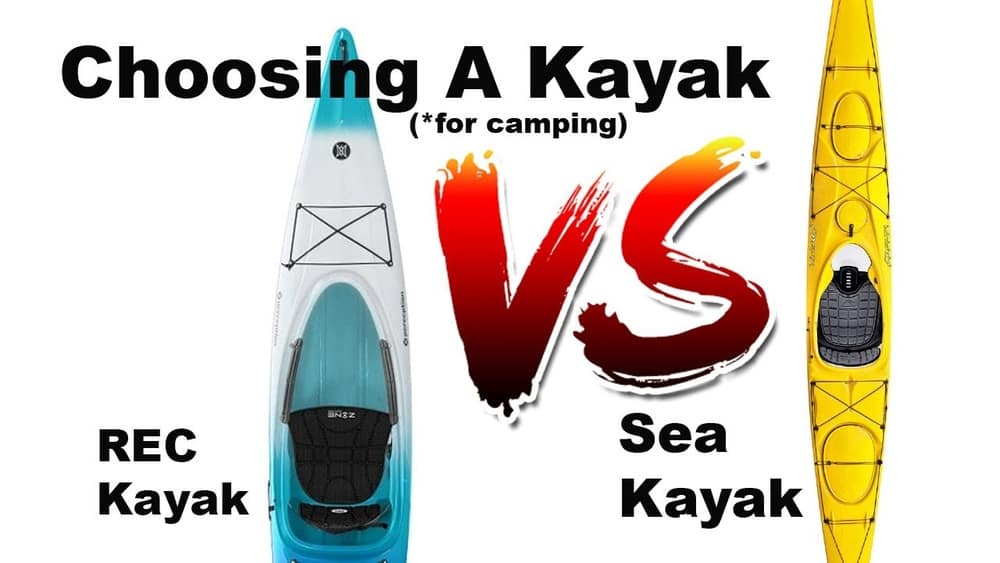
Touring Vs Recreational Kayak: Which Should You Choose?
Choosing the right kayak is a big decision, especially if you are new to paddling. The two most common types are touring kayaks and recreational kayaks. They may look similar, but they are very different in how they handle, where you can use them, and what you can expect from your time on the water. Understanding the differences can help you avoid a costly mistake and make your kayaking adventures much more enjoyable.
Many beginners believe all kayaks are the same. In reality, picking the wrong type can make paddling harder, less safe, or just not as fun. This article will help you compare touring and recreational kayaks in detail. By the end, you’ll know which kayak fits your needs, your local waters, and your paddling goals.
What Is A Recreational Kayak?
Recreational kayaks are designed for calm waters and easy paddling. Most people use them on small lakes, slow-moving rivers, or protected bays. They are popular for their stability, ease of use, and affordable price.
A typical recreational kayak is short (about 9–12 feet), wide (28–34 inches), and has a large open cockpit. This makes it easy to get in and out, and less likely to tip over. The wider design also means they turn quickly, but do not go very fast.
Many recreational kayaks are made of tough, heavy plastic (polyethylene). They are not too expensive, which makes them a good choice for beginners, families, or people who want to paddle just for fun.
Main Features Of Recreational Kayaks
- Short length (9–12 feet): Easy to transport and store.
- Wide hull (28–34 inches): Extra stability for new paddlers.
- Large cockpit: Simple entry and exit; less scary for those who dislike small spaces.
- Basic seats and footrests: Enough comfort for short trips.
- Simple storage: Often just a bungee cord or small hatch.
- Weight: Usually 35–55 pounds.
When Are Recreational Kayaks Best?
Choose a recreational kayak if you:
- Paddle mostly on flat, calm water.
- Take short trips (usually 1–3 hours).
- Want a kayak that is easy to carry and store.
- Care more about stability than speed.
- Are new to kayaking or want to paddle with kids.
What Is A Touring Kayak?
Touring kayaks are built for longer journeys, bigger water, and more challenging conditions. They are sometimes called “sea kayaks” because they handle open water well.
A touring kayak is long (12–18 feet), narrow (21–25 inches), and has a smaller cockpit. The longer, slimmer shape helps the kayak go straight (track) and move fast, even in wind or waves. Many have extra features like rudders, skegs, and dry storage compartments.
Touring kayaks are made from different materials: plastic (for strength), fiberglass or composite (for light weight and speed). They usually cost more, but offer better performance for serious paddlers.
Main Features Of Touring Kayaks
- Longer length (12–18 feet): Moves faster and tracks straight.
- Narrow hull (21–25 inches): Better speed and efficiency.
- Smaller cockpit: Closer fit for better control, but harder entry.
- Multiple dry storage hatches: Keep gear safe for long trips.
- Advanced seating: More comfortable for hours of paddling.
- Optional rudder or skeg: Helps steer in wind or current.
- Weight: Usually 45–65 pounds.
When Are Touring Kayaks Best?
Choose a touring kayak if you:
- Paddle on open water, coastal areas, or large lakes.
- Plan longer trips (4+ hours or overnight).
- Want to go faster and farther with less effort.
- Need to carry camping or safety gear.
- Care about tracking, efficiency, and performance.
Core Differences: Touring Vs Recreational Kayak
To help you see the differences clearly, here is a side-by-side comparison.
| Feature | Recreational Kayak | Touring Kayak |
|---|---|---|
| Length | 9–12 feet | 12–18 feet |
| Width | 28–34 inches | 21–25 inches |
| Stability | Very high (initial) | Lower (but better secondary) |
| Speed | Slower | Faster |
| Tracking (straight line) | Average | Excellent |
| Cockpit Size | Large | Small |
| Storage | Minimal | Multiple dry hatches |
| Price Range | $300–$700 | $900–$2,500+ |
| Best Use | Calm water, short trips | Big water, long trips |
Key Performance Areas
Understanding performance differences can help you pick the right kayak for your goals.
Stability
Stability is how easy it is to stay upright. Recreational kayaks are very stable on flat water because they are wide. This is called initial stability.
Touring kayaks are less stable at first. But they have better secondary stability, which means they handle better if you lean or paddle in waves. This is important for rough water or when turning sharply.
Speed And Efficiency
Longer, narrower kayaks move faster and with less effort. Touring kayaks are made for speed and distance. A recreational kayak will feel slow and tiring if you try to paddle long distances or against the wind.
Maneuverability
Short kayaks turn quickly, which is great for small rivers or tight spaces. Touring kayaks are harder to turn, but they keep going straight. This is called tracking, and it’s important for open water.
Comfort
Recreational kayaks have basic seats and lots of space. For trips under two hours, this is fine. Touring kayaks have advanced seats, adjustable footrests, and a snug fit. This prevents you from sliding around and getting tired on long trips.
Storage Capacity
If you want to bring food, camping gear, or extra clothes, a touring kayak is much better. It has sealed hatches and bulkheads to keep your things dry. Recreational kayaks usually have just a small space behind the seat or a bungee cord for a water bottle.
Safety In Rough Water
Touring kayaks are safer in wind, waves, and cold water. The hatches and bulkheads keep them from sinking if you tip over. The small cockpit and spray skirt keep water out. Recreational kayaks can fill with water quickly if you flip, and are hard to empty without help.

Credit: www.nswatersports.co.uk
Real-world Examples
Imagine you are new to kayaking and want to paddle for one hour on a quiet lake. A recreational kayak will feel stable, easy, and safe. You can relax, look at the view, and not worry about tipping.
Now imagine you want to paddle across a big lake, or along the coast for four hours. The wind picks up, and you have to carry lunch and a change of clothes. A touring kayak will track straight, move faster, and keep your things dry.
You will feel in control, even when conditions change.
Pros And Cons: Touring Kayak
Pros
- Faster on the water.
- Better tracking in wind or current.
- More storage for gear and supplies.
- Safer in rough water.
- More efficient for long trips.
Cons
- Harder to turn in tight spaces.
- More expensive than recreational kayaks.
- Heavier and longer—harder to transport and store.
- Less stable at first for beginners.
- Smaller cockpit—can feel tight or uncomfortable for some.
Pros And Cons: Recreational Kayak
Pros
- Very stable—great for beginners.
- Easy to get in and out.
- Lightweight and short—easy to carry and store.
- Affordable—good for first kayak.
- Simple to use—no extra features to learn.
Cons
- Slower and tiring for long trips.
- Poor tracking—harder to paddle straight.
- Minimal storage—not for camping or big trips.
- Unsafe in rough water—can fill with water quickly.
- Limited performance as skills improve.
Who Should Choose A Touring Kayak?
If you dream of exploring big lakes, rivers, or the sea, or want to go camping from your kayak, a touring kayak is the right choice. It is also better for people who want to paddle longer distances, challenge themselves, or improve their skills over time.
Touring kayaks are often used by:
- Adventure travelers
- People who want to paddle all year, in all conditions
- Kayak campers
- Fitness paddlers
- Those who want to learn advanced techniques, like rolling

Credit: kayakdave.wordpress.com
Who Should Choose A Recreational Kayak?
If you want to paddle for fun, relax, or explore close to shore, a recreational kayak is perfect. It is also a smart option if you are on a budget, have limited storage, or will share the kayak with kids or friends.
Recreational kayaks work best for:
- Beginners and casual paddlers
- Families and children
- People with little storage space
- Anyone who just wants to relax and enjoy nature
Common Mistakes When Choosing
Even experienced paddlers can make mistakes when picking a kayak. Here are some things to avoid:
- Buying based on price only. A cheap kayak that is wrong for your needs will not save you money in the long run.
- Ignoring where you will paddle. Always match the kayak to your local water and typical conditions.
- Choosing stability over performance. Some beginners pick the most stable kayak, but quickly outgrow it.
- Forgetting about transport and storage. Touring kayaks are long and heavy. Make sure you can move and store them.
- Not thinking about growth. If you plan to improve your skills, consider a kayak you will not outgrow in one season.

Credit: brooklynkayakcompany.com
Key Buying Factors
When you are ready to buy, focus on these important points.
Fit
The kayak should fit your body. A snug cockpit gives better control, but too tight is uncomfortable. Try sitting in the kayak before you buy.
Weight And Carrying
Check if you can lift and move the kayak alone. Touring kayaks can be heavy and awkward.
Material
Plastic kayaks are strong and affordable. Fiberglass or composite kayaks are lighter and faster, but cost more.
Storage Options
Think about where you will keep your kayak. Touring kayaks need more space.
Features
Look for extras that matter to you—rudder, skeg, comfy seat, foot braces, or extra storage.
Test Before You Buy
If possible, try different kayaks on the water. Many stores and clubs offer demos. This can help you feel the real differences.
Advanced Insights Beginners Often Miss
Most new paddlers focus on stability and price. But there are some less obvious things that can make a big difference:
- Secondary stability is more important than initial stability if you want to paddle in wind, waves, or currents. Touring kayaks “feel” tippy at first, but are much safer when leaning or turning in rough water.
- Deck height matters if you paddle in wind. High decks catch more wind and can make it harder to control your kayak. Touring kayaks often have a lower deck for this reason.
Another tip: the extra storage in a touring kayak does not just mean more space for gear. The sealed bulkheads also keep your kayak afloat if you capsize, making it much safer.
Cost Comparison
Touring kayaks cost more than recreational kayaks for several reasons. They use better materials, have more features, and are built for tougher conditions. Here is a cost breakdown.
| Type | Entry Price | Mid-Range | High-End |
|---|---|---|---|
| Recreational | $300–$500 | $500–$800 | $900–$1,200 |
| Touring | $900–$1,200 | $1,200–$1,800 | $2,000–$4,000 |
While it may seem smart to save money, a good touring kayak can last 10–20 years. If you plan to paddle often, the extra investment may be worth it.
Environmental Impact
Both types of kayaks are usually made from polyethylene plastic, which is durable but hard to recycle. Some higher-end touring kayaks use fiberglass or composite materials, which have a bigger carbon footprint but can last even longer.
A growing number of companies now offer kayaks made with recycled plastics or more eco-friendly processes. If you care about the environment, ask about materials before you buy.
Upgrading And Accessories
You can improve both types of kayaks with extra gear:
- Paddles: Lighter, stronger paddles make a big difference, especially for long trips.
- Seats: Aftermarket seats can add comfort for recreational kayaks.
- Spray skirts: Needed for touring kayaks in rough water.
- Dry bags: Keep your gear safe, even in open cockpits.
- Safety gear: Always bring a personal floatation device (PFD), whistle, and basic first aid.
For more tips on kayaking gear and safety, check the Kayaking Wikipedia page.
Should You Rent Or Buy?
If you are not sure which kayak is best, rent both types and try them in the real world. Many outfitters let you test different models, and some offer rent-to-own programs. This can save you money and help you make a better choice.
Frequently Asked Questions
What Is The Main Difference Between Touring And Recreational Kayaks?
The main difference is their purpose. Touring kayaks are long, narrow, and made for speed, distance, and big water. Recreational kayaks are short, wide, and stable, made for calm water and short trips.
Can A Beginner Use A Touring Kayak?
Yes, but it can feel less stable at first. If you want to paddle longer distances or learn advanced skills, starting with a touring kayak is fine. Just be ready for a learning curve.
Are Recreational Kayaks Safe For Sea Or Ocean Use?
No. Recreational kayaks are not designed for open water, waves, or wind. They can fill with water and are hard to control in rough conditions. Always use a touring or sea kayak for ocean paddling.
How Much Gear Can A Touring Kayak Carry?
Most touring kayaks can hold enough gear for overnight or multi-day trips. They have sealed hatches and bulkheads for dry storage. Always check the weight limit before loading up.
Do I Need A Rudder Or Skeg?
A rudder or skeg helps your kayak go straight in wind or current. Touring kayaks often have them; recreational kayaks do not. If you paddle in open water, a rudder or skeg is very useful.
Choosing between a touring and recreational kayak is about matching your goals, waters, and experience. Take your time, try before you buy if you can, and remember: the best kayak is the one that gets you on the water and keeps you coming back for more.