
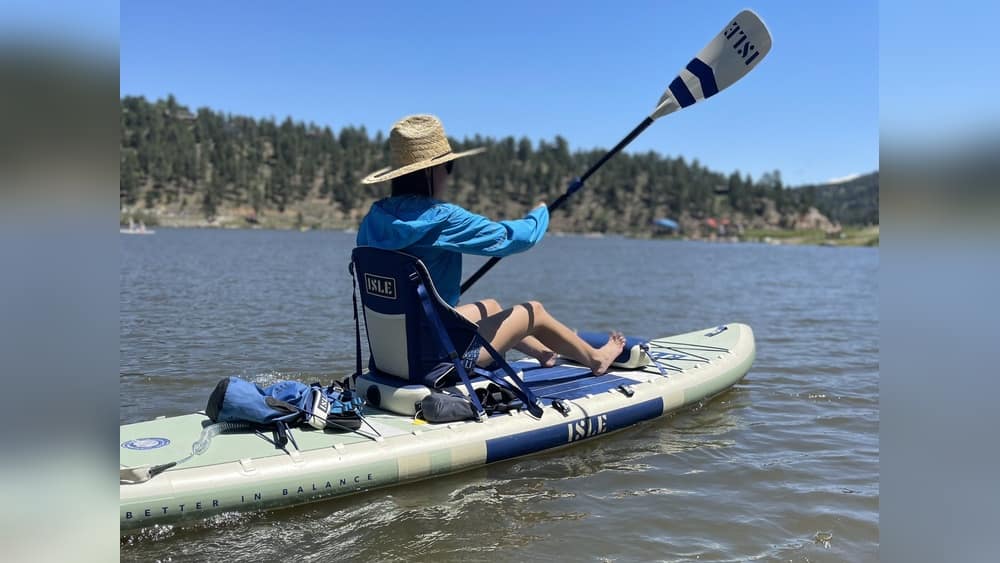
What Is Sup Kayak
Imagine standing on water, gliding across a calm lake, then sitting down and paddling with more speed and control. This is the world of SUP Kayak—a new water sport that combines the best of stand up paddleboarding (SUP) and kayaking. People everywhere, from beginners to experienced paddlers, are discovering how this hybrid craft opens up fresh adventures, offers fitness benefits, and makes time on the water more fun and accessible. If you are new to water sports or just curious about SUP Kayaks, let’s dive deep into what makes them unique, how they work, and why they might be the perfect choice for your next outdoor experience.
Understanding Sup Kayak: The Hybrid Craft
A SUP Kayak is a type of watercraft that lets you paddle either standing up (like a traditional stand up paddleboard) or sitting down (like a kayak). The key feature is its convertible design—you can attach a seat and use a double-bladed kayak paddle, or stand and use a single-bladed SUP paddle. Most SUP Kayaks are wider and more stable than regular SUPs, making them perfect for both beginners and experienced paddlers.
This hybrid was created for people who want flexibility. Sometimes you may want to stand up and enjoy a full-body workout, while other times you may prefer to sit and paddle longer distances comfortably. SUP Kayaks let you switch between these styles quickly, often within minutes.
How Is Sup Kayak Different From Regular Kayaks And Sup Boards?
To understand why SUP Kayaks are gaining popularity, it helps to compare them to traditional kayaks and SUP boards.
| Feature | SUP Kayak | Regular Kayak | SUP Board |
|---|---|---|---|
| Paddling Position | Standing or Sitting | Sitting | Standing |
| Stability | Very Stable | Stable | Varies (less stable for beginners) |
| Paddle Type | Double or Single Blade | Double Blade | Single Blade |
| Flexibility | High | Low | Medium |
| Main Use | Recreation, fitness, touring | Touring, fishing, whitewater | Recreation, fitness, surfing |
SUP Kayaks are usually inflatable or made from lightweight materials, so they are easy to carry and store. Traditional kayaks can be heavy and hard to transport, while most SUP boards are not designed for sitting and long-distance paddling.
Key Features Of A Sup Kayak
What sets SUP Kayaks apart are a few special design features:
- Detachable seat: Most come with a padded seat you can attach or remove.
- Convertible paddle: The paddle can switch between a single blade (for SUP mode) and a double blade (for kayak mode).
- Wider deck: This makes them more stable for both standing and sitting.
- Multiple handles: For easy carrying and launching.
- D-rings and straps: For attaching gear, seats, or coolers.
- Inflatable or hard shell: Inflatable models are popular for their portability, while hard shells offer more speed and durability.
Some models even have footrests, fishing rod holders, or extra storage space for long trips.
Who Should Choose A Sup Kayak?
SUP Kayaks are perfect for:
- Beginners: The wide base and stable design make them easy to balance.
- Families: Kids and adults alike can paddle together, switching between sitting and standing.
- Fitness seekers: Standing up gives a full-body workout, while sitting allows for longer paddling sessions.
- Travelers and campers: Inflatable models fit in a car trunk or RV, making them easy to bring on trips.
- People with limited storage: You don’t need a roof rack or lots of garage space.
You don’t need to be an athlete to enjoy a SUP Kayak. Most people can learn the basics in less than an hour.
Main Types Of Sup Kayak
There are several types of SUP Kayaks, each with special qualities to suit different needs.
1. Inflatable Sup Kayak
These are made from strong, puncture-resistant PVC. They can be pumped up and deflated for easy transport. Most inflatables are lightweight, stable, and fit in a backpack. They are great for travelers, beginners, and people with limited space.
2. Hard Shell Sup Kayak
Built from fiberglass, plastic, or other stiff materials, hard shell models are faster and more durable. They are better for rough water, but they are heavier and need more storage space.
3. Fishing Sup Kayak
Designed with extra stability and features like rod holders, mounts for fish finders, and extra cargo space. These are popular with anglers who want to reach hard-to-access fishing spots.
4. Touring Sup Kayak
These are longer and have a pointed nose to cut through water smoothly. They are good for long-distance paddling or exploring coastlines and large lakes.
5. Tandem Sup Kayak
Some models are large enough for two people, letting you paddle with a friend or child. Tandem models are wider and have extra seating.
Benefits Of Using A Sup Kayak
Choosing a SUP Kayak brings unique advantages that many people don’t expect at first.
1. Versatility
You get two water sports in one. You can stand up for a full-body workout or sit down and paddle like in a kayak. This flexibility means you can adapt to changing weather or your energy level.
2. Fitness
Standing paddling works your legs, core, and arms. Even sitting paddling gives you a good upper-body workout. Many people find they burn more calories on a SUP Kayak than on a regular kayak.
3. Balance And Stability
Because SUP Kayaks are wider, they are less likely to tip over. This makes them great for nervous beginners or anyone who wants to bring a child or dog along.
4. Portability
Most models are inflatable and weigh less than 30 pounds (13. 6 kg). You can fit them in a car trunk or carry them to the water by yourself.
5. Fun And Social
You can paddle with friends, do yoga on the water, fish, or just relax. SUP Kayaks are more social than traditional kayaks, since you can stand and chat or share the experience.
6. Access To More Water
You can use a SUP Kayak on lakes, rivers, calm seas, and even small ponds. The shallow draft means you can explore places regular kayaks can’t go.
7. Quick Setup
Inflatable SUP Kayaks can be set up in 10-15 minutes. No need for special racks or trailers.

Credit: vibekayaks.com
Key Factors To Consider When Buying A Sup Kayak
Before you buy a SUP Kayak, think about these important points:
- Weight capacity: Check how much weight the board can hold, including you and your gear. Most models support 250–350 pounds (113–159 kg).
- Size and shape: Wider boards are more stable, while longer ones are faster and track better.
- Inflatable vs hard shell: Inflatables are easy to store and transport, but hard shells are faster and more durable.
- Seat comfort: Try to find a padded seat with back support.
- Paddle quality: A lightweight paddle is easier to use, and a convertible paddle gives you more options.
- Accessories: Look for included items like pumps, leashes, repair kits, and storage bags.
- Price: SUP Kayaks range from $300 to over $1,500. Higher-priced models often offer better materials and extra features.
A common mistake is choosing a SUP Kayak that is too small or unstable for your needs. Always consider your own height, weight, and what you want to do on the water.
Sup Kayak Vs. Inflatable Kayak: Which Is Better?
Many people wonder if they should buy a SUP Kayak or a regular inflatable kayak. Here’s a quick comparison:
| Feature | SUP Kayak | Inflatable Kayak |
|---|---|---|
| Paddling Styles | Standing & Sitting | Sitting only |
| Stability | Very Stable | Stable |
| Setup Time | 10-15 minutes | 10-20 minutes |
| Portability | Excellent | Excellent |
| Versatility | Higher (SUP + Kayak) | Lower |
| Fitness Benefits | Full Body | Mainly Upper Body |
If you want the freedom to stand or sit, and you enjoy fitness or variety, a SUP Kayak is likely the better choice. If you only plan to sit and paddle, a regular inflatable kayak might be enough.

Credit: www.decathlon.com
Essential Tips For Sup Kayak Beginners
Getting started with a SUP Kayak is easy, but these practical tips can help you avoid common mistakes and have a safe, fun time:
- Practice balancing in shallow water before heading out far.
- Start by sitting if you are nervous, then try standing up as you gain confidence.
- Use a leash to keep your board close if you fall off (very important for safety).
- Wear a life jacket, even if you are a strong swimmer.
- Adjust the paddle to the right length: Longer for SUP, shorter for kayak mode.
- Watch the weather and wind. It’s harder to paddle against strong wind.
- Bring water and snacks for longer trips.
- Rinse your SUP Kayak with fresh water after use, especially if you paddle in saltwater. This keeps it in good shape.
A useful insight: Many beginners don’t know that standing paddling uses different muscles than sitting. Switching between both modes can help reduce fatigue and allow for longer, more enjoyable trips.
Another tip: If you plan to paddle in the morning, the water is often calmer and there are fewer people around.
The Future Of Sup Kayak
The SUP Kayak market is growing fast. According to recent industry reports, global sales of inflatable SUPs—including hybrid models—have increased by over 20% each year since 2020. As more people look for flexible, easy-to-learn water sports, SUP Kayaks are leading the way. New designs are becoming lighter, stronger, and more affordable. Expect to see more innovative features like built-in GPS holders, solar chargers, and eco-friendly materials in the next few years.
For those who want to read more about the history and development of SUP Kayaks, the Wikipedia Standup Paddleboarding page is a good resource.
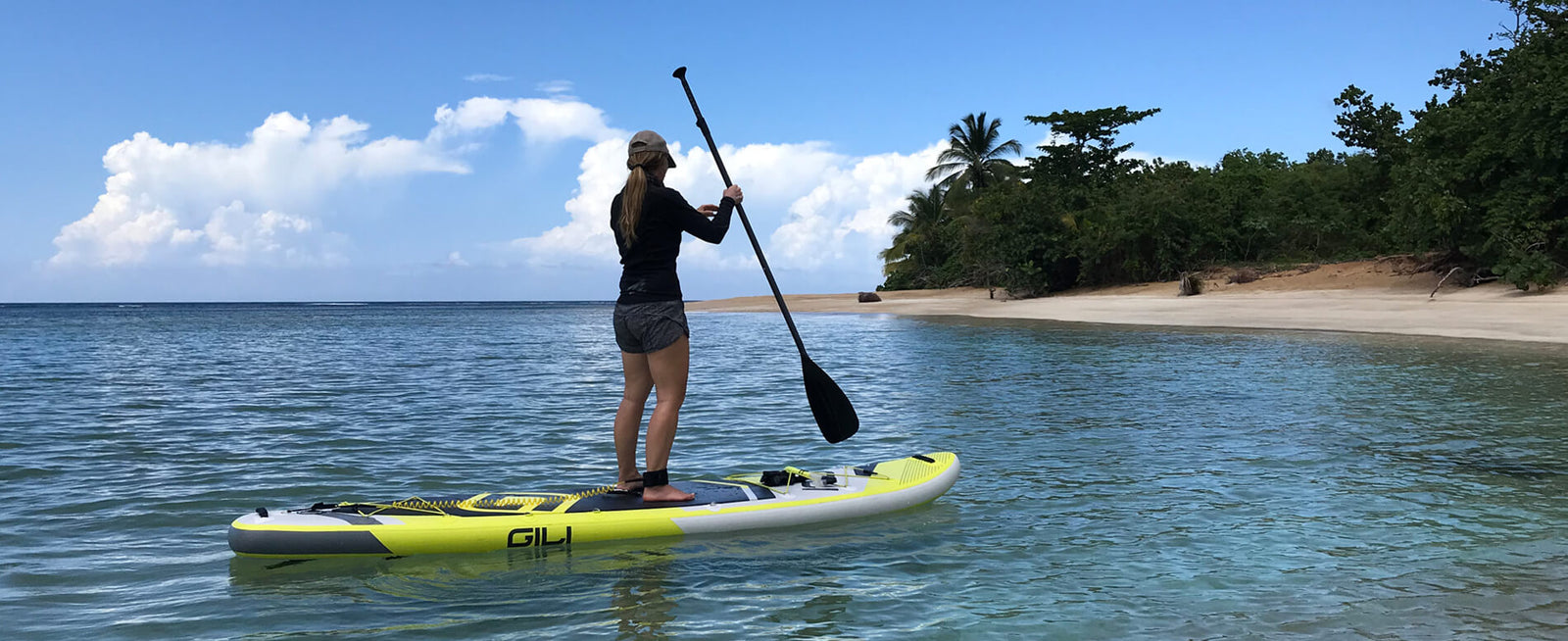
Credit: www.gilisports.com
Frequently Asked Questions
What Is The Main Difference Between A Sup Kayak And A Regular Sup Board?
A SUP Kayak is designed for both standing and sitting paddling. It usually has a wider deck, a detachable seat, and a paddle that can switch between single and double blades. Regular SUP boards are mostly for standing use.
Can I Use My Sup Kayak In The Ocean?
Yes, you can use a SUP Kayak in the ocean, but always check local conditions and safety rules. Many models handle small waves well, but rough surf may be too much for beginners.
How Hard Is It To Switch Between Standing And Sitting?
Switching between standing and sitting is very easy on most SUP Kayaks. You simply attach or remove the seat and change the paddle. Most people can switch modes in under two minutes.
What Should I Wear When Using A Sup Kayak?
Wear comfortable, quick-drying clothes and a life jacket. In cooler water, a wetsuit or dry suit can help keep you warm. Don’t forget sun protection like a hat and sunscreen.
Do I Need Special Training To Use A Sup Kayak?
You do not need special training, but taking a short lesson can help you learn good techniques and safety tips. Most beginners feel comfortable after 30–60 minutes of practice.
Choosing a SUP Kayak opens up a world of adventure and fitness, whether you want to paddle for fun, relaxation, or exploration. With the right board, a little practice, and basic safety steps, anyone can enjoy this exciting hybrid water sport.