
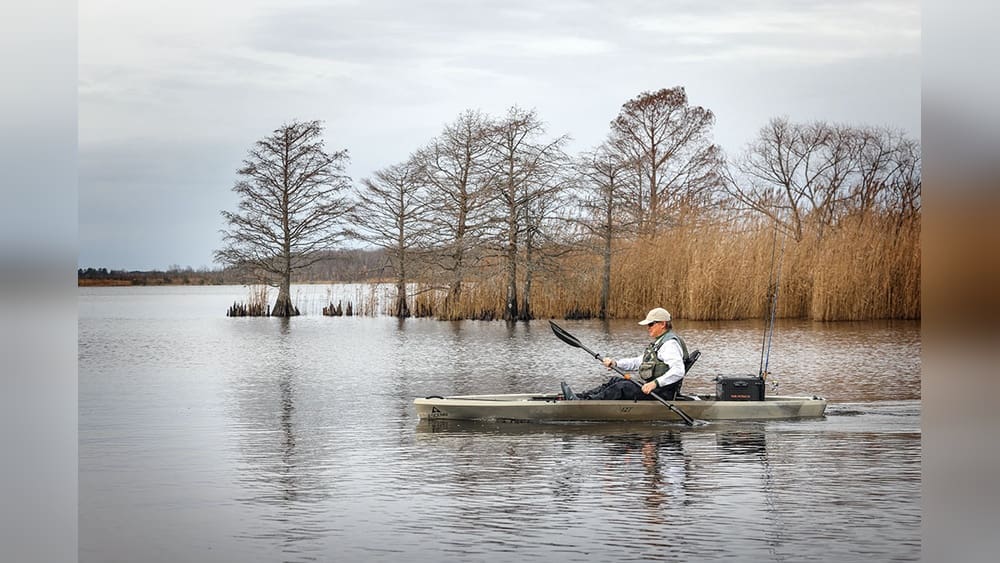
Kayaking has become a favorite outdoor activity for many people looking to connect with nature, exercise, or enjoy time on the water. When it comes to choosing a kayak, two brands often stand out: Ascend and Perception. Both offer a variety of models with different features, price points, and performance levels. However, deciding which is better for you can be confusing, especially if you’re new to kayaking or want to upgrade your gear. This article will give you a clear, in-depth comparison of Ascend vs Perception kayaks, helping you make a confident decision for your next adventure.
Brand Overview
Before comparing individual features, it’s important to understand the background and philosophy of each brand.
Ascend
Ascend is a brand under the Bass Pro Shops umbrella, known mainly for its affordable fishing kayaks. Their focus is on stability, value, and fishing-specific features. Most Ascend kayaks are made from high-density polyethylene, making them durable and suitable for beginners and intermediate paddlers. Ascend’s lineup includes both sit-on-top and sit-in models, but they are especially popular for their fishing sit-on-top kayaks.
Perception
Perception Kayaks, a part of Confluence Outdoor, has been making kayaks for over 40 years. They are recognized for their wide range of models—from recreational to touring and fishing kayaks. Perception puts more emphasis on versatility and performance, offering models suitable for lakes, rivers, and even ocean paddling. Their kayaks are also made from high-quality polyethylene, but they often include more advanced design elements for comfort and speed.
Key Differences Between Ascend And Perception Kayaks
Choosing between Ascend and Perception is not just about the brand—it’s about what you want from a kayak. Let’s break down the most important differences.
Price And Value
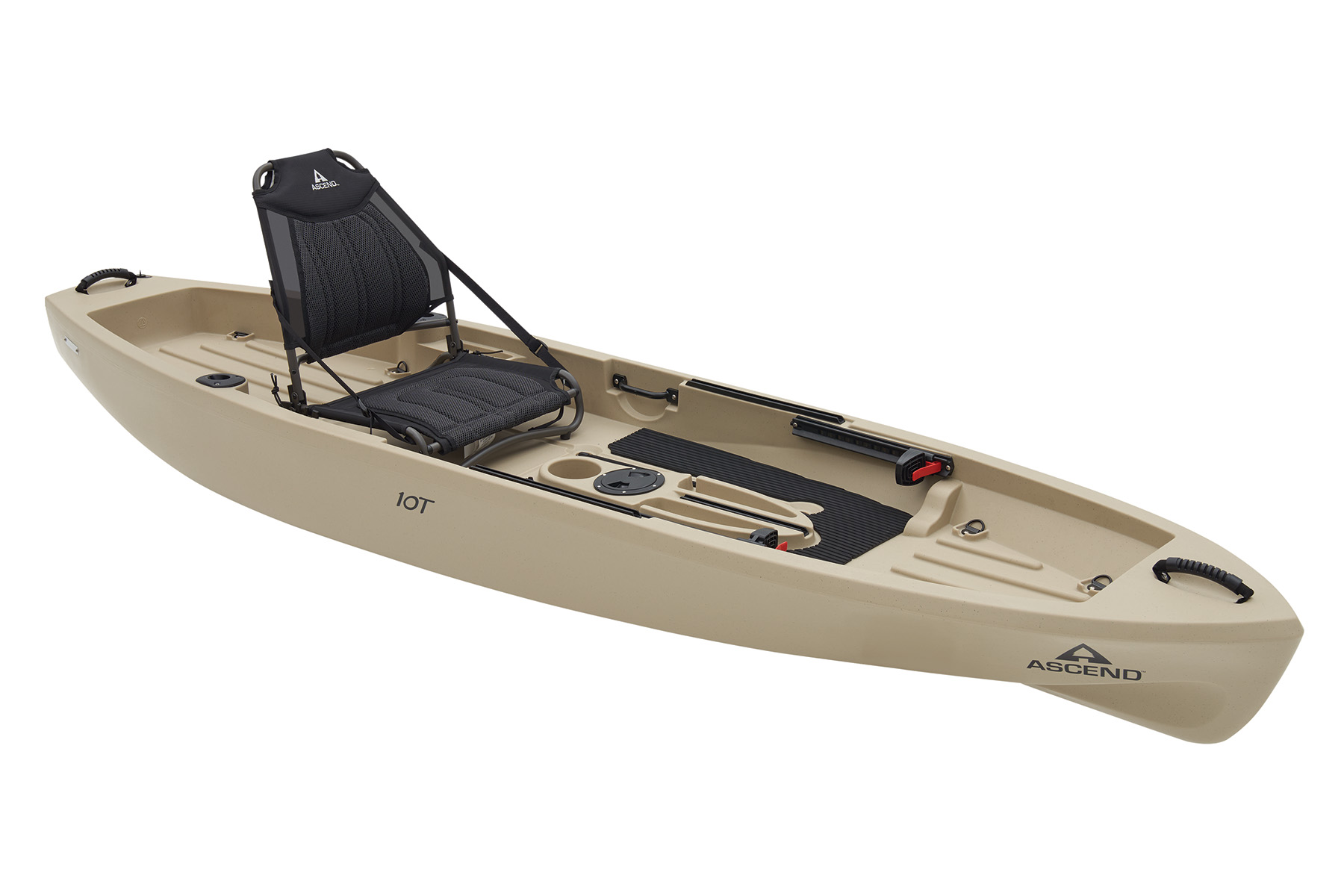
Ascend kayaks are generally priced lower than Perception models. This is because Ascend targets budget-conscious buyers and beginners who want good value without paying for advanced features. For example, you can find popular Ascend models like the Ascend 10T or Ascend 12T for under $700.
Perception kayaks cover a broader price range. Their basic recreational kayaks start around $500, but their more specialized or touring models can reach $1,200 or more. The Perception Pescador Pro 12, a popular fishing kayak, costs about $900–$1,100 depending on features and seller.
Key insight: If budget is your top concern, Ascend usually wins. But if you want more options and are willing to invest, Perception offers wider variety.
Model Variety
Ascend focuses mainly on fishing and recreational kayaks, with about 10 core models. Their naming convention (like 10T or 12T) shows the length in feet and the series type. Ascend kayaks are typically wider, providing more stability, which is great for fishing but can make them slower.
Perception has a much larger selection, including:
- Recreational kayaks (Perception Joyride, Swifty)
- Touring kayaks (Perception Carolina)
- Fishing kayaks (Perception Outlaw, Pescador)
- Tandem kayaks (Perception Rambler 13.5)
- Sit-in and sit-on-top options
Key insight: Perception fits more paddling styles and needs, while Ascend keeps things simple and focused.
Build Quality And Durability
Both brands use high-density polyethylene (HDPE), a strong plastic that resists impacts and UV damage. However, many paddlers say Perception’s construction feels a bit more refined. Their kayaks often have smoother seams, more ergonomic handles, and slightly lighter weights for the same kayak length.
Ascend kayaks are robust and can take a beating, but sometimes the fit and finish (like seat installation or hatch covers) may not be as polished as Perception’s. This difference matters more if you use your kayak frequently or in rough conditions.
Stability And Performance
Stability is a big selling point for Ascend. Their kayaks are usually wider, with flatter hulls. This gives you confidence when standing up to fish or moving around. For example, the Ascend 12T’s width (31 inches) makes it hard to tip over, even for beginners.
Perception balances stability with speed and tracking. Their hull designs (the shape of the bottom) are more streamlined. This means Perception kayaks are often faster and easier to paddle in a straight line. Models like the Perception Pescador or Sound have a V-shaped hull that cuts through water better.
Key insight: If you want maximum stability for fishing, Ascend is a strong choice. For all-day paddling or covering distance, Perception is often more efficient.
Comfort And Seating
Comfort is crucial if you spend hours on the water. Both brands offer padded, adjustable seats, but Perception usually gets higher marks for comfort.
- Ascend seats: Basic models have padded seats with some back support. Higher-end models add more adjustments but can feel stiff for taller people.
- Perception seats: Many models feature adjustable, mesh-backed seats that stay cool and supportive. The Pescador Pro series, for instance, has a lawn-chair style seat with two height positions.
Footrests are adjustable on both brands, but Perception’s systems are often easier to move and lock in place.
Weight And Portability
Kayak weight matters for transport and storage. Ascend kayaks are usually heavier due to their wide, stable design. For example, the Ascend 12T weighs about 77 lbs (35 kg).
Perception kayaks, thanks to more advanced molding, can be lighter for the same size. The Pescador Pro 12 is about 64 lbs (29 kg). This might not sound like much, but those extra pounds can make car-topping or solo carrying harder.
Pro tip: If you plan to move your kayak alone often, check the weights carefully.
Storage And Gear Capacity
Ascend kayaks shine when it comes to gear storage. Most have large, open decks with plenty of room for tackle boxes, coolers, and rods. Their fishing models come with multiple rod holders, gear rails, and large tankwells.
Perception models offer good storage, too, but are sometimes more focused on dry storage hatches and sleek design. Fishing models like the Outlaw and Pescador Pro still offer lots of gear tracks and tankwells, but with a slightly smaller open deck space compared to Ascend.
Customization And Accessories
Both brands let you add accessories, but Ascend kayaks are often considered a blank canvas for DIY upgrades. Their wide decks and simple layouts make it easy to add fish finders, extra rod holders, or anchor trolleys.
Perception kayaks have more built-in gear tracks and mounts, but their sleeker design can limit where you add extra gear. However, Perception offers branded accessories that fit perfectly, which may be appealing if you want a plug-and-play solution.
Warranty And Customer Support
Warranty is often overlooked until something goes wrong. Ascend offers a limited lifetime warranty on the hull for the original owner, which is good for the price range. However, some buyers report mixed experiences with customer service, especially when trying to resolve issues through large retailers.
Perception also offers a limited lifetime warranty on hulls, but their customer support is widely praised for being responsive and helpful. Replacement parts, like hatch covers or seats, are usually easier to get through Perception.
Popular Models Compared
To give you a clearer idea, let’s compare some of the most popular models from each brand.
| Feature | Ascend 12T | Perception Pescador Pro 12 |
|---|---|---|
| Length | 12’0″ | 12’0″ |
| Width | 31″ | 32″ |
| Weight | 77 lbs | 64 lbs |
| Max Capacity | 350 lbs | 375 lbs |
| Seat Type | Padded, non-elevated | Mesh, elevated, adjustable |
| Price (approx.) | $700 | $1,000 |
| Rod Holders | Yes, built-in | Yes, built-in |
| Deck Space | Wide, open | More compact |
As you can see, both are well-suited to fishing, but the Perception Pescador Pro 12 gives you a lighter weight, more comfortable seat, and higher max capacity—at a higher price.
Real-world Performance: On The Water
Performance is about more than numbers. How do Ascend and Perception kayaks feel on the water?
Stability
Ascend’s wide hulls are extremely stable. Beginners feel safe, and anglers can stand up to cast. This is perfect for calm lakes and slow rivers. However, in choppier water, the flat hull can slap and feel less smooth.
Perception offers stable kayaks, but they use more advanced hull shapes that combine stability with glide. You may not feel as confident standing, but you’ll paddle faster and have an easier time tracking straight, especially in wind or current.
Speed
Ascend’s extra width makes them a bit slower and harder to paddle over long distances. They’re designed for stability, not speed.
Perception’s hulls are often narrower and more efficient, so you’ll use less energy paddling across the lake or down a river. This is important if you plan to cover several miles in a day.
Maneuverability
Ascend kayaks are easy to turn at slow speeds, especially the shorter models. However, their wide hulls can make quick direction changes harder in tight spots.
Perception kayaks, particularly shorter recreational or touring models, are designed for easy maneuvering. You’ll notice the difference if you paddle in twisty creeks or want to explore narrow inlets.
Comfort On Long Trips
Many paddlers find Ascend seats fine for short trips but less comfortable after a few hours. Perception’s mesh or padded seats provide better ventilation and back support for long days.
Who Should Choose Ascend?
Ascend kayaks are a great choice if:
- You’re new to kayaking and want a stable, forgiving kayak.
- Fishing is your main goal, and you want lots of open space for gear.
- You have a limited budget but want something durable.
- You’ll use your kayak mostly on calm lakes or slow rivers.
- You enjoy customizing your kayak with DIY accessories.
Non-obvious tip: Ascend models are often available in-store at Bass Pro Shops, so you can sit in them before you buy. This is a big advantage if you’re unsure about fit or comfort.
Who Should Choose Perception?
Perception is the better pick if:
- You want more model choices for different water types.
- Speed, tracking, or performance matters to you.
- You plan to paddle for several hours or cover long distances.
- Comfort and advanced features (like adjustable seats) are worth the extra cost.
- You prefer a lighter kayak for easier transport.
- You want good customer service and easy access to parts.
Non-obvious tip: Perception kayaks often have better resale value because of their brand reputation and performance. If you might upgrade later, this can save you money.
Common Mistakes When Choosing Between Ascend And Perception
- Focusing only on price. A lower price can be tempting, but consider comfort, ease of transport, and long-term durability. Spending a bit more upfront can mean more enjoyment and fewer headaches.
- Ignoring kayak weight. Many beginners forget how heavy kayaks can be. If you can’t lift it alone, loading and unloading becomes a chore.
- Not considering storage space. Ascend kayaks are wide and may not fit well on small car roofs or in compact storage areas.
- Choosing too much kayak for your needs. A big fishing kayak might be overkill if you only paddle short distances or don’t need extra features.
- Overlooking customer service. After-sales support matters, especially if you need warranty help or replacement parts.
Feature Comparison Table
Here’s a quick side-by-side summary of major features:
| Feature | Ascend | Perception |
|---|---|---|
| Best For | Fishing, stability, value | Versatility, comfort, performance |
| Entry Price | ~$500 | ~$500 |
| Top Models | 10T, 12T, 128T | Pescador, Outlaw, Joyride |
| Weight Range | 60-90 lbs | 40-75 lbs |
| Customization | Very high (DIY friendly) | High (modular gear tracks) |
| Warranty | Lifetime hull (limited) | Lifetime hull (limited) |
| Customer Support | Mixed reviews | Strong reputation |

Credit: www.youtube.com
When To Choose Something Else Entirely
Ascend and Perception are both strong brands, but they’re not the only choices. If you want a pedal drive kayak, an inflatable, or a high-performance touring kayak, you may need to look at other brands like Hobie, Old Town, or Sea Eagle.
Practical Buying Advice
- Test before you buy. If possible, visit a local dealer or demo day to try different kayaks. Fit and comfort are personal.
- Consider transportation. Measure your car or trailer, and check if you can lift the kayak alone.
- Think about future needs. Will you want to paddle with a child or pet? Will you upgrade your gear later?
- Look for used deals. Both Ascend and Perception kayaks hold value well. A gently used kayak can save you hundreds of dollars.
Credit: www.ascendkayaks.com
Real User Experiences
Many Ascend users praise the “rock-solid” feeling and easy fishing setup, but sometimes wish for a lighter kayak or more seat comfort.
Perception owners often mention how easy their kayaks are to paddle, even in wind or current. They like the comfort and performance, though some wish for a bit more open deck space for fishing gear.
Example: Sarah, a beginner angler, bought an Ascend 10T and loved the stability. But after a year, she upgraded to a Perception Pescador because she wanted to paddle longer distances without getting tired.
Environmental And Ethical Considerations
Both brands use durable plastics, but neither has a strong focus on eco-friendly materials or recycled content. If sustainability is important to you, research models that use recycled plastics or support environmental projects.

Credit: paddling.com
Where To Buy
Ascend kayaks are sold mainly through Bass Pro Shops and Cabela’s stores. This means you can often find good in-store deals but may have limited color or model choices.
Perception kayaks are sold through many outdoor retailers, specialty paddle shops, and big-box stores. You’ll find more options online and sometimes better support for accessories.
For more details on kayak types and buying guides, check the Wikipedia page on kayaks.
Frequently Asked Questions
Which Brand Is Better For Beginners: Ascend Or Perception?
Both brands are beginner-friendly, but Ascend kayaks are especially good for those who want maximum stability and easy fishing setups. Perception is also a great choice for beginners who want to try different paddling styles or need a lighter kayak.
Are Perception Kayaks Worth The Higher Price?
Yes, if you value comfort, lighter weight, and better performance. Perception kayaks offer more advanced seats and hull designs, which make long trips easier and more enjoyable.
Can I Stand Up And Fish In A Perception Kayak?
Some Perception fishing models (like the Outlaw) are stable enough to stand in, but Ascend kayaks are generally better for standing because of their wider hulls and flatter decks.
Which Is Easier To Transport: Ascend Or Perception?
Perception kayaks are often lighter for the same length, which makes them easier to carry and load onto a car. However, always check the specific model’s weight before buying.
Do Both Brands Offer Good Warranties?
Yes, both Ascend and Perception offer limited lifetime warranties on the hull. Perception has a reputation for better customer service and easier access to replacement parts.
Kayaking should be fun and relaxing—not stressful. By understanding the real differences between Ascend and Perception, you’ll find a kayak that matches your needs, budget, and paddling style. Whether you’re fishing at dawn or exploring a hidden cove, the right kayak will help you create unforgettable memories on the water.