
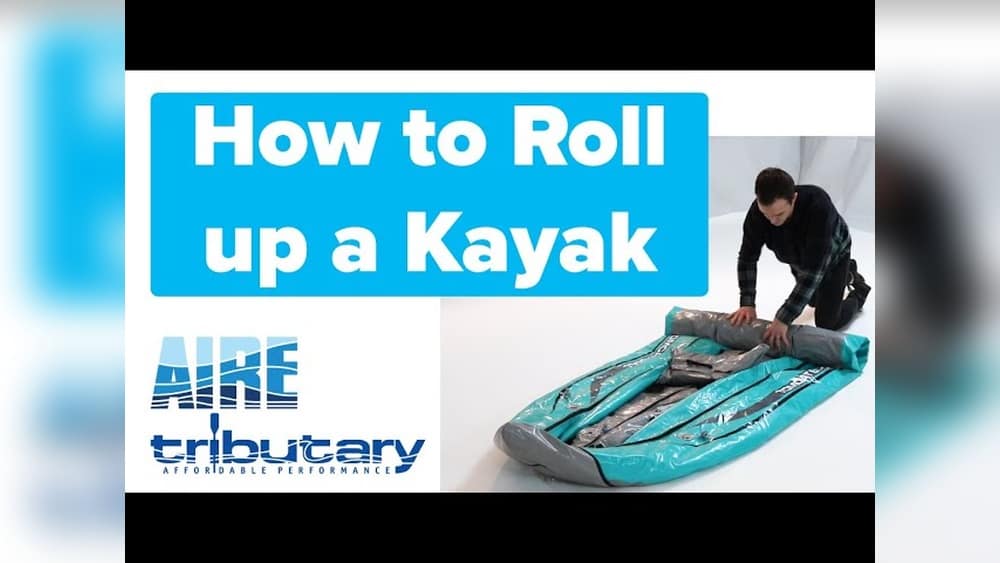
Kayaking is a thrilling water sport that attracts both beginners and experienced paddlers. Many people love the portability and convenience of inflatable kayaks, but they often wonder: can you roll an inflatable kayak? If you’re considering buying one or already own an inflatable model, this question is important, especially for those who plan to paddle in rough water or want to learn advanced techniques.
Let’s explore if rolling an inflatable kayak is possible, what it involves, and how it compares with traditional hard-shell kayaks. We’ll break down the science, practical tips, common mistakes, and what to expect based on your skill level. By the end, you’ll have a clear answer—and much more.
What Is A Kayak Roll?
A kayak roll, often called an Eskimo roll, is a technique that lets you right your kayak after it flips over. Instead of getting out of the kayak and swimming, you use your body, paddle, and hips to bring the kayak upright in one smooth motion. This skill is essential for whitewater and sea kayakers, as it keeps you safe and dry in challenging conditions.
Rolling is not just about safety. It builds confidence and lets you tackle more difficult water. But, the design and construction of your kayak make a big difference in how easy (or hard) a roll becomes.
Inflatable Kayaks Vs. Hard-shell Kayaks
To understand the roll question, we need to look at what makes inflatable kayaks different from hard-shell kayaks.
| Feature | Inflatable Kayak | Hard-Shell Kayak |
|---|---|---|
| Material | PVC, Hypalon, or Nitrylon | Plastic, fiberglass, composite |
| Weight | Lighter (8-40 lbs) | Heavier (30-70 lbs) |
| Stiffness | Softer and flexible | Rigid and stiff |
| Hull Shape | Rounded, less defined | Defined, curved for rolling |
| Portability | Easy to pack and carry | Bulky, needs roof rack |
Inflatable kayaks are comfortable, stable, and great for travel. But, their softness and wider hulls affect how they move in the water—and how easy it is to roll them.
Can You Roll An Inflatable Kayak?
The simple answer is: it’s possible, but very difficult. Most inflatable kayaks are not designed for rolling, and several factors make it harder compared to traditional models.
Why Is Rolling Harder In Inflatable Kayaks?
- Hull Shape: Most inflatables have a wide, flat bottom. This shape makes them very stable, but rolling requires a kayak with curved sides (a “rounded” hull).
- Stiffness: A kayak needs to be rigid to transfer your rolling energy. Inflatable models flex and absorb energy, making the motion less effective.
- Cockpit Design: Traditional kayaks have a closed cockpit with a spray skirt to keep water out. Most inflatables have open cockpits or lack a secure spray skirt, so water pours in during a roll.
- Buoyancy: Inflatables float higher and resist tipping. While this is good for stability, it works against you when you try to roll back upright.
- Deck Lines and Thigh Braces: Rolling requires you to “lock in” with your legs. Many inflatables lack thigh braces or firm seating, so you can’t control the boat as tightly.
Are There Any Inflatable Kayaks You Can Roll?
Some high-end inflatable kayaks are made for whitewater or advanced paddling. These models may have:
- Thigh straps or braces
- Reinforced, rigid floors
- Tapered, curved hulls
- Spray skirt options
Even with these features, rolling an inflatable is always more challenging. Most experienced paddlers find it less reliable and much slower than with a hard-shell kayak.
Real-world Testing: What Paddlers Say
Many paddlers have tried to roll inflatables. Here’s what they report:
- Most recreational inflatables cannot be rolled at all.
- Even with good technique, the kayak will often stop halfway or take on a lot of water.
- Whitewater inflatables (sometimes called “duckies”) can be rolled, but only by skilled paddlers and with special gear.
- Success rates are much lower than with hard-shells. For beginners, rolling is nearly impossible.
A survey of whitewater paddlers found that less than 10% of inflatable kayak owners can roll their boat reliably. In contrast, over 70% of hard-shell whitewater kayakers can roll after some practice.
How To Attempt Rolling An Inflatable Kayak
If you want to try rolling, it’s important to start safely. Here are the steps and tips for your best chance of success.
1. Use The Right Inflatable
- Choose a model with thigh straps and a reinforced floor.
- Make sure the kayak is fully inflated to maximum pressure.
- Use a spray skirt if your model allows.
2. Practice Basic Capsizing
- Start in warm, calm water.
- Flip your kayak over and practice getting out and back in.
- Learn to stay calm underwater.
3. Learn Hip Snap And Body Position
- The hip snap is the main movement that rights the kayak.
- Practice snapping your hips while holding onto a dock or a friend’s boat.
4. Use Paddle Support
- Use a strong paddle sweep to help guide your body and the kayak.
- Keep your head down and focus on your hips.
5. Get Coaching
- Take a class with an experienced instructor.
- Many outdoor centers offer rolling lessons, even for inflatables.
6. Be Patient
- Progress is slow. Most people need many sessions to even come close to rolling an inflatable.
- Celebrate small improvements.
Common Mistakes When Trying To Roll An Inflatable Kayak
Most beginners make the same errors. Here’s what to avoid:
- Not inflating the kayak fully—soft boats absorb too much energy.
- Poor hip snap—using arms instead of hips reduces power.
- Wrong kayak model—recreational inflatables won’t work.
- Skipping safety practice—not knowing how to wet exit puts you at risk.
- Ignoring cockpit fit—loose seating means less control.

Credit: www.youtube.com
Alternatives To Rolling: Self-rescue Methods
If you can’t roll your inflatable, don’t worry. There are other ways to get back in and continue your journey.
Paddle Float Rescue
- Use an inflatable paddle float to give your paddle extra support.
- Climb back onto the kayak using the float as a brace.
Cowboy Scramble
- Kick your legs and pull yourself up over the back of the kayak.
- Slide forward into the seat.
Assisted Rescue
- If paddling with friends, ask for a T-rescue.
- A partner holds your kayak steady as you climb back in.
Wet Exit And Re-entry
- Simply exit the kayak, flip it upright, and climb back in.
- Works best in calm conditions.
All these methods are easier in inflatables due to their stability and wide shape.
When Would You Need To Roll An Inflatable Kayak?
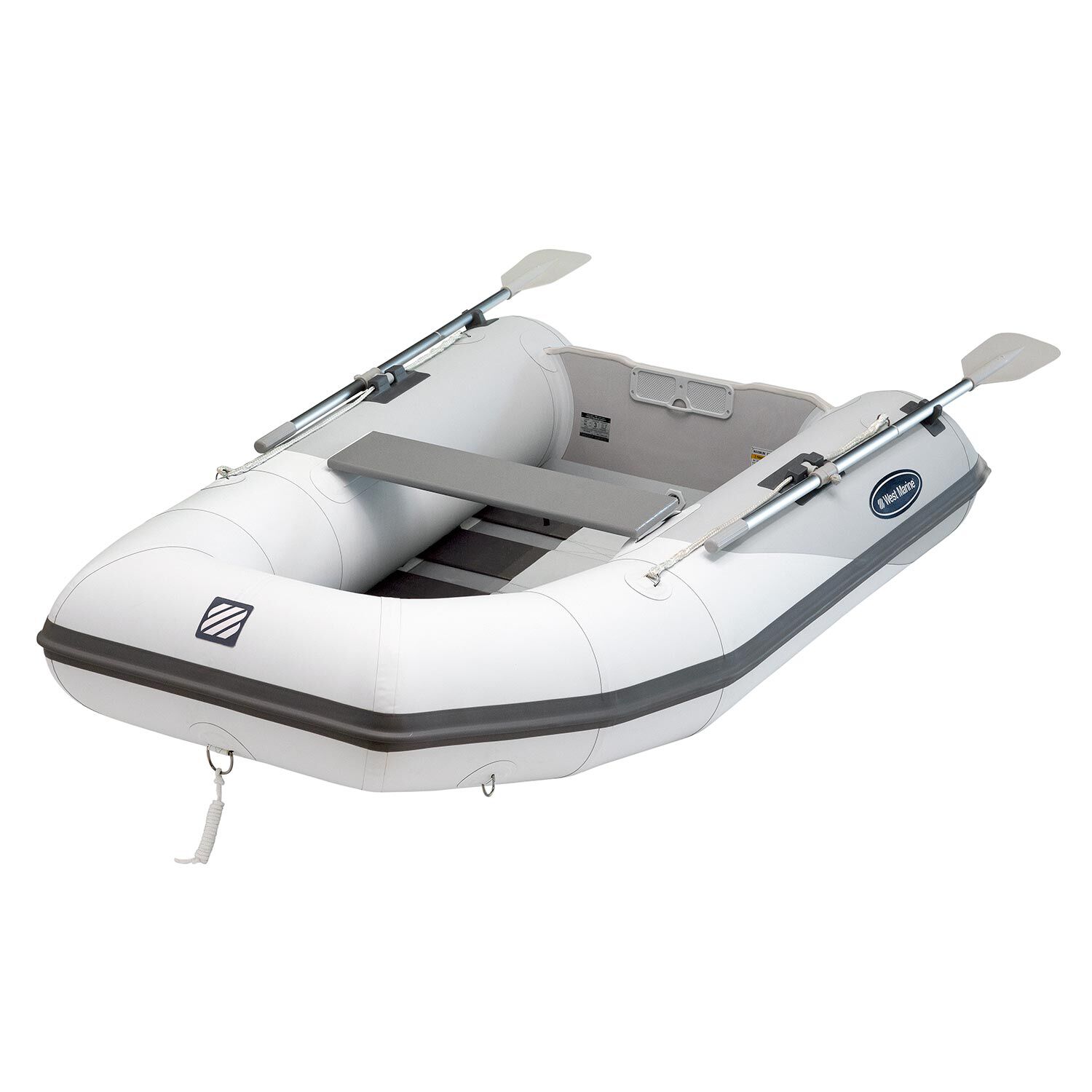
Rolling is most important in whitewater or ocean conditions where exiting your kayak is difficult or dangerous. For most recreational users on lakes and slow rivers, rolling is not necessary. Inflatable kayaks are designed to be stable and unlikely to flip in the first place.
However, if you plan to paddle in rough water, surf, or fast rivers, consider whether you need a boat that can be rolled. For most people, self-rescue methods are enough.
Credit: www.westmarine.com
Pros And Cons Of Inflatable Kayaks For Advanced Paddling
Not all paddlers need to roll. Here’s a quick comparison of inflatables for advanced use:
| Advantage | Disadvantage |
|---|---|
| Very stable and hard to flip | Rolling is very difficult or impossible |
| Easy to transport and store | Less responsive to advanced maneuvers |
| Soft sides reduce injury risk | Less durable in extreme conditions |
| Good for beginners and families | Limited cockpit control |
Two Surprising Insights About Inflatable Kayak Rolling
1. The “Half-Roll” Is Common: Many paddlers find that they can start a roll, but the kayak “sticks” halfway and doesn’t come all the way upright. This is because inflatables want to stay upside down due to their shape and buoyancy.
2. Spray Skirts Are Rare for Inflatables: Even if you can roll, you’ll often end up with a cockpit full of water. Most inflatables do not seal well with a spray skirt, so rolling may not keep you dry or safe.
Should You Learn To Roll An Inflatable Kayak?
If you’re a whitewater paddler or plan to paddle in surf, learning to roll is valuable. But for most inflatable kayak users, it’s not essential. Focus on self-rescue, paddling skills, and boat control instead.
If rolling is a must for you, consider a hard-shell kayak or a high-end inflatable made for whitewater.
Expert Tips For Inflatable Kayak Owners
- Always wear a life jacket—safety comes first.
- Practice self-rescue in safe, shallow water before going into deep or rough areas.
- Choose the right paddle—a lightweight, strong paddle helps with all maneuvers.
- Check inflation regularly—air loss can make your kayak less stable.
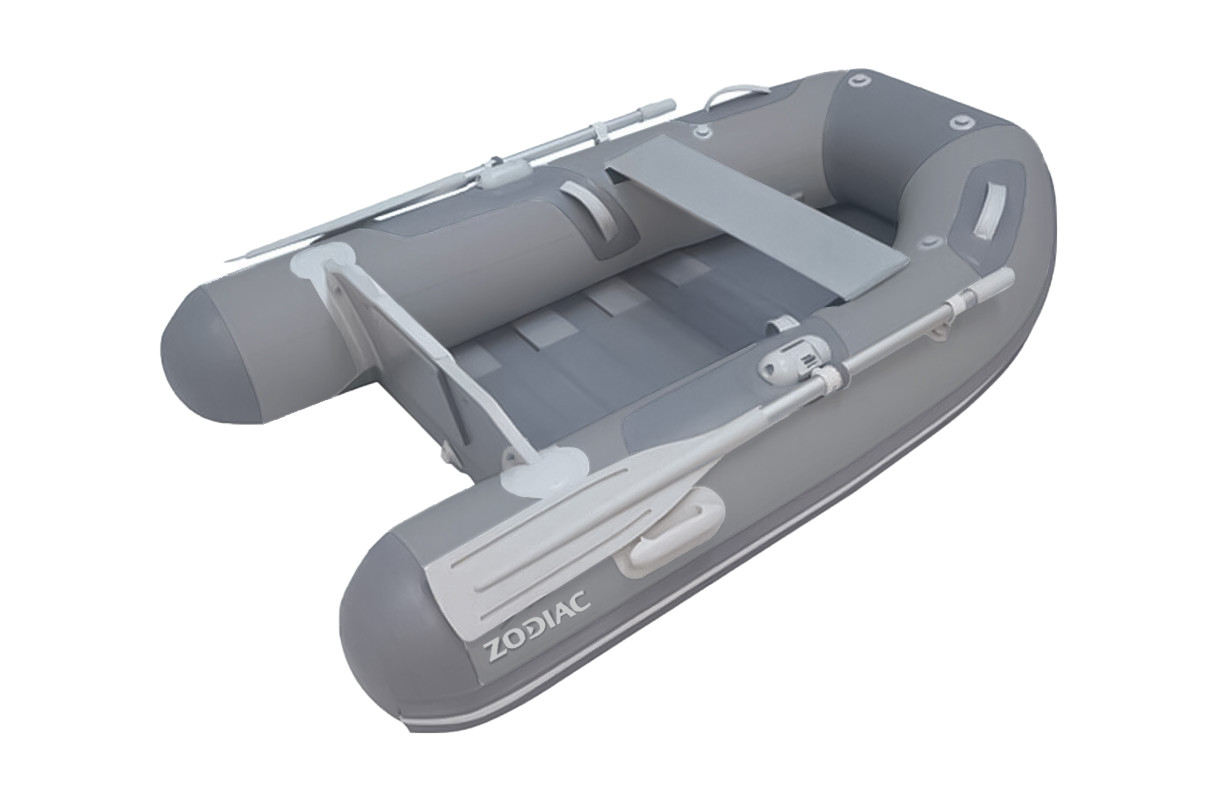
- Protect your kayak—avoid sharp rocks and store it away from the sun.
Credit: www.boatspecialists.com
Where To Learn More
If you’re serious about advanced kayaking skills, check out resources like the American Canoe Association or local paddling clubs. They offer lessons, safety tips, and community support. For technical details on kayak design and rolling, see this Wikipedia article on kayak rolls.
Frequently Asked Questions
What Is The Main Reason Inflatable Kayaks Are Hard To Roll?
The main reason is their wide, flat hull and soft sides. These features make the kayak stable but resist the rolling motion and absorb your energy instead of transferring it to the boat.
Can You Add Accessories To Make Rolling Easier?
Yes, adding thigh straps, a reinforced floor, and a spray skirt can help. However, these upgrades only make rolling slightly easier and don’t guarantee success. The basic shape and flexibility still limit your ability to roll.
Is Rolling An Inflatable Kayak Safe For Beginners?
It’s generally not recommended for beginners. Most will have more success focusing on self-rescue techniques. Attempting to roll without experience can lead to panic or injuries.
Are There Specific Inflatable Models Designed For Rolling?
A few high-end models for whitewater paddling are built with stiffer floors and better cockpit control. Even with these, rolling is much harder than in a hard-shell kayak.
What Should I Do If I Capsize In An Inflatable Kayak?
Stay calm, exit the kayak, and use a self-rescue method like the paddle float or cowboy scramble. Inflatables are stable, so re-entry is usually easier than in a hard-shell kayak.
Kayaking should be fun and safe. While rolling an inflatable kayak is possible in rare cases, it’s not expected or necessary for most paddlers. Focus on good technique, safety, and enjoying the water—no matter what kayak you choose.