
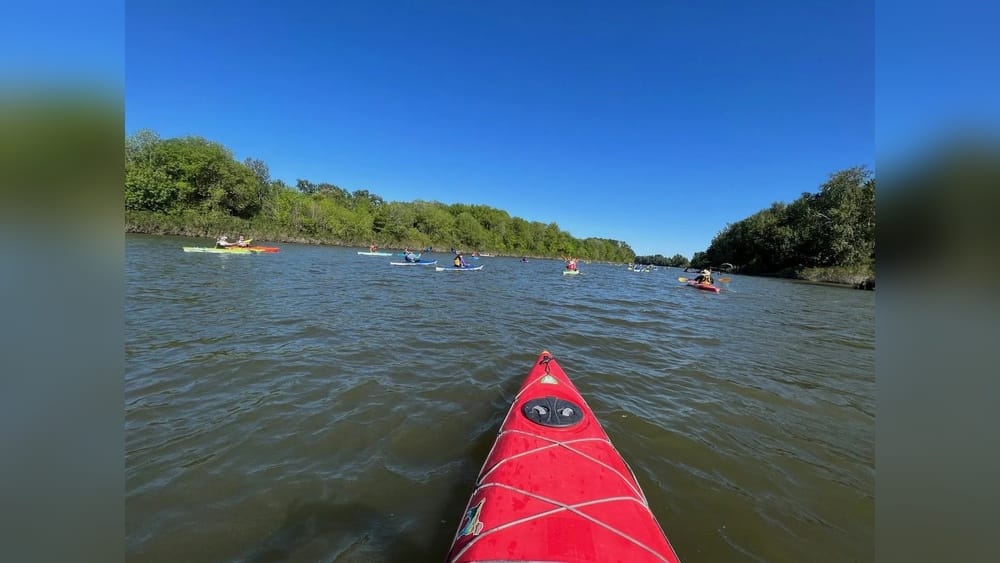
Kayaking is one of the most enjoyable ways to explore rivers, lakes, and even the sea. It gives you a close connection to nature, helps you exercise, and offers a sense of freedom. But before you put your kayak in the water, a question often comes up: Do you need a licence to kayak? The answer is not simple because rules change by country, state, and even the type of water. Many beginners are surprised by the different requirements and the reasons behind them. This article will guide you through everything you need to know about kayaking licences, where they are needed, how to get them, and what happens if you paddle without one.
What Is A Kayaking Licence?
A kayaking licence is a legal permit that allows you to paddle a kayak on certain water bodies. In some places, it is called a permit, pass, or registration. A licence is often required to control boat traffic, protect the environment, and ensure safety on the water. It is not the same as a driving licence or a fishing permit.
In most countries, a kayak licence is not about your skill but about following local rules. For example, you might need a licence to use a canal but not on a lake. Some places need you to register your kayak, especially if it has a motor or is used for commercial trips.
Understanding what counts as a licence in your area is the first step before planning your next kayak adventure.
Where Do You Need A Licence To Kayak?
Rules about kayaking licences are different around the world and can be confusing. Here is a breakdown of key regions and their rules.
United Kingdom
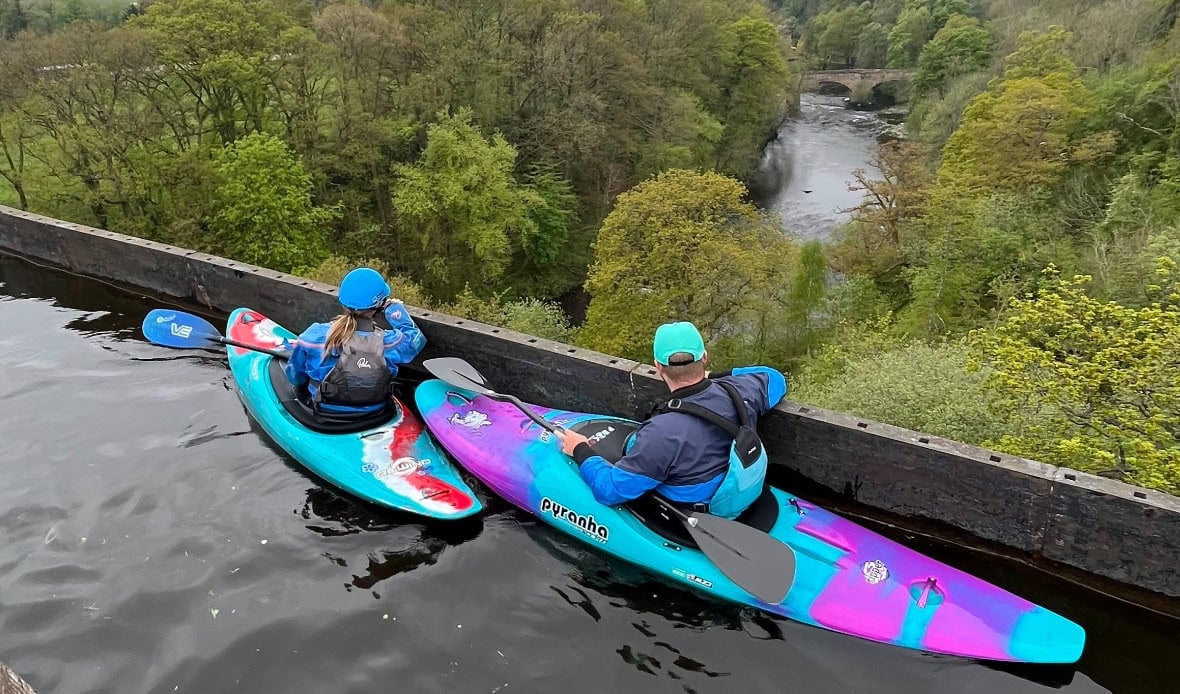
In England and Wales, you need a waterways licence to paddle on most canals and some rivers. This licence is managed by groups like the Canal & River Trust or the Environment Agency. Scotland is different—you do not need a licence for most waters there, thanks to the “right to roam” laws.
United States
Most states in the US do not require a licence to paddle a kayak, but some need boat registration if your kayak has a motor or is longer than a certain length. National parks and some state parks may require a launch permit.
Australia
In Australia, rules change by state. For example, in New South Wales, you do not need a licence for a non-motorised kayak, but registration is needed if you add a motor. In Victoria, most kayaks do not need registration or a licence unless powered.
Europe
Countries like Germany, Austria, and the Netherlands often require a waterways pass for some rivers and canals. In France, a licence is only needed for specific protected areas.
Other Regions
In Canada, a kayak without a motor usually does not need a licence. In Asia and Africa, rules are often less strict, but always check local regulations before paddling.

Credit: www.pa.gov
Why Are Kayaking Licences Required?
The main reasons for a kayaking licence are safety, environmental protection, and waterway management.
- Safety: Licences help control how many boats use busy areas. This reduces the risk of accidents, especially in narrow canals or rivers with heavy traffic.
- Environmental Protection: Some waterways are home to sensitive wildlife and plants. Licences and permits help limit use, so these places are not damaged by overuse.
- Waterway Maintenance: Money from licences helps pay for cleaning, repairs, and other services. It keeps the water safe and enjoyable for everyone.
A common mistake is thinking the rules are only for big boats. In fact, kayaks and canoes are often included in these rules, especially on controlled waterways.
How To Get A Kayaking Licence
Getting a kayaking licence is usually simple, but the steps change by country and water type. Here are the main steps:
- Check the Waterway Authority: Find out who manages the water you want to paddle on. This could be a national agency, a local council, or a club.
- Choose the Right Licence: Some licences cover many rivers and canals, while others are for just one area. For example, the British Canoeing “On the Water” membership covers over 4,500km of waterways in England and Wales.
- Apply Online or In Person: Many licences can be bought online. You may need to give your name, address, and details about your kayak.
- Pay the Fee: Prices vary. For example, in the UK, an annual licence is about £50. In the US, a state boat registration might cost $10 to $30 per year.
- Carry Your Licence: Always keep proof with you, either printed or on your phone. Some areas do spot checks.
Here is a comparison of licence costs and coverage in three popular kayaking countries:
| Country | Licence Type | Average Cost | Covers |
|---|---|---|---|
| UK | British Canoeing | £50/year | 4,500km rivers/canals |
| US (PA) | Boat Registration | $18-26/year | Statewide lakes/rivers |
| Germany | Waterways Pass | €20-40/year | Selected rivers/canals |
Tip: Some clubs include a licence with your membership. This can save money and time.
What Happens If You Kayak Without A Licence?
Kayaking without a licence where one is needed can lead to fines or being told to leave the water. In some places, fines are small (£50–£100), but repeat offenders may pay more. In the US, a ranger could take your kayak off the water until you register it.
More importantly, insurance may not cover you if you have an accident without the right paperwork. Some events or group paddles will not let you join if you cannot show your licence.
A less obvious risk is damaging the reputation of kayakers. When paddlers ignore rules, landowners and local councils may close access to everyone. Following licence rules keeps waterways open for all.
Types Of Kayaks And Licence Needs
Do all kayaks need a licence? The answer depends on the type and how you use it.
Non-motorised Kayaks
Most non-motorised kayaks (the kind you paddle by hand) need a licence only on controlled waters like canals or rivers in some countries. On most lakes, the sea, or in Scotland, you do not need a licence.
Motorised Kayaks
If your kayak has a small motor—even an electric one—you will almost always need to register it and sometimes get a boating licence. This is true in the US, UK, Australia, and most of Europe.
Inflatable Kayaks
Inflatable kayaks are often treated the same as hard-shell models. If the waterway needs a licence for kayaks, it also includes inflatables.
Commercial Kayaks
If you rent out kayaks or lead guided trips, you need a special business or operator licence, and often extra insurance.
Here is a comparison table for different kayak types and typical licence needs:
| Kayak Type | Licence Needed? | Notes |
|---|---|---|
| Non-motorised (private) | Sometimes | Needed on many canals/rivers |
| Motorised | Usually | Registration almost always needed |
| Inflatable | Sometimes | Same rules as hard-shell |
| Commercial use | Yes | Special operator licence needed |
Insight: Some beginners think inflatable kayaks are “toys” and do not need a licence. This is not true—rules are based on waterway use, not the type of kayak.
Credit: paddleuk.org.uk
Exceptions And Special Cases
Not every waterway has the same rules, and there are some exceptions:
- Private Lakes: Owners set their own rules. Some allow free paddling, others ask for permission or a small fee.
- National Parks: Many parks ask for a day permit, even if you do not need a full licence.
- Special Events: Kayak races or group paddles often have their own licence or insurance requirements.
- Youth and Education: In some areas, children under a certain age do not need a licence, or schools can get group permits.
It is always smart to check the latest rules before you travel. Some places update their rules every year.
How To Find Out If You Need A Licence
Many paddlers waste time searching for the right answer online. Here is how to find out quickly:
- Visit the waterway manager’s website: Most have a list of licensed and unlicensed waters. For the UK, try the Canal & River Trust or British Canoeing.
- Ask at local kayak shops: Staff often know the latest rules and can recommend where to get a licence.
- Join a local club: Clubs know the best places to paddle and often include a licence in your membership.
- Look for signs at the launch site: Many launch points have clear signs about permits or licences.
If you are unsure, it is always safer to get a licence or ask before you paddle. Penalties for not having one are much worse than the cost of a permit.

Credit: www.youtube.com
Licence Vs. Registration Vs. Permit
Many people confuse these terms. Here is a quick explanation:
- Licence: Legal permission to paddle on a certain waterway.
- Registration: Listing your boat with a government agency. Needed if your kayak has a motor or is large.
- Permit: Temporary or special permission, often for a day or an event.
Some places use these words in different ways, but the main idea is the same—make sure you have the right paperwork for where you want to paddle.
Here is a summary table:
| Term | Main Use | Typical Duration |
|---|---|---|
| Licence | Use of waterways | Annual/monthly |
| Registration | Motorised kayaks | Multi-year |
| Permit | Special events/parks | Daily/short-term |
Practical Tips For Kayaking Legally
- Always check local rules before you travel. Rules can change quickly.
- Carry your licence or permit with you. Digital copies are often accepted.
- Join a national paddling club. Membership often includes a licence and insurance.
- Respect access points. Use only official launches to avoid trespassing.
- Ask if unsure. Rangers and local clubs are happy to help.
Non-obvious Insights
- Your insurance may not work if you are kayaking without a required licence. Always double-check with your provider.
- Some multi-activity licences let you use a kayak, canoe, paddleboard, or even a rowboat—all in one permit. This is helpful if you use different boats.
For further reading and the latest rules, check the British Canoeing official site.
Frequently Asked Questions
Do I Need A Licence To Kayak On The Sea?
In most countries, you do not need a licence to kayak on the sea. However, some areas near harbors or protected marine parks may have special rules. Always check local guidelines.
Does A Child Need A Separate Kayak Licence?
Children often do not need a separate licence if they are with a licensed adult. Some countries have age limits, so check with the waterway authority.
Is A Fishing Kayak Treated Differently For Licensing?
A fishing kayak is usually treated the same as any kayak. If you use a motor or fish in a protected area, you may need extra permits.
Can I Use My Licence In Other Countries?
Most licences are not valid internationally. You need to get a licence or permit for each country or sometimes each region you want to paddle in.
What Happens If I Lose My Licence While Kayaking?
If you lose your licence, many authorities accept a digital copy on your phone. You can also contact the issuing agency for a replacement.
Kayaking is a wonderful way to enjoy the water, but rules about licences are important to understand. Taking the time to check and follow local laws not only keeps you safe but also protects the sport for everyone. Whether you are new to kayaking or an experienced paddler, always make sure you know the licence requirements before you start your journey.