
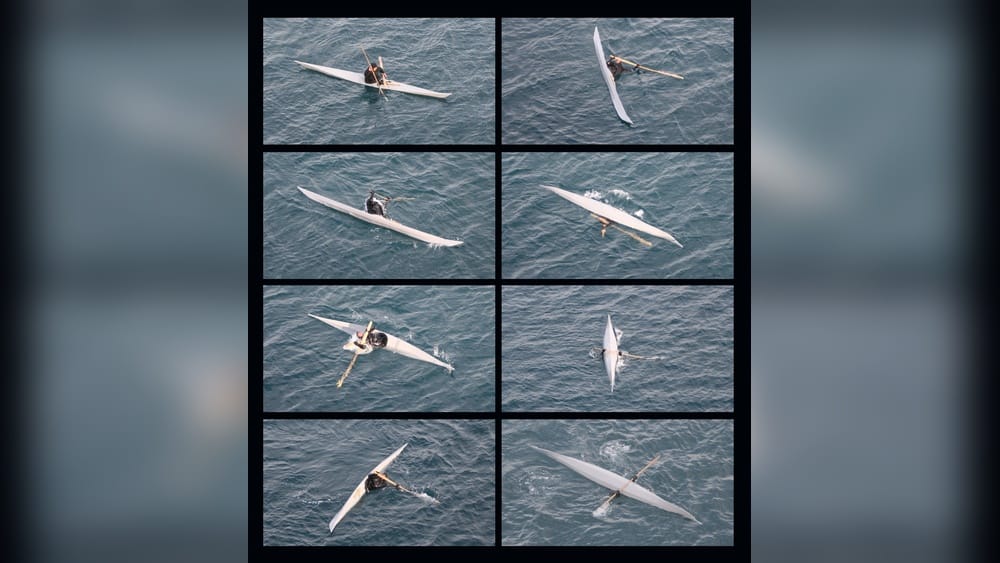
Kayaking is one of the most exciting ways to explore rivers, lakes, and seas. But for many, the idea of flipping over in a kayak is frightening. That’s where learning how to roll in a kayak becomes a game-changer. Being able to roll means you can recover from a capsize without leaving your boat. This skill gives you confidence and opens up adventures in whitewater, sea kayaking, and even surf zones. But mastering the roll is not easy—many paddlers struggle with it for months. This guide will break down every step, share expert tips, and help you learn how to roll safely and successfully.
What Is A Kayak Roll?
A kayak roll is a technique that lets you right your kayak after it flips upside down. Instead of exiting the boat, you use your paddle and body movement to return to the upright position. There are different types of rolls (like the Eskimo roll or C-to-C roll), but the main purpose is always the same: to recover quickly and stay safe.
Rolling is important because it:
- Prevents dangerous swims in cold or rough water
- Keeps you in control of your kayak
- Builds confidence for harder conditions
Most experienced paddlers consider rolling a key safety skill, not just for whitewater, but also for touring on open water.
Essential Gear For Practicing A Kayak Roll
Before you practice rolling, you need the right equipment. Here’s what you must have:
1. Kayak With A Spray Skirt
Your kayak should fit you well and have a snug cockpit rim for the spray skirt, which keeps water out and lets you stay in the boat while upside down.
2. Paddle
A standard whitewater or touring paddle works. Some people use a Greenland paddle for a different feel.
3. Personal Flotation Device (pfd)
Never practice without a well-fitting life jacket.
4. Helmet (for Whitewater)
Protects your head from rocks or the kayak itself.
5. Nose Clips And Goggles
These keep water out, so you can focus on technique rather than discomfort.
6. Wetsuit Or Drysuit
If practicing in cold water, stay warm and safe.
7. A Partner Or Coach
Always practice rolling with a friend who can help if you get stuck.
Having the right gear is not just about safety—it also makes learning easier, so you can focus on movement, not discomfort or danger.

Credit: www.wikihow.com
The Basic Steps Of Rolling A Kayak
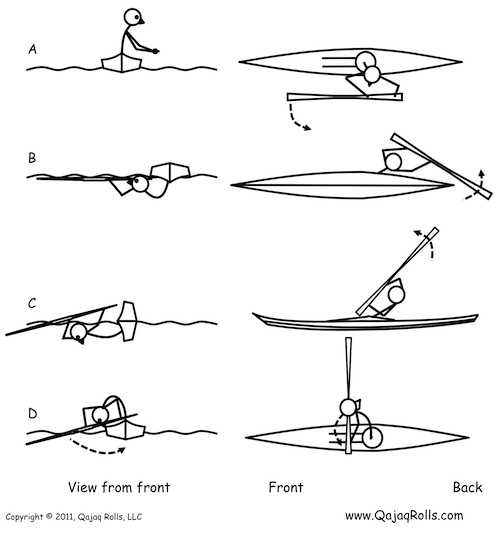
Rolling is both a physical and mental skill. It can feel complicated, but breaking it into steps helps. Here’s a detailed guide to the classic C-to-C roll, which is the most common roll for beginners.
1. Set-up Position
Start by tucking forward, close to the front deck. Your paddle should be on the side you plan to roll toward (usually your strong side). One paddle blade will be near the water’s surface, parallel to the kayak.
- Keep your head down and hands close to the kayak.
- This position protects your face and sets you up for the next move.
2. Capsize And Pause
Let yourself tip over while holding the set-up position. Pause briefly when upside down. Staying calm underwater is key. Many beginners panic, but learning to relax makes everything easier.
3. Sweep The Paddle
Next, sweep the paddle out away from the kayak. The blade should stay near the water’s surface. The sweep creates lift and helps turn your boat upright.
- Use your torso to drive the sweep, not just your arms.
- Keep your head low and eyes on the paddle blade.
4. Hip Snap
This is the heart of the roll. As you sweep, use a hip snap to flip the kayak upright. Your hips drive the motion, not your arms or head.
- Push down hard with your legs and hips on the side you’re rolling toward.
- Your upper body stays relaxed; the power comes from your core.
5. Bringing Your Head Up Last
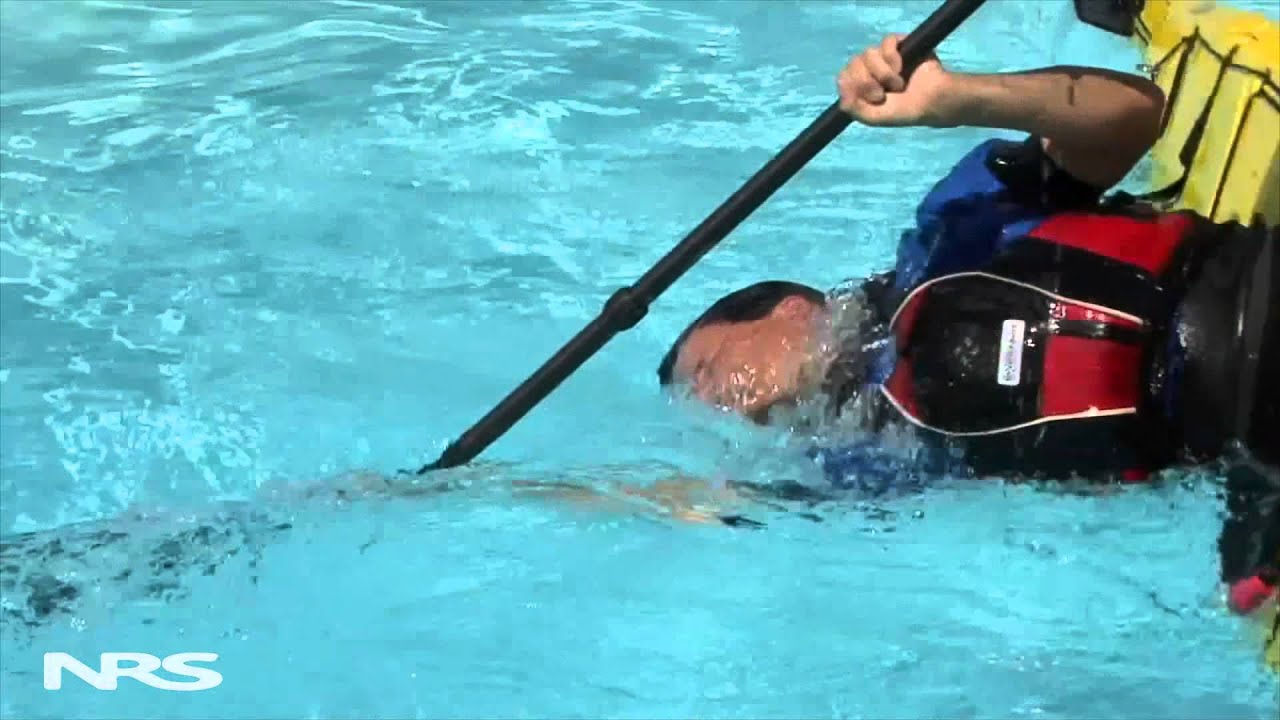
The biggest mistake beginners make is lifting their head too soon. Keep your head down, close to the water, until the kayak is almost upright. Only then bring your head up.
- This keeps your weight low and helps the hip snap work.
- Look at the paddle blade during the entire movement.
6. Return To Paddling Position
Once you are upright, bring your paddle back in front, ready to paddle or brace if needed.
This sequence takes time and muscle memory to master. Practicing each step separately—especially the hip snap—will make learning much faster.
Key Skills To Build Before Rolling
Rolling is easier if you already have some basic kayaking skills. Here’s what to practice:
- Wet Exit: Know how to safely exit your kayak if the roll fails.
- T-rescue: Practice being helped up by a friend’s kayak.
- Bracing: Learn low and high brace techniques for balance.
- Comfort Underwater: Get used to holding your breath and staying calm upside down.
If you rush into rolling without these skills, you may develop bad habits or get scared, slowing your progress.
Common Types Of Kayak Rolls
There are several main rolls. Here’s a comparison of the most popular techniques:
| Roll Type | Best For | Difficulty | Unique Feature |
|---|---|---|---|
| C-to-C Roll | Beginners, whitewater | Medium | Strong hip snap, clear steps |
| Sweep Roll | Sea kayaking, whitewater | Medium | Long paddle sweep for support |
| Back Deck Roll | Advanced, freestyle | Hard | Rolls from back, fast recovery |
| Hand Roll | Experts, without paddle | Very Hard | No paddle needed |
Most people start with the C-to-C or Sweep roll. Master one before trying more advanced techniques.
Step-by-step Guide: C-to-c Roll
Let’s break the C-to-C roll into more detail, with tips for each stage.
1. Set-up
- Lean forward and twist your body so your chest is close to the front deck.
- Paddle is held across the kayak, with the leading blade near the water’s surface.
- Your lower (control) hand is near the cockpit; the top hand is out over the water.
2. Capsize
- Tip over on your chosen side.
- Stay calm, holding your set-up.
3. Sweep
- Sweep the paddle away from the boat, keeping the blade flat on the water.
- The sweep should be a wide arc, not a short push.
4. Hip Snap
- At the end of the sweep, use your lower body to rotate the kayak upright.
- Focus on driving your knee and hip up on the rolling side.
5. Finish
- Keep your head down until the kayak is upright.
- Roll your body onto the back deck, then sit up.
Tips For Success
- Practice hip snaps separately, holding onto the pool edge or a friend’s kayak.
- Use a mirror or video to check your head position.
- Exhale slowly to avoid panic while underwater.
Credit: qajaqrolls.com
Common Mistakes And How To Fix Them
Even experienced paddlers make errors while rolling. Here are the most frequent problems and solutions.
1. Lifting The Head Too Soon
If your head comes up before your hips finish snapping, the kayak won’t roll. Practice keeping your head down until you feel the boat is upright.
2. Using Arms Instead Of Hips
Rolling is a lower-body skill. If your arms are tired, you’re doing too much with your paddle. Focus on the hip snap.
3. Poor Paddle Angle
If the paddle dives underwater or skips off the surface, check your wrist and blade angle. The blade should stay flat on the water’s surface.
4. Rushing
Going too fast creates confusion. Slow down each step to build muscle memory.
5. Not Relaxing Underwater
Panic ruins technique. Practice being upside down until you’re comfortable.
Comparing Progress: How Long Does It Take To Learn?
Learning to roll varies by person. Here’s a general idea based on paddler surveys:
| Practice Sessions | Success Rate (%) | Notes |
|---|---|---|
| 1-3 sessions | 20% | Usually for those with coaching |
| 4-10 sessions | 60% | Most paddlers succeed here |
| 11+ sessions | 20% | Some need more time; don’t give up |
A key insight: Progress is not always steady. You may fail for many tries, then suddenly “get it.” Consistency and patience are critical.
Practical Tips For Faster Progress
- Practice in a pool first. Warm, clear water removes distractions.
- Get professional coaching. Even one or two lessons can fix bad habits early.
- Film your practice. Watching yourself reveals mistakes you can’t feel.
- Try both sides. Rolling on your “off side” builds confidence and balance.
- Rest if frustrated. Fatigue and stress make learning harder.
One thing most beginners miss: Rolling is not about strength. Flexibility, timing, and relaxation matter more.
Credit: www.youtube.com
Safety Precautions While Learning To Roll
Rolling practice carries risks. Stay safe by following these rules:
- Always practice with a partner or instructor.
- Wear a PFD and helmet if outdoors.
- Know the water depth—avoid shallow areas where you could hit your head.
- Take breaks to avoid dizziness or fatigue.
- If you feel panicked, exit the boat immediately.
Never practice alone. Even strong swimmers can become trapped or disoriented.
Advanced Rolling: When And How To Progress
Once you can roll reliably in calm water, try:
- Rolling in moving water: Rivers add current, so timing becomes important.
- Rolling with obstacles: Practice near rocks or logs (with safety spotters).
- Rolling in surf or open water: Waves require strong bracing and timing.
Advanced rolls (like the back deck roll or hand roll) should only be attempted after mastering basics. These techniques are useful for playboating or extreme conditions but require more skill.
Real-world Applications: Why Rolling Matters
Rolling is more than a trick. In real paddling, it:
- Lets you explore harder rivers or sea conditions safely.
- Reduces the risk of hypothermia by avoiding cold water swims.
- Makes you a better group member—others can trust you to self-rescue.
- Opens new styles of kayaking (like surf or freestyle).
A strong roll is often required for advanced courses or expeditions.
Comparing Rolling Vs. Wet Exits
Some paddlers ask: Is rolling always better than a wet exit? Here’s a comparison to clarify:
| Method | Time to Recover | Water Exposure | Risk | When to Use |
|---|---|---|---|---|
| Roll | 2-5 seconds | Minimal | Low if successful | Preferred for all skill levels |
| Wet Exit | 20-60 seconds | High | Medium (cold, obstacles) | When roll fails or for beginners |
Rolling is almost always safer and faster, but a reliable wet exit is essential as a backup.
Frequently Asked Questions
How Long Does It Take To Learn To Roll A Kayak?
For most people, it takes between 4 and 10 practice sessions to learn a reliable roll, especially with good instruction. Some learn faster, but it’s normal to need patience and repetition.
Is Rolling A Kayak Dangerous?
Rolling is safe if practiced with the right safety gear and a partner. Most injuries happen when people practice alone or in shallow water. Always prioritize safety and never force yourself if you feel panicked.
Do I Need To Be Strong To Roll A Kayak?
No, strength is less important than technique. Flexibility and timing matter more. Many smaller paddlers roll more easily than strong ones because they focus on hip movement, not arm power.
Which Type Of Roll Should I Learn First?
Most beginners start with the C-to-C roll or Sweep roll. These are reliable and work for both whitewater and sea kayaking. Master one before moving to advanced rolls.
Where Can I Find More Resources On Rolling?
You can find detailed tutorials, videos, and step-by-step guides on the Wikipedia Kayak Roll page. Local paddling clubs and certified instructors are also great resources.
Kayak rolling is a journey, not just a skill. With patience, practice, and good instruction, you’ll unlock new adventures and paddle with greater confidence. Remember: every expert was once a beginner—stick with it, and your roll will come.