
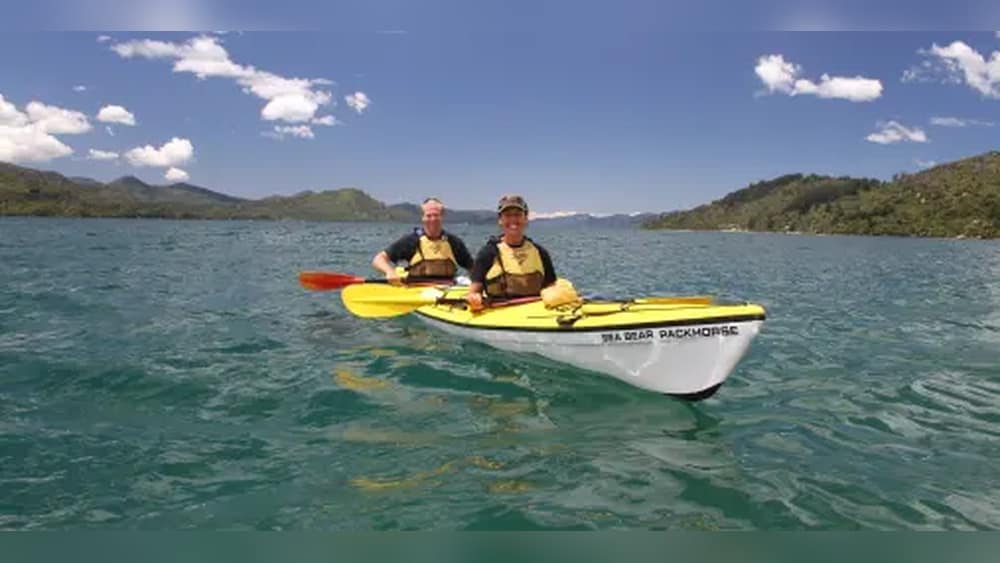
Kayaking is often seen as an adventurous water sport, but many people who can’t swim wonder if it’s safe for them. The image of a small boat on a wide river can feel risky, especially if you’re not comfortable in water.
However, kayaking is more accessible than most think—even for non swimmers. With the right steps, gear, and knowledge, almost anyone can enjoy this activity safely.
This article takes a close look at whether kayaking is safe for non swimmers. You’ll learn about real risks, key safety tips, and how non swimmers can build confidence on the water. We’ll also cover what you need to know about choosing the right kayak, using safety equipment, and what to do in an emergency. By the end, you’ll have a clear understanding of how non swimmers can try kayaking with less fear and more fun.
Understanding The Risks For Non Swimmers
It’s important to be honest: kayaking has risks. For people who don’t swim, the main danger is falling into the water and not being able to get back to the kayak or stay afloat.
Key risks include:
- Capsizing (the kayak flipping over)
- Getting stuck under the kayak
- Cold water shock, which can make breathing hard
- Panic, which often leads to bad decisions
Statistics show that most serious kayak accidents involve not wearing a life jacket or ignoring weather warnings. According to the U.S. Coast Guard, over 80% of kayaking deaths are from drowning, and most victims were not wearing life jackets. This shows how much safety gear and preparation matter, especially for non swimmers.
However, many beginners miss a crucial point: most kayaking trips happen on calm, shallow water where you can stand up if you fall in. Also, with the right kayak and safety habits, the chance of an accident is much lower.
Why Kayaking Is Still Possible For Non Swimmers
You might be surprised to learn that many non swimmers try kayaking every year. The key is understanding how kayaking works and using the right safety steps.
Kayaks are designed to float, even if they tip over. Modern kayaks have a stable shape, and sit-on-top models are especially hard to sink. This makes them suitable for beginners and non swimmers.
There are also beginner classes, guided tours, and calm-water routes designed for people with little or no swimming skills. Many kayak rental shops ask if you can swim, and if not, they make extra sure you get safety instructions.
A non-obvious insight: confidence is often a bigger problem than swimming ability. Many non swimmers do well in kayaks because they stay calm, listen to guides, and don’t take risks. Swimmers, on the other hand, sometimes take unnecessary chances.

Credit: theworldbook.org
Choosing The Right Kayak For Non Swimmers
Not all kayaks are the same. Picking the right one is critical for safety and comfort if you don’t swim.
Here’s a comparison of common kayak types:
| Kayak Type | Stability | Ease of Use | Recommended for Non Swimmers? |
|---|---|---|---|
| Sit-on-top | High | Very easy | Yes |
| Sit-inside | Medium | Moderate | Maybe |
| Inflatable | High (good models) | Easy | Yes |
| Whitewater | Low | Hard | No |
Sit-on-top kayaks are the best choice for non swimmers. They are wide, stable, and if you fall off, you can climb back on easily. Inflatable kayaks are also a good choice if you buy a well-made one. Avoid narrow, whitewater, or racing kayaks, as they are tippy and need skill to control.
A common mistake is choosing a kayak just because it looks cool. Stability and ease of entry/exit are much more important for non swimmers.
Essential Safety Equipment
Wearing the right gear can make kayaking much safer, even for non swimmers. Never skip these items:
- Life Jacket (PFD): Always wear a properly fitted life jacket. Look for one made for kayaking—it should fit snugly but not restrict movement.
- Helmet: Important if you’re kayaking near rocks or in fast water. For flatwater, it’s not always needed.
- Whistle: For calling help if needed.
- Bright Clothing: Makes you easy to spot.
- Dry Bag: Keeps your phone and valuables safe.
- Water Shoes: Protect your feet from sharp rocks or glass.
Here’s a quick look at why a good life jacket matters:
| Life Jacket Type | Buoyancy (lbs) | Use | Comfort for Non Swimmers |
|---|---|---|---|
| Type I (Offshore) | 22+ | Rough water | Bulky |
| Type II (Near-shore) | 15.5 | Calm water | Good |
| Type III (Recreational) | 15.5 | General kayaking | Best |
Type III life jackets are most comfortable for kayaking and keep you afloat if you fall in, even if you can’t swim.
How To Prepare Before Your First Kayak Trip
Preparation is the real secret for non swimmers to kayak safely.
- Take a lesson: Find a local kayaking class for beginners. You’ll learn basic paddling and safety steps.
- Practice in shallow water: Start in water where you can stand up. Practice getting in and out of the kayak, and what to do if you fall off.
- Go with a guide or friend: Never paddle alone, especially at first. Go with someone who knows what to do if there’s a problem.
- Check weather and water conditions: Avoid windy, stormy, or fast-moving water. Calm, clear lakes are best for beginners.
- Plan a short trip: Start with a 30-60 minute paddle close to shore.
Non swimmers often overlook the value of mental preparation. Imagine yourself staying calm if you fall in, and rehearse what you’ll do. This mental “practice” can help you avoid panic if something goes wrong.
On The Water: Key Safety Tips For Non Swimmers
When you’re on the water, follow these rules to stay safe:
- Wear your life jacket at all times. Don’t take it off, even for a photo.
- Keep your phone in a waterproof bag and know how to call for help.
- Stay close to shore. Don’t paddle far out or into deep water.
- Avoid standing up or leaning too far in the kayak.
- Watch for weather changes. If you see dark clouds or strong wind, head back immediately.
- Listen to your body. If you feel tired or nervous, take a break.
One thing beginners miss: never tie yourself to your kayak. Some people use ropes “just in case,” but this is dangerous if the kayak flips.

Credit: coloradowhitewaterrafting.com
What To Do If You Fall In
Falling in is scary for non swimmers, but it doesn’t have to be dangerous if you follow these steps:
- Stay calm and face up. Your life jacket will keep you floating.
- Hold onto your paddle and kayak. Most kayaks float, so use them for support.
- Kick your legs gently to move back to the kayak or toward shore.
- Climb back on if it’s a sit-on-top kayak. Get your chest over the seat, then swing your legs on.
- Call for help if you can’t get back in.
Practicing “wet exits” (falling in and getting back in) in shallow water is a great way to reduce fear. Many kayak instructors include this in their classes.
A non-obvious tip: If you panic, blow your whistle. This not only calls for help but also reminds you to focus on your breath and calm down.
The Role Of Swimming Skills In Kayaking
Many people think you have to be a strong swimmer to kayak. The truth is, basic swimming helps, but is not essential if you follow safety rules.
Here’s what helps:
- Floating on your back
- Kicking to shore or to your kayak
- Staying calm in water
However, you don’t need to swim laps or dive underwater. If you want to build confidence, consider taking an adult beginner swim class. Even learning to float with a life jacket can make a big difference.
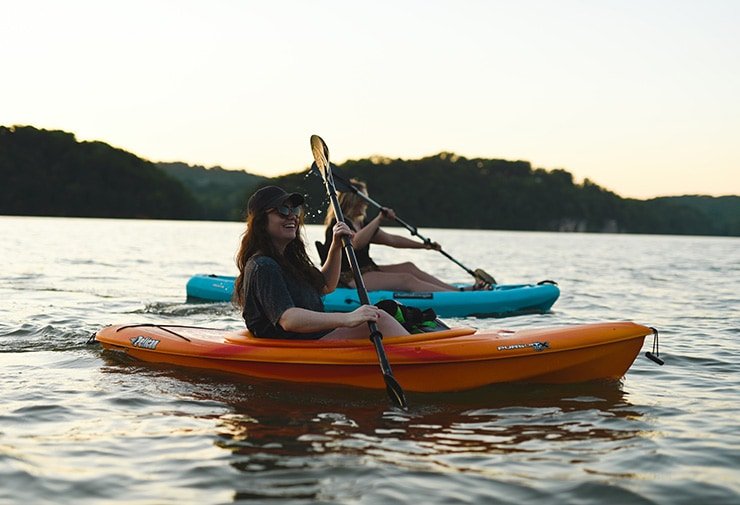
Credit: www.kayakscout.com
Common Mistakes Non Swimmers Make
Avoid these errors to stay safe:
- Skipping the life jacket: Even shallow water can be risky.
- Ignoring safety briefings: Listen closely to guides and instructors.
- Choosing the wrong kayak: Pick wide, stable models.
- Paddling in rough weather: Even small waves can be hard to handle.
- Going alone: Always paddle with others, especially at first.
People often think, “It won’t happen to me. ” But accidents can happen to anyone, even experienced paddlers. Respect the water, and you’ll enjoy kayaking much more.
Building Confidence As A Non Swimmer
Confidence is the biggest hurdle for most non swimmers. Here’s how to build it step by step:
- Start small: Try sitting in a kayak on dry land first.
- Practice in a swimming pool: Some clubs offer indoor sessions.
- Celebrate each success: Every short trip or skill learned builds confidence.
- Learn from others: Watch videos, join beginner groups, and ask questions.
Many successful kayakers started as non swimmers. The key is practice, patience, and always using proper safety gear.
When Kayaking Is Not Safe For Non Swimmers
There are times when non swimmers should avoid kayaking:
- Whitewater rivers: Fast-moving water is too risky.
- Strong winds or storms: Hard to control the kayak and risk of capsizing.
- Cold water below 60°F (15°C): Risk of cold shock, even with a life jacket.
- No supervision: Don’t go alone or without a guide in new places.
If you’re ever unsure, wait for better conditions or ask an expert.
Kayaking With Children Or Family Members Who Can’t Swim
Kayaking is a fun family activity, but extra care is needed if kids or family members are non swimmers.
- Use child-sized life jackets that fit snugly.
- Pick calm, shallow areas with little or no current.
- Assign one adult per child for supervision.
- Practice what to do if someone falls in before you launch.
Never let children kayak alone, and always stay close to shore.
Data And Studies On Kayaking Safety
Research supports the importance of safety gear. The American Canoe Association reports that wearing a life jacket reduces the risk of death in kayak accidents by over 70%. In most incidents, the cause was not the inability to swim, but not wearing a PFD or ignoring safety advice.
A 2019 study found that beginners who took a two-hour safety class had 80% fewer accidents than those who didn’t. This shows the value of proper training and preparation for all, especially non swimmers.
For more safety statistics and recommendations, you can read the U.S. Coast Guard Boating Safety Reports.
Frequently Asked Questions
Can A Non Swimmer Go Kayaking Alone?
It’s not recommended. Non swimmers should always kayak with a friend or guide, especially in the beginning. This adds safety if you fall in or need help.
What Is The Best Type Of Kayak For Non Swimmers?
Sit-on-top kayaks are best for non swimmers. They are wide, stable, and easy to climb back onto if you fall off.
Should Non Swimmers Take A Swimming Lesson Before Kayaking?
It’s helpful but not required. Learning to float or kick to shore while wearing a life jacket can boost your confidence and safety.
What Should I Do If I Fall Out Of The Kayak And Can’t Swim?
Stay calm, keep your life jacket on, and hold onto your kayak. Use your whistle to call for help and gently kick toward the kayak or shore.
Are Kayaking Tours Safe For Non Swimmers?
Most guided tours are safe for non swimmers, especially those on calm water. Always tell your guide you can’t swim, and follow their instructions closely.
Kayaking can be a safe and enjoyable adventure for non swimmers if you prepare well, use the right gear, and respect the water. With the right mindset and habits, you can discover a new hobby and enjoy nature without fear.