
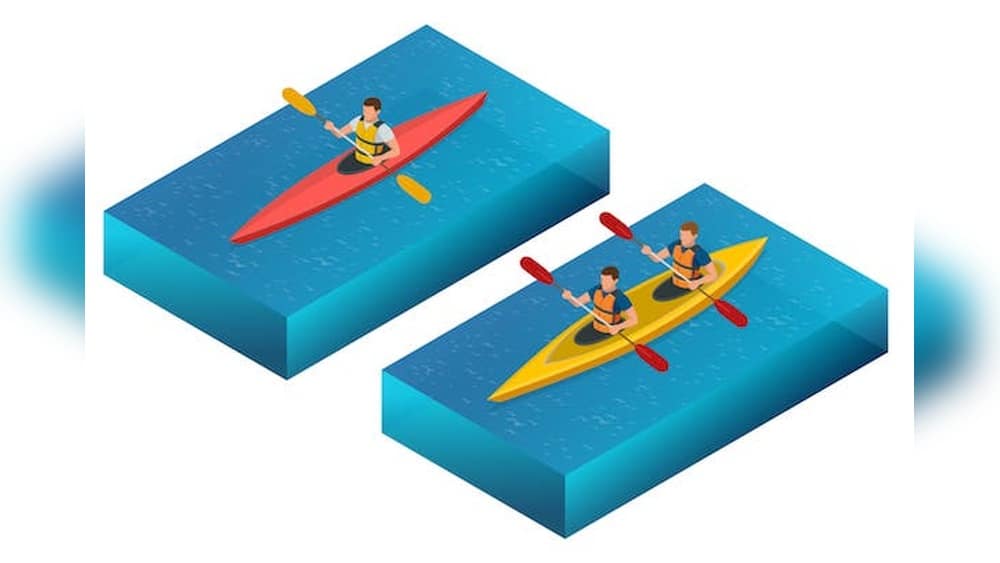
Kayaking is more popular than ever, attracting people of all ages and skill levels. Whether you want to enjoy a peaceful day on a calm lake or challenge yourself on fast-moving rivers, kayaking offers adventure, fitness, and relaxation. One of the most common questions for beginners and even experienced paddlers is: Should I choose a tandem kayak or a single kayak? This choice affects your experience on the water, your safety, and even your relationship with your paddling partner. Both types have unique strengths, weaknesses, and ideal uses. If you want to make the right decision for your next kayaking trip, it’s important to understand the differences and how they will affect your journey.
What Is A Single Kayak?
A single kayak is designed for one person. The paddler sits in the cockpit (or on top, in the case of sit-on-top models) and controls the kayak alone. Single kayaks come in various shapes and lengths, from short recreational models to long, narrow sea kayaks.
Single kayaks are usually lighter and easier to carry. The average single recreational kayak is between 9 and 12 feet long and weighs around 35 to 50 pounds. This makes it possible for one person to transport, launch, and store the kayak without help.
Key Features Of Single Kayaks
- Solo paddling: Designed for one person
- Lightweight: Easier to move and store
- More control: One person manages direction and speed
- Narrower shape: Often faster and more agile
Common Uses
Single kayaks are ideal for solo adventures, exercise, fishing, and anyone who wants full control of their trip. They are also popular for people who like to explore at their own pace or prefer to paddle alone for relaxation.
What Is A Tandem Kayak?
A tandem kayak is made for two people. Both paddlers sit one behind the other, working together to move and steer the kayak. Tandem kayaks are longer and heavier than single kayaks. Typical models are 12 to 18 feet long and can weigh 60 to 90 pounds.
Tandem kayaks are often called “double kayaks. ” They are designed to keep two paddlers stable and comfortable, even if their skill levels are different. Some tandem kayaks can also be converted for solo use by changing seat positions.
Key Features Of Tandem Kayaks
- Two paddlers: Seats for two people, sometimes with space for a child or pet
- Heavier and longer: Requires teamwork to transport and carry
- Shared control: Both paddlers contribute to speed and steering
- Very stable: Wider and harder to tip
Common Uses
Tandem kayaks are great for couples, families, friends, and anyone who wants to share the paddling experience. They are excellent for longer trips, group outings, or when one person is less experienced.
Credit: www.blazinpaddles.com
Tandem Vs Single Kayak: Side-by-side Comparison
Choosing between a tandem and a single kayak depends on many factors. Let’s compare the most important points side by side for a clear picture.
| Feature | Single Kayak | Tandem Kayak |
|---|---|---|
| Capacity | 1 person | 2 people (sometimes 2+1 child/pet) |
| Length | 9-12 feet (recreation) | 12-18 feet |
| Weight | 35-50 lbs (average) | 60-90 lbs (average) |
| Portability | Easy for one person | Requires two people or a cart |
| Speed | Faster for solo paddler | Can be faster with two strong paddlers |
| Stability | Less stable than tandems | Very stable, good for beginners |
| Skill Required | More skill for balance | Easier for beginners with help |
| Cost | Lower (usually $300–$900) | Higher (usually $600–$1600) |
| Storage | Needs less space | Needs more storage space |
As you can see, both have clear advantages and disadvantages. Your choice depends on your personal needs and paddling style.
Advantages Of Single Kayaks
Single kayaks offer freedom and flexibility. For many paddlers, this is the most important factor. Here’s a closer look at the key benefits:
1. Full Control
With a single kayak, you set the pace, direction, and stops. There’s no need to coordinate with anyone else. This can be especially important for advanced paddlers who want to challenge themselves or for those who enjoy exploring alone.
2. Easier Transport And Storage
Single kayaks are lighter and shorter. This means one person can usually load, unload, and carry the kayak without help. If you have a small car or limited garage space, a single kayak is often the best choice.
3. More Agile And Faster (for One)
Solo kayaks, especially narrow touring or sea kayaks, are designed for speed and quick turns. If you want to cover long distances or paddle in tight spots, a single kayak can be much easier to handle.
4. Lower Cost
A single kayak usually costs less than a tandem model. Entry-level single kayaks start around $300–$400, while most tandems cost at least $600–$700. You’ll also spend less on accessories like paddles and life jackets.
5. Best For Solo Trips
If you like solo adventures, a single kayak is the clear winner. You can launch whenever you want, paddle as far as you like, and enjoy peace and quiet on the water.
6. Easy To Learn
For many beginners, starting in a single kayak helps develop balance and paddling skills. You learn to manage the kayak on your own, which builds confidence for future trips.
Non-obvious Insight
Some advanced paddlers use single kayaks because they can practice self-rescue techniques more easily. This is an important skill for anyone who plans to kayak in remote or rough areas.
Advantages Of Tandem Kayaks
Tandem kayaks are all about sharing the experience. They offer a very different paddling style and some unique advantages:
1. Great For Beginners And Families
A tandem kayak is stable and forgiving. New paddlers can learn from a more experienced partner, making it easier to get started. This is especially useful for families with children or for couples where one person is less confident.
2. Shared Effort
Paddling together means you can cover more distance with less energy. If one person gets tired, the other can take over. This makes tandem kayaks a good choice for longer trips or for people with different fitness levels.
3. Social Experience
Kayaking is more fun for many people when shared. In a tandem, you can talk, laugh, and work together. This strengthens relationships and makes memories.
4. Carry More Gear
Tandem kayaks have more space for equipment, food, and even pets. This is important for camping trips or fishing outings where you need to bring extra supplies.
5. Very Stable
Tandem kayaks are wider and sit lower in the water. This makes them hard to tip and safer for children or beginners. Some models even allow a third seat for a small child or pet.
6. Good Value For Two
While a tandem kayak costs more than a single, it can be less expensive than buying two singles. This is a smart option for couples or friends who always paddle together.
Non-obvious Insight
Some tandem kayaks can be paddled solo by moving the seat to the center. This is a flexible feature that many beginners overlook when shopping.
Disadvantages Of Single Kayaks
Single kayaks aren’t perfect for everyone. Here are the main drawbacks to consider:
1. Paddling Alone
Some people find solo kayaking lonely, especially on long trips. If you want company or need help with navigation or emergencies, a single kayak might not be the best choice.
2. Limited Gear Space
Single kayaks have less storage room for equipment, food, or camping gear. This can be a problem on overnight trips.
3. Harder For Beginners
It takes balance and coordination to paddle a single kayak. Beginners may feel unstable or nervous, especially in rough water.
4. Can’t Share Paddling
You are fully responsible for moving and steering the kayak. If you get tired or injured, there’s no one to help.

Credit: www.youtube.com
Disadvantages Of Tandem Kayaks
While tandem kayaks have many benefits, they also have some clear downsides:
1. Less Freedom
In a tandem kayak, both paddlers must work together. If you and your partner have different goals, speeds, or energy levels, this can be frustrating.
2. Harder To Transport
Tandem kayaks are long and heavy. You’ll usually need two people (or a kayak cart) to move and launch the boat. Storing a tandem kayak is also more difficult, especially in small homes.
3. More Expensive
Tandem kayaks cost more than single kayaks. Accessories like paddles and life jackets for two people add to the total price.
4. Coordination Required
Both paddlers need to sync their strokes. If you’re out of rhythm, the kayak can turn in circles or move slowly. This can be a challenge for beginners or families with young children.
5. Can Be Boring For Experienced Paddlers
If one paddler is much stronger or more skilled, they may get bored or frustrated. Tandem kayaks work best when both paddlers are happy with the same pace and route.
Non-obvious Insight
Many beginners assume a tandem kayak will always be easier. In reality, poor communication or mismatched skill levels can make the trip stressful.
Who Should Choose A Single Kayak?
A single kayak is the best choice for:
- Solo adventurers who like independence
- Fitness paddlers who want a workout
- Anglers who need a compact kayak for fishing
- Travelers with limited storage or transport space
- People with more experience who want to develop skills
For example, if you plan to paddle alone on local lakes after work, a single kayak is ideal. You can quickly load your kayak, hit the water, and enjoy the sunset.
Who Should Choose A Tandem Kayak?
A tandem kayak works best for:
- Couples who enjoy activities together
- Families with young children or pets
- Beginners who want to learn from a partner
- Long-distance paddlers who need extra storage
- Groups who only have space for one kayak
Imagine you want to spend a weekend camping on an island with your partner. A tandem kayak gives you plenty of space for supplies and lets you split the paddling work.
Key Factors When Deciding
Before you choose, think about these important points:
1. Who Will You Paddle With?
If you plan to paddle alone most of the time, a single kayak makes sense. If you always go with a partner, a tandem is better.
2. Where Will You Kayak?
Narrow rivers and small lakes are easier to navigate with a single kayak. Large lakes and open water are safer with a stable tandem, especially for beginners.
3. How Much Gear Will You Bring?
Camping or fishing trips require more storage space. Tandem kayaks can carry extra equipment, while single kayaks are best for day trips.
4. Your Budget
Tandem kayaks are more expensive, both for the kayak and the accessories. If you’re on a budget, compare both options carefully.
5. Transportation And Storage
A single kayak is easier to move and store. Tandems require more planning, a larger vehicle, or a kayak trailer.

Credit: rideandpaddle.com
Real-world Scenarios: Which Kayak Is Better?
To make your choice clearer, let’s look at some common kayaking situations:
Scenario 1: Weekend Lake Trip
You want to paddle on a quiet lake, enjoy nature, and maybe fish. You’re alone or with a friend who may not paddle often.
- Best choice: Single kayak for solo, tandem if you want to share the trip.
Scenario 2: Family Adventure
You have young children or a dog. Safety and stability are important.
- Best choice: Tandem kayak with extra seating.
Scenario 3: Fitness And Speed
You want to kayak for exercise, cover long distances, and improve your skills.
- Best choice: Single kayak (especially a touring model).
Scenario 4: Camping Or Multi-day Trip
You and a partner want to carry a tent, food, and supplies for a weekend.
- Best choice: Tandem kayak for maximum storage and shared effort.
Scenario 5: Exploring Narrow Rivers
You enjoy exploring winding rivers with tight turns.
- Best choice: Single kayak for better control and agility.
Tandem Vs Single Kayak: Performance And Handling
Let’s see how both types handle in real situations. This will help you predict what to expect.
| Condition | Single Kayak | Tandem Kayak |
|---|---|---|
| Calm water | Easy to paddle, fast | Stable, good for beginners |
| Rough/choppy water | Requires skill for balance | Very stable, safer for two |
| Narrow spaces | Highly maneuverable | Harder to turn, needs more space |
| Long distance | Good for fit solo paddlers | Effort shared, less tiring |
| Solo rescue | Practice self-rescue easily | Harder to re-enter alone |
Non-obvious insight: Many paddlers don’t realize that re-entering a tandem kayak from deep water is much harder for one person. If safety is a concern and you may need to rescue yourself, a single kayak is safer.
Tandem Vs Single Kayak: Maintenance And Upkeep
Maintenance is often overlooked, but it matters:
- Single kayaks are easier to clean, dry, and store. Repairs cost less due to smaller size and weight.
- Tandem kayaks need more space to dry and may require two people to flip or move for cleaning. If you damage a tandem, repairs are usually more expensive.
Also, transporting a tandem kayak may scratch your car or roof rack if you don’t have help.
Common Myths About Tandem And Single Kayaks
It’s easy to find misleading advice online. Here are facts about some common myths:
- Myth: Tandem kayaks are always slower.
- Fact: With two strong paddlers, tandems can be faster than singles.
- Myth: Beginners should never start with a single kayak.
- Fact: Many beginners learn balance faster in a single kayak.
- Myth: You can’t paddle a tandem kayak alone.
- Fact: Some tandems allow solo paddling if you adjust the seat.
- Myth: Tandems are only for couples.
- Fact: Families, friends, and even strangers can enjoy tandem kayaking.
Tips For First-time Buyers
- Test both types before you buy if possible. Many rental shops allow you to try different kayaks.
- Check the weight to make sure you can lift and carry it.
- Measure your storage area at home or in your car.
- Consider future needs. If you might paddle alone and with friends, look for a convertible tandem.
- Read reviews and ask experts at your local kayak shop for advice.
If you want more details about kayak design and safety, the Wikipedia page on kayaks has in-depth information.
Frequently Asked Questions
What’s The Main Difference Between A Tandem And A Single Kayak?
A single kayak is for one paddler and offers more control and agility. A tandem kayak seats two people, is more stable, and is best for sharing the experience.
Can One Person Paddle A Tandem Kayak Alone?
Some tandem kayaks are designed for solo paddling by moving the seat to the center. However, solo paddling a tandem is usually harder due to extra length and weight.
Which Is Safer For Beginners: Tandem Or Single Kayak?
Tandem kayaks are usually more stable and forgiving, making them safer for beginners, especially if paddling with someone experienced.
Are Tandem Kayaks More Expensive Than Single Kayaks?
Yes, tandem kayaks generally cost more than single kayaks. However, they can be cheaper than buying two single kayaks if you plan to paddle with a partner.
What Is The Best Kayak For Fishing?
Both types can be used for fishing, but single fishing kayaks are more common due to better maneuverability and easier solo use. Tandems are good for bringing a friend or extra gear.
Choosing between a tandem and a single kayak is a personal decision. Think about your goals, your paddling partners, and where you plan to kayak. Try both types if you can, and remember: the best kayak is the one that gets you on the water and lets you enjoy the adventure.