
Kayaking is a sport and hobby that brings people close to water, nature, and adventure. When you start learning about kayaks, you quickly find two main types: K1 kayaks and K2 kayaks. These names sound technical, but they simply refer to how many people paddle in the kayak. K1 means a kayak for one person, while K2 is for two people. Both types are popular for racing, touring, and recreational paddling. Choosing between them depends on your goals, skill level, and the experience you want on the water.
In this article, you will discover the differences between K1 and K2 kayaks. You will learn about their design, performance, safety, and best uses. If you are thinking about buying your first kayak, or just want to understand which type suits you better, this guide will help you make the right choice. Whether you are a solo adventurer or want to paddle with a friend, you will find clear explanations and practical advice here. Let’s dive into the world of K1 vs K2 kayaks and see which one fits your paddling dreams.
What Are K1 And K2 Kayaks?
Kayaks are small boats where paddlers sit and use a double-bladed paddle. The K1 kayak is designed for one person. The K2 kayak is built for two people. These names come from competitive kayaking, but they are also used for recreational and touring kayaks.
K1 and K2 kayaks are common in sports like sprint racing, marathon racing, and even in Olympic events. In these competitions, the number after “K” shows how many paddlers are in the boat.
- K1: Single paddler kayak
- K2: Double paddler kayak
While both types look similar, their design, weight, and length are different. These changes affect how the kayak moves in the water, how fast it goes, and how easy it is to control.
Design And Structure Differences
Size And Length
The main difference is the size. K1 kayaks are shorter, usually between 5 to 5.2 meters (16.4 to 17 feet). K2 kayaks are longer, often reaching 6.5 meters (21.3 feet) or more. The extra length helps the K2 kayak carry two people and makes it glide smoothly.
Weight
A K1 kayak is lighter, generally weighing between 10 to 15 kg (22 to 33 pounds). A K2 kayak is heavier, often between 23 to 35 kg (50 to 77 pounds). This weight difference matters for transport and handling.
Cockpit Design
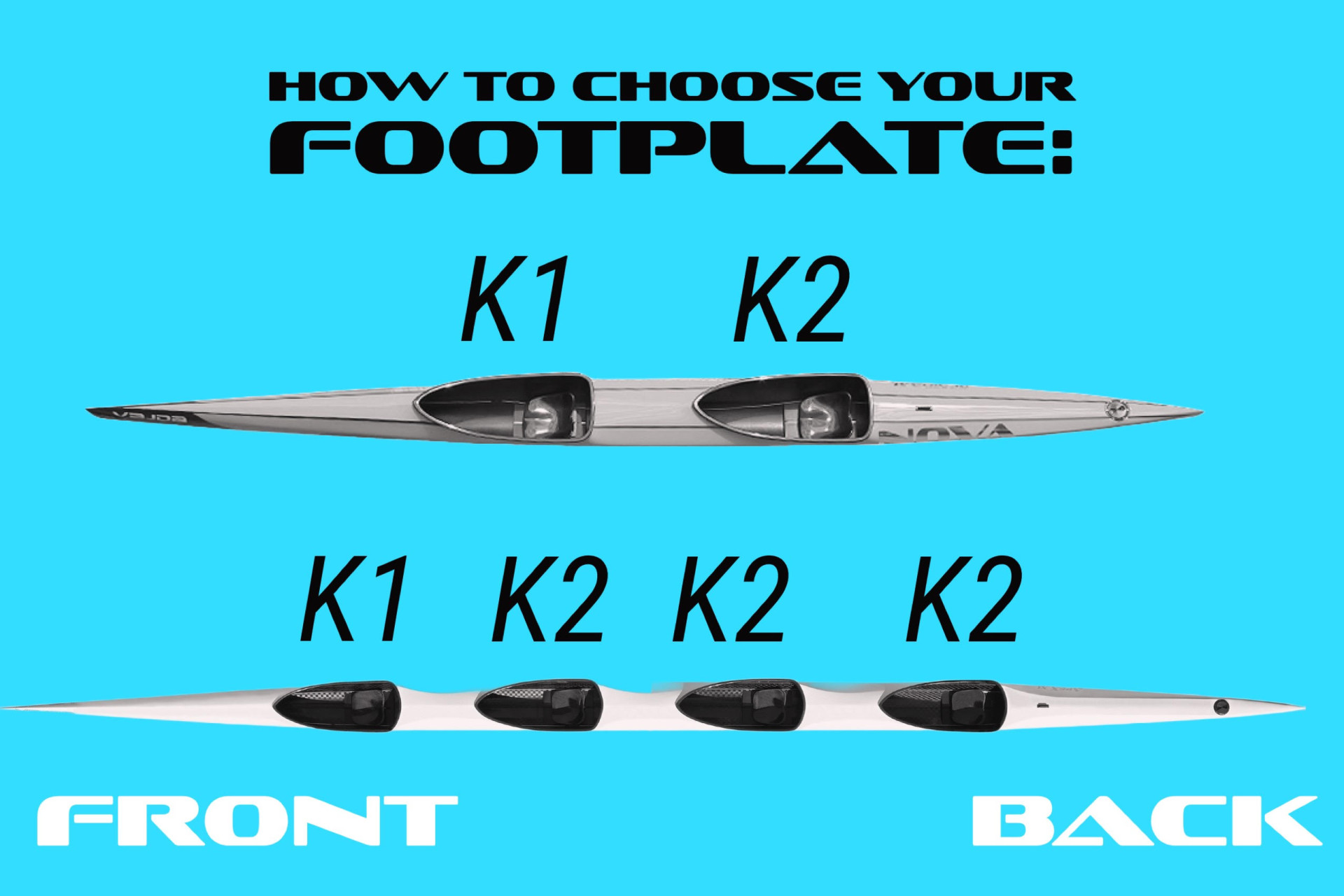
K1 kayaks have a single cockpit for one person. K2 kayaks have two separate cockpits, one in front and one at the back. The distance between the seats helps balance the weight and makes the kayak stable.
Hull Shape
Both K1 and K2 kayaks are usually narrow and sleek. This shape helps them move fast. Some touring kayaks have wider hulls for stability, but racing kayaks are always narrow.
Materials
Modern K1 and K2 kayaks use materials like fiberglass, carbon fiber, and plastic. Racing kayaks often use carbon fiber for its light weight and strength. Recreational kayaks may use plastic, which is cheaper and more durable.

Credit: www.reddit.com
Performance Comparison
Speed
K2 kayaks are usually faster than K1 kayaks. This is because two paddlers can create more power. The longer shape also helps the kayak glide better. In sprint races, K2 kayaks can reach speeds of 20 km/h (12 mph) or more, while K1 kayaks are often a bit slower.
Stability
K2 kayaks are more stable because they are longer and heavier. The extra weight and length prevent tipping. Beginners often find K2 kayaks easier to balance, especially in calm water. K1 kayaks are less stable, but easier to maneuver.
Maneuverability
K1 kayaks turn more easily because they are shorter. If you want to paddle in narrow rivers or tight spots, a K1 kayak is better. K2 kayaks are harder to turn, especially in small spaces.
Endurance
When two people paddle a K2 kayak, they can travel longer distances without getting tired. The shared effort makes long trips easier. In a K1 kayak, all the work is done by one person, which can be tiring on longer journeys.
Wind And Waves
K2 kayaks handle wind and waves better. Their weight and length help them cut through rough water. K1 kayaks can be pushed off course by strong wind, so they require more skill in bad weather.
Who Should Choose K1 Or K2 Kayak?
K1 Kayak: Best For
- Solo paddlers: Perfect for people who like to paddle alone.
- Skill building: Great for learning techniques and improving balance.
- Short trips: Easier to carry and launch for quick outings.
- Narrow waters: Easy to maneuver in rivers, creeks, or lakes.
- Competitive racing: Used in solo kayak racing events.
K2 Kayak: Best For
- Pairs or families: Ideal for couples, friends, or parent-child teams.
- Long journeys: Easier to paddle longer distances with two people.
- Stability seekers: Good for beginners who want more balance.
- Group paddling: Works well for teaching or guiding.
- Team sports: Used in team racing competitions.
Credit: www.canoeicf.com
Real-world Examples
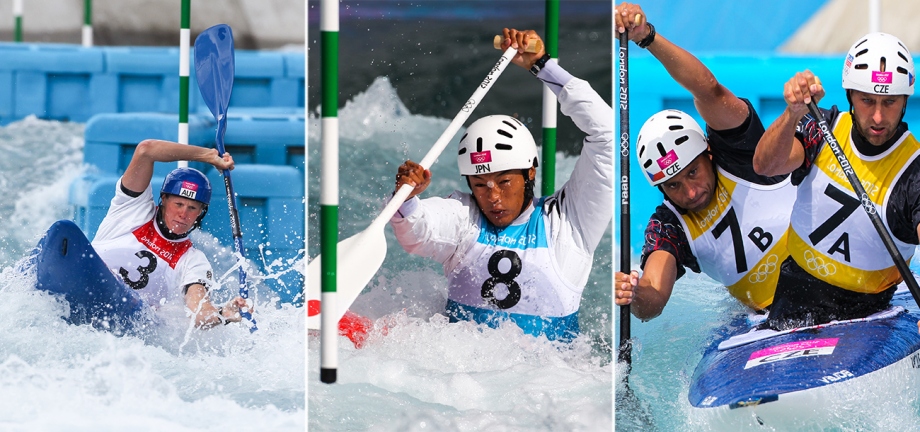
Olympic Kayaking: In the Olympics, both K1 and K2 kayaks are used. Athletes race in K1 events (one paddler) and K2 events (two paddlers). K2 races often see higher speeds, but demand perfect teamwork.
Touring Adventures: In expeditions like crossing lakes or exploring coastlines, K2 kayaks are popular. The shared effort allows paddlers to carry more gear and travel farther.
Local Clubs: Many kayaking clubs offer both K1 and K2 kayaks. Beginners often start with K2 for safety, then move to K1 as their skills improve.
Safety And Comfort
Safety
K2 kayaks are safer for beginners. If one person gets tired or has trouble, the other can help. In rough water, the stability of a K2 kayak reduces the risk of capsizing.
K1 kayaks are more challenging. If you lose balance, there is no one to help. This means you need to learn self-rescue skills.
Comfort
K2 kayaks have more space and allow paddlers to rest while the other keeps paddling. The cockpit is bigger, and the seats are often adjustable for comfort.
K1 kayaks have a single seat. You must paddle and steer alone. This can be tiring, but you have full control over your speed and direction.
Key Features To Consider When Choosing
When picking a kayak, think about these features:
- Length: Longer kayaks are faster and more stable, but harder to turn.
- Weight: Lighter kayaks are easier to carry, but may be less stable.
- Cockpit size: Bigger cockpits mean more comfort, but less control.
- Material: Carbon fiber is best for racing, plastic for recreation.
- Price: K2 kayaks cost more because they are bigger and use more material.
Pros And Cons: K1 Vs K2 Kayak
Here is a clear comparison to help you decide.
| Feature | K1 Kayak | K2 Kayak |
|---|---|---|
| Paddlers | 1 | 2 |
| Speed | Medium | High |
| Stability | Low | High |
| Maneuverability | High | Medium |
| Comfort | Solo seat | More space |
| Weight | Light | Heavy |
| Price | Lower | Higher |
K1 Vs K2 Kayak: Racing Performance
Sprint Racing
In sprint racing, K2 kayaks are faster. The two paddlers use powerful strokes together. K1 kayaks rely on the single paddler’s skill.
Marathon Racing
Both K1 and K2 kayaks are used in marathon races. K2 kayaks cover more distance quickly, but need perfect teamwork. K1 kayaks are slower but allow more flexible pacing.
Olympic Data
In the 2020 Olympics, the winning time for the men’s K2 1000m race was 3:15.99 minutes, while the K1 1000m winner finished in 3:20.64 minutes. This shows that K2 kayaks are slightly faster in top-level competition.
K1 Vs K2 Kayak: Touring And Adventure
Gear Capacity
K2 kayaks can carry more gear. For long trips or camping, this is important. Extra space means you can pack food, water, and safety equipment.
Endurance
With two paddlers sharing the work, K2 kayaks allow longer journeys. If one person gets tired, the other can keep paddling.
Solo Experience
K1 kayaks give you freedom. You decide the pace, route, and stops. This is great for solo adventurers who want independence.
Group Experience
K2 kayaks let you share the adventure. Paddling with a partner builds teamwork and trust. This can be rewarding and fun, especially for beginners.
K1 Vs K2 Kayak: Recreational Use
Ease Of Learning
K2 kayaks are easier for beginners. The stability and shared work make paddling simple. Many instructors start students in K2 kayaks.
K1 kayaks are better for learning advanced skills. You must balance, steer, and paddle alone. This builds confidence and control.
Fitness
K1 kayaks offer a full workout. Your arms, shoulders, and core muscles are used. K2 kayaks also provide exercise, but the effort is shared.
Social Experience
K2 kayaks are more social. You can talk, share, and enjoy the water together. K1 kayaks are quiet and peaceful, perfect for solo time.
Price And Availability
Cost Differences
K2 kayaks are more expensive. The larger size and extra materials mean higher prices. A basic K1 kayak may cost $400 to $800. A K2 kayak often starts at $900 and goes up to $2000 or more.
Maintenance
Both types need care. K2 kayaks are bigger, so cleaning and storing them is harder. K1 kayaks are simple to maintain, but require careful handling because they are lighter.
Renting Vs Owning
Many kayak rental shops offer both K1 and K2 kayaks. Renting is a good way to try both before buying. If you plan to paddle often, owning may be cheaper in the long run.
Credit: shop.vajdagroup.com
K1 Vs K2 Kayak: Comparison Table
Here is another quick comparison for key features.
| Aspect | K1 Kayak | K2 Kayak |
|---|---|---|
| Length | 5–5.2 meters | 6.5 meters |
| Weight | 10–15 kg | 23–35 kg |
| Teamwork Needed | None | High |
| Skill Level | Intermediate to Advanced | Beginner to Intermediate |
| Gear Space | Limited | Large |
| Popular Use | Solo trips, racing | Expeditions, teaching |
Common Mistakes When Choosing K1 Or K2 Kayak
- Ignoring skill level: Beginners often pick a K1 kayak because it looks cool, but find it hard to balance. Start with a K2 kayak if you are new.
- Forgetting about teamwork: K2 kayaks need good communication. If you and your partner paddle out of sync, the kayak will zigzag and slow down.
- Overestimating speed: Some think K2 kayaks are always faster, but only if both paddlers are strong and coordinated.
- Not considering storage: K2 kayaks are big. Make sure you have space to store and transport them.
- Missing safety issues: K1 kayaks require self-rescue skills. Practice before going on long trips alone.
Non-obvious Insights
Paddle length matters: In a K2 kayak, both paddlers need similar paddle lengths. If one paddle is too short or too long, it creates uneven strokes and makes steering harder.
Weight distribution: In a K2 kayak, the heavier paddler should sit at the back. This helps balance the boat and improves tracking. Many beginners miss this detail and struggle with steering.
Silent teamwork: In K2 racing, teams often use silent signals or tap the kayak with their paddle to coordinate strokes. Verbal communication is less effective in noisy environments.
K1 Vs K2 Kayak: Which Is Right For You?
If you want independence, adventure, and skill development, a K1 kayak is the best choice. You control everything—speed, direction, and pace. It’s perfect for solo paddlers and racers.
If you value teamwork, comfort, and shared experiences, a K2 kayak is ideal. You can paddle longer, carry more gear, and enjoy safety with a partner. It’s best for beginners, families, and those who like group adventures.
Try both types if you can. Renting from a local shop lets you test each kayak and find what feels right. Remember, the best kayak is the one that matches your goals and makes you happy on the water.
For deeper details on competitive kayaking and boat types, you can check the Wikipedia Kayak page.
Frequently Asked Questions
What Does K1 And K2 Mean In Kayaking?
K1 stands for a kayak with one paddler. K2 means a kayak with two paddlers. The “K” is for kayak, and the number shows how many people sit in the boat.
Are K2 Kayaks Better For Beginners?
Yes, K2 kayaks are more stable and forgiving. Two people share the work, and the longer design reduces tipping. They are a good choice for beginners who want safety.
Can A K2 Kayak Be Paddled Solo?
It’s possible, but not recommended. A K2 kayak is heavy and designed for two. Paddling solo is hard, and the kayak may not track straight. Choose a K1 kayak if you want to paddle alone.
Which Is Faster: K1 Or K2 Kayak?
K2 kayaks are faster in racing, because two paddlers create more power. In solo paddling, K1 kayaks can be fast if the paddler is skilled, but K2 kayaks usually win in speed.
What Is The Price Difference Between K1 And K2 Kayaks?
K2 kayaks are more expensive. They use more material and are larger. K1 kayaks start around $400–$800, while K2 kayaks often cost $900–$2000 or more.
Choosing between a K1 and K2 kayak is about your paddling style, skill, and goals. Both types offer great experiences on the water. By understanding their differences, you can make a smart choice that fits your needs. Whether you paddle alone or with a partner, kayaking can be safe, fun, and rewarding.