
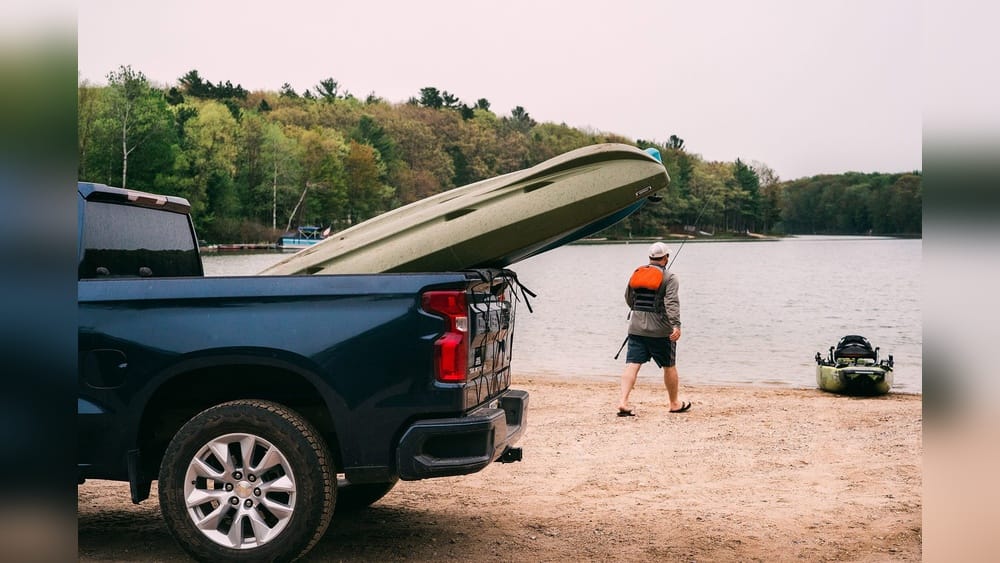
Carrying a kayak on a pickup truck opens up a world of paddling adventures. Whether you’re heading to a quiet lake or a fast-moving river, transporting your kayak safely is essential. Many beginners worry about damaging their kayak, scratching their truck, or even losing the kayak on the highway.
The truth is, with the right setup and a few smart tips, you can move your kayak confidently and securely. This guide will walk you through every step, from choosing the best method for your needs to securing your gear like a pro.
You’ll also learn some useful tricks that even experienced kayakers sometimes overlook.
Choosing The Right Method To Carry A Kayak On A Pickup Truck
Not every pickup truck is the same, and not every kayak is either. The method you pick depends on your truck bed length, kayak size, budget, and how often you’ll transport your kayak. Here are the most common options:
1. In The Truck Bed (tailgate Down)
This is the simplest way. Just place the kayak in the bed, let it stick out the back, and tie it down. It works best for shorter kayaks and short trips.
Pros:
- No extra equipment needed
- Quick to load and unload
Cons:
- Limited by your truck bed length
- Kayak often sticks out, which can be illegal without a flag
2. Using A Bed Extender
A bed extender is a metal bar that fits into your truck’s hitch receiver and supports the kayak at bed height or lower. It’s ideal for longer kayaks.
Pros:
- Supports longer kayaks securely
- Easy installation and removal
Cons:
- Extra cost (usually $50–$150)
- Adds length to your truck
3. Overhead Rack System
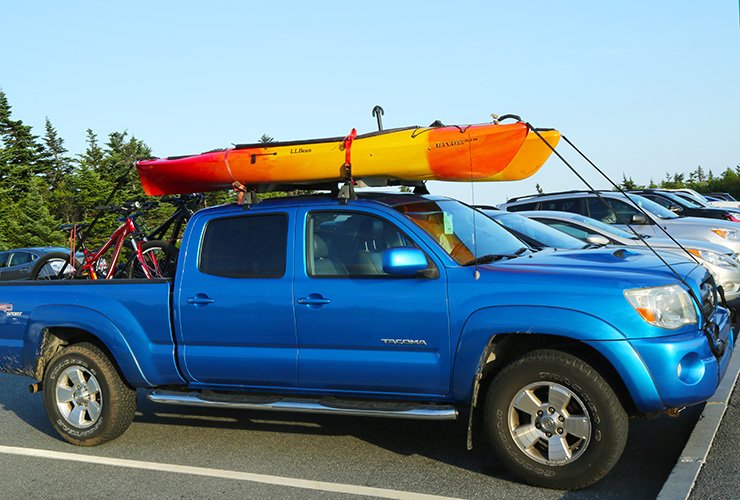
An overhead rack sits above your truck’s bed or cab. It carries the kayak on top, keeping your bed free for other gear.
Pros:
- Good for multiple kayaks
- Frees up truck bed space
Cons:
- Higher cost ($200–$800+)
- Harder to load heavy kayaks alone
4. Diy Solutions
Some paddlers use foam blocks or pool noodles and strong straps to create a temporary rack. This can work for short, slow drives if you’re careful.
Pros:
- Cheap and fast
- No installation
Cons:
- Not as secure for long trips
- Risk of scratches or kayak movement
Comparison: Carrying Methods
Here’s a quick side-by-side look at the main methods:
| Method | Cost | Max Kayak Length | Bed Space Used | Best For |
|---|---|---|---|---|
| In Bed (Tailgate Down) | $0 | 10-12 ft | All | Short kayaks, short trips |
| Bed Extender | $50–$150 | 12-16 ft | Most | Longer kayaks, regular use |
| Overhead Rack | $200–$800+ | 18+ ft | None | Multiple kayaks, bed access |
| DIY (Foam Blocks) | $10–$30 | 10-14 ft | All | Occasional, short trips |
Preparing Your Truck And Kayak
Before you load your kayak, a few steps make the process easier and safer.
Clean And Inspect
Wipe down your truck bed and kayak. Dirt or sand can cause scratches. Check your kayak for cracks or weak spots—loading a damaged kayak can make things worse.
Remove Loose Gear
Take out paddles, life jackets, and any loose items from the kayak. Secure them separately. Small items can fly out or shift during travel.
Plan Your Route
If your kayak sticks out, avoid tight parking or low bridges. Some states have laws about how far cargo can extend, so check the rules before you go.
Credit: everestkitchennc.com
Loading Your Kayak: Step-by-step
Let’s walk through loading your kayak the right way. The exact method depends on your chosen system, but some basics always apply.
1. Positioning
- Place the kayak with the cockpit facing up. This helps avoid damage to the seat or accessories.
- If using the bed, center the kayak in the truck bed for balance.
- For racks, make sure the kayak is not blocking your rear window or brake lights.
2. Lifting Safely
Kayaks can weigh 40–80 pounds. If you’re alone, lift with your legs, not your back. For heavier kayaks, ask for help or use a cart.
3. Securing With Straps
Never skip this part! Even a short drive can send your kayak flying if it’s not tight.
- Use cam buckle straps (not bungee cords). Cam straps are easier to tighten and won’t slip.
- Loop the straps through tie-down points in your truck bed or rack.
- Tighten the straps so the kayak does not move, but not so tight you dent it.
- For extra security, add a bow and stern line—especially for long kayaks or highway speeds.
4. Flag And Lights
If your kayak extends more than 4 feet beyond your truck, most states require a bright red or orange flag. At night, a red light is needed. This helps other drivers see your load.
Common Mistakes And How To Avoid Them
Many beginners make small errors that can lead to damage or even accidents. Here are some pitfalls to watch out for:
1. Overtightening Straps
This can deform or crack the kayak’s hull, especially plastic models.
2. Ignoring Weight Limits
Racks and extenders have weight limits. Overloading can break them or damage your truck.
3. Using Worn-out Straps
Old, frayed straps can snap. Check them before every trip.
4. Not Checking After Driving
Straps can loosen after bumps. Recheck your kayak after a few miles.
5. Letting The Kayak Rest On Hard Metal
Always use foam or pads between your kayak and the truck/rack to avoid scratches.

Credit: www.weltransim.eu
Extra Tips For Long-distance Kayak Transport
If you’re driving for hours or on rough roads, take these extra precautions:
- Stop every hour to check straps and the kayak’s position.
- Use weatherproof covers if you expect rain, sun, or road salt.
- Avoid loading the kayak with gear inside—it can rattle and cause damage.
- If possible, store the kayak upside down for better aerodynamics and less wind lift.
Best Accessories For Kayak Transport
There are handy products that make the process easier and safer. Here are a few to consider:
Cam Buckle Straps
These are the gold standard for kayak transport. They’re easy to use and very strong. Avoid ratchet straps unless you know how to use them—they can crush your kayak if overtightened.
Foam Blocks And Pads
Foam blocks fit under your kayak to protect both the truck and the kayak’s hull. Some are shaped for specific kayak types.
Bow And Stern Tie-downs
These are extra straps that attach the front and back of your kayak to your truck. They add stability, especially at high speeds.
Kayak Cart
A kayak cart is a small wheeled frame that helps you move heavy kayaks from your truck to the water. It’s a back-saver.
Lockable Cables
If you’re stopping for lunch, a lockable cable keeps your kayak safe from theft.
Legal And Safety Considerations
Every state has different laws about how far cargo can extend, required flags, and lighting. For example, in the US, the DOT generally requires a red flag during the day and a red light at night if your load extends more than 4 feet past your rear bumper.
Here are some important safety reminders:
- Never block your license plate or brake lights.
- Check local laws for overhang limits.
- Be aware of your new total length—parking and turning are more challenging.
- Always let someone know your planned route if you’re heading to a remote area.
Real-world Example
Let’s look at an example. Sarah owns a 14-foot touring kayak and a Toyota Tacoma with a 5-foot bed. She uses a bed extender, cam buckle straps, and foam pads. She flags the kayak’s rear and checks the straps after the first 5 miles.
Her kayak is stable and undamaged, and she gets to the lake without stress. This setup cost her about $120 and works for day trips and camping weekends.
Table: Cost And Difficulty Of Kayak Transport Solutions
Here’s a quick comparison of common setups:
| Setup | Estimated Cost | Install Time | Skill Level |
|---|---|---|---|
| Bed Only | $0 | 5 min | Beginner |
| Bed Extender | $50–$150 | 15 min | Beginner |
| Overhead Rack | $200–$800+ | 30–60 min | Intermediate |
| DIY (Foam Blocks) | $10–$30 | 10 min | Beginner |
How Kayak Size Affects Transport
The size and shape of your kayak will influence your best carrying method:
- Short recreational kayaks (8–12 ft) fit easily in most truck beds.
- Touring kayaks (12–16 ft) often need a bed extender or rack.
- Fishing kayaks are wider and heavier, so racks with higher weight limits or extra foam are best.
- Sit-on-top kayaks are more durable and can handle simple DIY setups.
A good rule: always measure your kayak and your truck bed before buying any equipment.

Credit: www.reddit.com
Maintenance: After Transport
Once you arrive, a little care goes a long way:
- Check your kayak for new scratches or damage.
- Rinse off road salt or mud—especially if you traveled in winter.
- Store straps and pads in a dry spot to prevent mold or wear.
- If you used a rack, check bolts and fittings every few months.
Two Non-obvious Insights For Beginners
- The wind can lift your kayak at highway speeds. Even if the straps feel tight, air pressure can push under your kayak and loosen them. That’s why bow and stern lines matter.
- Sun can damage your kayak during transport. UV rays, especially on long drives, can fade or weaken plastic. Use a cover for long trips, or at least park in the shade when you stop.
Frequently Asked Questions
How Far Can A Kayak Stick Out From My Pickup Truck?
Most U.S. states allow cargo to extend up to 4 feet behind the rear bumper, but you must use a red or orange flag during the day and a light at night. Always check your state’s rules for exact numbers.
Do I Need A Special Rack To Carry Two Kayaks?
Carrying two kayaks is easiest with an overhead rack system designed for multiple boats. Some bed extenders can fit two narrow kayaks side by side, but always check width and weight limits.
What’s Better: Cam Straps Or Ratchet Straps For Tying Down A Kayak?
Cam straps are safer for kayaks. Ratchet straps can apply too much force and damage the hull. Cam buckles are quick, secure, and less likely to overtighten.
Can I Leave My Kayak In The Truck Bed Overnight?
It’s not ideal. Sun, rain, or theft can be a risk. If you must, use a lockable cable and a weatherproof cover, and park in a safe spot.
Are Bed Extenders Legal Everywhere?
Bed extenders are legal in most places, but the key is your total load length and visibility. Always add a flag if your kayak sticks out and check your local laws. More details are available from the National Highway Traffic Safety Administration.
Carrying a kayak on a pickup truck isn’t hard once you know the steps. With the right method, good straps, and a little attention to safety, you’ll get to the water quickly—and with peace of mind. Safe travels and happy paddling!