
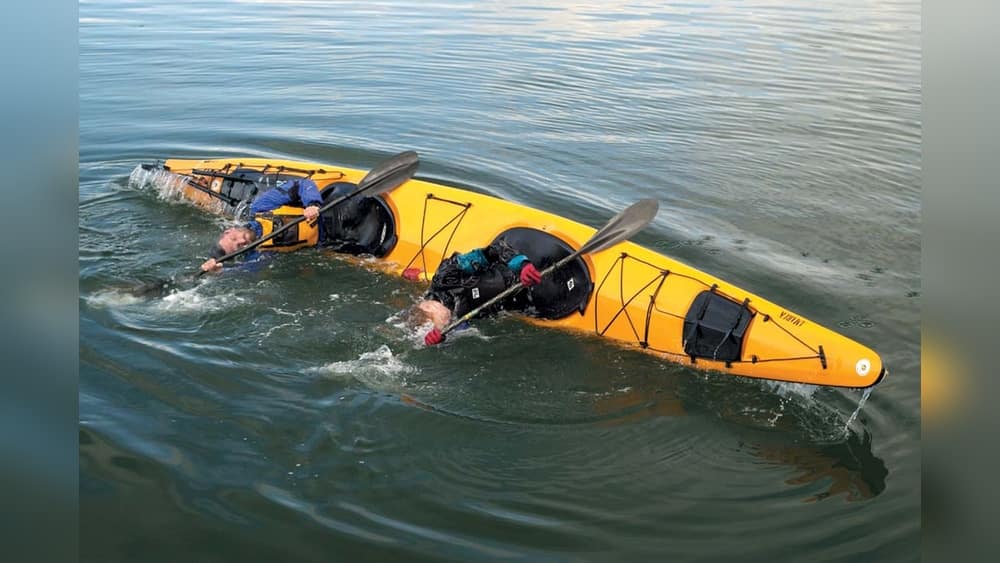
Many people love kayaking because it brings adventure, exercise, and a close connection to nature. But what if you want to share the experience with someone else? This is where tandem kayaks come into the picture. These unique boats are designed for two (and sometimes more) paddlers, making them perfect for couples, friends, or families. If you’ve wondered whether a tandem kayak is right for you, or you simply want to understand what makes them special, this article will guide you through everything you need to know.
What Is A Tandem Kayak?
A tandem kayak is a kayak built to seat two people (sometimes three), allowing them to paddle together in one boat. Unlike single kayaks, which have space for only one paddler, tandem kayaks have two cockpits or seating areas, usually arranged in line. The main goal is to let two people work together to move and steer the kayak efficiently.
Most tandem kayaks are longer and wider than solo kayaks. This extra length and width make them more stable on the water, which is great for beginners or those who might feel nervous in a boat. Some tandem kayaks can even be converted into solo kayaks by adjusting the seats.
There are different types of tandem kayaks made for various activities, such as touring, fishing, or whitewater. Each type has its own features, but all share the basic idea of letting two paddlers share the adventure.
Benefits Of Tandem Kayaks
Choosing a tandem kayak offers several unique advantages:
- Shared Experience: Paddling with a friend or family member can make the trip more fun and memorable. It’s a great way to bond and enjoy teamwork.
- Better Stability: Because they are usually wider, tandem kayaks are less likely to tip over. This makes them safer, especially for beginners or children.
- Easier for Beginners: If one person is more experienced, they can help guide the other. This is useful for teaching kids or new paddlers.
- More Storage Space: Tandem kayaks often have more room for gear, snacks, and essentials, making them good for longer trips or picnics on the water.
- Efficiency: With two people paddling, you can cover more distance faster than in a solo kayak.
- Cost-Effective: Buying one tandem kayak can be cheaper than buying two single kayaks, especially for families.
A less obvious benefit is that tandem kayaks can help people with physical limitations enjoy kayaking. If one paddler gets tired, the other can take over for a while, so you don’t have to worry about being stuck on the water.
Types Of Tandem Kayaks
The world of tandem kayaks offers a variety of choices. Here are the most common types:
Sit-on-top Tandem Kayaks
These kayaks have open seats on top. You simply sit on the boat rather than inside it. They are easy to get in and out of, making them popular for beginners, families, and warm-weather paddling. Water drains out through holes in the hull, so they are less likely to fill up if you tip over.
Sit-inside Tandem Kayaks
These kayaks have closed cockpits. You sit inside the hull, which can keep you drier, especially in colder weather. They provide more protection from water, wind, and sun, and are often used for touring or long-distance paddling.
Inflatable Tandem Kayaks
Inflatable kayaks are made from strong, flexible materials. They can be pumped up for use and deflated for storage. These are perfect for people with limited space at home or who want to travel with their kayak. Surprisingly, modern inflatables are quite durable and stable.
Tandem Fishing Kayaks
These are designed for anglers who want to fish together. They usually have extra storage for tackle, rod holders, and sometimes even mounts for small motors. The seats are often more comfortable for long hours on the water.
Tandem Whitewater Kayaks
Built for fast-moving rivers, these kayaks are shorter and stronger. They have features that help them handle rough water, like reinforced hulls and extra handles for rescue situations.
Convertible Tandem Kayaks
Some tandem kayaks are designed to be used as either solo or tandem. You can remove or move the seats depending on your needs, which makes them very flexible.
Each type suits different needs, so it’s important to think about where and how you plan to use your kayak.
How Tandem Kayaks Compare To Solo Kayaks
It’s common to wonder: should I buy a tandem or a solo kayak? Here’s a side-by-side look at the main differences:
| Feature | Tandem Kayak | Solo Kayak |
|---|---|---|
| Seating | 2 (sometimes 3) | 1 |
| Stability | More stable | Less stable |
| Length | Longer (12–16 ft) | Shorter (8–12 ft) |
| Speed | Faster (with teamwork) | Depends on paddler |
| Portability | Heavier, harder to transport | Lighter, easier to carry |
| Storage | More gear space | Less gear space |
| Cost | Usually higher (but cheaper than two solos) | Lower for one, higher for two |
A non-obvious insight: some experienced kayakers feel that tandem kayaking requires more patience and communication than solo kayaking. If paddlers are not in sync, the kayak can zigzag or go off course.
Key Features To Look For In A Tandem Kayak
Before buying a tandem kayak, pay attention to these important features:
- Length and Width: Longer kayaks glide better and are faster, but can be harder to turn. Wider kayaks are more stable but a bit slower.
- Weight Capacity: Check the maximum weight. Make sure it can handle both paddlers and all your gear.
- Seat Comfort: Tandem trips can last hours. Look for adjustable, padded seats with good back support.
- Portability: If you need to carry the kayak often, consider the weight. Inflatable models are much lighter.
- Storage Options: Dry hatches, bungee cords, and cup holders make a difference for longer trips.
- Footrests: Adjustable footrests help each paddler get comfortable and paddle efficiently.
- Material: Plastic (polyethylene) is durable but heavy. Fiberglass or composite kayaks are lighter but more expensive.
- Rudder or Skeg: Some tandems have a rudder or skeg to help steer, especially useful in windy or wavy conditions.
One thing beginners often miss: check the distance between seats. If they are too close, paddlers may bump paddles, making the trip frustrating.
Who Should Use A Tandem Kayak?
Tandem kayaks are great for many situations:
- Families with children
- Couples who want to paddle together
- Beginners who feel safer with a partner
- People teaching someone new to kayak
- Friends who enjoy teamwork
However, tandem kayaks are not always the best for everyone. If you want complete independence, or if your paddling partner has a very different strength or skill level, a solo kayak might suit you better.
How To Paddle A Tandem Kayak
Paddling a tandem kayak requires more teamwork than a solo kayak. Here are some tips:
- Communication: Talk about who will steer and who will set the pace. Usually, the person in the back steers, while the person in front sets the rhythm.
- Synchronized Paddling: Both paddlers should paddle on opposite sides at the same time. This keeps the kayak straight and efficient.
- Divide the Work: If one person gets tired, the other can take more strokes, but keep talking to avoid surprises.
- Turning: To turn, the person in the back can paddle harder or use a sweep stroke while the front paddler slows down.
- Practice: Spend time practicing together. It takes a few outings to get used to each other’s style.
Many beginners overlook the importance of adjusting the seat and footrest for both paddlers before starting. If not, you may feel cramped or off-balance.
Common Mistakes With Tandem Kayaks
Even experienced kayakers make mistakes with tandems. Here are some to avoid:
- Poor Communication: Not talking about paddling rhythm or steering can lead to arguments or frustration.
- Uneven Paddling: If one person paddles much faster, the kayak can veer off course.
- Overloading: Ignoring the weight limit can make the kayak unstable or slow.
- Wrong Clothing: Tandem kayaks can get wet, so bring waterproof gear or extra clothes.
- Ignoring Wind and Current: Tandem kayaks can be harder to steer in strong wind or current. Plan your route and check the weather.

Credit: www.floridasportsman.com
Safety Tips For Tandem Kayaking
Safety should always come first. Here are essential tips:
- Always Wear Life Jackets: Both paddlers should wear a properly fitted life jacket.
- Check the Weather: Avoid paddling in storms or high winds.
- Tell Someone Your Plan: Share your route and expected return time with a friend or family member.
- Stay Near the Shore: Especially if you are new, stay close to land in case you need help.
- Carry Safety Gear: Bring a whistle, waterproof phone case, and first aid kit.
- Practice Re-entry: Learn how to get back in the kayak if you fall out.
Tandem Kayak Maintenance And Storage
To keep your tandem kayak in good shape:
- Rinse After Use: Saltwater and sand can damage the kayak. Rinse with fresh water after every trip.
- Dry Completely: Store the kayak dry to prevent mold or mildew.
- Store Indoors or Covered: UV rays can weaken the material. If possible, store your kayak inside or under a cover.
- Check for Damage: Look for cracks, leaks, or worn parts before each trip.
- Inflatable Kayaks: Let them dry completely before folding and storing, to prevent mold.
Popular Tandem Kayak Brands
Several brands are known for quality tandem kayaks. Some popular options include:
- Ocean Kayak: Well-known for durable sit-on-top tandems.
- Perception: Makes both sit-in and sit-on-top models.
- Old Town: Offers comfortable, stable recreational tandems.
- Intex: Affordable inflatable tandems, good for beginners.
- Wilderness Systems: High-quality touring tandem kayaks.
You can find more information and reviews from kayaking communities and retailers, such as REI’s expert advice.
Tandem Kayak Vs. Canoe: What’s The Difference?
Some people confuse tandem kayaks with canoes. Here’s a quick comparison:
| Feature | Tandem Kayak | Canoe |
|---|---|---|
| Paddle Type | Double-bladed | Single-bladed |
| Seating Position | Low, legs outstretched | High, sitting or kneeling |
| Water Protection | Some protection (sit-in), little (sit-on-top) | Open to water |
| Speed | Generally faster | Often slower |
| Ease of Entry | Harder (sit-in), easy (sit-on-top) | Easy |
| Best Use | Rivers, lakes, sea | Lakes, calm rivers |

Credit: brooklynkayakcompany.com
How To Choose The Right Tandem Kayak
When shopping for a tandem kayak, consider these steps:
- Decide Where You’ll Paddle: Calm lakes, fast rivers, or open sea?
- Think About Transport: Can you lift and carry a heavy kayak? Or do you need an inflatable?
- Budget: Set a price range. Remember to include paddles, life jackets, and accessories.
- Test Paddle: If possible, rent or try different models before buying.
- Read Reviews: Look for feedback from other users about durability, comfort, and handling.
Many new buyers forget to check if the kayak fits their roof rack or car. Measure before buying to avoid surprises.
Frequently Asked Questions
How Hard Is It To Paddle A Tandem Kayak?
Tandem kayaks are not very hard to paddle, but they do require teamwork. With good communication and a bit of practice, most people find them easy and enjoyable.
Can One Person Paddle A Tandem Kayak Alone?
Yes, many tandem kayaks can be paddled solo, especially if they are designed with adjustable seats. However, they are heavier and longer, so paddling alone can feel more tiring.
Are Tandem Kayaks Safe For Children?
Tandem kayaks are safe for children if both paddlers wear life jackets and are supervised. The extra stability makes them a good choice for families.
How Do I Transport A Tandem Kayak?
Most tandem kayaks are heavy and long. You’ll need a strong roof rack or a trailer. Inflatable models are easier to transport in a car trunk.
What Is The Average Price Of A Tandem Kayak?
Prices vary widely. Basic inflatable tandems start around $150, while durable plastic models can range from $500 to $1,500 or more. High-end touring tandems can cost over $2,000.
Choosing the right tandem kayak can bring years of enjoyment on the water. With the right information, you’ll be ready to make memories, explore new places, and enjoy paddling together.

Credit: brooklynkayakcompany.com