
Kayaking is a wonderful way to explore rivers, lakes, and oceans. But if you own a plastic kayak, you may hear the term oil canning and wonder what it really means. Many paddlers notice dents or wavy spots on the bottom of their kayak and worry if it’s a serious problem. Understanding oil canning is important for both beginners and experienced kayakers, as it can affect performance, safety, and even the lifespan of your boat.
This article explores what oil canning is, how it happens, why it matters, and what you can do about it. You will also learn how to spot the signs early, prevent further damage, and make smart decisions when buying or maintaining a kayak.
Whether you paddle for fun or adventure, knowing about oil canning helps you keep your boat in the best shape possible.
What Is Oil Canning?
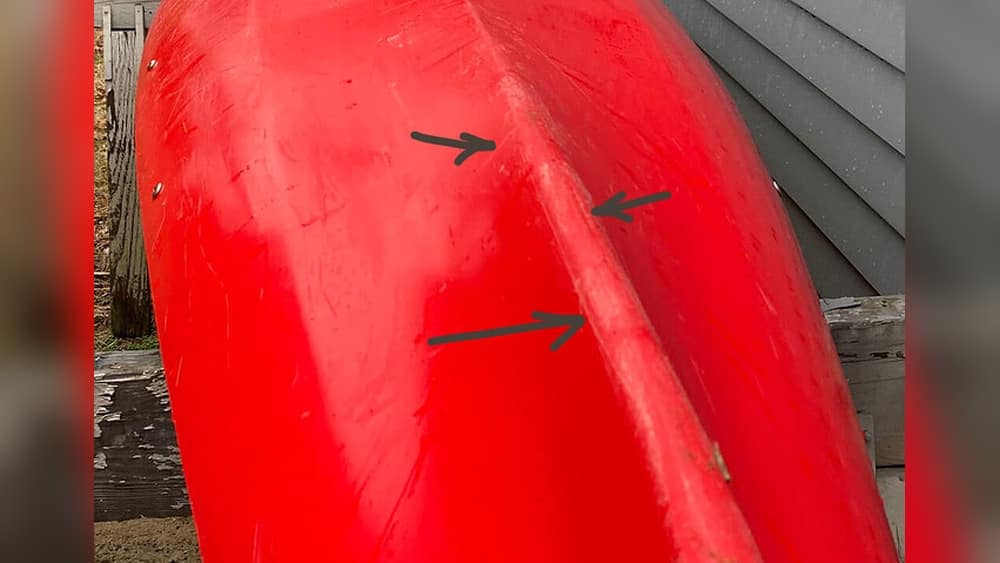
Oil canning is a term used to describe dents, ripples, or warped areas that appear on the hull (bottom) of a plastic kayak. These deformations look like the surface of an old oil can that pops in and out when pressed. The name comes from this classic “pop” effect. The hull may appear wavy, sunken, or uneven, especially in the flat sections between the kayak’s structural supports.
Oil canning is most common in rotomolded polyethylene kayaks. This type of plastic is widely used because it is durable and affordable. However, it is also softer and more flexible than composite materials like fiberglass or carbon fiber, making it more likely to deform under pressure.
What Causes Oil Canning On A Kayak?
Several factors can lead to oil canning. It is not always the result of a single incident but often a combination of stress, heat, and time.
1. Pressure From Transport And Storage
If a kayak is stored upside down on hard racks or tied down too tightly during transport, pressure can cause the hull to bend or dent. Over time, these dents can become permanent.
2. Sun And Heat
Plastic becomes soft and flexible when exposed to high temperatures. Leaving a kayak in direct sunlight or inside a hot car can soften the hull, making it more likely to deform under its own weight or from storage racks.
3. Paddling Over Rocks And Obstacles
Many kayakers enjoy running rivers with rocks, logs, or shallow spots. Hitting or sliding over these obstacles can push in the hull, especially if the kayak is already softened from heat.
4. Natural Flexing
Every time you paddle, the kayak flexes a little. Over years of use, this repeated stress can weaken flat areas, causing them to oil can.
5. Poor Kayak Design
Some kayaks are built with thin hulls to save weight or reduce cost. If the hull does not have enough support or structural ribs, it is more likely to oil can.

Credit: forums.paddling.com
How To Identify Oil Canning
Recognizing oil canning early helps you decide what action to take. Here’s what to look for:
- Visible dents or depressions on the bottom, especially in the large flat areas.
- Wavy or rippled surfaces when you look along the hull.
- Areas that “pop” in or out when you press them with your hand.
- The kayak may feel slower or less stable on the water.
Sometimes, oil canning is obvious right after a hot day or a rough trip. Other times, it develops slowly over many months of use.
How Oil Canning Affects Kayak Performance
Oil canning is more than just a cosmetic issue. The way it affects performance depends on the size and location of the deformation.
Speed And Glide
A smooth, rigid hull moves through water with less resistance. Oil canning creates uneven surfaces, causing drag and slowing you down. Even small dents can reduce your kayak’s glide, meaning you work harder to go the same distance.
Tracking And Stability
A warped hull may turn more easily but can also feel less steady. If oil canning is severe, you might notice the kayak veering off course or feeling tippy in waves.
Maneuverability
In whitewater or surf, a flexible hull can sometimes make the kayak more playful. However, too much oil canning makes the kayak hard to control and unpredictable.
Durability
Large, deep oil canning weakens the hull and makes it more vulnerable to cracks or punctures, especially if you paddle rocky rivers.

Credit: www.youtube.com
Types Of Oil Canning: Temporary Vs. Permanent
Not all oil canning is the same. Some dents pop out on their own, while others are permanent.
| Type | Description | Can It Be Fixed? |
|---|---|---|
| Temporary Oil Canning | Dents that disappear after cooling or when the kayak is not loaded | Often yes, with simple steps |
| Permanent Oil Canning | Deep warping that stays even after rest or repair | Usually not fully fixable |
Temporary oil canning is common after a hot day or rough transport. Permanent oil canning means the plastic has stretched or weakened and will not return to its original shape.
How To Prevent Oil Canning
Prevention is much easier than repair. Here are proven ways to protect your kayak:
- Store your kayak properly. Lay it on its side or hang it from wide straps under the cockpit area. Avoid resting it on flat racks under the hull.
- Avoid direct sunlight. Store your kayak in a cool, shaded place. Use a UV-protective cover if stored outside.
- Loosen tie-down straps after transport. Do not leave them tight for long periods.
- Do not overload the kayak. Check the manufacturer’s weight limit.
- Look for strong hull design when buying. Kayaks with more ribs or reinforced hulls are less likely to oil can.

Credit: www.youtube.com
How To Fix Oil Canning On A Kayak
If your kayak already has oil canning, you may be able to reduce or remove it, especially if it is temporary.
Step-by-step Oil Canning Removal
- Warm the dented area. Place the kayak in the sun for an hour, or use a hair dryer or heat gun on low. Do not overheat—the plastic should be warm, not hot.
- Press from inside. Gently push the dent out from the inside using your hand or a soft object.
- Cool the area. Hold the shape with a towel and pour cool water over the hull. This helps the plastic set.
- Repeat as needed. Some dents may need several tries.
If the oil canning is deep or covers a large area, it might be permanent. In this case, focus on preventing further damage rather than trying to make the hull perfect.
Practical tip: If you paddle whitewater or rocky rivers, some minor oil canning is normal and does not always need repair.
When To Worry About Oil Canning
Not every dent is a disaster. Here’s when you should take action:
- The kayak feels slower, less stable, or harder to control.
- The oil canning is deep (more than 1 inch) or covers a large area.
- Cracks or splits appear in the hull.
- The kayak is new and already shows severe oil canning (this could be a manufacturing defect).
If you’re unsure, ask a local kayak shop or experienced paddler to check your boat.
Oil Canning: Plastic Vs. Composite Kayaks
Material makes a big difference in oil canning risk. Here’s a quick look at the main types:
| Material | Oil Canning Risk | Durability | Cost |
|---|---|---|---|
| Polyethylene (Plastic) | High | Good, but can deform | Low |
| Fiberglass | Low | Rigid but can crack | Higher |
| Kevlar/Carbon Fiber | Very Low | Very rigid, lighter | Highest |
Most recreational and whitewater kayaks are made of polyethylene for cost and durability. Composite kayaks are less likely to oil can but cost more and can be damaged by impacts.
Common Mistakes That Cause Oil Canning
Many new paddlers make simple mistakes that lead to oil canning:
- Tightening roof rack straps too much.
- Storing the kayak flat on hard ground.
- Leaving the kayak in the sun for long periods.
- Ignoring the manufacturer’s weight limit.
- Using a kayak with a thin hull for rocky rivers.
Awareness of these mistakes can save you time and money.
Is Oil Canning Covered By Warranty?
Some manufacturers cover oil canning under warranty, especially if it appears soon after purchase and is not caused by misuse. However, many warranties do not cover normal wear and tear. Always read the warranty details and keep your receipt.
Non-obvious insight: If you see oil canning right after buying a kayak, take photos and contact the seller immediately. Early action increases your chance for a replacement.
Should You Buy A Kayak With Oil Canning?
If you are shopping for a used kayak, check the hull carefully. Minor, shallow oil canning is often just cosmetic and does not affect performance for casual paddling. Deep or widespread oil canning, especially in the center of the hull, can mean the kayak is close to the end of its life.
Ask the seller how the kayak was stored and used. If you want the best performance, choose a boat with little or no oil canning.
How Manufacturers Reduce Oil Canning
Leading brands add features to strengthen the hull and reduce oil canning. These include:
- Ribs or grooves along the bottom for extra support.
- Thicker plastic in high-stress areas.
- Foam pillars inside whitewater kayaks.
- Careful shape design to reduce large flat surfaces.
When buying, look for these details in the kayak’s specs or ask the dealer.
Real-world Example: Oil Canning In Action
Imagine paddling a river in summer. You leave your kayak on the shore for lunch, hull down in the sun. After an hour, you see a large dent under the seat area. When you start paddling, the kayak feels sluggish and turns to one side.
This is classic oil canning from heat and poor storage. With quick action—warming and pressing out the dent—you can often fix it. But if it happens many times, the hull becomes weaker and permanent oil canning forms.
Pro tip: Always flip your kayak upside down or put it in the shade during breaks.
Comparing Kayak Models For Oil Canning Resistance
Some kayak models are better at resisting oil canning. Here’s a quick comparison of three popular types:
| Model | Hull Support | Oil Canning Resistance | Best For |
|---|---|---|---|
| Dagger Mamba | Foam pillars, thick plastic | High | Whitewater |
| Old Town Heron | Flat hull, moderate support | Medium | Lakes, slow rivers |
| Wilderness Systems Tempest | Ribbed hull, composite option | Very High | Touring |
Choosing a model with better support and thicker hulls helps you avoid oil canning, especially if you paddle often or in harsh conditions.
Frequently Asked Questions
What Is The Main Cause Of Oil Canning On A Kayak?
The main cause is pressure on the hull, often from improper storage, transport, or exposure to heat. Over time, these stresses deform the plastic, especially in cheaper or older kayaks.
Is Oil Canning Dangerous?
Mild oil canning is usually not dangerous but can reduce speed and stability. Severe oil canning may weaken the hull and increase the risk of cracks or leaks, especially in rough water.
Can Oil Canning Be Completely Fixed?
Temporary oil canning can often be popped out with heat and gentle pressure. Permanent oil canning is usually not fully repairable, but you can reduce further damage with good storage and handling.
Does Oil Canning Affect All Types Of Kayaks?
It mainly affects polyethylene (plastic) kayaks. Composite kayaks (fiberglass, carbon fiber) are much less likely to oil can, but they can crack or chip instead.
Where Can I Find More Information About Kayak Maintenance?
You can find more maintenance tips and detailed guides at the Wikipedia Kayak page.
Kayaking is more fun when your boat performs its best. Knowing about oil canning helps you enjoy your time on the water and avoid costly mistakes. With the right care, your kayak can give you years of safe, smooth paddling.