
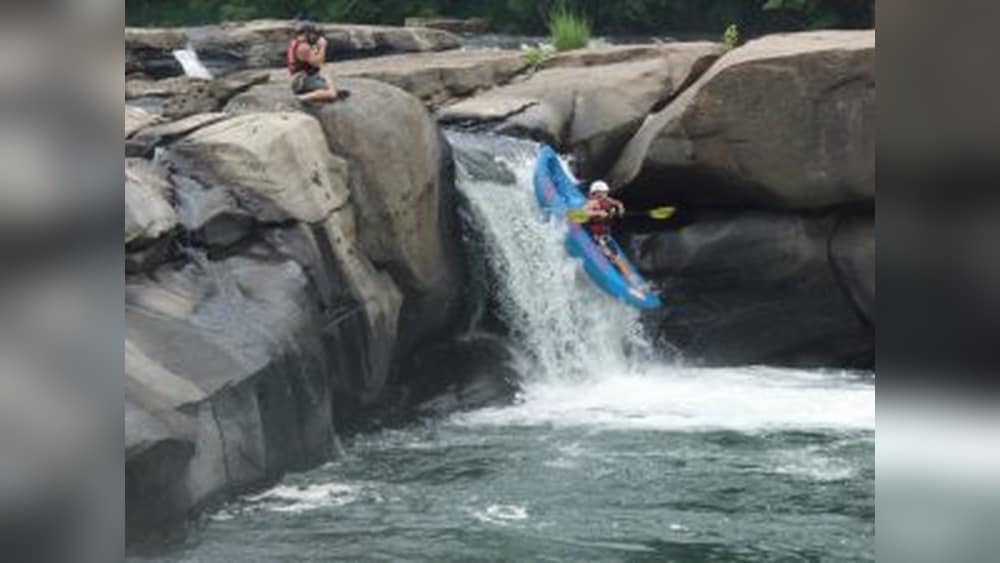
Choosing between a funyak and a kayak can feel confusing, especially if you are new to water sports. Both offer amazing ways to enjoy rivers, lakes, and coastal waters, but they are not the same. Each has unique features, strengths, and weaknesses. Some people prefer the stability and comfort of a funyak, while others love the speed and agility of a kayak. This guide will help you understand the key differences, pros and cons, and which option fits your needs best.
Whether you want a relaxing day on a calm lake, an exciting ride on whitewater, or a tool for fishing and exploring, making the right choice matters. By the end of this article, you will know which watercraft will help you have more fun and stay safe on the water.
What Is A Funyak?
A funyak is an inflatable kayak, often designed for beginners or casual users. The word itself is a mix of “fun” and “kayak,” which gives a clue to its purpose—fun, simple paddling.
Most funyaks are made from tough PVC or similar materials that resist punctures. They are wide, stable, and easy to get in and out of. Many funyaks have open tops, making them almost like small inflatable boats you paddle with a double-bladed kayak paddle.
Funyaks are popular for:
- Easy transport: They deflate and roll up into a bag.
- Quick setup: Inflate with a pump in a few minutes.
- Family outings: Safe for kids and adults.
- Casual river trips: Often used by tour companies for guided adventures.
Some people call all inflatable kayaks “funyaks,” but in strict terms, a funyak is usually a wide, stable, sit-on-top inflatable craft, not a performance kayak.
What Is A Kayak?
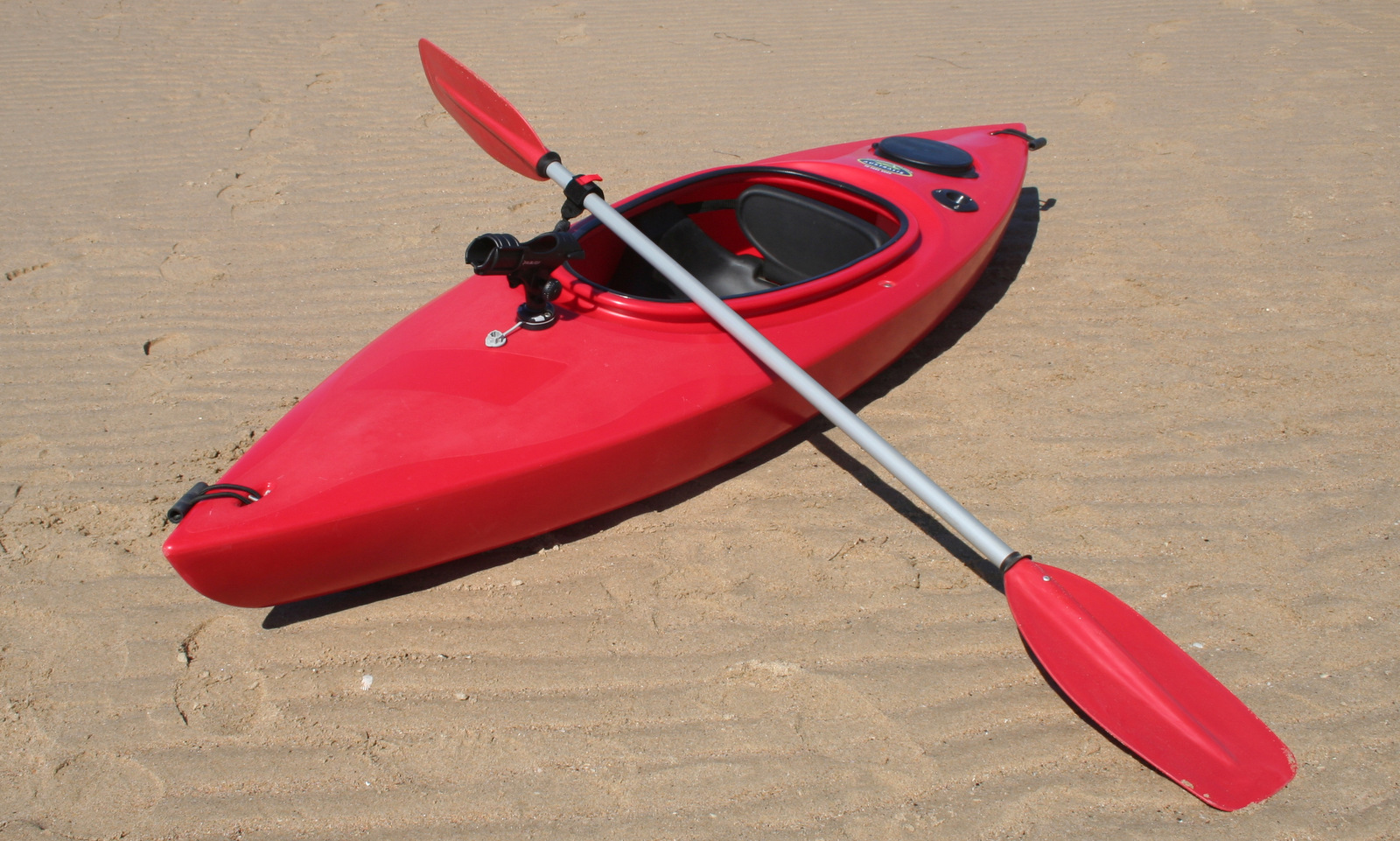
A kayak is a narrow, usually hard-shelled boat that you paddle with a double-bladed paddle. Kayaks were first used by Arctic people for hunting and travel. Today, there are many types:
- Recreational kayaks: Wide, stable, for lakes and calm rivers.
- Touring kayaks: Longer, faster, for longer trips.
- Whitewater kayaks: Short, strong, for rapids and rough water.
- Inflatable kayaks: Portable, can be similar to funyaks or more advanced.
- Sit-on-top kayaks: Open design, easy to climb on and off.
Kayaks are popular because they are fast, maneuverable, and handle many types of water. They can be made from plastic, fiberglass, carbon fiber, or inflatable materials.
Funyak Vs Kayak: Main Differences
To make the best choice, you need to know where these two watercraft are not the same. Below is a side-by-side comparison:
| Feature | Funyak | Kayak |
|---|---|---|
| Design | Inflatable, wide, sit-on-top | Hard or inflatable, narrow, sit-in or sit-on-top |
| Stability | Very stable, hard to tip | Varies (recreational = stable, touring = less) |
| Speed | Slow to medium | Medium to fast |
| Setup | Inflates in 5-10 min | Hard shell: ready to go, Inflatable: needs inflation |
| Transport | Fits in car trunk when deflated | Hard shell: needs roof rack, Inflatable: portable |
| Weight limit | Usually 200-300 kg | Varies 100-250 kg |
| Durability | Can puncture, but tough | Hard shell: very durable, Inflatable: less so |
| Price | $200-$600 | $300-$2000+ |
Which Is Better For Beginners?
If you are new to paddling, both can work. But there are a few things to consider:
- Funyaks are often easier for total beginners. They are almost impossible to tip over, and if you fall off, you can easily climb back on. The soft sides feel safer, especially for kids or nervous adults. Funyaks are forgiving—if you hit a rock, they bounce.
- Kayaks offer more control and skill development. A basic recreational kayak is stable and easy to paddle. However, some types (like touring or whitewater kayaks) are less stable and need practice to use safely.
If you want a gentle, low-stress way to enjoy the water, start with a funyak. If you want to learn paddling skills and grow into a sport, a kayak is a great choice.
Credit: www.outlandexpeditions.com
Funyak Pros And Cons
Every watercraft has strengths and weaknesses. Here’s what you get with a funyak:
Advantages
- Portability: Deflates to the size of a suitcase. No roof rack needed.
- Stability: Very hard to tip. Great for kids, pets, and beginners.
- Easy entry/exit: Sit-on-top design makes it simple to get on and off, even in deep water.
- Comfort: Soft floor and sides are gentle on your body.
- Affordable: Cheaper than most hard-shell kayaks.
- Safety: If you capsize, you can get back on easily.
Disadvantages
- Slower speed: Wider, softer hull means less speed.
- Wind sensitivity: Light weight can make it drift in the wind.
- Limited performance: Not suitable for long trips or rough seas.
- Puncture risk: Tough, but sharp objects can damage it.
- Less storage: Few places for gear or equipment.
- Shorter lifespan: Materials wear out faster than hard shell boats.
Kayak Pros And Cons
Kayaks are popular for a reason, but they also have downsides.
Advantages
- Speed and efficiency: Narrow hulls glide through water with less effort.
- Better tracking: Easier to paddle straight and handle waves.
- Versatility: Many types for different activities (fishing, touring, whitewater).
- Durability: Hard shells last for years, even decades, with care.
- Storage space: Hatches and decks for camping gear or fishing tackle.
- Skill growth: Good for learning advanced paddling techniques.
Disadvantages
- Heavier (hard shell): Can be hard to move and lift alone.
- Requires transport solution: Roof rack or trailer for hard shells.
- Less beginner-friendly: Some types are tippy or hard to get in/out.
- Cost: High-quality kayaks can be expensive.
- Setup time (inflatable): Some inflatable kayaks take time to assemble.
Funyak Vs Kayak: Performance On Water
How do they compare when you actually get on the water? Let’s look at a few real-world situations.
On Calm Lakes And Slow Rivers
Funyaks shine on calm, flat water. Their stability means you can relax, take pictures, or even let a child paddle. They are not fast, but that often does not matter for casual outings. If you want to picnic on a quiet lake or float down a gentle river, a funyak is a stress-free choice.
Kayaks are also great on lakes and slow rivers, but they move faster and track straighter. If you want to cover more distance or practice real paddling skills, a kayak is better. However, you might need to practice getting in and out, especially with a sit-in model.
On Whitewater
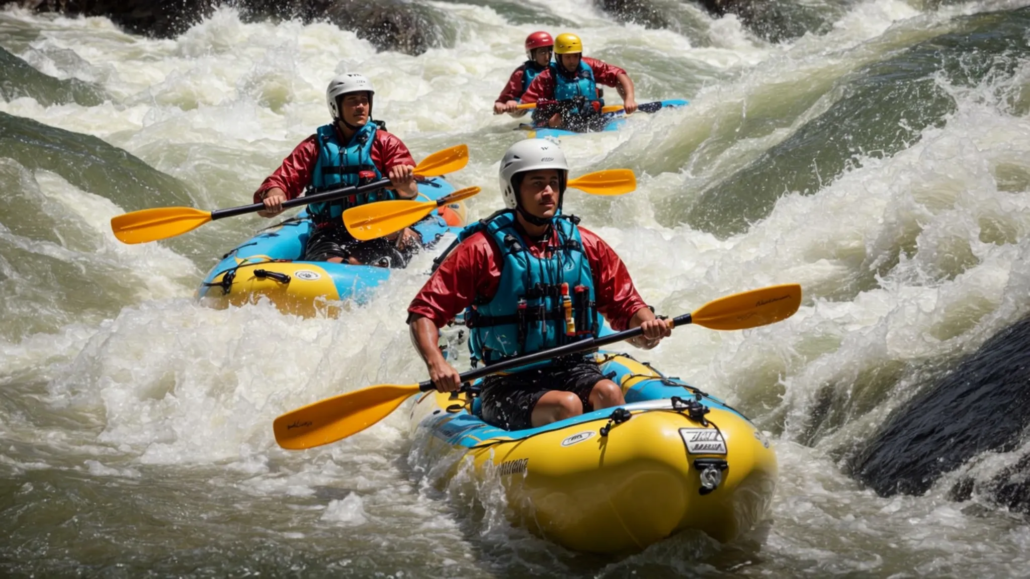
Most funyaks are not built for big rapids. They can handle small waves and gentle currents, but large rocks or strong water can flip or damage them. Some companies use special “whitewater funyaks” for guided river trips, which are tougher and have self-bailing floors. But for serious rapids, a true whitewater kayak is safer and more capable.
Whitewater kayaks are short, tough, and designed for fast turns and rolling. They can handle strong currents and obstacles. However, they are not for beginners without training.
On Coastal Waters
Funyaks are not a good idea for open sea or strong tides. Wind and waves can push them off course, and their soft sides are slow in rough water.
Sea kayaks or touring kayaks are made for long-distance paddling on the ocean or big lakes. They have strong hulls, storage for gear, and safety features like bulkheads and spray skirts. These kayaks are the best choice for exploring coastlines.
For Fishing
Funyaks are popular with casual anglers. Their stability lets you move around, and you can bring a small cooler or fishing gear. They are quiet and easy to manage in small ponds or gentle rivers.
Fishing kayaks, especially wide sit-on-top models, are even better for serious anglers. They have rod holders, storage hatches, and are designed for stability while casting or reeling in a fish.
Durability And Maintenance
A Key Question Is, How Long Will Your Boat Last?
- Funyaks: Most use thick PVC or rubberized fabric. They resist most bumps and scrapes but can be punctured by sharp rocks or sticks. With care, a good funyak lasts 3–8 years. Always dry it before storage to prevent mold and sun damage.
- Hard-shell kayaks: Made from plastic (polyethylene), fiberglass, or composite materials. These can last 10–20 years or more. They need little care—just rinse after use and avoid dropping them on hard surfaces.
- Inflatable kayaks: Similar to funyaks but sometimes use higher-tech fabrics. Lifespan can be 5–10 years with proper care.
A non-obvious tip: Many beginners forget to dry the inside of inflatable boats. Water trapped inside can cause mold or damage the seams over time.

Credit: newwaverafting.com
Comfort And User Experience
Comfort can mean the difference between a fun day and a sore back.
- Funyaks: Soft, flexible floors are easy on knees and feet. The open design keeps you cool but offers little protection from sun or splashes. Most have basic seats—bring a cushion for longer trips.
- Kayaks: Sit-in models shelter your lower body from wind and water. Many have adjustable seats with back support. Sit-on-top kayaks are great for warm weather but less comfy in cold or wet conditions.
A small detail beginners miss: Footrests in kayaks make paddling easier and prevent leg fatigue. Funyaks often lack proper foot braces, so long trips can get tiring.
Safety Considerations
Both types are safe if you use them correctly, but risks are different.
- Funyaks: Their stability means they are less likely to flip. If you do fall in, you can climb back easily. However, they are more likely to drift in wind, so always use a leash or anchor in open water.
- Kayaks: Sit-in kayaks can fill with water if you capsize. Learn how to do a “wet exit” and practice self-rescue. Always wear a life jacket with any boat.
A common mistake: Some people think funyaks don’t need safety gear. Always wear a life jacket, even in shallow water.
Cost Comparison
Budget is a big factor for many people. Here’s a rough price breakdown:
| Type | Entry-level | Mid-range | High-end |
|---|---|---|---|
| Funyak | $200 | $350 | $600 |
| Hard-shell Kayak | $300 | $700 | $2000+ |
| Inflatable Kayak | $250 | $500 | $1200 |
Remember, you may also need paddles, life jackets, pumps (for inflatables), and roof racks (for hard shells).
Who Should Choose A Funyak?
A funyak is best for people who:
- Want a portable boat for easy storage and travel
- Need maximum stability for kids, pets, or nervous beginners
- Paddle mostly on calm lakes or gentle rivers
- Prefer a budget-friendly option
- Want a boat that is easy to get in and out of
Funyaks are ideal for families, rental companies, or anyone who wants fun with little risk.
Who Should Choose A Kayak?
A kayak is best for people who:
- Want to learn paddling skills and improve over time
- Need a boat for longer trips or rougher water
- Plan to carry gear or equipment
- Are interested in fishing, touring, or whitewater
- Value speed and efficiency
Kayaks suit people who want to grow in the sport or try different types of water.
Common Mistakes Beginners Make
- Ignoring weight limits: Overloading any boat makes it unstable.
- Skipping safety gear: Always wear a life jacket, even if you can swim.
- Not checking water conditions: Funyaks are not for fast water or strong winds.
- Improper inflation (funyak/inflatable kayak): Too soft, and the boat is floppy; too hard, and seams can burst.
- Forgetting about storage and transport: Hard-shell kayaks need more space and a way to move them.
- Not learning basic rescue skills: Especially important for sit-in kayaks.
Credit: www.mestieritoscana.it
Real-world Examples
- Family vacation: A group of four wants to paddle on a small lake. They choose two funyaks for easy transport and stability. Even the youngest child feels comfortable.
- Solo explorer: Someone who wants to paddle on lakes and rivers and improve their skills chooses a recreational kayak. They learn basic strokes and go on longer trips each weekend.
- Fisherman: An angler picks a wide sit-on-top kayak with rod holders and storage. They can paddle to quiet spots and fish for hours.
- Adventure group: A tour company uses whitewater funyaks for guided river trips. The boats are stable but tough enough for easy rapids.
Environmental Impact
Both funyaks and kayaks have a small environmental footprint compared to motorboats. However, there are differences:
- Inflatable boats (funyaks and inflatable kayaks) are made from plastics that do not break down easily. Always repair rather than throw away if possible.
- Hard-shell kayaks last longer and can be recycled in some places.
- Carbon footprint: Shipping and manufacturing inflatables can use more resources, but they are easier to transport and store.
Pro tip: Rinse your boat after use to avoid spreading invasive species between lakes and rivers.
How To Choose: Key Questions To Ask
Before buying, answer these questions:
- Where will you paddle most? (Lake, river, sea, whitewater?)
- Who will use it? (Adults, kids, pets?)
- How will you store and transport it? (Car trunk, roof rack, garage?)
- What is your budget?
- Do you want to learn skills and grow in the sport?
Your answers will guide your choice between a funyak and a kayak.
Summary Table: Funyak Vs Kayak Quick Guide
Here’s a final side-by-side look at the most important differences:
| Feature | Funyak | Kayak |
|---|---|---|
| Stability | Very high | Varies by type |
| Speed | Low to medium | Medium to high |
| Setup | Inflate (5–10 min) | Hard shell: none; Inflatable: 10–15 min |
| Transport | Fits in small car | Hard shell needs roof rack |
| Use cases | Family, calm water | Sport, touring, fishing |
| Cost | Low to medium | Medium to high |
The Final Choice: Funyak Or Kayak?
Both funyaks and kayaks offer unique benefits. The best choice depends on your needs, where you paddle, and your goals. If you want a simple, safe, and portable boat for relaxing days, a funyak is perfect. If you want to learn new skills, go further, or try different types of water, a kayak is the better investment.
No matter what you choose, remember that water safety comes first. Take a lesson if you can, and always use the right safety gear. For more detailed information on types of kayaks and paddling safety, check out the Kayak Wikipedia page.
Enjoy your time on the water, explore new places, and make memories—whether you paddle a funyak or a kayak.
Frequently Asked Questions
What Is The Main Difference Between A Funyak And A Kayak?
A funyak is an inflatable, sit-on-top boat designed for stability and easy use. A kayak is usually a hard-shell or inflatable boat, often narrower and faster, with sit-in or sit-on-top options. Funyaks are best for beginners and calm water; kayaks suit more skill levels and water types.
Can I Use A Funyak In Whitewater Rapids?
Most funyaks are not made for strong rapids. Some companies use special “whitewater funyaks” for easy rapids, but for serious whitewater, a whitewater kayak is safer and more capable.
Which Is Easier To Transport And Store, A Funyak Or A Kayak?
Funyaks are much easier to transport and store because they deflate to fit in a bag. Hard-shell kayaks need a roof rack or trailer, while inflatable kayaks are similar to funyaks in portability.
Are Funyaks Good For Fishing?
Yes, funyaks are stable and comfortable for casual fishing on lakes or calm rivers. However, fishing kayaks offer more features like rod holders and storage.
How Long Do Funyaks And Kayaks Last?
A well-cared-for funyak usually lasts 3–8 years. Hard-shell kayaks can last 10–20 years or more. Inflatable kayaks fall somewhere in between, depending on materials and usage. Always rinse and dry your boat after use for the longest life.