
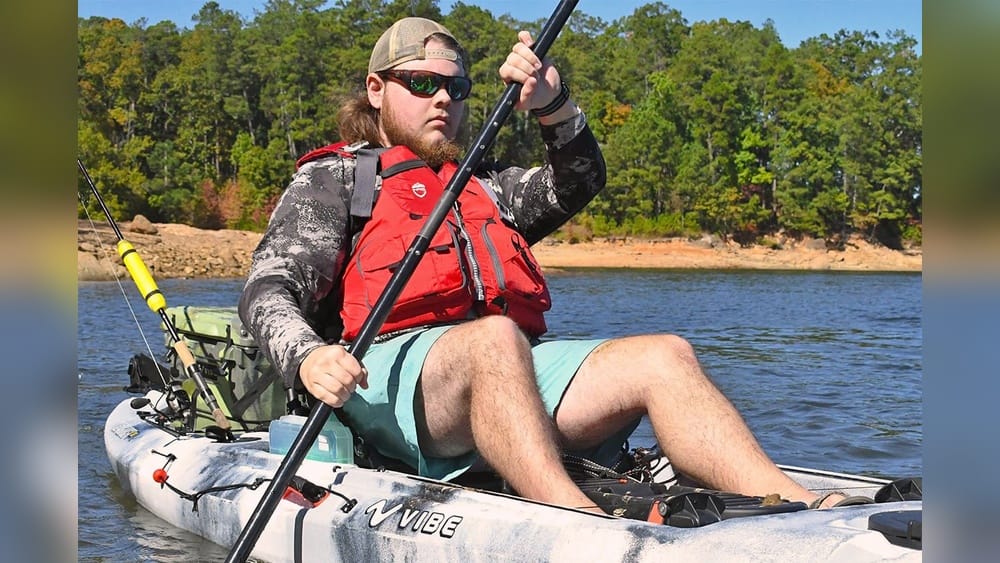
Kayaking is a great way to explore nature, enjoy fresh air, and get some exercise. But before you grab your paddle and hit the water, there’s one question you might be asking: Do I need a life jacket to kayak? This is a crucial topic, not just for beginners but for everyone who wants to stay safe and legal on the water. Whether you’re planning a quiet trip on a calm lake or an adventurous journey down a fast river, understanding the rules and reasons for wearing a life jacket can make all the difference.
Why Life Jackets Are Essential For Kayaking
When you think about kayaking, you might picture smooth paddling under the sun. But water is unpredictable. Even strong swimmers can get into trouble if their kayak flips or they hit unexpected currents. Life jackets, also called personal flotation devices (PFDs), are designed to keep your head above water and reduce the risk of drowning.
A surprising number of kayaking accidents happen to people who never expected to end up in the water. According to the U. S. Coast Guard, 70% of fatal boating accident victims drowned, and 86% of those were not wearing a life jacket.
That statistic alone shows why a life jacket isn’t just an accessory—it’s a lifesaver.
Legal Requirements For Life Jackets In Kayaking
Laws about life jackets can be confusing because they vary by country, state, and sometimes even by local waterway. However, there are common rules that most places follow.
United States Regulations
In the U.S., the Coast Guard requires that every kayak must have at least one approved life jacket for each person on board. If you’re under 13 years old, you must wear your life jacket at all times when the kayak is moving, except in enclosed cabins or below deck—though most kayaks don’t have these features.
The law doesn’t always say you must wear the jacket, but it must be within reach. However, just having it with you is not enough if you fall in the water and panic or become unconscious. That’s why safety experts always recommend wearing your life jacket, not just bringing it.
International Regulations
Other countries have similar laws. For example, in Canada, kayakers must carry a Canadian-approved PFD for each person. In the UK, while not always required by law, most organizations and clubs demand that you wear a life jacket during kayaking activities.
Always check the local rules before you paddle, as some regions have stricter requirements, especially for children and in dangerous waters.
Penalties For Non-compliance
If you are caught kayaking without the required life jacket, you could face fines, warnings, or even be banned from certain waterways. More important, not wearing a life jacket can put your life at risk if something goes wrong.
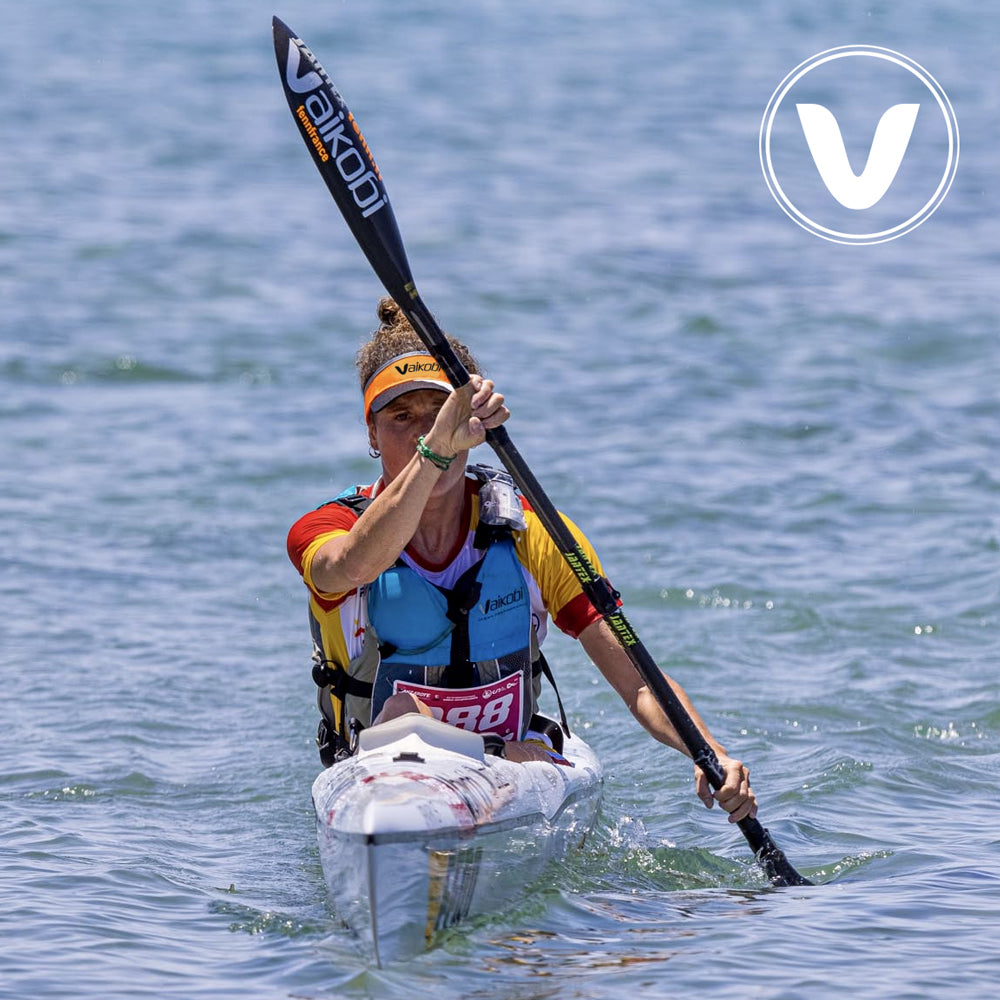
Credit: www.vaikobi.com
Types Of Life Jackets For Kayaking
Not all life jackets are created equal. There are several types, and some are better for kayaking than others.
U.s. Coast Guard Classification
Life jackets are classified by the U.S. Coast Guard into different types:
| Type | Best Use | Features |
|---|---|---|
| Type I | Offshore, rough water | Most buoyant, turns unconscious person face-up |
| Type II | Near-shore, calm waters | Less bulky, not always face-up |
| Type III | Most kayaking and water sports | Comfortable, good for active use |
| Type IV | Throwable device | Not worn, for emergency throwing |
| Type V | Specialized activities | Inflatable, hybrid, or work vests |
For kayaking, Type III life jackets are usually best. They balance comfort and safety, allowing free arm movement for paddling.
Special Features To Consider
Some life jackets are made for fishing, others for whitewater kayaking. Look for features such as:
- Adjustable straps for a snug fit
- Pockets for small gear
- Bright colors for visibility
- Reflective strips for low light conditions
When You Must Wear A Life Jacket While Kayaking
The rules about wearing a life jacket can depend on your location, age, and the type of kayaking you are doing.
Children And Youth
In most places, children must wear a life jacket at all times while kayaking. The age limit can be anywhere from 12 to 16, depending on local laws. Some regions also require adults to wear life jackets when paddling with children.
Whitewater And Rough Conditions
If you are kayaking in whitewater, ocean surf, or any dangerous water, it’s not just recommended—it’s often mandatory to wear a life jacket. Even experienced kayakers can get caught in rapids or strong waves that make swimming nearly impossible.
Night Kayaking
Some areas require everyone to wear a life jacket after sunset or in poor visibility. Darkness makes rescue harder, so being extra careful is smart.
Group And Club Activities
Kayaking clubs, guided tours, and organized events usually require everyone to wear a life jacket, regardless of skill level or water conditions.
Why Some Kayakers Skip Life Jackets (and Why It’s A Bad Idea)
Despite the risks, some people leave their life jackets behind, especially on calm, shallow water or during hot weather. Here are a few reasons why this happens:
- False sense of safety: Calm water seems harmless, but accidents can happen anytime.
- Comfort concerns: Some believe life jackets are too bulky or hot.
- Peer pressure: Others may not wear them, so you might feel awkward.
But these reasons do not outweigh the risks. Drowning can happen quickly and silently—even good swimmers can be knocked out, trapped, or swept away by currents. Wearing a life jacket is a simple step that saves lives.
How To Choose The Right Life Jacket For Kayaking
Picking the right life jacket isn’t just about meeting legal rules. Comfort, fit, and visibility can affect your safety and enjoyment.
Fit And Comfort
A life jacket should fit snugly but not restrict your movement. To check the fit:
- Put on the jacket and fasten all straps and zippers.
- Lift your arms above your head and ask a friend to gently pull up on the shoulder straps.
- If it moves up past your ears, it’s too loose.
Size And Weight Range
Life jackets come in sizes for adults, children, and even pets. Always check the weight range and chest size on the label to make sure it matches your body.
Kayaking-specific Features
Look for shorter cut vests for better arm movement, and mesh panels for breathability. Some jackets even have special pockets for whistles, lights, or snacks.
Price Vs. Quality
You don’t need the most expensive model, but very cheap life jackets might not last or fit well. Consider the water conditions where you’ll paddle. For rough water, invest in a high-quality, certified jacket.
What Happens If You Don’t Wear A Life Jacket
Choosing not to wear a life jacket while kayaking can have serious consequences beyond just getting a fine.
Increased Risk Of Drowning
Most kayaking deaths happen to people without a life jacket. Even shallow water can be deadly if you hit your head or become trapped.
Delayed Rescue
A life jacket keeps you visible and afloat, making it easier for rescuers to find and help you. Without one, you might tire quickly, especially in cold or rough water.
Legal Trouble
Law enforcement can issue fines or ban you from paddling in certain areas if you break life jacket laws.
Impact On Others
If you kayak with friends or family, not wearing a life jacket sends the wrong message and can put others at risk if they try to rescue you.
Common Myths About Life Jackets In Kayaking
Some beliefs about life jackets keep people from using them. Let’s clear up a few:
- “I’m a strong swimmer, I don’t need one.” Even Olympic swimmers can’t fight cold water shock or strong currents forever.
- “Life jackets are uncomfortable.” Modern designs are lightweight, adjustable, and made for active paddling.
- “It’s not cool to wear one.” Safety is always “cool.” Most experienced kayakers wear life jackets every time.
- “I’ll put it on if I need it.” In emergencies, you often don’t have time to grab and put on a life jacket.
Tips For Safe Kayaking With Life Jackets
Wearing a life jacket is just the start. Here are more tips to stay safe:
- Check your jacket before every trip for rips, broken buckles, or waterlogging.
- Practice swimming with your life jacket in calm water to get used to how it feels.
- Wear bright colors to help others see you on the water.
- Always bring a whistle attached to your jacket for signaling.
- Replace old or damaged jackets immediately.
Comparison: Life Jacket Types For Kayaking
If you’re still wondering which type to pick, here’s a quick comparison to help you decide:
| Feature | Type III (Standard) | Type V (Inflatable) |
|---|---|---|
| Comfort | Very good | Excellent, lightweight |
| Buoyancy | Good | High (when inflated) |
| Maintenance | Low | Needs regular checks |
| Activation | Always on | Manual or automatic inflation |
| Best For | All kayaking | Calm water, experienced users |
Most beginners and recreational kayakers do best with a Type III jacket. Inflatables (Type V) can be comfortable but may not be allowed in all situations and require special care.
Real-world Stories: Why Life Jackets Matter
Consider the story of a group kayaking trip where one person decided not to wear a life jacket because the weather was calm. When the kayak tipped, that person struggled in the water and needed help from others who were wearing their jackets.
This is a common situation—accidents happen without warning, and having a life jacket on can mean the difference between a close call and a tragedy.
Another example: in cold water, even strong swimmers can lose muscle control in less than a minute. A life jacket keeps you afloat even if your body stops responding.
Extra Insights Beginners Often Miss
Many new kayakers believe they will have time to put on a life jacket if something goes wrong. In reality, capsizes happen fast, and cold water can shock your body, making it hard to think clearly or take action.
Another detail: life jackets also protect you from the sun and bumps against rocks or your own kayak. Some models have padding that helps you avoid bruises during rough trips.
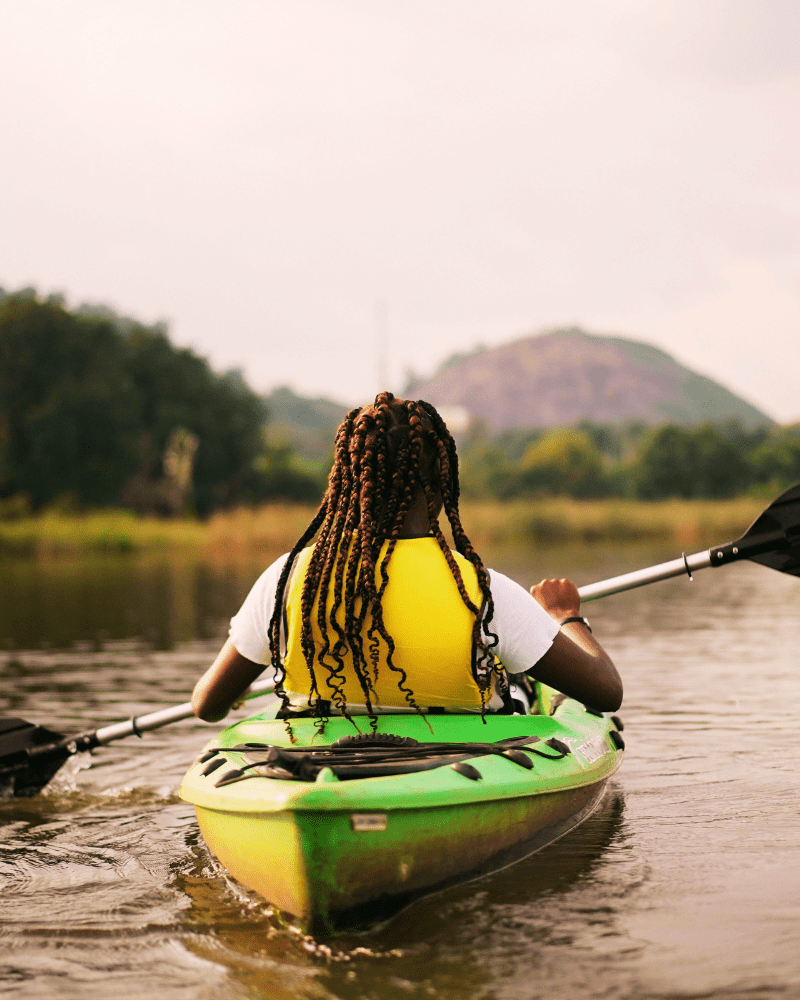
Credit: kayakish.com
Where To Learn More
For more detailed information on life jacket regulations and safety tips, visit the U.S. Coast Guard Boating Safety page.
Frequently Asked Questions
Is It Illegal To Kayak Without A Life Jacket?
In most places, you must have a life jacket with you in the kayak. Children are usually required to wear it at all times. Adults may not have to wear it on calm waters, but it’s always the safest choice.
What Type Of Life Jacket Is Best For Kayaking?
Type III life jackets are usually best for kayaking. They are comfortable, allow good arm movement, and are approved for most water activities.
Can I Use An Inflatable Life Jacket While Kayaking?
Inflatable life jackets (Type V) can be used for kayaking in some places but are not allowed everywhere. They require more maintenance and are best for experienced paddlers in calm conditions.
Do Life Jackets Expire?
Yes, life jackets can wear out over time. Check for broken straps, faded labels, or waterlogged foam. Replace your jacket if it shows signs of damage or no longer fits well.
Are There Any Exceptions To Life Jacket Rules?
Some private lakes or clubs may have different rules. Always check local regulations before you paddle. Remember, even if not required by law, wearing a life jacket is the safest choice.
Kayaking is a wonderful adventure, but water safety should always come first. Wearing the right life jacket is a small step that makes a big difference. Whether you’re new to the sport or have years of experience, never take unnecessary risks—let your life jacket be part of every trip.
Stay safe and enjoy your time on the water!
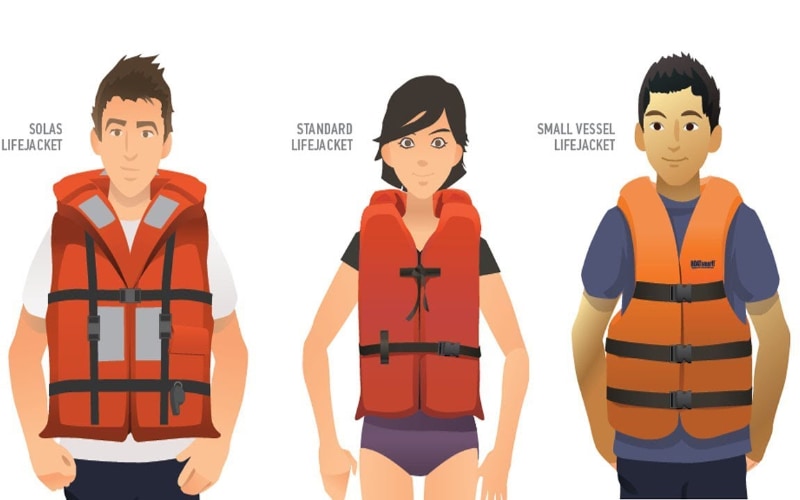
Credit: www.xingdunmarine.net