
If you’re planning a kayaking trip in 60 degree weather, you might be wondering what to wear to stay comfortable, safe, and dry. Sixty degrees can feel cool, especially when you add wind, splashing water, and the chance of a dip in the river or lake. Dressing right can make your trip enjoyable and keep you protected from the elements. Here’s a detailed guide covering 60 essential clothing and gear items, plus important tips, to help you kayak with confidence in these conditions.
Understanding 60 Degree Weather For Kayaking
Before choosing your outfit, it’s important to know that 60 degrees Fahrenheit is cool, but not freezing. The air might feel comfortable, but water can be much colder. Hypothermia is still a risk if you fall in. You need clothing that keeps you warm if you get wet, but not so heavy that you overheat while paddling. Layering and smart material choices are key.
60 Essential Items To Wear And Bring For Kayaking In 60 Degree Weather
Here are the 60 individual items and gear you should consider for a safe and enjoyable kayaking adventure.
1. Moisture-wicking Base Layer Top
Start with a synthetic or merino wool shirt as your base. It keeps sweat away from your skin, so you stay warm and dry.
2. Moisture-wicking Base Layer Bottoms
Wear leggings or long underwear made from synthetic or merino wool. Cotton holds moisture and can make you cold.
3. Lightweight Fleece Jacket
A thin fleece jacket adds insulation without bulk and is easy to remove if you get too warm.
4. Fleece Pants Or Tights
Layer these over your base bottoms for extra warmth, especially if you tend to get cold easily.
5. Waterproof/breathable Paddling Jacket
A paddling jacket keeps wind and water out, but lets sweat escape. Look for adjustable cuffs and a high collar.
6. Waterproof/breathable Paddling Pants
These protect your legs from splashes and wind, and are easy to take on and off.
7. Dry Suit
If you’ll be in rough water or there’s a risk of capsizing, a dry suit is the safest option. It keeps you completely dry, even if you fall in.
8. Wet Suit (farmer John/jane Style)
A 2-3mm neoprene wet suit is a good middle choice. It traps a thin layer of water next to your skin, which warms up and insulates you.
9. Paddling Gloves
Hands get cold fast when wet. Wear neoprene or synthetic gloves for grip and warmth.
10. Neoprene Pogies
These are covers that go over your paddle, keeping your hands warm while still letting you grip the paddle directly.
11. Wool Or Synthetic Socks
Never wear cotton socks. Wool or synthetic socks dry quickly and keep your feet warm even when damp.
12. Neoprene Booties
These protect your feet from cold water, sharp rocks, and slipping.
13. Water Shoes Or Sandals
If you don’t have booties, wear sturdy water shoes with good grip. Avoid flip-flops.
14. Warm Beanie Or Cap
A fleece or wool beanie helps retain body heat, especially if the wind picks up.
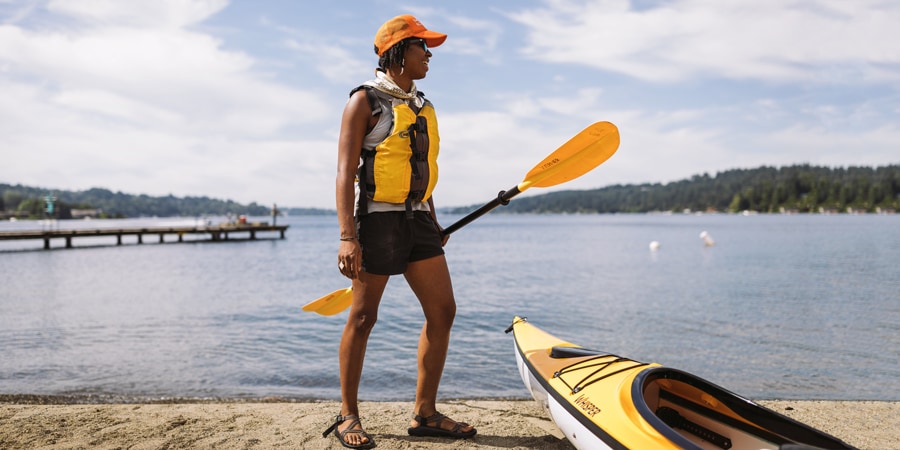
15. Sun Hat With Brim
On sunny days, protect your face and neck with a wide-brimmed hat.
16. Buff Or Neck Gaiter
A neck gaiter keeps your neck warm and can be pulled up to cover your face if needed.
17. Lightweight Balaclava
For extra chilly conditions, a balaclava covers your head, neck, and part of your face.
18. Polarized Sunglasses
Protect your eyes from glare on the water with UV-blocking, polarized sunglasses.
19. Sunglasses Strap
A simple strap ensures your sunglasses don’t fall in and get lost.
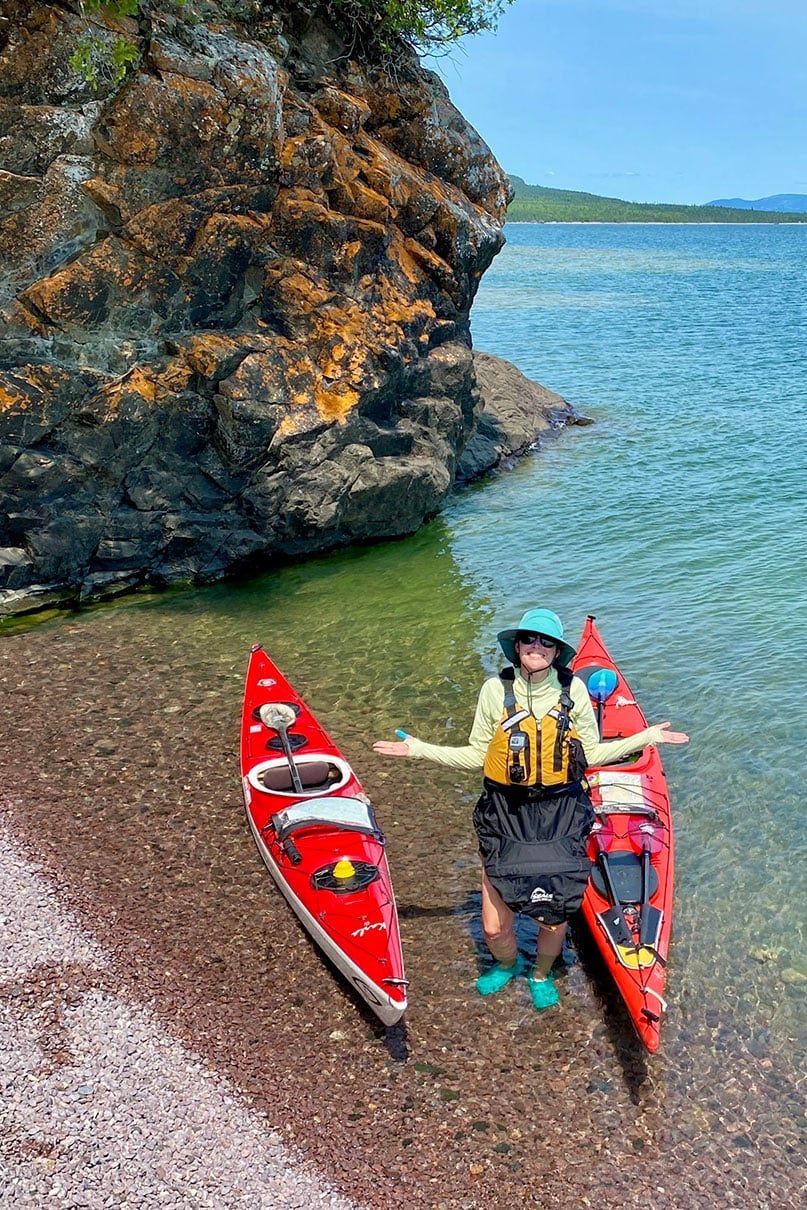
20. Personal Flotation Device (pfd)
Always wear a properly fitted life jacket or PFD. It’s the most important safety item.
21. Quick-dry Shorts
If you prefer shorts, pick synthetic, quick-drying ones. Wear them over your base layer for comfort.
22. Convertible Pants
These zip-off pants can be adjusted for changing weather and dry quickly.
23. Spray Skirt
A spray skirt keeps water out of your kayak, especially in choppy conditions.
24. Waterproof Watch
Track time and check tides with a water-resistant watch.
25. Light Rain Shell
A thin, packable rain jacket is handy for sudden showers.
26. Windbreaker
A lightweight windbreaker offers extra protection on breezy days.
27. Thermal Shirt
If you get cold easily, add a thin thermal shirt under your other layers.
28. Thermal Leggings
Pair these with your thermal top for full-body warmth.
29. Insulated Vest
A vest adds warmth to your core without restricting arm movement.
30. Compression Shorts
Wear these under your main layers to prevent chafing and add support.
31. Compression Shirt
A base layer compression shirt helps with comfort and moisture management.
32. Paddling-specific Shirt
These shirts have features for kayakers, like sun protection and quick drying.
33. Paddling-specific Shorts
Similar to shirts, these are designed for water sports comfort.
34. Waterproof Socks
For cold or wet conditions, waterproof socks are a great extra layer.
35. Dry Bag
Keep your spare clothes and electronics safe in a waterproof dry bag.
36. Lightweight Backpack
Bring a packable backpack for snacks, water, and gear.
37. Towel
A microfiber towel dries you off quickly and packs small.
38. Change Of Clothes
Always have a full set of dry clothes for after your trip.
39. Lightweight Rain Pants
If heavy rain is possible, rain pants add another layer of protection.
40. Emergency Blanket
This lightweight blanket can keep you warm in an emergency.
41. Hand Warmers
Single-use or rechargeable, these are nice for cold fingers.
42. Ear Warmers
A fleece or neoprene band can protect your ears from wind.
43. Waterproof Phone Case
Protect your phone from splashes and rain.
44. Headlamp Or Small Flashlight
If you’ll be out late or start early, a headlamp is essential.
45. Lip Balm With Spf
Protect your lips from sun and wind.
46. Sunscreen (waterproof)
Even on cool or cloudy days, the sun reflects off water.
47. Bug Spray
Mosquitoes and biting flies can be a problem, especially near shore.
48. First Aid Kit
Always carry a small kit with bandages, antiseptic, and any needed medicine.
49. Kayak Bilge Pump
For sit-in kayaks, this helps remove water from your boat.
50. Whistle
Attach to your PFD for signaling in an emergency.
51. Rescue Throw Rope
Especially if paddling with others, it can save lives in a capsize.
52. Knife Or Multi-tool
A small knife is handy for safety and repairs.
53. Energy Snacks
Bring high-energy food like bars or nuts for long trips.
54. Water Bottle With Strap
Stay hydrated. Attach the bottle so it won’t float away.
55. Repair Kit
A small kit for fixing a paddle or kayak on the go.
56. Kayak Seat Pad
If your seat is hard, a pad adds comfort for longer trips.
57. Paddle Leash
Prevents your paddle from drifting away if you drop it.
58. Map Or Waterproof Gps
Know your route and avoid getting lost.
59. Weather Radio Or App
Check weather before and during your trip.
60. Emergency Contact Device
A waterproof phone, VHF radio, or satellite beacon for emergencies.
Credit: paddlingmag.com
How To Layer Clothing For 60 Degree Kayaking
Layering is the smartest way to dress for kayaking in 60 degree weather. Here’s how to do it:
- Base Layer: Start with thin, synthetic or wool clothing that wicks moisture.
- Insulating Layer: Add fleece or thermal layers for warmth.
- Outer Layer: Top with waterproof and windproof jackets and pants or a dry suit.
- Accessories: Add gloves, hats, and socks as needed for your hands, feet, and head.
If you get hot, you can remove a layer and stow it in your dry bag. If you get cold or wet, put it back on.
What Matters Most When Choosing Kayak Clothing
When choosing your kayaking outfit, focus on:
- Material: Synthetic and wool are best. Avoid cotton.
- Fit: Clothing should be snug but not tight.
- Flexibility: You need to move freely.
- Weather Protection: Wind and water resistance are key.
- Safety: Bright colors make you more visible.
Comparing Popular Layering Combinations
Here’s a comparison of three common clothing setups for kayaking in 60 degrees:
| Layering Option | Warmth | Water Protection | Flexibility |
|---|---|---|---|
| Base + Fleece + Rain Shell | Moderate | Good | High |
| Wet Suit + Paddling Jacket | High | Moderate | Medium |
| Dry Suit Only | Very High | Excellent | Medium |
Common Mistakes To Avoid
Many beginners make these mistakes:
- Wearing cotton clothing (it stays wet and cold)
- Forgetting a change of clothes
- Not layering (risk overheating or getting too cold)
- Skipping sunscreen (sunburn happens even on cool days)
- Ignoring your feet and hands (they get cold first)
Practical Tips For Kayaking Comfort And Safety
- Test your clothing at home with a bucket of water—see how it feels wet.
- Always bring a dry bag for spare clothing.
- Choose bright colors for safety and visibility.
- Plan ahead. If the weather changes, you’ll be ready.
Kayak Clothing For Different Types Of Trips
Short, close-to-shore trips require less gear than long, open water journeys. For short outings, you might skip the dry suit but always wear a PFD. For longer trips, bring extra layers, a rescue rope, and more snacks.
Credit: www.rei.com
How Water Temperature Affects Clothing Choice
Even if the air is 60°F, the water can be 50°F or colder. This is still cold enough for hypothermia. Always plan for the possibility of getting wet.
| Water Temperature (°F) | Recommended Clothing | Hypothermia Risk |
|---|---|---|
| 60–70 | Wet suit or layers + PFD | Moderate |
| 50–60 | Wet or dry suit + layers | High |
| Below 50 | Dry suit required | Very High |
Extra Insights Most Beginners Miss
One thing many people forget: wind chill on the water. Even if 60°F feels fine on land, wind and wet clothing can make you much colder. Also, always check the actual water temperature—not just the air. And remember, good gear doesn’t need to be expensive, but it should be dependable. Try gear out before your trip, and adjust as needed.
Where To Learn More
For more on kayak safety and clothing, check the American Canoe Association: American Canoe Association.
Frequently Asked Questions
What Is The Most Important Thing To Wear When Kayaking In 60 Degree Weather?
The personal flotation device (PFD) is always the top priority. It keeps you safe if you capsize or fall in, regardless of what else you’re wearing.
Should I Wear A Wetsuit Or Dry Suit In 60 Degree Weather?
If the water is cold, a wetsuit is good for short trips or warm days. For long trips or colder water, a dry suit is safer. Always check the water temperature, not just the air.
Can I Wear Regular Athletic Clothes For Kayaking?
You can, but make sure they are synthetic or wool, not cotton. Cotton holds water and will make you cold.
What Shoes Are Best For Kayaking?
Neoprene booties are ideal. If you don’t have those, use water shoes or sandals with good grip. Never go barefoot or wear flip-flops.
Why Do I Need So Many Layers?
Layers let you adjust your clothing to stay comfortable as the weather changes. You can add or remove layers as you get hot or cold, which is essential for comfort and safety.
Dressing properly for kayaking in 60 degree weather is about being prepared for anything. With the right gear, you can enjoy your time on the water with confidence, no matter what the conditions bring. Stay safe, stay warm, and happy paddling!

Credit: www.aquabound.com