
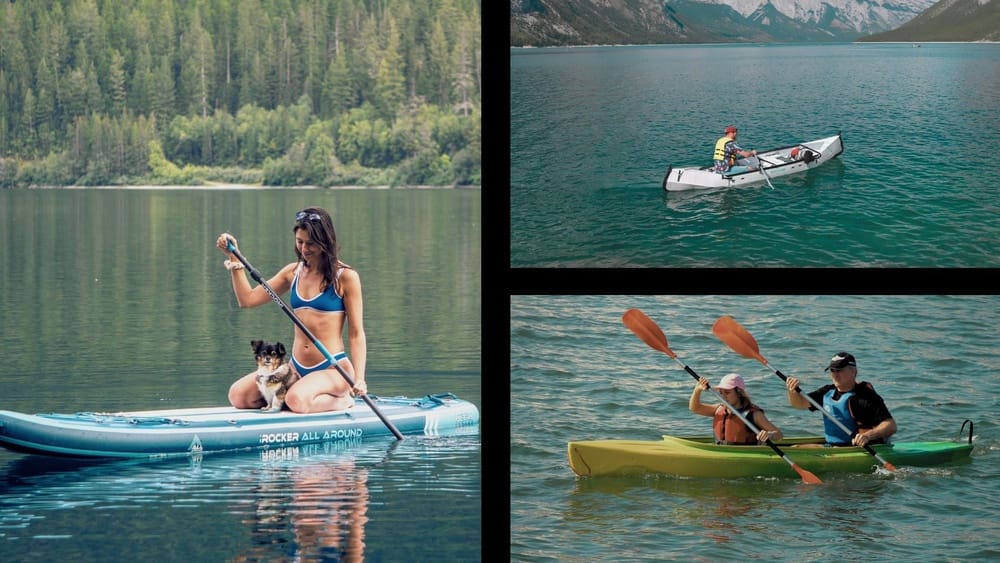
Water sports are more popular than ever, and three options stand out for both beginners and experts: kayaks, canoes, and paddle boards. Each craft offers a unique experience on the water, shaped by their design, how you use them, and the skills needed. Choosing between them is not always easy, especially if you are new to paddling. Many people ask: What’s the difference? Which one is best for me? How hard is each to learn? This article answers all of these questions and more, breaking down the kayak vs canoe vs paddle board debate in detail.
Whether you want to spend a peaceful afternoon on a lake, try a workout on the water, or plan an adventurous river trip, understanding these three watercraft is essential. You’ll learn their main differences, what it feels like to paddle each one, which is safer, and what to consider before buying or renting.
By the end, you will feel confident choosing the right craft for your next water adventure.
What Is A Kayak?
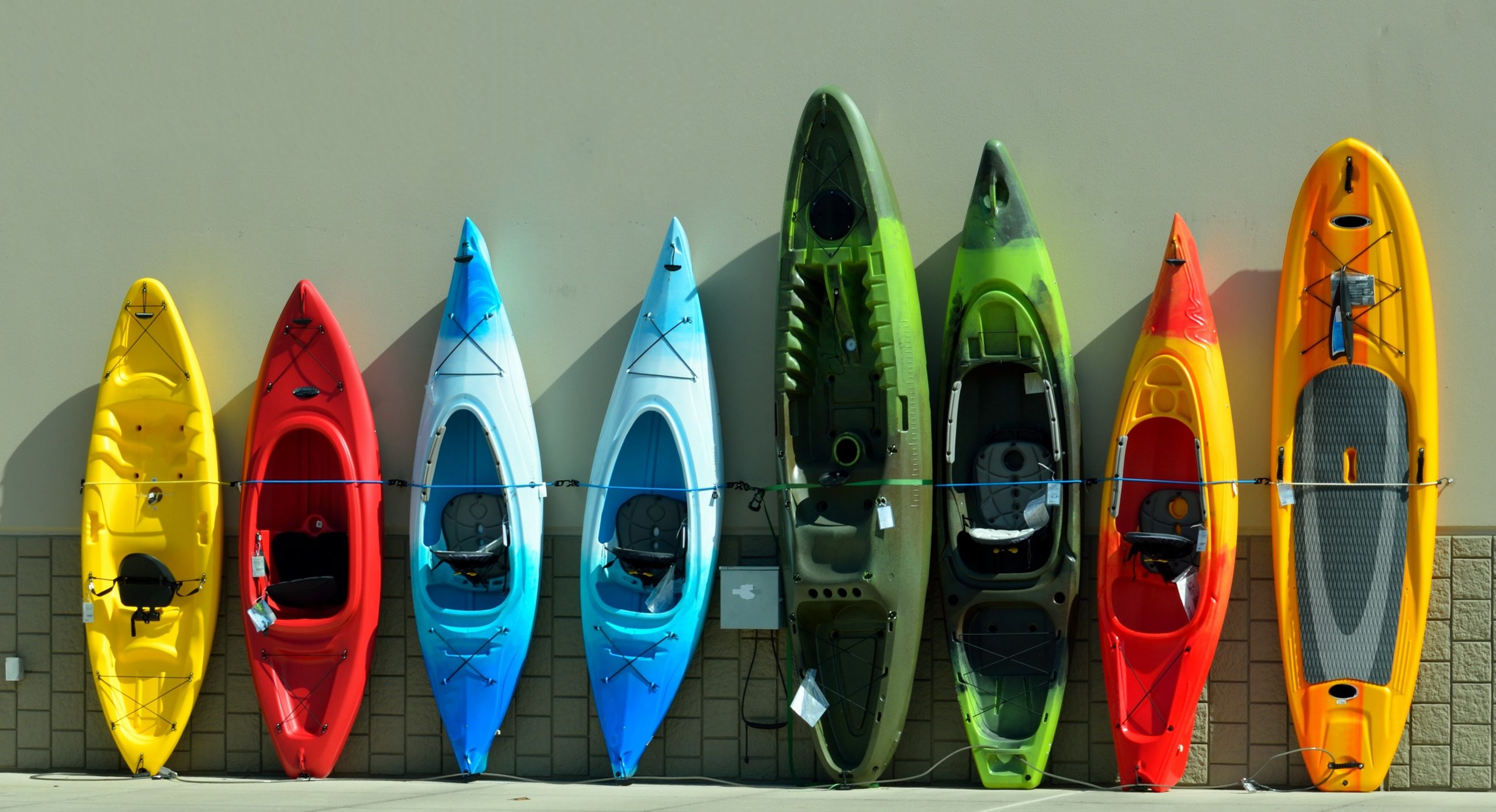
A kayak is a narrow, closed-deck boat where the paddler sits inside, legs stretched forward. You use a double-bladed paddle to move and steer. Kayaks come in several types, including sit-inside, sit-on-top, inflatable, and whitewater kayaks. Traditionally, kayaks were invented by the Inuit people for hunting and travel across icy waters.
Kayaks are popular because they are fast, agile, and suitable for many water conditions, from calm lakes to rough seas. They are often used for touring, fishing, whitewater paddling, and even ocean exploration. The closed cockpit helps keep you dry and stable, especially in rough water.
Most modern kayaks are made from materials like plastic, fiberglass, or composite blends, which makes them strong but lightweight.
What Is A Canoe?
A canoe is usually an open boat with high sides. The paddler either sits on a bench or kneels inside. You use a single-bladed paddle, switching sides to keep the boat moving straight. Canoes were developed by Native American tribes and early explorers for travel and carrying goods across lakes and rivers.
Canoes are known for their stability and large capacity. They can carry more people and gear than kayaks or paddle boards, making them popular for family trips or camping adventures. Canoes are often used on flatwater lakes, gentle rivers, or slow-moving streams.
Their open design makes it easy to get in and out, and you can move around inside them more freely than in a kayak.
Credit: virginiawatertrails.org
What Is A Paddle Board?
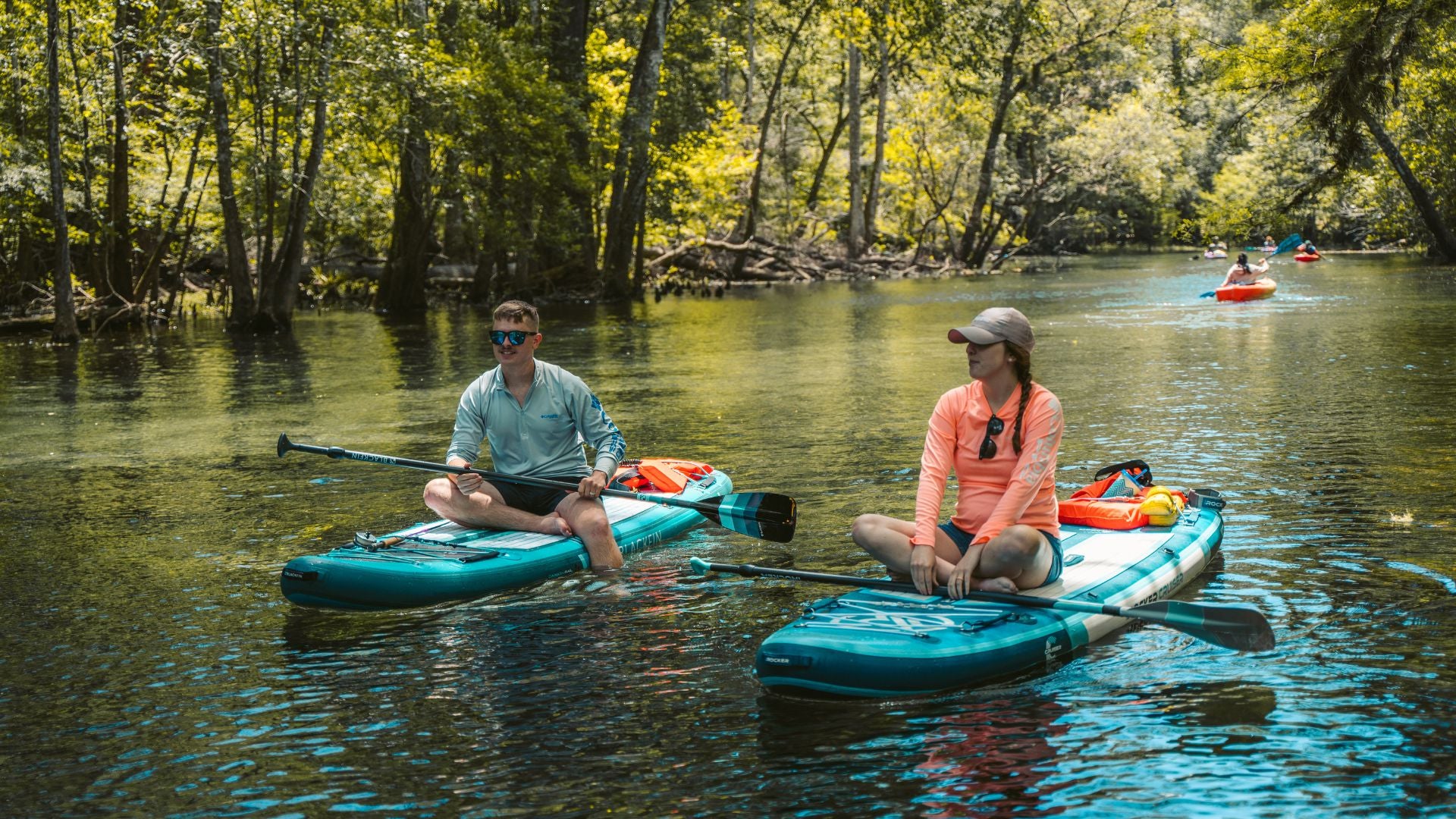
A paddle board, or stand-up paddleboard (SUP), is a long, flat board that floats on water. You stand or kneel on top and use a long, single-bladed paddle. SUPs first became popular in Hawaii but are now used worldwide for recreation, fitness, yoga, surfing, and even fishing.
Paddle boards are easy to transport and store. They are made from materials like fiberglass, foam, plastic, or inflatable PVC. SUPs are usually used on calm lakes, slow rivers, and ocean bays, though some are designed for surfing waves. Paddling a SUP gives you a full-body workout and a unique view of the water around you.
Main Differences: Kayak Vs Canoe Vs Paddle Board
Many people confuse these three craft, but they have key differences in design, paddling style, stability, and use.
Boat Design
- Kayaks: Enclosed or semi-enclosed cockpit, sit inside with legs stretched out, low to the water.
- Canoes: Open deck, sit or kneel on a bench, higher sides than kayaks.
- Paddle Boards: No cockpit, flat open deck, you stand or kneel on top.
Paddling Position
- Kayak: Sit inside, legs forward. Paddle with two blades.
- Canoe: Sit or kneel inside. Paddle with one blade, switching sides.
- Paddle Board: Stand or kneel on top. Paddle with one long blade.
Stability And Learning Curve
- Kayak: Medium stability. Easier to learn than people think, but takes practice to master steering.
- Canoe: High initial stability, less likely to tip. Good for beginners, especially families.
- Paddle Board: Depends on width. Wide SUPs are stable, but standing takes practice.
Speed And Control
- Kayak: Fast, easy to steer, great for long distances or rough water.
- Canoe: Slower, turns less sharply, but tracks well in straight lines.
- Paddle Board: Medium speed, easy to turn, but affected by wind and current.
Capacity
- Kayak: Usually 1-2 people, limited gear space.
- Canoe: 2-4 people, lots of gear.
- Paddle Board: 1 person, sometimes 2, limited gear.

Credit: harpersferryadventurecenter.com
Pros And Cons Of Each Watercraft
To help you compare, here’s a quick overview of the main advantages and disadvantages of kayaks, canoes, and paddle boards.
| Watercraft | Pros | Cons |
|---|---|---|
| Kayak | – Fast and agile – Good for solo paddling – Enclosed deck keeps you dry – Handles rough water well |
– Limited gear space – Hard to get in/out on water – Can feel unstable for beginners |
| Canoe | – Very stable – High capacity for people/gear – Easy entry and exit – Good for fishing and camping |
– Slower than kayaks – Harder to paddle solo – Open design means you get wet easily |
| Paddle Board | – Great full-body workout – Easy to transport – Versatile for yoga, fitness – Good visibility |
– Balance needed – Limited gear space – Wind can affect movement |
When To Choose A Kayak
Kayaks are best if you want speed, agility, and adventure. They are ideal for people who want to paddle alone or with one other person. Kayaks are perfect for:
- Exploring lakes, rivers, and coastal areas
- Covering long distances quickly
- Navigating rough or choppy water
- Fishing, touring, or whitewater paddling
If you enjoy being close to the water and want a more active, athletic experience, a kayak is a great choice. Modern kayaks come in many types:
- Sit-inside kayaks: Great for cold water or long trips.
- Sit-on-top kayaks: Good for warm climates, easy to enter and exit.
- Inflatable kayaks: Easy to store and transport.
- Whitewater kayaks: Short, agile, designed for rapids.
Kayaks also offer a variety of accessories, such as waterproof storage, fishing mounts, and spray skirts for wet conditions.
When To Choose A Canoe
Canoes are the go-to craft for families, groups, or anyone who wants a relaxed trip with lots of gear. Choose a canoe if you:
- Plan to paddle with children or pets
- Want to pack camping equipment
- Prefer calm lakes or gentle rivers
- Enjoy fishing, bird watching, or photography
Canoes are often used for multi-day trips because of their capacity and comfort. You can move around inside, stretch your legs, or switch paddlers with ease. Traditional canoes are made from wood, but modern versions use lightweight materials like aluminum, plastic, or fiberglass.
When To Choose A Paddle Board
Paddle boards are best for people who want exercise and versatility on the water. They are good for:
- Short trips on calm water
- Fitness, yoga, or stretching
- Surfing small waves
- People with limited storage space
SUPs are also popular with city dwellers because inflatable models can fit in a car trunk or closet. You can use them for fishing (with special gear), or even bring a child or dog along. Paddle boarding improves your balance, strengthens your core, and gives you a unique view of your surroundings.
Detailed Comparison: Kayak Vs Canoe Vs Paddle Board
Below you’ll find a head-to-head comparison of key features.
| Feature | Kayak | Canoe | Paddle Board |
|---|---|---|---|
| Learning Curve | Moderate | Easy | Easy to moderate |
| Stability | Medium | High | Varies by width |
| Speed | Fast | Medium | Medium |
| Solo or Group | Usually solo/2-person | 2-4 people | Solo (sometimes 2) |
| Gear Storage | Limited | Large | Small |
| Water Conditions | All (flat, river, sea) | Flat, gentle rivers | Calm water, surf |
| Transport & Storage | Medium | Bulky | Easy (especially inflatables) |
How To Choose: Key Factors To Consider
Choosing between a kayak, canoe, or paddle board depends on several important factors. Here’s what to think about before making your decision.
1. Where Will You Paddle?
- Lakes: All three work well, but canoes and SUPs are best for calm lakes.
- Rivers: Kayaks and canoes handle rivers. Choose a kayak for whitewater.
- Sea/Ocean: Kayaks and SUPs can handle ocean waves; canoes are less suitable.
2. Who Is Paddling?
- Solo: Kayak or paddle board.
- Group or family: Canoe.
- With kids or pets: Canoe or wide SUP.
3. What’s Your Main Goal?
- Exercise: Paddle board or kayak.
- Relaxation: Canoe or wide SUP.
- Adventure/Speed: Kayak.
4. How Much Gear Do You Need?
- Camping trips: Canoe.
- Fishing: Any, but look for specialized models.
- Just a water bottle and phone: Kayak or SUP.
5. Budget And Storage
- Kayaks: $300–$2000+; need garage or roof rack.
- Canoes: $500–$2000+; need more space.
- SUPs: $200–$1200; inflatable options fit in a closet.
Don’t forget to factor in the cost of paddles, life jackets, and other gear.
Safety: Which Is Safest?
Safety depends more on your skill, weather, and water conditions than on the craft itself. However, there are some general trends:
- Canoes are stable and unlikely to tip on calm water. But if they do tip, getting back in can be difficult.
- Kayaks are less stable at first, but easier to right and re-enter if you practice.
- Paddle boards are easy to climb back onto after a fall, but you must be comfortable in the water.
For all three, always wear a life jacket. Beginners should stick to calm, sheltered water until they gain confidence. Learn basic rescue skills for your craft, and check local weather and water conditions before heading out.
Skill Level: Which Is Easiest For Beginners?
- Canoe: Easiest for total beginners, especially with a partner.
- Kayak: Moderate, but easier than people think. You can learn basics in an hour.
- Paddle Board: Easy to learn on a wide, stable board. Standing up and turning takes practice.
A common mistake is to choose a narrow or unstable craft as a beginner. Always test the boat or board before buying, if possible.
Fitness And Health Benefits
Each craft offers different health benefits:
- Kayaking: Strong arms, shoulders, core, and back. Good cardio workout.
- Canoeing: Full-body, but less intense than kayaking. Good for joint health.
- Paddle Boarding: Excellent for balance, core strength, legs, and arms. Many people use SUPs for yoga or stretching.
Paddling also reduces stress and improves mental health. Many studies show that spending time near water can boost your mood and overall well-being.
Costs: What To Expect
Here’s a general price range for new craft:
| Type | Low End ($) | High End ($) | Extras Needed |
|---|---|---|---|
| Kayak | 300 | 2500 | Paddle, PFD, spray skirt, rack |
| Canoe | 500 | 2500 | Paddle, PFD, rack |
| Paddle Board | 200 | 1200 | Paddle, PFD, leash, pump (if inflatable) |
Renting is also a smart way to try before you buy. Rentals usually cost $10–$30 per hour.
Non-obvious Insights Most Beginners Miss
- Wind and Weather Matter More Than You Think: Paddle boards and canoes are affected by wind much more than kayaks. Even a light breeze can make paddling difficult, especially on a SUP. Check wind forecasts before you go.
- Not All Life Jackets Are the Same: Choose a life jacket designed for your specific craft. Kayak vests allow free arm movement, while SUP belts are less bulky but still provide safety.
- Practice Re-entry: If your kayak or SUP tips, practice getting back in or on in shallow water before heading out far. This builds confidence and prepares you for real situations.
- Try Before You Buy: Many beginners buy the wrong size or style. Renting or demo days help you find what feels comfortable.
- Transport and Storage Can Be a Deal-Breaker: A big canoe is hard to transport and store in a small car or apartment. Inflatable kayaks and SUPs solve this problem.
Environmental Impact
All three craft are eco-friendly because they do not use motors or fuel. However, paddle boards and inflatable kayaks are made with plastics and PVC, which can impact the environment if not disposed of properly. Look for brands using recycled or sustainable materials when possible. Always follow local rules to protect rivers, lakes, and wildlife.
Credit: irockersup.ca
Popular Activities For Each Craft
- Kayak: Touring, sea kayaking, whitewater, fishing, racing.
- Canoe: Family trips, camping, fishing, gentle river runs.
- Paddle Board: Fitness, yoga, surfing, short trips, photography.
Some people even combine activities, such as SUP fishing or kayak camping.
Real-world Examples
- Kayak Touring: Many people paddle the Great Lakes in North America for days at a time, carrying camping gear in their kayaks.
- Canoe Camping: In Canada, families use canoes to travel between remote lakes, carrying tents and supplies.
- SUP Yoga: In cities like Austin, Texas, early-morning yoga classes take place on paddle boards in calm bays.
Maintenance And Care
- Kayaks: Rinse with fresh water after saltwater use. Store out of sunlight. Check for cracks or leaks.
- Canoes: Wooden canoes need oil or varnish. Plastic/fiberglass needs only washing.
- Paddle Boards: Rinse off dirt and sand. Store inflated (if space allows) or deflated in a cool, dry place.
All crafts last longer if kept out of direct sun and stored dry.
Where To Learn More
For those interested in deeper research, the American Canoe Association offers lessons, safety tips, and events for all three watercraft. You can visit their official website at American Canoe Association for more.
Frequently Asked Questions
Is Kayaking, Canoeing, Or Paddle Boarding Better For Beginners?
Canoeing is often the easiest for total beginners, especially with a partner. Kayaking is also beginner-friendly, while paddle boarding requires some balance but is easy to learn on a wide board.
Which Is Safer: Kayak, Canoe, Or Paddle Board?
All can be safe with the right preparation, but canoes are very stable on calm water. Kayaks handle rough water better, and paddle boards are easy to climb back onto after a fall. Always wear a life jacket and learn basic rescue skills.
Can I Use A Paddle Board For Fishing Or Yoga?
Yes. Many SUPs are designed for fishing, with mounts for gear. Wide, stable boards are ideal for yoga and stretching. Just choose a board with enough space and weight capacity.
What Is The Best Choice For Families With Children?
Canoes are the best for families due to their high capacity and stability. You can easily bring children, pets, and lots of gear. Wide paddle boards are also an option for short trips with one child or pet.
Which Craft Is Best For Traveling And Storage In A Small Space?
Inflatable paddle boards and inflatable kayaks are easiest to store and transport. They fit in a car trunk or closet and are lightweight. Hard canoes and kayaks need more space and a roof rack or trailer.
Choosing between a kayak, canoe, and paddle board is personal—each offers something unique. Try each one, consider your goals, and enjoy the water your way. The most important thing is to get outside, stay safe, and have fun exploring the world from a new perspective.