

Kayaking is a sport that welcomes people of all sizes and skill levels. But one common question many beginners ask is: Does kayaking have a weight limit? If you are new to the water or planning your first trip, understanding kayak weight limits is important for both safety and enjoyment. This guide explains how weight limits work, what affects them, and how to choose the right kayak for your needs.
What Does Kayak Weight Limit Mean?
When you see the term weight limit on a kayak, it means the maximum total weight the kayak can safely carry. This includes the weight of the person, any gear, and sometimes even the paddle. Manufacturers test their kayaks to decide this number. If you go over the weight limit, the kayak sits lower in the water, making it harder to paddle and more likely to tip or fill with water.
For example, if a kayak has a weight limit of 300 pounds, and you weigh 220 pounds, you have only 80 pounds left for gear, clothes, and extras. Staying under this limit is important for keeping the kayak stable and easy to control.
Why Do Kayaks Have Weight Limits?
There are several reasons why kayak weight limits matter:
- Safety: Overloading a kayak makes it unstable. It may tip over or take on water more easily, especially in waves or strong currents.
- Performance: A kayak performs best when it sits at the right height in the water. Too much weight slows you down and makes paddling harder.
- Comfort: A properly loaded kayak is easier to paddle and turn. If overloaded, you may feel cramped or get tired quickly.
Kayak makers test their boats in different conditions to find the safe weight limit. These limits are there to help you have a better and safer time on the water.
Common Weight Limits For Different Kayak Types
Not all kayaks have the same weight limit. The size, shape, and type of kayak affect how much weight it can hold. Here is a simple overview:
| Kayak Type | Average Weight Limit (lbs) | Typical Usage |
|---|---|---|
| Recreational Kayaks | 250–300 | Lakes, calm rivers |
| Sit-On-Top Kayaks | 300–400 | Fishing, warm climates |
| Tandem Kayaks | 400–600 | Two people, families |
| Touring/Sea Kayaks | 300–350 | Long trips, open water |
| Inflatable Kayaks | 200–500 | Easy transport, variety |
| Fishing Kayaks | 350–550 | Extra gear, stability |
As you can see, tandem kayaks and fishing kayaks often have higher weight limits because they are built for more people or heavy gear.
How To Find The Right Kayak For Your Weight
To choose a kayak that fits your needs, follow these steps:
- Check your weight (including clothes and shoes).
- Estimate your gear weight. Even a small backpack or a cooler adds up.
- Add your total weight.
- Look for kayaks with a weight limit at least 20% higher than your total. This gives a safety margin and better performance.
For example, if you weigh 220 pounds and carry 30 pounds of gear, your total is 250 pounds. Look for a kayak with at least a 300-pound weight limit. This extra space keeps you dry, stable, and comfortable.
What Happens If You Exceed The Weight Limit?
Paddling a kayak over its weight limit can cause problems:
- The kayak sits lower in the water, making it harder to move and steer.
- Water may splash in or even flow over the edges.
- The kayak can become unstable and tip more easily.
- You will paddle slower and get tired faster.
- Repairs and damage are more likely because the kayak is under stress.
Some beginners think they can push the limit a little, but even a small overload can make a big difference. It’s always better to have extra room than to be right at the edge.
Factors That Affect Kayak Weight Limits
Several things influence how much a kayak can hold:
Kayak Material
Plastic kayaks are strong and often have higher limits. Fiberglass or carbon kayaks may be lighter but can have lower limits. Inflatable kayaks vary widely—some can hold a lot, others less.
Design And Shape
Wider kayaks are more stable and can carry more weight. Longer kayaks can move faster but may have lower limits for their size.
Air And Water Temperature
Hot weather can make kayaks (especially inflatables) softer, which may lower their safe weight limit. Cold water can make the kayak stiffer and less flexible.
Water Conditions
Calm lakes are less risky than rough seas. If you plan to kayak in waves or moving water, choose a kayak with a higher weight limit for extra safety.
Kayak Weight Limit Vs. Usable Weight Capacity
Sometimes, kayak makers list two numbers: maximum weight limit and usable weight capacity. The maximum is the absolute top weight before the kayak starts to sink. Usable capacity is the weight at which the kayak still performs well.
For example, a kayak might have a maximum weight limit of 400 pounds but a usable capacity of 325 pounds. For the best experience, use the lower number as your guide.
Here is a quick comparison:
| Term | Meaning | Advice |
|---|---|---|
| Maximum Weight Limit | Absolute top weight before sinking | Never go above this |
| Usable Weight Capacity | Weight for best performance | Stay at or below this |
Special Kayaks For Heavy Paddlers
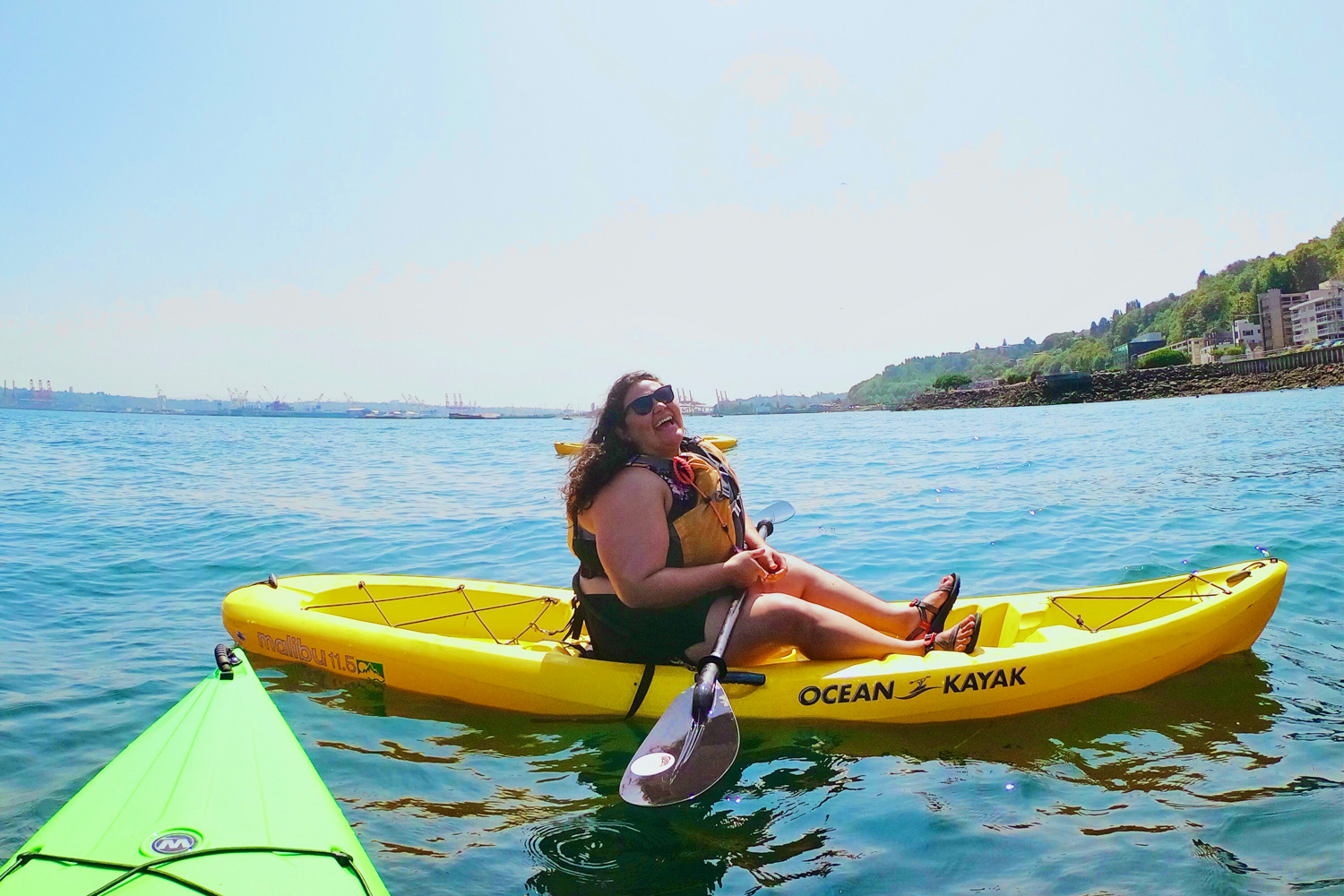
If you are a heavier person or want to carry a lot of gear, you are not alone. Many brands make kayaks for higher weights. Some fishing and tandem kayaks support up to 600 pounds or more. These kayaks have:
- Wider, more stable hulls
- Higher sides for safety
- Larger seats and cockpits
- Extra storage for gear
When shopping, look for kayaks labeled “high capacity” or check specs carefully. Don’t be shy about asking for help at the store—staff can point you to the best models.
Credit: she-explores.com
Examples Of High Weight Limit Kayaks
Here are a few real-world examples:
- Perception Pescador Pro 12 – Weight limit: 375 lbs (sit-on-top, great for larger paddlers or fishing)
- Sea Eagle 370 Inflatable – Weight limit: 650 lbs (inflatable, fits two adults plus gear)
- Wilderness Systems ATAK 140 – Weight limit: 550 lbs (fishing kayak, very stable)
These kayaks show that there are good options even for people who need extra room.
Non-obvious Insights About Kayak Weight Limits
Most beginners focus only on their own body weight, but there are a few things you might not consider:
- Wet gear weighs more: Clothes, shoes, and backpacks can pick up water and get heavier during your trip. Always add a few extra pounds to your estimate.
- Kids and pets count too: If you plan to bring a child or a dog, include their weight and gear. Even small extras make a difference.
Some paddlers also forget that the paddle, life jacket, and water bottles add up. Double-check your total before heading out.
Credit: eddyline.com
How To Stay Safe And Comfortable
Here are some practical tips for kayaking within the weight limit:
- Distribute weight evenly: Put heavier items low and in the center of the kayak.
- Leave extra room: Aim for 10–20% below the max weight for best results.
- Test in shallow water: Before a big trip, try your loaded kayak in calm, shallow water to see how it feels.
- Upgrade if needed: If your current kayak feels tippy or sluggish, consider a model with a higher capacity.
Comparing Kayak Weight Limits With Other Watercraft
You may wonder how kayaks compare to other small boats. Here’s a simple look:
| Watercraft | Average Weight Limit (lbs) | Typical Use |
|---|---|---|
| Canoe | 600–1000 | Family, gear, multi-person |
| Kayak | 250–600 | Solo, tandem, fishing |
| Paddleboard | 200–350 | Recreation, fitness |
| Rowboat | 500–1200 | Fishing, family trips |
Kayaks are usually for one or two people, so their limits are lower than canoes or rowboats. If you need to carry more, consider a tandem kayak or a canoe.
Common Myths About Kayak Weight Limits
There are some myths that cause confusion:
- “A few pounds over is fine.” Not true. Even small overloads can cause problems, especially in rough water.
- “Weight limit is just a suggestion.” It is actually a tested safety number.
- “Heavier kayaks are always better.” Not always—find the right size and design for your needs.
Stick to the numbers from the manufacturer, and you’ll have a safer, more fun trip.
Where To Find Reliable Kayak Weight Information
The best sources for kayak specs are:
- The manufacturer’s website
- The kayak’s user manual
- Staff at kayak shops
- Trustworthy outdoor review sites
If you want to learn more about kayak design and safety, visit Wikipedia – Kayak for in-depth details.

Credit: brooklynkayakcompany.com
Frequently Asked Questions
What Happens If I Overload My Kayak By A Small Amount?
Even a small overload can make a kayak less stable and harder to paddle. In calm water, you might be okay, but in waves or wind, you risk tipping or taking on water. Always stay within the recommended limit for safety.
Do Inflatable Kayaks Have Different Weight Limits?
Yes, inflatable kayaks vary a lot. Some are designed for solo use and hold 200–300 pounds, while bigger models can carry 500 pounds or more. Always check the specific model and follow the instructions from the maker.
Can Two People Use A Single-person Kayak If Under The Weight Limit?
No, single-person kayaks are not built for two people, even if together you are under the weight limit. The seat and balance are for one person only. Use a tandem kayak if you want to paddle with a friend.
Does The Weight Limit Include The Paddle And Life Jacket?
Yes, the total weight includes everything you bring: your body, paddle, life jacket, water, food, and all gear. Add it all up when checking the kayak’s limit.
Are There Kayaks Made For Heavy Or Tall People?
Absolutely. Many brands make high-capacity or extra-large kayaks with bigger seats and higher weight limits. Look for models labeled “XL,” “high capacity,” or ask at your local shop for the best fit.
Kayaking is a sport for everyone, but understanding weight limits is key to staying safe and having fun. With the right kayak and careful planning, you can enjoy the water no matter your size or experience.