
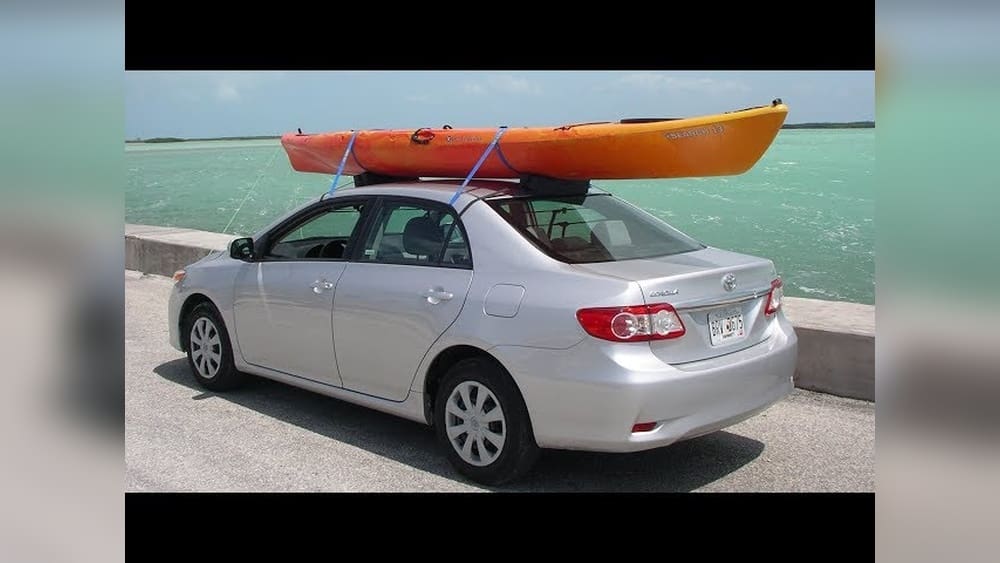
Mounting a kayak on a car can feel like a puzzle the first time you try it. Kayaks are long, heavy, and sometimes awkward to handle, especially if you’re alone or new to outdoor adventures. But many people want to know: Can you mount a kayak on a car? The good news is, yes, you can—and you don’t need a special vehicle or tons of strength. With the right tools, some planning, and a bit of practice, almost anyone can safely transport a kayak on their car. This guide covers everything you need to know, from choosing the right rack to real-world tips that most beginners miss. By the end, you’ll feel confident loading up your kayak for your next trip to the water.
Is It Possible To Mount A Kayak On Any Car?
Most modern cars, SUVs, and even some smaller vehicles can carry a kayak if you use the correct setup. The main factors are:
- Roof strength: The car’s roof must handle the kayak’s weight plus the rack system. Most vehicles support this, but check your owner’s manual for weight limits.
- Rack compatibility: You need a way to secure the kayak. Some cars have roof rails, others are bare-topped. There are solutions for both.
- Kayak size and weight: Longer or heavier kayaks need extra care, especially on small cars.
Even compact cars can carry one kayak safely, though two kayaks or very wide models may require a larger vehicle or trailer.
Types Of Kayak Racks For Cars
You’ll find several types of kayak racks. Each works best for different cars and kayak styles.
| Rack Type | Best For | Pros | Cons |
|---|---|---|---|
| J-Cradle | Most sedans, SUVs | Saves roof space, very secure | Harder to load alone |
| Stacker | Multiple kayaks, group trips | Can hold 2-4 kayaks upright | Wind resistance, less stable for solo |
| Saddle | Wide kayaks, beginners | Easy to load, supports hull | Takes more roof space |
| Foam Blocks | Budget, no roof rails | Cheap, easy to fit | Less secure, can slip |
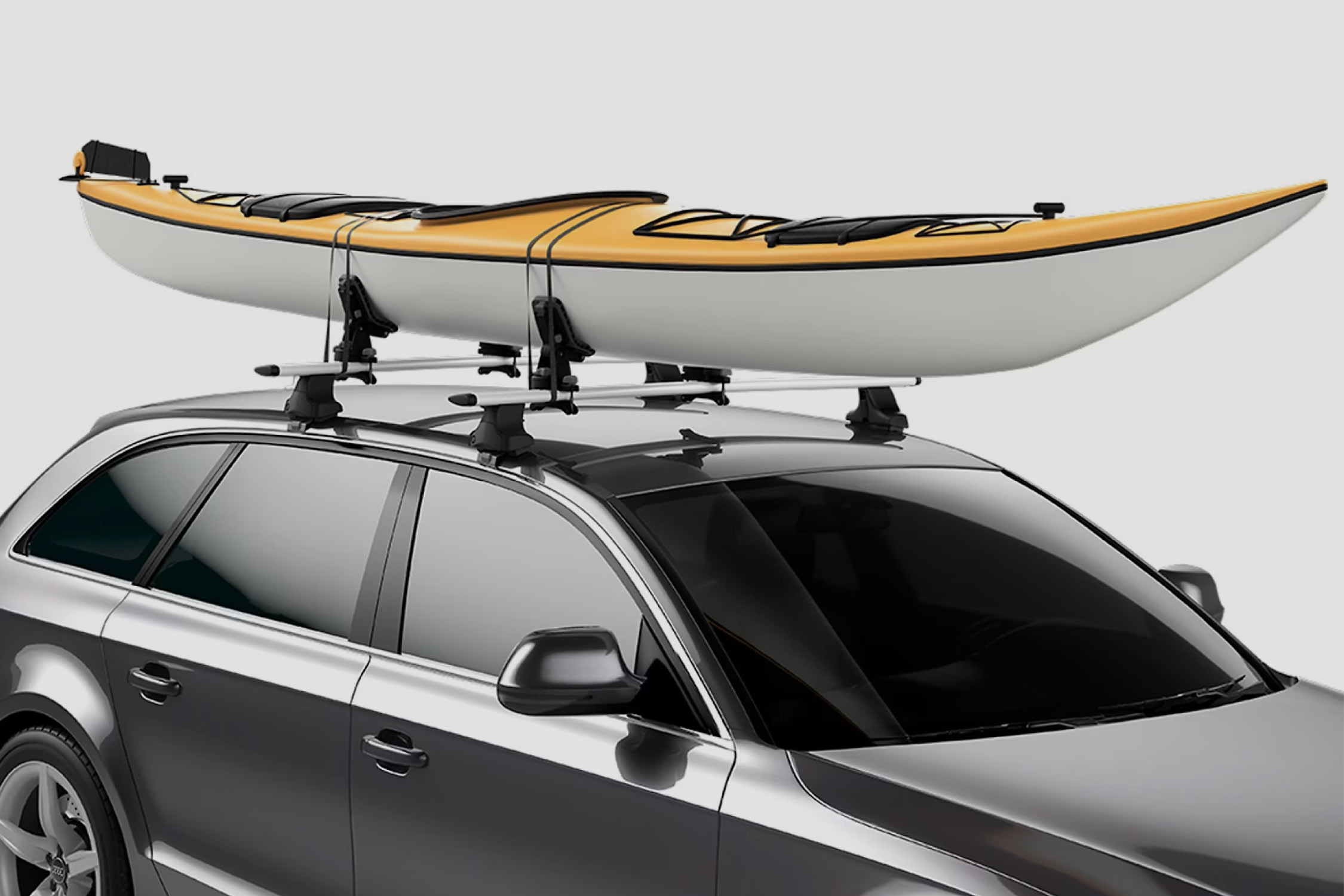
Many racks attach to crossbars. If your car doesn’t have them, some systems use straps through your doors. The J-Cradle is the most common, balancing security and space.

Credit: www.soft-bionics.com
Step-by-step: How To Mount A Kayak On A Car
Mounting a kayak can be simple if you follow the right steps. Here’s a proven method:
- Check your roof rack: Make sure all parts are tight and in good condition.
- Position the kayak: Place it next to your car, parallel to the rack.
- Lift safely: With two people, lift by the ends. Alone, lift one end onto the rack, then push from the back.
- Center the kayak: The cockpit should be between the crossbars for balance.
- Secure with straps: Use at least two cam straps—one on each crossbar. Thread under the bar, over the kayak, and back under, then tighten.
- Tie bow and stern lines: These attach to the front and back of your car for extra safety, especially at highway speeds.
- Check tightness: Shake the kayak gently. It shouldn’t move.
A common mistake is overtightening the straps, which can damage the kayak’s hull. Straps should be snug but not crushing.
Essential Tools And Accessories
To mount a kayak properly, you’ll need:
- Crossbars or roof rails
- Kayak carrier (J-cradle, stacker, or foam blocks)
- Cam straps (not ratchet straps, which can be too strong)
- Bow and stern lines
- Protective pads (to avoid scratches)
Optional: A loading assist bar or roller helps if you’re solo or have a heavy kayak.
| Accessory | Use | Why It Matters |
|---|---|---|
| Cam Straps | Securing kayak to rack | Quick, won’t damage hull |
| Bow & Stern Lines | Extra stability at speed | Prevents shifting in wind |
| Loading Assist | Solo loading | Reduces risk of dropping |
Safety Tips For Transporting A Kayak
Transporting a kayak isn’t just about loading—it’s about safety on the road.
- Always use bow and stern lines. Even if your kayak feels tight, wind or sudden stops can shift it.
- Double-check your straps after driving a few miles. Straps can loosen as the car moves.
- Keep your speed moderate. High speeds increase risk, especially with large kayaks.
- Watch for low clearances—parking garages and drive-thrus can be dangerous with a kayak on your roof.
- If you hear unusual noises, pull over and check your setup.
One key point beginners miss: wind can push a poorly secured kayak sideways. Even a small shift can cause damage or a traffic hazard.
Can You Mount A Kayak Without A Roof Rack?
If your car has no factory roof rack, it’s still possible to carry a kayak. Here’s how:
- Use foam block kits. These fit under the kayak and strap through the car doors. They’re cheap and work for short drives.
- Some brands offer temporary crossbars that fit most vehicles.
- Always use extra straps and drive slower. Without a solid rack, stability is lower.
But for regular kayaking trips, a permanent rack is much safer and less likely to damage your car.
Common Mistakes And How To Avoid Them
Many beginners make small errors that can ruin a trip or damage their gear. Here’s what to watch for:
- Using ratchet straps: These can crush your kayak. Use cam straps instead.
- Skipping bow/stern lines: This is risky, especially on highways.
- Loading the kayak upside down: Some kayaks can deform if placed hull-up.
- Forgetting to check straps: Re-tighten after 10-15 minutes of driving.
- Ignoring car limits: Too heavy or long a kayak can damage your roof or create unsafe driving.
A tip many miss: If you transport your kayak often, check your roof for scratches and rust, especially under the pads.
How Many Kayaks Can You Carry?
Most standard vehicles can hold one or two kayaks. The exact number depends on:
- Rack type: Stackers can hold up to four narrow kayaks upright.
- Car width: Sedans often max out at two, wider SUVs may take three or four.
- Kayak size: Longer or wider kayaks need more space.
For group trips, consider a trailer or a second vehicle.
Real-world Examples
Let’s look at two real-world scenarios:
Example 1: Maria drives a compact sedan and wants to take her 10-foot kayak to the lake. She uses foam blocks, cam straps, and bow/stern lines. Her total setup time is under 15 minutes, and she drives under 50 mph for safety.
Example 2: Tom has a midsize SUV with crossbars. He installs a J-cradle rack and loads two 12-foot kayaks with a friend. They use cam straps plus bow and stern lines. Even at highway speeds, the kayaks stay secure.
Both methods are safe when you follow the right steps and use the correct gear.
Kayak Mounting Vs. Other Watercraft
How does mounting a kayak compare to other boats like canoes or SUPs (stand-up paddleboards)? Here’s a quick overview:
| Watercraft | Ease of Mounting | Special Needs |
|---|---|---|
| Kayak | Moderate | Bow/stern lines, cam straps |
| Canoe | Harder (wider, heavier) | Wide racks, more padding |
| SUP | Easiest (lightweight) | Soft pads, less wind risk |
Kayaks are a good balance—not as heavy as canoes, but a bit trickier than SUPs.
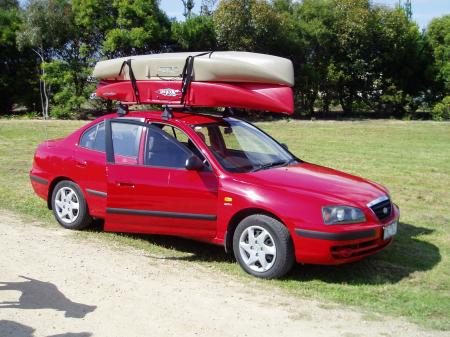
Credit: tpwd.texas.gov
Legal Rules And Insurance
In most places, it’s legal to carry a kayak if it’s properly secured and doesn’t block your view. However, laws differ:
- Overhang limits: Some states limit how far the kayak can extend past your bumper.
- Flag requirements: If the kayak sticks out, you may need a red flag on the end.
- Liability: If an unsecured kayak causes an accident, you’re responsible.
Check your local rules before your first trip. For insurance, some car policies cover damage during transport, but not all. It’s smart to ask your provider for details.
For more on transport laws, see this helpful guide from the American Whitewater Association.
Two Non-obvious Insights For Beginners
- Weather can affect strap tightness. Sun and rain change how tight your straps stay. Always check them after parking in the sun or after a storm.
- Padding is key—not just for the car, but for the kayak. Even short trips can dent or scratch your hull if you skip padding, especially with heavier boats.
Credit: www.sail.ca
Frequently Asked Questions
What If My Kayak Is Longer Than My Car?
It’s common for kayaks to be longer than your car, especially on sedans. As long as the kayak is centered and doesn’t stick out too far (usually 3-4 feet past your bumper), it’s safe. Use a red flag for visibility.
Can One Person Load A Kayak Onto A Car?
Yes, but it’s easier with a loading assist bar or roller. Lift one end onto the rack, then slide the rest. For heavier kayaks, always ask for help.
Will Mounting A Kayak Damage My Car?
Not if you use pads under the rack and secure the kayak well. Avoid overtightening straps and check for scratches after trips.
Can I Use Ratchet Straps To Secure My Kayak?
No. Ratchet straps can crush the kayak’s hull. Use cam straps—they’re strong enough, but less likely to damage the boat.
How Fast Can I Drive With A Kayak On My Roof?
Most experts recommend staying under 65 mph. Go slower in strong wind or with foam block setups. Check your straps after the first few miles.
Mounting a kayak on your car opens the door to new adventures. With the right rack, a little practice, and smart safety checks, you can hit the water whenever you like. Use these tips, avoid common mistakes, and you’ll enjoy safe, stress-free kayak trips for years to come.