
Choosing the right kayak oar can make a big difference in how much you enjoy your time on the water. If you’re new to kayaking, or even if you have some experience, picking the best paddle can be confusing. There are so many options, and the details—like length, material, and blade shape—can feel overwhelming.
The truth is, your paddle affects everything from your comfort to your speed. With the right information, you can confidently select an oar that fits your body, your kayak, and your paddling style.
This guide will walk you through every key factor, with practical tips and examples. You’ll learn what really matters, what to avoid, and how to make sense of technical details. By the end, you’ll feel ready to choose a kayak oar that works perfectly for you.
Understanding The Basics: What Is A Kayak Oar?
First, it helps to know the difference between a kayak paddle and an oar. In kayaking, the word “paddle” is more accurate. Kayak paddles have blades on both ends and are held by the paddler, while oars are used in rowing and are attached to the boat. However, many people use the word “oar” when they mean “paddle.” This article will use both terms as most beginners do.
A kayak oar (paddle) is a long shaft with blades on each end. You hold the shaft in the middle, and move the blades through the water to propel and steer your kayak. Paddles come in different lengths, materials, and blade shapes, each affecting performance.
Key Factors To Consider When Choosing A Kayak Oar
Let’s break down the main things you need to look for when choosing your kayak paddle.
1. Paddle Length
The length of your paddle is crucial for comfort and efficiency. Too short, and you’ll hit your hands on the kayak or paddle awkwardly. Too long, and you’ll tire quickly and move less efficiently.
How To Choose The Right Length
Your height and the width of your kayak are the two main factors. Here’s a simple chart to help:
| Paddler Height | Kyak Width < 60cm (24″) | Kyak Width 60–70cm (24–28″) | Kyak Width > 70cm (28″) |
|---|---|---|---|
| Under 160 cm (5’3″) | 210 cm | 215 cm | 220 cm |
| 160–180 cm (5’3″–5’11”) | 215 cm | 220 cm | 230 cm |
| Over 180 cm (5’11”) | 220 cm | 230 cm | 240 cm |
Tip: If you’re between sizes, choose the shorter paddle for more power, or the longer for a relaxed, lower-angle stroke.
2. Shaft Material
The shaft is the long part you hold. The material affects the paddle’s weight, price, and strength.
- Aluminum: Affordable and strong, but heavier and gets hot or cold with the weather.
- Fiberglass: Lighter, a bit more expensive, and absorbs vibration better.
- Carbon fiber: Lightest and most efficient, but also most expensive.
Non-obvious insight: Even a small weight difference feels big after an hour of paddling. Lighter paddles reduce fatigue, especially for long trips.
3. Blade Material
Blade material changes the performance and feel.
- Plastic/nylon: Durable and cheap, but flexes more (less efficient).
- Fiberglass: Stiff and strong, lighter than plastic, good for most paddlers.
- Carbon fiber: Very stiff and light, best for serious or frequent kayakers.
4. Blade Shape
There are two main shapes:
- Asymmetrical: The top edge is longer than the bottom. This helps the blade move smoothly through water, reducing flutter.
- Symmetrical: Same shape on both sides. Simpler, but less efficient.
And two main blade styles:
- High-angle: Short and wide. Good for faster, more powerful strokes (whitewater, fitness).
- Low-angle: Long and narrow. Good for relaxed, touring paddling.
| Blade Type | Best Use | Pros | Cons |
|---|---|---|---|
| High-angle | Speed, whitewater | Powerful, fast turns | Tires arms faster |
| Low-angle | Relaxed touring | Efficient, less tiring | Less powerful strokes |
5. Shaft Shape And Features
- Straight shaft: Simple, common, works for most people.
- Bent shaft: Has bends for your wrists, reduces strain and fatigue.
Other features to look for:
- Two-piece or four-piece: Breaks down for travel and storage.
- Drip rings: Keep water from running down the shaft onto your hands.
- Oval grip: Some paddles have an oval shape where you hold, for better grip.
Practical tip: Try gripping a few paddles in a store. Comfort in your hands is important, and some grips feel much better than others.
6. Feathering (blade Angle)
Most modern kayak paddles let you change the blade angle. When one blade is in the water, the other is turned to cut through air. This is called feathering.
- Feathered paddles: Blades are offset, making paddling in wind easier.
- Unfeathered paddles: Blades are in line, easier for beginners.
Many paddles have an adjustable ferrule (center connector) to let you choose the angle.
Non-obvious insight: A small feather angle (30°) is often enough for most people. Too much feathering can strain your wrists if you’re not used to it.
7. Weight
Paddle weight is more important than many beginners think. A lighter paddle costs more, but it saves energy and feels better after long use.
- For short, casual trips: Weight is less important.
- For long or frequent trips: A lighter paddle is worth the investment.
Matching Your Paddle To Your Kayaking Style
Your choice depends on how and where you paddle.
Recreational Kayaking
- Best paddle: Plastic or fiberglass, low-angle blade, straight shaft.
- Why: Durable, affordable, comfortable for slow paddling.
Touring/sea Kayaking
- Best paddle: Fiberglass or carbon fiber, low-angle blade, two-piece, feathered.
- Why: Lightweight, efficient, good for long distances.
Whitewater Kayaking
- Best paddle: Fiberglass or carbon, high-angle blade, shorter length, straight or bent shaft.
- Why: Strong, powerful, quick turns.
Fishing Kayaks
- Best paddle: Slightly longer paddle, low-angle blade.
- Why: Wider kayaks need longer paddles; low-angle is less tiring while fishing.
Inflatable Or Pack Kayaks
- Best paddle: Four-piece shaft, lightweight material.
- Why: Easy to pack and carry.
Common Mistakes When Choosing A Kayak Oar
- Buying the cheapest paddle: Heavy, cheap paddles can ruin your fun. You’ll tire quickly and may even get sore hands.
- Ignoring paddle length: Many beginners guess the size. Use a chart or ask for help.
- Overlooking blade shape: Not all blades are the same—choose for your style (touring vs. power).
- Skipping the comfort test: If the grip feels bad in your hand, you won’t like paddling for long.
- Not considering transport/storage: If you travel, a two- or four-piece paddle is much easier.
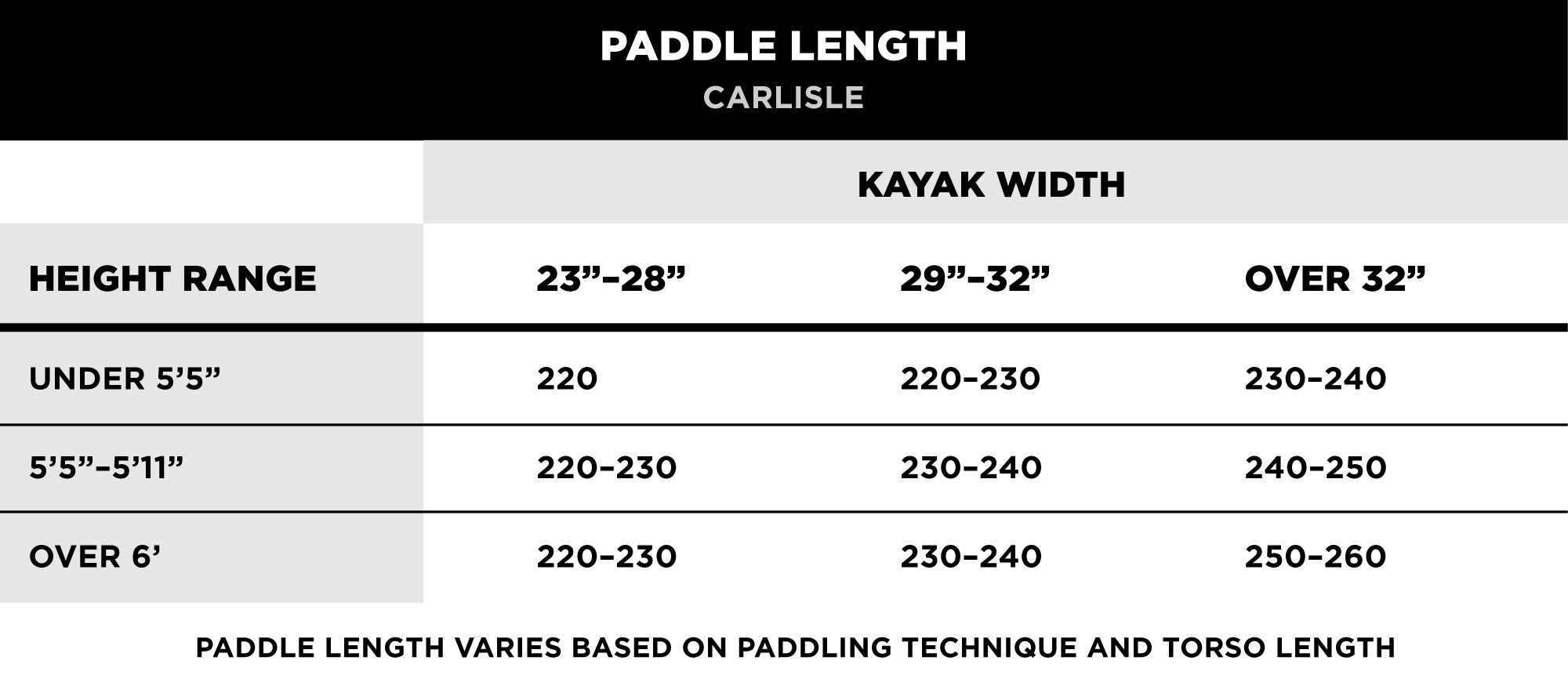
Credit: oldtownwatercraft.johnsonoutdoors.com
Practical Tips For Testing And Buying
- Try before you buy: Many stores let you test paddles on water.
- Pick up the paddle and swing it: Feel the weight and balance.
- Check the joints: On two- or four-piece paddles, make sure the parts lock tightly and don’t wiggle.
- Ask about return policies: If you order online, a good return policy is helpful in case the paddle doesn’t feel right.
Kayak Paddle Buying Example
Imagine you’re 175 cm tall (about 5’9”), your kayak is 66 cm wide, and you’ll use it mostly for calm lakes. According to the chart, a 220–230 cm paddle fits best. If you prefer relaxed paddling, a 230 cm fiberglass paddle with a low-angle blade is a good choice.
If your budget allows, carbon fiber will feel lighter and more comfortable on longer trips.
How Paddle Choice Affects Performance
With the right paddle, you’ll move faster, with less effort. You’ll also avoid common problems like sore shoulders, tired arms, and blisters. A paddle that’s too heavy or the wrong size can make kayaking feel like hard work. But a well-chosen paddle feels like an extension of your body—smooth, efficient, and enjoyable.
Comparing Popular Kayak Oar Models
It helps to see how real paddles compare. Here’s a simple side-by-side look at three popular models:
| Paddle | Length Options | Weight | Material | Price Range |
|---|---|---|---|---|
| Aqua-Bound Sting Ray | 210–250 cm | 765–900g | Fiberglass/Carbon | $$–$$$ |
| Bending Branches Whisper | 210–240 cm | 1130g | Aluminum/Polypropylene | $ |
| Werner Camano | 220–240 cm | 765g | Carbon/Fiberglass | $$$ |
Note: The lightest paddles cost more, but the comfort difference is clear for longer trips.
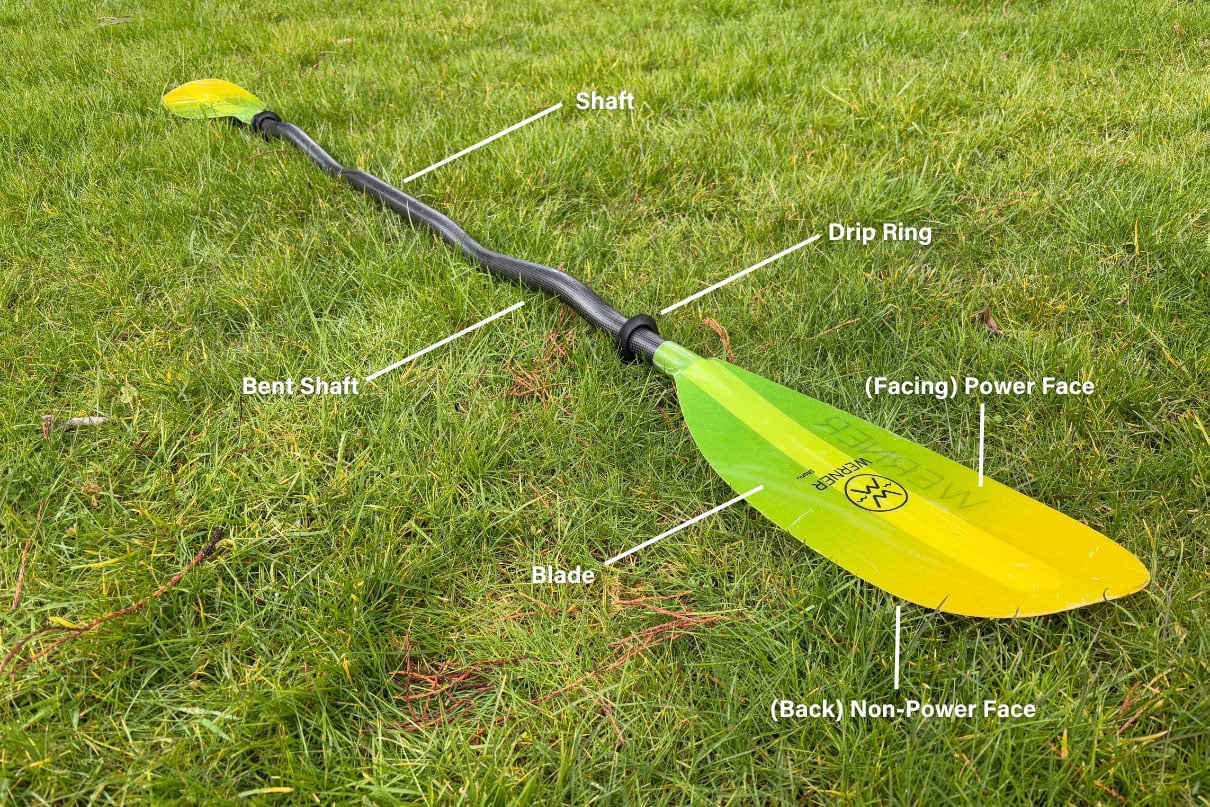
Credit: paddlingmag.com
Caring For Your Kayak Oar
- Rinse after use: Especially in saltwater, rinse with fresh water to avoid corrosion.
- Check for cracks: Inspect the shaft and blades for damage after each trip.
- Store dry: Keep your paddle out of the sun and moisture when not in use.
- Take apart: If you have a two- or four-piece paddle, separate the pieces to avoid sticking.
Why Your Choice Matters
A good kayak oar is a smart investment in your enjoyment and health. You’ll paddle farther, with less effort, and avoid common injuries. Beginners often focus on the kayak itself, but a better paddle usually makes a bigger difference in comfort and performance.
If you want more details or to compare more paddles, check out trusted sources like REI’s Kayak Paddle Guide.

Credit: www.bendingbranches.com
Frequently Asked Questions
How Do I Know What Length Kayak Paddle I Need?
Measure your height and the width of your kayak. Use a paddle length chart to match these numbers. Most people use paddles between 210 cm and 240 cm. If you’re between sizes, try the shorter for power or the longer for relaxed paddling.
What’s The Best Material For A Kayak Oar?
For most people, fiberglass offers the best balance of weight, price, and strength. Aluminum is cheaper but heavier. Carbon fiber is the lightest and stiffest, but also the most expensive.
Does Paddle Weight Really Matter?
Yes. A lighter paddle means less fatigue, especially on long trips. Even a 200-gram difference feels big after an hour of paddling. If you plan to kayak often or for long distances, invest in a lighter paddle.
What Is Feathering And Should I Use It?
Feathering means the blades are set at an angle to each other. This helps cut through wind. If you paddle in windy conditions or want more efficiency, try a small feather angle (like 30°). Beginners can start with unfeathered paddles.
Is It Ok To Use A Cheap Paddle As A Beginner?
You can start with a basic paddle, but avoid the cheapest models. Heavy, poorly balanced paddles can make kayaking less fun and more tiring. If possible, try a mid-range paddle—you’ll feel the difference right away.
Choosing a kayak oar does not have to be complicated. Focus on fit, comfort, and weight. Take your time, try a few options, and you’ll find a paddle that makes every trip on the water more enjoyable.