
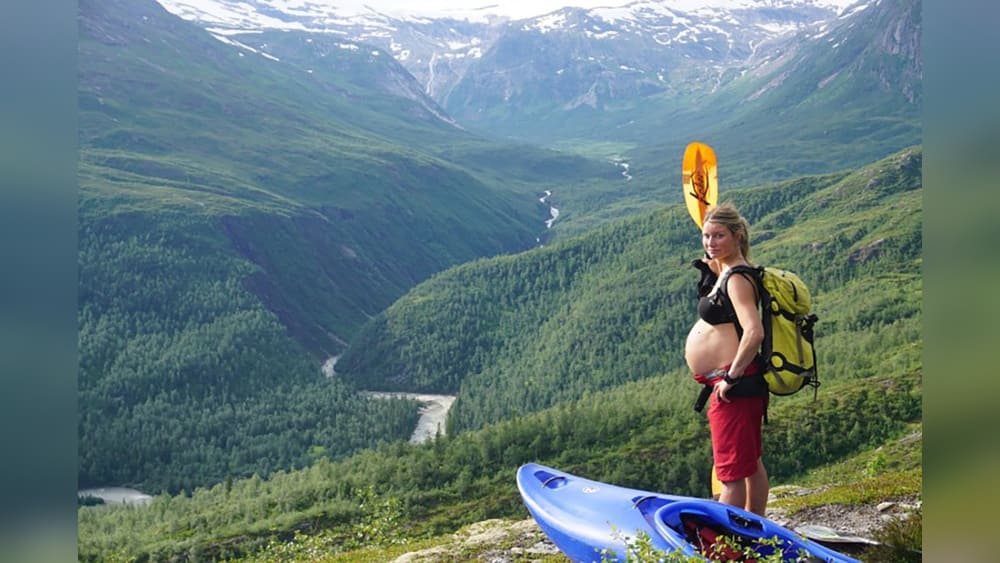
Kayaking is a peaceful way to connect with nature. Many people use it for exercise, relaxation, or adventure. If you are expecting a baby, you might wonder if kayaking is safe during pregnancy. This question is important because staying active is healthy, but safety is the top priority for both you and your baby.
Let’s explore what pregnant women need to know about kayaking, including health risks, safety tips, expert opinions, and how to decide what is best for you.
Is Kayaking Safe During Pregnancy?
The simple answer: it depends. Kayaking is a low-impact sport, which means it’s gentler on your body than running or contact sports. For healthy women with normal pregnancies, kayaking can be safe, especially in calm water. However, every pregnancy is different. Factors like your health, the type of kayaking, and your doctor’s advice all matter.
Obstetricians often recommend moderate activity during pregnancy, but warn against risks like falling, dehydration, or overexertion. If you have never kayaked before, pregnancy is not the best time to start. But if you are experienced, you may be able to continue with some changes.
Benefits Of Kayaking While Pregnant
Staying active during pregnancy can be good for your mood and your body. Kayaking, when done safely, offers several benefits:
- Low-impact exercise: Paddling strengthens the arms, shoulders, and core without heavy strain on your joints.
- Stress relief: Being on the water helps you relax and enjoy nature, which can ease anxiety.
- Fresh air: Outdoor activity gives you vitamin D and improves your overall well-being.
- Social time: Kayaking with friends or family can lift your spirits and keep you connected.
Credit: www.abc.net.au
Key Risks And Concerns
While kayaking can be gentle, there are real risks to consider during pregnancy. Knowing these helps you make informed choices.
1. Falling Or Capsizing
Pregnancy affects your balance. The growing belly shifts your center of gravity, making falls or tipping over more likely. This is riskier in rough water or when getting in and out of the kayak.
2. Overheating And Dehydration
Pregnant women are more sensitive to heat. Sun exposure and physical activity can cause overheating, which is dangerous for the baby. Dehydration is also a risk, especially in warm weather.
3. Impact Injuries
Hitting rocks, docks, or other obstacles can cause injury. Even a minor accident could be serious in pregnancy.
4. Fatigue
Pregnancy can make you tired faster. Paddling requires energy and stamina, so you may tire sooner than usual.
5. Medical Complications
If you have high blood pressure, preeclampsia, or a history of premature labor, kayaking may not be safe. Always check with your doctor first.
Precautions For Pregnant Women Kayaking
Taking extra care can make kayaking safer during pregnancy. Here are important steps:
- Get doctor’s approval: Always ask your healthcare provider before you go.
- Choose calm water: Paddle on lakes or slow rivers, not whitewater or the ocean.
- Wear a life jacket: A well-fitted, Coast Guard-approved life jacket is essential.
- Go with a partner: Never kayak alone. Someone should always know where you are.
- Avoid long trips: Short sessions (under 1 hour) are safer. Take breaks often.
- Stay hydrated: Bring water and drink regularly.
- Dress for weather: Wear sun protection, a hat, and light clothing.
- Stay close to shore: So you can get out quickly if you need to.
- Check the weather: Avoid kayaking in strong wind, storms, or extreme temperatures.
- Listen to your body: Stop if you feel dizzy, short of breath, or unwell.
When To Avoid Kayaking During Pregnancy
There are times when kayaking is not safe for pregnant women. Avoid kayaking if:
- You have a high-risk pregnancy or health problems
- You are in your third trimester (balance is harder, fatigue increases)
- You feel dizzy, weak, or have swelling in your legs
- Weather is hot, stormy, or unpredictable
- The water is rough, cold, or far from help
Some women choose to stop kayaking after the first trimester. Others continue with approval from their doctor. There is no one-size-fits-all answer, so listen to your body and your healthcare team.
Comparing Kayaking To Other Pregnancy Exercises
How does kayaking compare to other activities for pregnant women? Here is a quick comparison:
| Activity | Impact on Joints | Balance Needed | Risk of Falling | Recommended Trimester |
|---|---|---|---|---|
| Kayaking | Low | Medium | Medium | First & Second |
| Walking | Very Low | Low | Low | All |
| Swimming | Very Low | Low | Very Low | All |
| Yoga | Very Low | Low | Very Low | All |
Walking and swimming are usually safer throughout pregnancy. Kayaking is best earlier in pregnancy, with caution.

Credit: www.doorcountykayaktours.com
How To Prepare For Kayaking When Pregnant
Preparation is key for safety. Here’s what you should do before heading out:
1. Choose The Right Kayak
A sit-on-top kayak is usually more stable than a sit-inside kayak. It’s easier to get in and out, especially as your belly grows.
2. Adjust Your Seat
Make sure the seat supports your back well. Bring a cushion for extra support if needed.
3. Pack Essentials
Bring water, healthy snacks, sunscreen, a phone, and any medicine you need. Keep emergency contacts handy.
4. Plan Your Route
Pick a short, familiar route close to shore. Avoid new or challenging locations during pregnancy.
5. Bring A Support Person
Have someone with you who knows what to do in an emergency.
Signs You Should Stop Kayaking Immediately
If you feel any of these symptoms, stop kayaking and seek help:
- Dizziness or fainting
- Chest pain or palpitations
- Shortness of breath not relieved by rest
- Strong cramps or contractions
- Vaginal bleeding or fluid leak
Even mild symptoms should not be ignored. Your safety and your baby’s health come first.

Credit: hub.jacksonkayak.com
What Doctors And Experts Say
Obstetricians generally support moderate exercise during pregnancy for healthy women. The American College of Obstetricians and Gynecologists (ACOG) says physical activity is safe for most pregnancies, but sports with a high risk of falling or trauma should be avoided.
Kayaking is not directly listed, but it shares risks with cycling or horseback riding—activities that can be safe for some women but are not recommended for all. Always get personalized advice from your doctor before kayaking while pregnant. For more detail, see the ACOG’s recommendations.
Real-world Stories: What Women Say
Many women who were active kayakers before pregnancy report mixed experiences:
- Some enjoyed gentle kayaking in the first and second trimesters, with their doctor’s approval.
- Others stopped after the first trimester due to balance changes or fatigue.
- A few shared that even calm trips tired them out more than expected.
- Some felt uneasy about rescue situations or being far from help.
The most common advice: listen to your body, go slow, and never take risks.
What Makes Kayaking Safer For Pregnant Women
Certain choices make kayaking safer during pregnancy:
| Safety Factor | Safer Choice | Higher Risk |
|---|---|---|
| Water Conditions | Calm Lake | Fast River/Ocean |
| Weather | Mild, Cool | Hot, Stormy |
| Kayak Type | Sit-on-top | Sit-inside |
| Session Length | Under 1 hour | Over 2 hours |
| Group Size | With Partner | Alone |
Choosing the safest options reduces, but does not remove, all risk.
Two Non-obvious Insights
Many beginners overlook these key points:
- The act of getting in and out of a kayak is often riskier than paddling itself. Wet docks, slippery rocks, or unstable boats can lead to falls. Ask for help or use a stable dock.
- Your energy and hydration needs change quickly during pregnancy. What felt easy before may now be exhausting. Plan for more breaks and extra water.
How To Decide: Kayak Or Not?
The final decision is personal. Consider these factors:
- How experienced are you with kayaking?
- How far along is your pregnancy?
- How are you feeling physically and emotionally?
- What does your doctor advise?
- What is your comfort with risk?
If you feel uneasy, it’s okay to skip kayaking for now. There are many ways to stay active that may feel safer.
Frequently Asked Questions
Is It Safe To Kayak During The Third Trimester?
In most cases, kayaking is not recommended during the third trimester. Your balance is less stable, and fatigue is greater. The risk of falling or getting tired is higher. Talk to your doctor before considering any kayaking in late pregnancy.
What Should I Wear When Kayaking Pregnant?
Wear comfortable, loose clothing that protects you from the sun. Always wear a well-fitted life jacket. In cooler weather, layer clothing to avoid getting cold. Good shoes with grip help prevent slipping.
Are Sit-on-top Kayaks Better For Pregnant Women?
Yes, sit-on-top kayaks are usually safer for pregnant women. They are more stable and easier to get in and out of, which reduces the risk of falls.
Can I Go Kayaking If I Have Never Done It Before?
If you are new to kayaking, pregnancy is not the time to start. It’s better to choose other safe activities like walking or swimming. Wait until after you have experience and your baby is born.
How Long Can I Kayak While Pregnant?
Limit your kayaking sessions to less than one hour. Take breaks, drink water, and listen to your body. Stop immediately if you feel tired or unwell.
Kayaking can be a rewarding way to stay active, but pregnancy changes everything. With careful planning, the right safety steps, and your doctor’s guidance, some women can enjoy kayaking while pregnant. When in doubt, choose the safest path for you and your baby.