
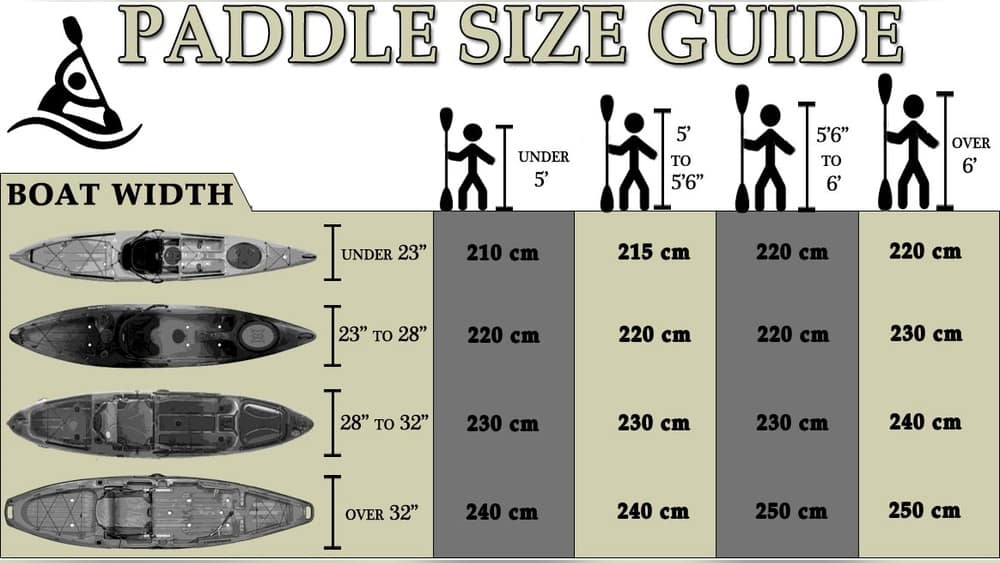
Choosing the right kayak size is more important than many beginners realize. The wrong size can make your time on the water uncomfortable, unstable, or even unsafe. With so many options—short and long, narrow and wide, sit-inside and sit-on-top—it’s easy to get confused.
The good news? You don’t need to be an expert to choose wisely. Understanding a few key factors can help you pick the perfect kayak for your size, skill level, and adventure plans.
Why Kayak Size Matters
A kayak’s size isn’t just about how much space you have for your legs. The length, width, and weight capacity affect everything: how fast you move, how stable you feel, and how easy it is to turn. For example, a kayak that’s too small might feel wobbly or tip over easily. One that’s too big might feel slow and hard to handle. Picking the right size means more fun and less frustration.
Main Factors That Affect Kayak Size Choice
Several main factors determine the size of kayak you should get. Each one is important, and skipping any can lead to a poor choice.
Your Height And Weight
Your own body size plays a huge role. Most kayaks have a weight limit. If you’re near or above that limit, the kayak may sit too low in the water, which can make it unstable or cause it to take on water. The length of your legs matters, too—especially for sit-inside kayaks. If the cockpit is too short, you won’t be able to stretch out and paddle comfortably.
Type Of Water
Where you plan to paddle makes a big difference. Calm lakes, slow rivers, choppy bays, or fast-moving streams all require different kayak types and sizes. For example, a long, narrow kayak is fast on open water but tricky in tight, winding rivers.
Activity Type
Are you planning to fish, tour, race, or just relax? Fishing kayaks are often wider and more stable, while touring kayaks are longer for better speed and tracking (staying in a straight line). Whitewater kayaks are shorter for quick turns.
Skill Level
Beginners usually want a stable kayak, which often means a wider, shorter one. Experienced paddlers may prefer longer, narrower kayaks for speed.
Storage And Transport
Don’t forget about getting your kayak to and from the water. A 16-foot kayak can be hard to fit on a small car or in a garage. Inflatable and folding kayaks are popular for people with limited space.

Credit: www.sportsmans.com
Kayak Length: What Does It Mean?
Kayak length, measured from bow to stern, is one of the most obvious size features. But what does it really affect?
- Long kayaks (12-18 feet): These track better (go straighter) and are faster. Great for long trips and open water.
- Short kayaks (8-11 feet): Easier to turn, more stable, and better for small rivers or beginners.
Here’s a quick comparison:
| Kayak Length | Best For | Pros | Cons |
|---|---|---|---|
| 8-10 feet | Recreational, kids, tight rivers | Easy to carry, turn, and store | Slower, less tracking |
| 10-12 feet | Fishing, casual paddling | Good stability and maneuverability | Not as fast |
| 12-16 feet | Touring, open water | Faster, straighter, more gear space | Heavier, harder to transport |
Kayak Width: Why It’s Important
Width (also called beam) affects stability. Wider kayaks feel more stable, especially for beginners or when fishing. Narrow kayaks are faster but can feel “tippy.”
- Wide kayaks (over 30 inches): Great for fishing, standing, or new paddlers.
- Narrow kayaks (under 28 inches): Best for speed and experienced users.
Here’s how width influences your experience:
| Kayak Width | Stability | Speed | Typical Use |
|---|---|---|---|
| Under 26 inches | Low | High | Racing, sea touring |
| 26-30 inches | Medium | Medium | General use |
| Over 30 inches | High | Low | Fishing, beginners |

Credit: www.sportsmans.com
Weight Capacity: Don’t Overlook This
Every kayak has a maximum weight limit. This includes your body weight plus all gear (paddles, life jackets, coolers, fishing tackle, etc.). If you overload your kayak, it will sit lower and may become unstable.
Experts recommend you don’t go over 70% of the stated weight capacity for best performance. For example, if a kayak’s limit is 300 pounds, try to keep your total weight under 210 pounds.
Sit-inside Vs Sit-on-top Kayaks
Both designs are popular, but they affect how much space you have and the size you need.
- Sit-inside: You sit inside the cockpit. Offers more protection from wind and water. You need to fit comfortably inside.
- Sit-on-top: You sit on top of the kayak. Easier to get on and off, especially for beginners or fishing. These often feel more stable.
Try sitting in the kayak before buying if possible. Legroom and seat width matter a lot, especially for taller or bigger paddlers.
Matching Kayak Size To Your Activity
Let’s look at common activities and the best kayak size for each.
Recreational Kayaking
Most people start here. You want something stable and easy to maneuver.
- Length: 8-12 feet
- Width: 28-32 inches
- Weight capacity: At least 250 pounds (more if you bring gear)
Fishing
Fishing kayaks are usually wider for stability and have more space for gear.
- Length: 10-14 feet
- Width: 30-36 inches
- Look for higher weight limits (300+ pounds)
Touring And Sea Kayaking
For longer trips and open water, you need a longer, narrower kayak for speed and tracking.
- Length: 12-18 feet
- Width: 22-26 inches
- Lower, sleeker profile
Whitewater
Whitewater kayaks are much shorter and often have a rounded shape to spin and turn quickly.
- Length: 6-8 feet
- Width: 23-28 inches
- Lower weight capacity, designed for control not storage
Kayaking With Kids Or Pets
Go for extra stability and an open cockpit. Some sit-on-tops have room for a child or dog.
- Length: 10-12 feet
- Width: 30+ inches
- High weight capacity
Special Considerations: Two Non-obvious Insights
- Legroom is often overlooked. Many buyers only check the kayak’s length and weight limit. But if you have long legs, a short cockpit or narrow seat can make paddling painful after a short time. Always test-sit when possible.
- Gear storage matters more than you think. Even for short trips, you may need dry bags, water bottles, or a change of clothes. Some small kayaks can feel cramped or lack waterproof storage. Check hatch size and deck space before buying.
Measuring Yourself And Testing Kayak Fit
Before you buy, measure your inseam (from your crotch to the floor) and compare it to the cockpit length. You should be able to bend and stretch your knees comfortably. For sit-on-tops, make sure your hips fit easily and you can reach the footrests.
If you can, try paddling a few kayaks. Many outdoor stores and clubs offer demos or rentals.
Kayak Size For Different Heights And Weights
Let’s see some suggested kayak sizes for different paddler sizes:
| Paddler Height | Paddler Weight | Suggested Kayak Length | Suggested Kayak Width |
|---|---|---|---|
| Under 5’6” | Under 150 lbs | 8-10 feet | 24-28 inches |
| 5’7” – 6’0” | 150-200 lbs | 10-12 feet | 26-30 inches |
| Over 6’0” | Over 200 lbs | 12-14 feet | 28-34 inches |
This is a starting point. Always check specific kayak models for cockpit size and weight limits.
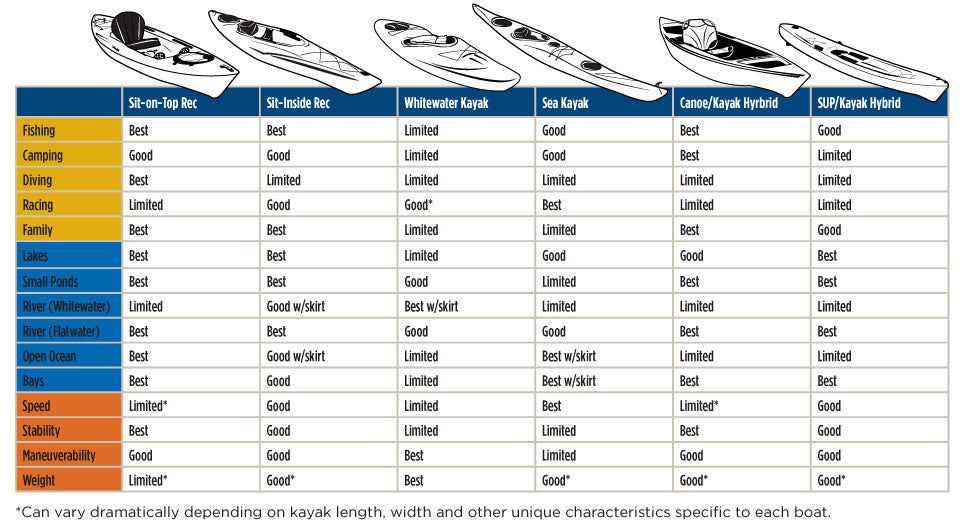
Credit: www.rhinousainc.com
Common Mistakes When Choosing Kayak Size
- Ignoring the weight capacity. Overloading a kayak leads to poor performance and can be unsafe.
- Picking the longest kayak for speed, then struggling to transport or store it.
- Forgetting about legroom, especially for taller people.
- Buying a very wide kayak for stability, then finding it slow and hard to paddle over long distances.
- Not considering the main activity—fishing, touring, whitewater—before choosing.
How To Decide: Key Questions To Ask Yourself
- Where will I paddle most often?
- How much gear will I usually bring?
- Am I planning to kayak alone or with a partner/child/pet?
- How will I transport and store the kayak?
- Am I more interested in speed, stability, or comfort?
When To Consider An Inflatable Or Folding Kayak
If you live in an apartment or drive a small car, a traditional kayak may be too large. Inflatable and folding kayaks are now much better than in the past. They pack small but can be just as stable. Check the weight limit and setup time before buying, and read reviews from other paddlers for real-world experience. For more on the different types, you can visit the Wikipedia Kayak page.
Final Tips For Picking The Right Kayak Size
- Always check the manufacturer’s specs for length, width, cockpit size, and weight capacity.
- If buying used, inspect the kayak for repairs or changes that may affect space or balance.
- Try before you buy. Renting or demo days can save you from a poor purchase.
- Don’t be afraid to ask for advice from experienced paddlers or shop staff.
Choosing the right kayak size is not just about numbers—it’s about how you feel on the water. A good fit means you’ll want to paddle more often and try new adventures.
Frequently Asked Questions
What Is The Best Kayak Size For Beginners?
Most beginners do well with a 10-12 foot kayak that is at least 28 inches wide. This size offers good stability, is easy to control, and fits most people comfortably. Wider kayaks feel less tippy, which is ideal for new paddlers.
How Do I Know If A Kayak Is Too Small For Me?
If your legs are cramped, you can’t sit comfortably, or the kayak rides very low in the water (especially after adding gear), it’s probably too small. Always check the weight limit and test the fit if possible.
Does Kayak Length Affect Speed?
Yes, a longer kayak usually goes faster and tracks straighter. Shorter kayaks are easier to turn but slower. For long-distance paddling or open water, longer kayaks are often preferred.
Should I Get A Sit-inside Or Sit-on-top Kayak?
If you want more protection from cold or wet conditions, a sit-inside is better. If you want easy entry/exit and more stability for fishing or casual paddling, choose a sit-on-top. Try both types if you can.
What Is The Maximum Weight I Can Put In A Kayak?
Check the manufacturer’s weight capacity. For best performance, try to stay under 70% of this number. This includes your body weight plus all your gear.
Choosing the right kayak size takes a little planning, but it makes all the difference for comfort, safety, and fun. With the right fit, you’ll be ready for any water adventure.