
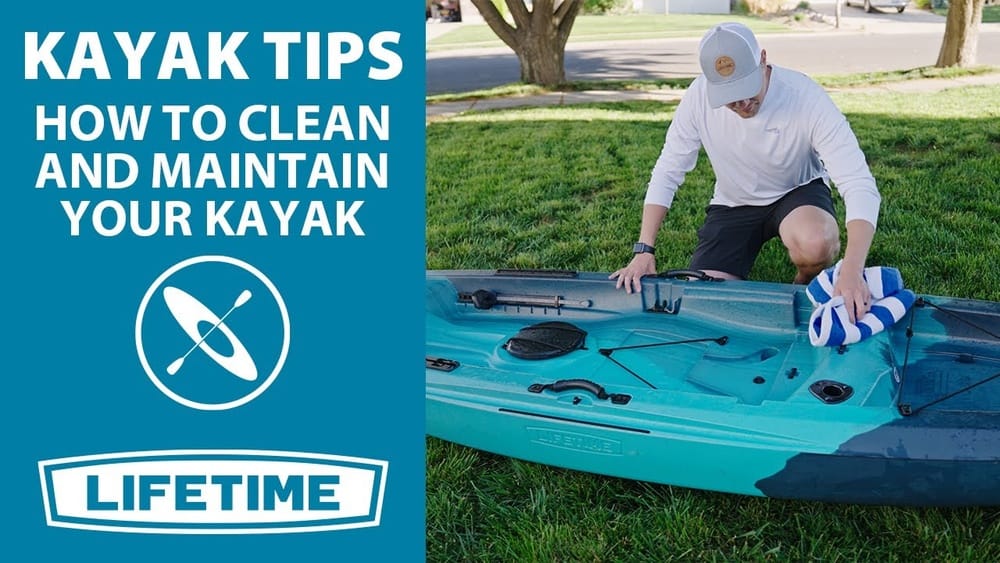
Kayaking is a wonderful way to enjoy nature, explore new waters, and get some exercise. But after a day on the water, your kayak often collects dirt, algae, salt, or even harmful bacteria. Regular cleaning not only keeps your kayak looking good, but it also protects the material, stops mold, and helps your kayak last longer.
Many beginners skip this step, not realizing that even a small amount of dirt or salt can slowly damage their kayak. Learning how to clean a kayak properly is simple, but there are a few key steps—and some useful tricks—that make a big difference.
Why Cleaning Your Kayak Matters
A clean kayak is about more than just looks. Saltwater, mud, and organic debris can eat away at plastic, composite, or fiberglass over time. This can cause fading, cracking, or even weaken the structure. Invasive species like zebra mussels or algae can hitch a ride on a dirty kayak, harming new lakes or rivers. For those who store their kayak outside, dirt and mold can also attract pests. Regular cleaning prevents these problems, protects your investment, and keeps you paddling safely.
What You’ll Need: Basic Cleaning Supplies
Before you start, gather everything you need. Most items are easy to find and not expensive:
- Mild soap (dish soap or biodegradable boat wash)
- Soft sponge or cloth
- Soft-bristle brush (for stubborn spots)
- Bucket of water
- Hose with spray nozzle
- Old toothbrush
- Microfiber towel (for drying)
- White vinegar (for mold/mildew)
- Spray bottle (for vinegar or diluted bleach solution)
- Optional: UV protectant spray for kayaks
Having everything ready saves time and helps you clean thoroughly.
Step-by-step Guide To Cleaning A Kayak
1. Rinse Off Loose Dirt
Start by rinsing your kayak with fresh water. Use a hose or a bucket to wash away sand, mud, and loose debris. Pay extra attention to the seams and footwells, where dirt often collects. This first rinse prevents scratching the surface when you scrub later. If you’ve been in saltwater, rinse carefully—salt can damage both plastic and metal parts.
2. Wash With Soap
Fill a bucket with warm water and add a small amount of mild soap. Avoid harsh cleaners or bleach, which can damage the material or harm the environment. Use a soft sponge or cloth to wash the entire kayak, inside and out. Don’t forget to clean the seat, cockpit rim, hatch covers, and handles.
For areas with dried-on algae or stubborn stains, use a soft-bristle brush. Move in gentle circles to avoid scratching. If your kayak has scupper holes (drain holes in sit-on-top kayaks), run some water through them too.
3. Clean Small Parts And Fittings
Kayaks have many small parts—rudder cables, foot pedals, bungee cords, and hatch latches. These can collect grime and sand. Use an old toothbrush to scrub these spots gently. If your kayak has metal parts, check for signs of rust or corrosion.
4. Tackle Mold And Mildew
If you notice black spots or a musty smell, you may have mold or mildew. Mix equal parts of white vinegar and water in a spray bottle. Spray the affected areas and let it sit for 10–15 minutes. Scrub gently, then rinse well. For tough cases, you can use a very diluted bleach solution (one tablespoon of bleach per gallon of water), but rinse thoroughly to protect your kayak and the environment.
5. Rinse Again
After scrubbing, rinse the kayak completely with fresh water. Make sure all soap, vinegar, or cleaning solution is removed. Leftover cleaner can leave streaks or attract more dirt.
6. Dry Your Kayak
Use a microfiber towel to wipe down your kayak, or let it air dry in a shady spot. Avoid drying in direct sunlight for long periods, as UV rays can fade and weaken the material. Make sure hatches and storage areas are open so all moisture can escape.
7. Apply Uv Protectant (optional)
For extra protection, spray your kayak with a UV protectant made for plastics or boats. This helps prevent fading and cracking from sun exposure. Wipe off any extra with a clean cloth.
8. Check And Clean Accessories
Don’t forget about your paddle, spray skirt, PFD (personal flotation device), and other gear. Rinse and wash these as needed, then let them dry completely before storing.
Tips For Different Kayak Materials
Not all kayaks are the same. How you clean them can depend on the material:
| Material | Cleaning Notes |
|---|---|
| Plastic (Polyethylene) | Very durable, but can scratch easily. Avoid abrasive brushes or harsh chemicals. |
| Fiberglass/Composite | Use mild soap and soft sponges. Be careful with pressure—these kayaks can crack. |
| Inflatable | Rinse well, especially around seams. Dry completely before storing to prevent mold. |
For wooden kayaks, stick to gentle soap and soft brushes, and never soak them. Always check your manufacturer’s care instructions if you’re unsure.
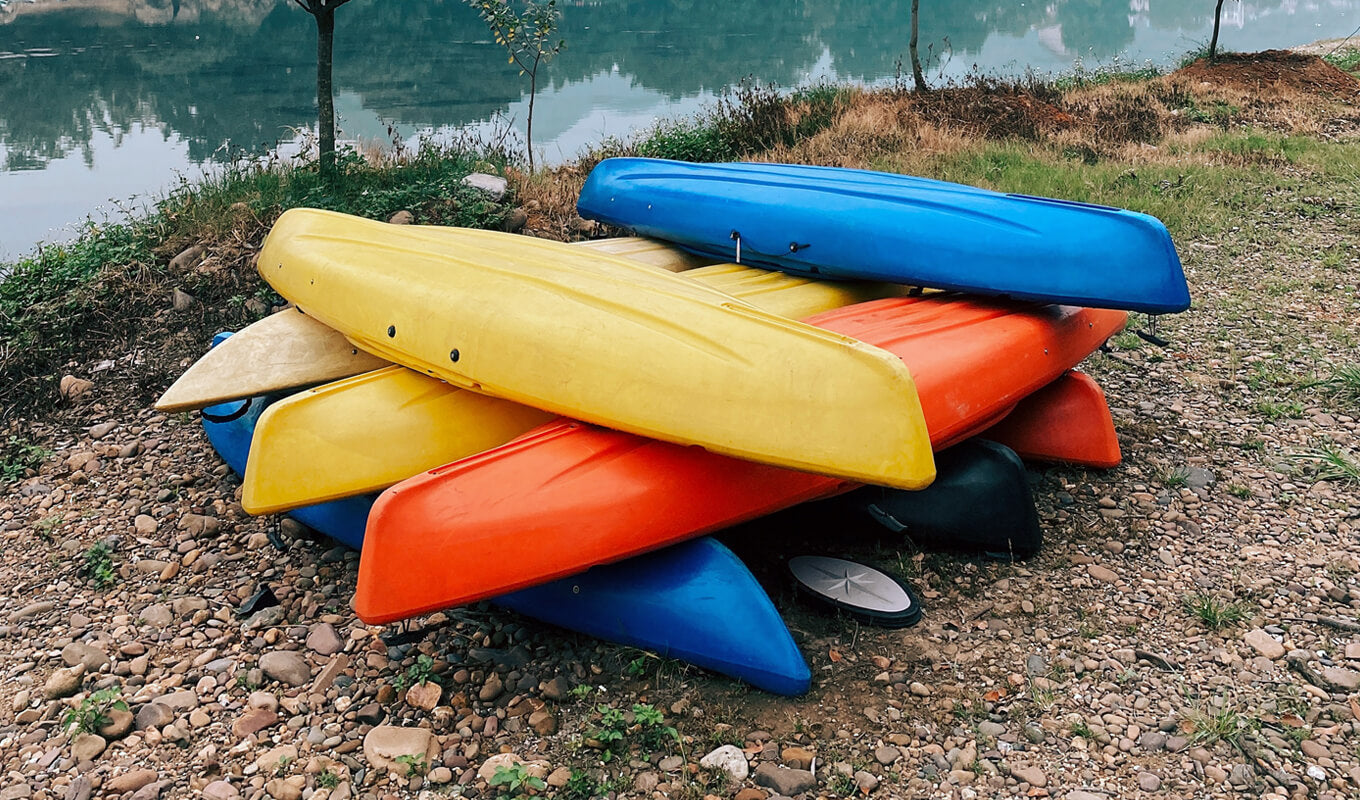
Credit: www.gilisports.com
How Often Should You Clean Your Kayak?
Many beginners only clean their kayak once a season, but this is not enough. The right cleaning schedule depends on how and where you paddle:
- After each trip: If you paddle in saltwater, muddy rivers, or lakes with lots of plants/algae.
- Monthly: For regular use in clean freshwater.
- Before storage: Always clean and dry your kayak before putting it away for winter or long periods.
This table shows when and why to clean your kayak:
| Situation | Cleaning Frequency | Reason |
|---|---|---|
| Saltwater paddling | After every trip | Removes salt to prevent corrosion |
| Muddy/dirty rivers | After every trip | Prevents buildup and staining |
| Clean lakes | Every few uses | Removes small debris and algae |
| Before storage | Always | Prevents mold, pests, and long-term damage |
Common Mistakes To Avoid
Cleaning a kayak is easy, but these mistakes can cause problems:
- Using harsh cleaners: Products like bleach or strong solvents can harm your kayak and local waters.
- Ignoring small parts: Dirt in cables, pedals, or hatches can cause them to break or stick.
- Storing while damp: Moisture encourages mold and weakens materials over time.
- Skipping UV protection: Sunlight is one of the main causes of kayak aging.
- Not rinsing after saltwater: Salt is very corrosive, especially for metal fittings.
A less obvious mistake is using high-pressure washers. While they seem convenient, the pressure can force water into sealed areas, damaging the kayak’s structure or encouraging mold.

Credit: www.youtube.com
Extra Tips For A Spotless Kayak
- Check for damage while cleaning: It’s easy to miss small cracks or deep scratches when your kayak is dirty. Cleaning is a good time to inspect for repairs.
- Use separate gear for saltwater: If you paddle both in saltwater and freshwater, separate your gear to avoid spreading salt and possible invasive species.
- Invest in a kayak cart: Instead of dragging your kayak, use a cart. This keeps the bottom cleaner and protects it from scratches.
Environmental Considerations
Always clean your kayak at least 100 feet away from natural water sources. This prevents soap, vinegar, or debris from polluting lakes or rivers. Use biodegradable soaps when possible. Never dump dirty water or cleaning chemicals into drains or storm sewers—they can end up in waterways and harm local wildlife.
If you’ve paddled in different bodies of water, especially between states or countries, cleaning your kayak helps stop the spread of aquatic invasive species. Some areas even require it by law. You can learn more about these rules from the U.S. National Park Service.
How To Store Your Kayak After Cleaning
After cleaning and drying your kayak, proper storage keeps it clean and damage-free. Store your kayak indoors if you can, or use a weatherproof cover. Keep it off the ground to avoid moisture and pests. Hang it on its side or use special kayak racks.
For inflatables, deflate fully and store in a cool, dry place. Never store your kayak in direct sunlight for long periods.
Frequently Asked Questions
How Do I Remove Tough Stains From My Kayak?
For tough stains like algae or tree sap, use a soft brush and a mixture of mild soap and warm water. For very stubborn spots, white vinegar can help. Avoid abrasive pads, which can scratch the surface.
Can I Use A Pressure Washer To Clean My Kayak?
It’s best to avoid high-pressure washers. They can force water into seams, damage fittings, or even crack composite kayaks. Stick with a hose and soft brushes for safe cleaning.
Is It Safe To Use Bleach On My Kayak?
Bleach can be used in a very diluted form (one tablespoon per gallon of water) for mold, but rinse thoroughly. Too much bleach can damage your kayak and harm the environment.
Do I Really Need To Clean My Kayak After Every Use?
If you’ve been in saltwater or muddy water, yes—clean after every trip. For clean lakes or gentle rivers, you can clean less often but always rinse off dirt and let your kayak dry completely.
What Should I Do If My Kayak Smells Musty?
A musty smell usually means mold or mildew. Clean with a mix of white vinegar and water, let it sit, then rinse and dry well. Make sure your kayak is dry before storing to prevent future problems.
Keeping your kayak clean is simple, but it takes some attention and care. Not only does it make your boat last longer, but it also helps you paddle safely and protects the waters you love. With these steps, your kayak will always be ready for the next adventure.
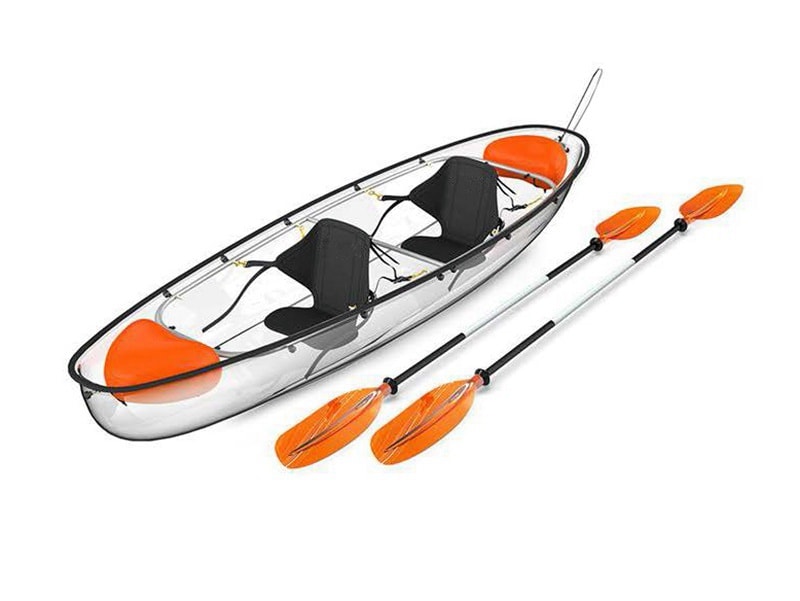
Credit: www.uvplastic.com