
Canoe Vs Kayak: What’s the Real Difference and Which One Should You Choose?
If you stand beside a calm lake or a flowing river, you may see both canoes and kayaks cutting through the water. At first glance, they look similar. Both are small boats you paddle, often for fun, adventure, or sport. But if you look closer or try both, you’ll quickly notice they’re not the same. The experience, skills, and even the feeling of each are unique.
Choosing between a canoe and a kayak can be confusing for beginners. Do you want to paddle for a peaceful sunset, or are you ready for thrilling rapids? Are you planning a family trip, or do you want to race alone?
The answer depends on what you want from your time on the water. This guide explores every major difference between canoes and kayaks. You’ll learn about their designs, uses, and advantages—and you’ll find out which is right for you.
What Is A Canoe?
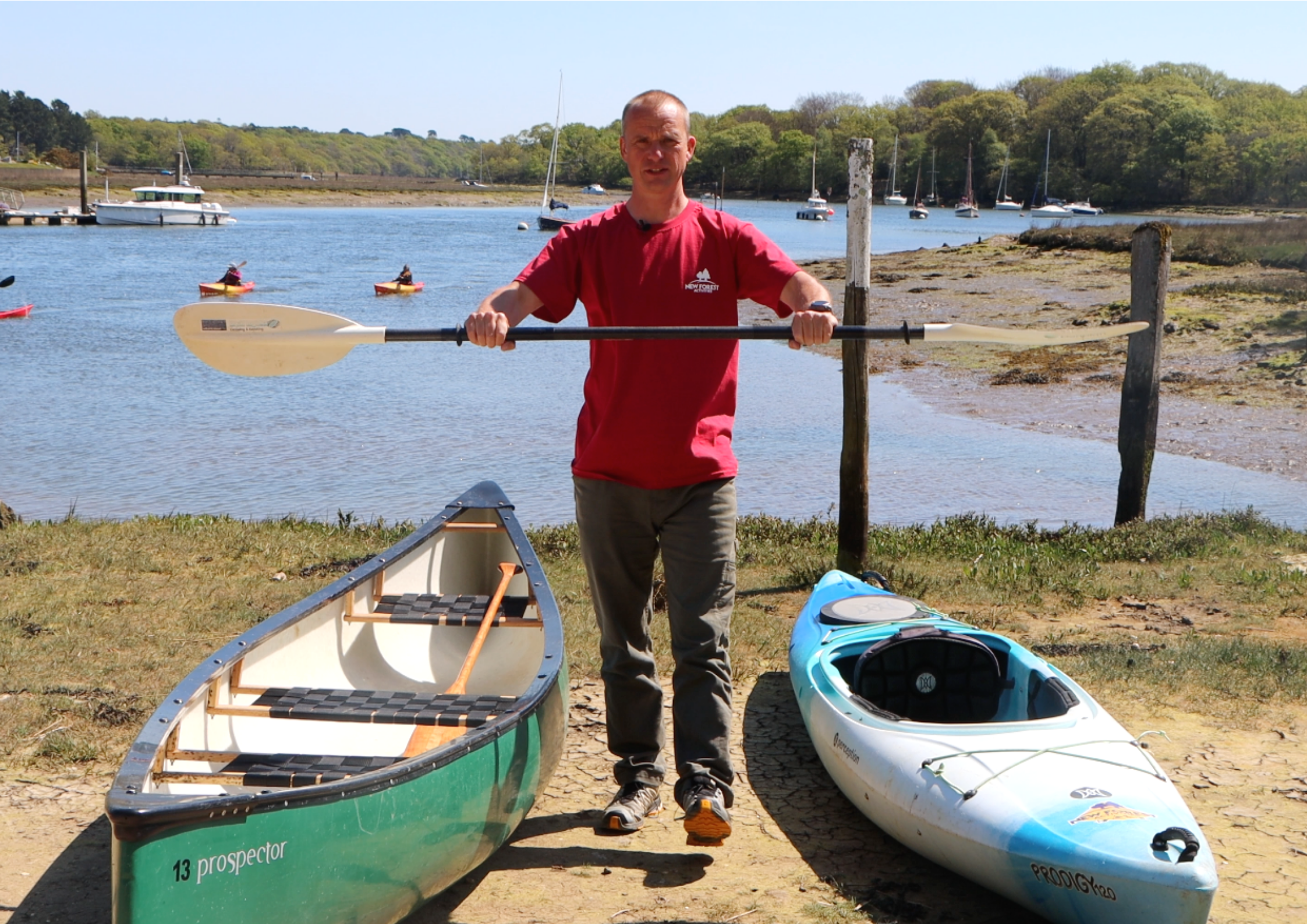
A canoe is an open boat, usually pointed at both ends. People sit or kneel inside, using a single-bladed paddle. Canoes come in different shapes and sizes, but they share some key features.
Most canoes have high sides and an open top. This design lets you carry gear, pets, or even friends with ease. Families and groups often choose canoes for their space. The open design also makes it easy to get in and out, which is helpful for beginners or when loading supplies.
Canoes have a long history. Indigenous people in North America, for example, used wooden canoes for travel and fishing. Today’s canoes are usually made from lightweight materials like aluminum, fiberglass, or plastic. Some are still crafted from wood for a classic feel.
What Is A Kayak?
A kayak is a closed boat with a small opening, called a cockpit. The paddler sits inside with their legs stretched forward. A kayak is moved using a double-bladed paddle. Unlike canoes, most kayaks keep water out, thanks to their covered design.
Kayaks were first built by indigenous people in Arctic regions. They used animal skins and bones to make boats for hunting. Today, kayaks are made from strong plastics, fiberglass, or carbon fiber. There are many types of kayaks, designed for lakes, rivers, sea, or even whitewater rapids.
Kayaks are usually made for one person, but you can find tandem models for two. They’re faster and easier to control in rough water. The low profile helps in windy conditions, and the closed cockpit keeps you dry.
Key Differences Between Canoe And Kayak
Understanding the core differences helps you choose the right boat for your adventure. Let’s break down the most important areas.
Design And Structure
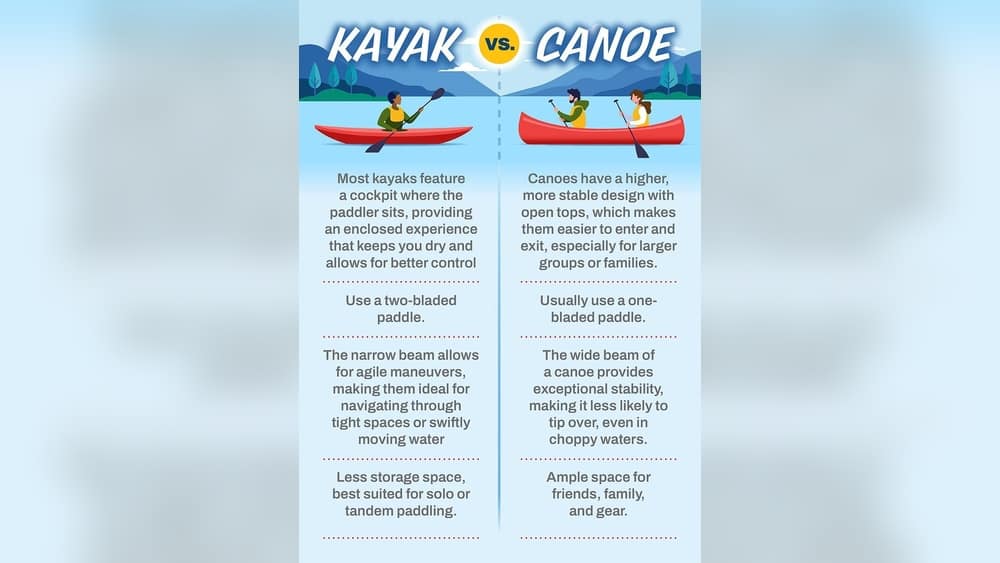
- Canoes have an open top, higher sides, and often a wider, more stable base. You sit on a bench or kneel.
- Kayaks are closed or mostly covered. You sit low, legs forward, inside the boat.
This means canoes offer more room and are easier for loading gear or moving around. Kayaks are sleek, built for speed, and protect you from splashes.
Paddle Type
- Canoe paddles have one blade. You paddle on one side, then switch, or use special strokes.
- Kayak paddles have a blade on each end. You alternate sides with each stroke.
Kayak paddles usually let you move faster, while canoe paddles can feel more relaxed.
Seating And Comfort
- In a canoe, you sit upright on a bench or kneel. There’s more room to change position or stretch.
- In a kayak, you sit with your legs out in front, sometimes with back support. The fit is tighter.
Canoes are better for people who like to move around or want to bring kids or pets. Kayaks give you better control with your body, especially in rough water.
Stability And Balance
- Canoes are wider and more stable for standing or moving inside.
- Kayaks can feel less stable at first but are better for rolling or quick moves.
Beginners often feel safer in a canoe, but experienced kayakers can handle bigger waves and tricky water.
Speed And Maneuverability
- Kayaks are generally faster and easier to turn. Their shape cuts through water efficiently.
- Canoes are slower but track well in a straight line.
If you want to cover long distances fast, a kayak is usually better.
Types Of Canoes
Canoes come in several styles. The type you choose affects how it performs.
- Recreational Canoes: Wide and stable, good for calm lakes and beginners.
- Touring Canoes: Longer, built for trips and carrying gear.
- Whitewater Canoes: Short, sturdy, with higher sides for rough rivers.
- Racing Canoes: Long, narrow, lightweight, built for speed.
- Solo Canoes: Smaller, for one person.
- Freight Canoes: Extra-large, for heavy loads or family outings.
Each type serves a different purpose. For example, a whitewater canoe isn’t ideal for fishing on a quiet lake.
Credit: www.newforestactivities.co.uk
Types Of Kayaks
Kayaks are even more varied. Your choice depends on water type and what you want to do.
- Recreational Kayaks: Wide, stable, easy to use on flat water.
- Touring Kayaks: Longer, designed for distance and storage.
- Whitewater Kayaks: Short, strong, built for rapids.
- Sea Kayaks: Long, narrow, with sealed compartments for ocean travel.
- Sit-on-Top Kayaks: Open, easy to get on/off, great for warm climates and fishing.
- Inflatable Kayaks: Portable, light, good for travel or small storage spaces.
- Fishing Kayaks: Stable, with space for gear, rod holders, and sometimes pedals.
- Tandem Kayaks: Built for two paddlers.
A sea kayak, for example, is perfect for long trips along the coast but would be hard to use on a small river.
Advantages Of Canoes
Canoes are often the first choice for families and groups. Here’s why:
- Roomy and Open: Easy to bring kids, pets, or camping gear.
- Stable: Harder to tip over, easy to stand or move inside.
- Easy Entry/Exit: You can step in and out with little trouble.
- Good for Fishing: Room for equipment, easy to cast from.
- Quiet Paddling: Great for birdwatching or exploring nature.
Canoes are also easier to repair in the field. If you’re out camping and something breaks, you can often fix it with simple tools.
Advantages Of Kayaks
Kayaks attract those who want speed and adventure.
- Fast and Efficient: Cut through water with less effort.
- Great for Solo Paddling: Easier to handle alone.
- Good in Wind and Waves: Low profile reduces wind resistance.
- Stay Drier: Closed cockpit keeps water out.
- More Maneuverable: Turn quickly and handle rough water well.
- Lightweight: Easier to carry and load on a car.
Kayaks are also popular for ocean or sea travel. The design lets skilled paddlers “roll” the kayak upright if they capsize, which is impossible in a canoe.
Disadvantages Of Canoes
While canoes have many strengths, they’re not perfect for everyone.
- Slower: Harder to paddle fast or in strong wind.
- Heavy: Large canoes can be difficult to carry alone.
- Not as Good in Rough Water: Open top lets in water during big waves or rain.
- Harder for Solo Paddling: Steering alone can be tricky.
If you want to paddle solo in challenging conditions, a canoe may not be the best choice.
Disadvantages Of Kayaks
Kayaks have limits, too.
- Less Room: Hard to carry lots of gear or passengers.
- Tighter Fit: Some people feel cramped, especially on long trips.
- Getting In/Out: Can be difficult, especially for beginners or those with limited flexibility.
- Harder to Fish or Stand Up: Most kayaks are not made for standing.
Kayaks also require more practice to master. If you capsize, getting back in can be tough unless you know special techniques.
Which One Is Easier For Beginners?
Many people ask which boat is easier for a first-timer. The answer depends on your goals.
- Canoes are usually more forgiving. You can stand, shift position, or bring a friend for help. If you want a relaxing trip, they’re a great choice.
- Kayaks are easy to paddle straight and fast, but the closed cockpit can feel tight. They require more balance at first, but many find them simple after a short lesson.
A key tip: try both before you buy. Rental shops often let you test canoes and kayaks. This is the best way to see which feels more comfortable to you.
Common Activities: Canoe Vs Kayak
Different boats suit different adventures. Here’s how each performs in popular activities.
Camping And Multi-day Trips
Canoes shine here. The open space makes it easy to pack tents, food, and supplies. You can even bring coolers or fishing gear. For river camping or lake trips, the canoe is hard to beat.
Kayaks can be used for camping, too. Touring or sea kayaks have dry storage areas. But packing and unpacking is slower, and you have less space.
Fishing
Both boats are popular for fishing. Canoes offer space and stability. You can move around, switch seats, and handle gear easily.
Fishing kayaks are designed with holders, storage, and sometimes pedals. They’re great for solo anglers, especially in shallow or tricky waters.
Whitewater And Rapids
Kayaks are the top choice for whitewater. Their shape and closed cockpit keep you safe and dry. You can roll or maneuver quickly.
Some canoes are built for whitewater, but you need skill and special gear. Beginners are safer in a kayak on rough rivers.
Family And Group Outings
Canoes win for groups. They fit more people and gear. You can talk, share snacks, or even let kids paddle with you.
Kayaks are best for solo or paired adventures. Tandem kayaks exist, but they’re less flexible for changing seats or moving around.
Racing And Speed
Kayaks are faster, especially over long distances or in races. Their design cuts through water with less drag. Racing canoes exist, but they require skill and teamwork.
Ocean And Sea Travel
Sea kayaks are built for big water. Their long shape, storage, and closed design keep you safe from waves.
Canoes are not recommended for open ocean unless the water is calm and you’re very experienced.
Materials And Durability
The material of your boat affects weight, price, and how you care for it.
Canoe Materials
- Aluminum: Tough, low maintenance, but heavy.
- Fiberglass: Lighter, smooth, but can crack if hit.
- Plastic (Polyethylene): Cheap, durable, but can be heavy.
- Wood: Beautiful, classic, but needs care.
- Kevlar/Carbon Fiber: Super light, strong, but expensive.
Kayak Materials
- Plastic (Polyethylene): Most common, tough, affordable.
- Fiberglass: Lighter, smooth, mid-priced.
- Composite (Kevlar/Carbon): Very light, for serious paddlers.
- Inflatable Materials: Portable, but not as durable.
A key insight: lighter boats are easier to carry and paddle, but they’re usually more expensive. Beginners often start with plastic or aluminum, as they can handle bumps and learning mistakes.

Credit: www.youtube.com
Cost Comparison
Price is an important factor for many. Here’s a general range for new boats:
- Canoes: $400–$3,000, depending on size and material
- Kayaks: $250–$5,000, with touring and sea kayaks at the high end
Entry-level recreational models are affordable. High-performance or specialty boats can cost much more.
Remember, you’ll also need paddles, safety gear, and possibly a roof rack for your car.
Transportation And Storage
Canoes are larger and heavier. You may need help to lift and load one onto your car. They take up more space in a garage or shed.
Kayaks are lighter and easier to carry alone. Some types, like inflatables or sit-on-tops, can fit in small cars or closets. If storage is limited, a kayak (or even an inflatable kayak) might be best.
Safety Considerations
Both boats are safe when used properly, but each has unique risks.
- Canoes: The open top means water can enter easily. Always wear a life jacket, and avoid rough water unless trained.
- Kayaks: Capsizing can trap you inside if you panic. Practice “wet exits” and always use a spray skirt in rough conditions.
A non-obvious tip: practice getting in and out of your boat on land first. This builds confidence and muscle memory, so you’re ready on the water.
Environmental Impact
Both boats are eco-friendly ways to enjoy nature. Paddling does not pollute the water, and most modern boats are made from recyclable materials.
However, fiberglass and plastic boats can take hundreds of years to break down. If you’re concerned about the environment, look for brands that recycle old boats or use green materials. Also, always clean your boat to avoid spreading invasive species between lakes or rivers.
Cultural And Sporting Significance
Canoes and kayaks are more than just boats—they have deep roots in history and sport.
- Canoeing was a key part of life for many indigenous peoples. Today, it’s an Olympic sport and a popular outdoor activity.
- Kayaking began as a hunting tool and now includes everything from Olympic racing to extreme whitewater stunts.
Both sports have clubs, competitions, and passionate communities worldwide. Joining a local group is a great way to learn and make friends.
Canoe Vs Kayak: Quick Comparison
Here’s a simple side-by-side look at the main differences.
| Feature | Canoe | Kayak |
|---|---|---|
| Seating | Bench/kneeling, open | Sitting, legs forward, closed |
| Paddle | Single-bladed | Double-bladed |
| Stability | Very stable | Less stable at first |
| Speed | Slower | Faster |
| Capacity | 2+ people, lots of gear | 1-2 people, less gear |
| Entry/Exit | Easy | Can be tricky |
| Best For | Families, camping, fishing | Solo, speed, rough water |
%20(A4%20Document)%20(Poster%20(Landscape)).png?updated=1652104900 "Canoe Vs Kayak: Which Is Best for Your Next Adventure?")
Credit: www.newforestactivities.co.uk
Canoe And Kayak: Where Are They Most Popular?
Different regions favor one over the other, often due to local water types or traditions.
- North America: Canoes are common in Canada and the US, especially for lake camping.
- Europe: Kayaking is popular, especially in rivers and coastal areas.
- Australia/New Zealand: Both are used, but sea kayaking is growing fast.
- Asia: Kayaks are gaining fans, especially for adventure sports.
Some countries even have national canoe or kayak teams for international competitions.
Not-so-obvious Insights
- Wind Matters: Canoes are harder to paddle in strong wind, especially when empty. The high sides act like a sail. Kayaks, being lower to the water, are less affected.
- Skill Progression: It’s easier to learn basic canoe paddling, but advanced kayaking skills (like rolling) open up more challenging adventures. If you want to explore ocean or whitewater, kayaking gives you more options in the long run.
- Health Benefits: Both boost upper body and core strength, but kayaking often works your arms and shoulders more due to the double-bladed paddle. Canoeing can be gentler on your body during long, relaxed trips.
How To Decide: Canoe Or Kayak?
Ask yourself these questions:
- How many people will join you most of the time?
- Will you carry lots of gear (camping, fishing, pets)?
- What type of water will you paddle (calm lakes, rivers, sea, rapids)?
- Do you prefer speed or comfort?
- How will you transport and store your boat?
- Do you want to paddle solo or with a group?
If you’re still unsure, join a guided tour or take a class. Real-world experience is the best teacher.
Sample Use Cases
Here’s what different paddlers might choose:
- Family with kids and dog: Canoe, for stability and space.
- Solo adventurer, loves speed: Kayak, for agility and distance.
- Angler who likes to stand and fish: Canoe or fishing kayak, depending on water.
- Couple exploring a calm lake: Tandem kayak or large canoe.
- Thrill-seeker on whitewater: Short, tough whitewater kayak.
Sample Gear Checklist
No matter which you choose, some gear is essential:
- Personal Flotation Device (PFD) for everyone.
- Paddle (single or double-bladed).
- Dry bag for valuables.
- Map/compass or GPS.
- First aid kit.
- Whistle (for safety).
- Spray skirt (for kayaks in rough water).
- Repair kit (duct tape, patch kit).
- Sun protection (hat, sunscreen).
Real-world Performance Table
For a quick look at how canoes and kayaks perform in common scenarios:
| Scenario | Best Choice | Why |
|---|---|---|
| Family camping trip | Canoe | Room for people and gear |
| Solo speed paddling | Kayak | Fast and efficient |
| Fishing on a lake | Canoe or fishing kayak | Stable and roomy |
| Whitewater rapids | Kayak | Designed for rough water |
| Ocean exploration | Sea kayak | Handles waves, storage |
Unique Experiences: Canoe Vs Kayak
It’s not just about function. Each boat offers a different feeling.
- Canoe trips are social and relaxed. You chat, share snacks, and enjoy the view together. The steady ride suits nature lovers and families.
- Kayak outings feel more solo and athletic. You glide quickly, close to the water. The boat responds sharply to every move—a thrill for sporty paddlers.
Try both on a calm day. You’ll know quickly which suits your style.
Where To Learn More
To dive deeper into canoe and kayak history, you can explore resources like the Wikipedia: Canoe page, which covers types, history, and more.
Frequently Asked Questions
What Is The Main Difference Between A Canoe And A Kayak?
The main difference is the boat design and paddle type. Canoes are open on top, you sit or kneel inside, and use a single-bladed paddle. Kayaks are closed or semi-closed, you sit with legs forward, and use a double-bladed paddle.
Which Is Safer For Beginners, A Canoe Or A Kayak?
Both are safe with proper gear and training. Canoes feel more stable at first, especially on calm water, but kayaks are easier to control if you capsize. Always wear a life jacket, and practice basic safety moves before your first trip.
Can You Use A Kayak And A Canoe On The Same Water?
Yes, most lakes and rivers are suitable for both. However, kayaks handle rough water and wind better, while canoes are best for calm conditions and carrying more gear or people.
How Do I Choose The Right Paddle For Canoeing Or Kayaking?
Choose a single-bladed paddle for canoes, sized to your height and canoe width. For kayaks, use a double-bladed paddle, with length based on your height and kayak width. Lightweight paddles reduce fatigue on long trips.
Are Inflatable Kayaks Or Canoes A Good Choice?
Inflatable models are great for easy transport and storage. Modern designs are durable and stable, but they may not perform as well as hard-shell boats in speed, tracking, or rough water.
Canoes and kayaks both open a world of adventure. The best choice is the one that fits your needs, water, and style. Try both, stay safe, and enjoy your time on the water!