
Kayaking brings adventure, freedom, and connection with nature. But if you want to take your kayak to new waters, you need a safe and reliable way to transport it. Two brands stand out in this world: Thule and Yakima. These names are known for their strong, well-designed kayak racks, but which one is best for you? The answer is not as simple as picking the most popular name. Both companies offer a range of products, and each has its own strengths and weaknesses.
Many paddlers wonder if Thule or Yakima is better for their kayak. The answer depends on your car, kayak type, how often you travel, and even your personal style. This guide dives deep into the comparison. You will learn about design differences, load capacity, ease of use, safety, price, warranty, and more.
You will also discover details that are often missed by beginners, so you can make a smart decision and avoid common mistakes.
Let’s explore what sets Thule and Yakima apart, and help you find the right kayak rack for your next trip.
Brand Backgrounds And Reputation
Both Thule and Yakima have been around for decades, building trust in the outdoor community. But their backgrounds and philosophies shape their products in unique ways.
Thule is a Swedish company, founded in 1942. They focus on making transportation easier for outdoor lovers, and their racks are well-known for clever design and a premium look. Thule is often connected with European cars, and their products tend to have a modern, sleek appearance.
Yakima started in Washington State, USA, in the late 1970s. They quickly became popular with American adventurers. Yakima racks are famous for their tough build and practical features, often with a more rugged or sporty style. They tend to match American trucks and SUVs very well.
Both brands have won awards for innovation and safety. But there are differences in design language and customer service. Thule often feels more “high-end,” while Yakima aims for user-friendliness and value.
Product Range And Options
Choosing the right rack starts with looking at what each brand offers. Both Thule and Yakima make a wide range of kayak carriers, but their main products fall into similar types:
- J-Cradles – Hold the kayak on its side, saving space.
- Saddle-style – Support the kayak bottom, good for stability.
- Stackers – Carry multiple kayaks upright.
- Lift-assist systems – Help you load heavy kayaks with less effort.
Let’s compare popular models from each brand, so you see how the choices match up.
| Type | Thule Models | Yakima Models |
|---|---|---|
| J-Cradle | Hull-a-Port, Hull-a-Port XT | JayLow, JayHook |
| Saddle-style | DockGlide, DockGrip | SweetRoll, DeckHand |
| Stacker | The Stacker | BigStack |
| Lift-assist | Hullavator Pro | ShowDown |
Non-obvious insight: Many beginners think they need the most expensive model, but the best choice often depends on how heavy your kayak is and how many you carry at once. For example, stackers are better for families, while lift-assist systems are best for solo paddlers with heavy kayaks.
Installation And Vehicle Compatibility
Both brands aim for easy installation, but the process and compatibility can differ. Before you buy, check if the rack will fit your car’s roof bars and shape.
Thule racks often come with adjustable clamps and “T-track” adapters. This makes them fit most crossbar styles, including factory, round, and square bars. Thule’s instructions are usually clear, and many systems use tool-free installation.
Yakima racks use a “universal mounting system” that fits most bars, but some models need extra adapters for certain cars. Yakima is known for their SKS lock system, which lets you use one key for all Yakima gear.
Practical tip: Always check your car roof weight limit before buying. Even the strongest rack is useless if your car cannot support the load.
| Feature | Thule | Yakima |
|---|---|---|
| Fits Factory Bars | Yes (most models) | Yes (with adapters on some models) |
| Fits Round Bars | Yes (with adapters) | Yes |
| Tool-free Install | Yes (many) | Yes (many) |
| Lock System | One Key System | SKS (Same Key System) |
Many users find Thule’s fit guides online easy to use. Yakima’s site also offers a “Fit My Car” tool. However, beginners often miss the small print on weight limits and bar spacing. Always double-check your vehicle’s manual and the rack’s specs.
Loading And Unloading: Ease Of Use
How easy is it to get your kayak on and off the car? For solo paddlers or heavier boats, this is a key factor.
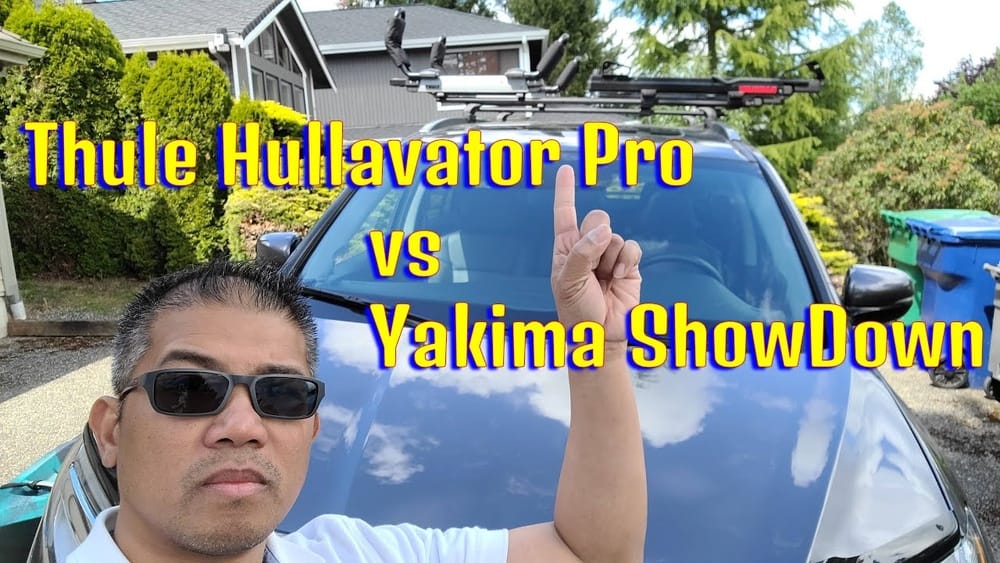
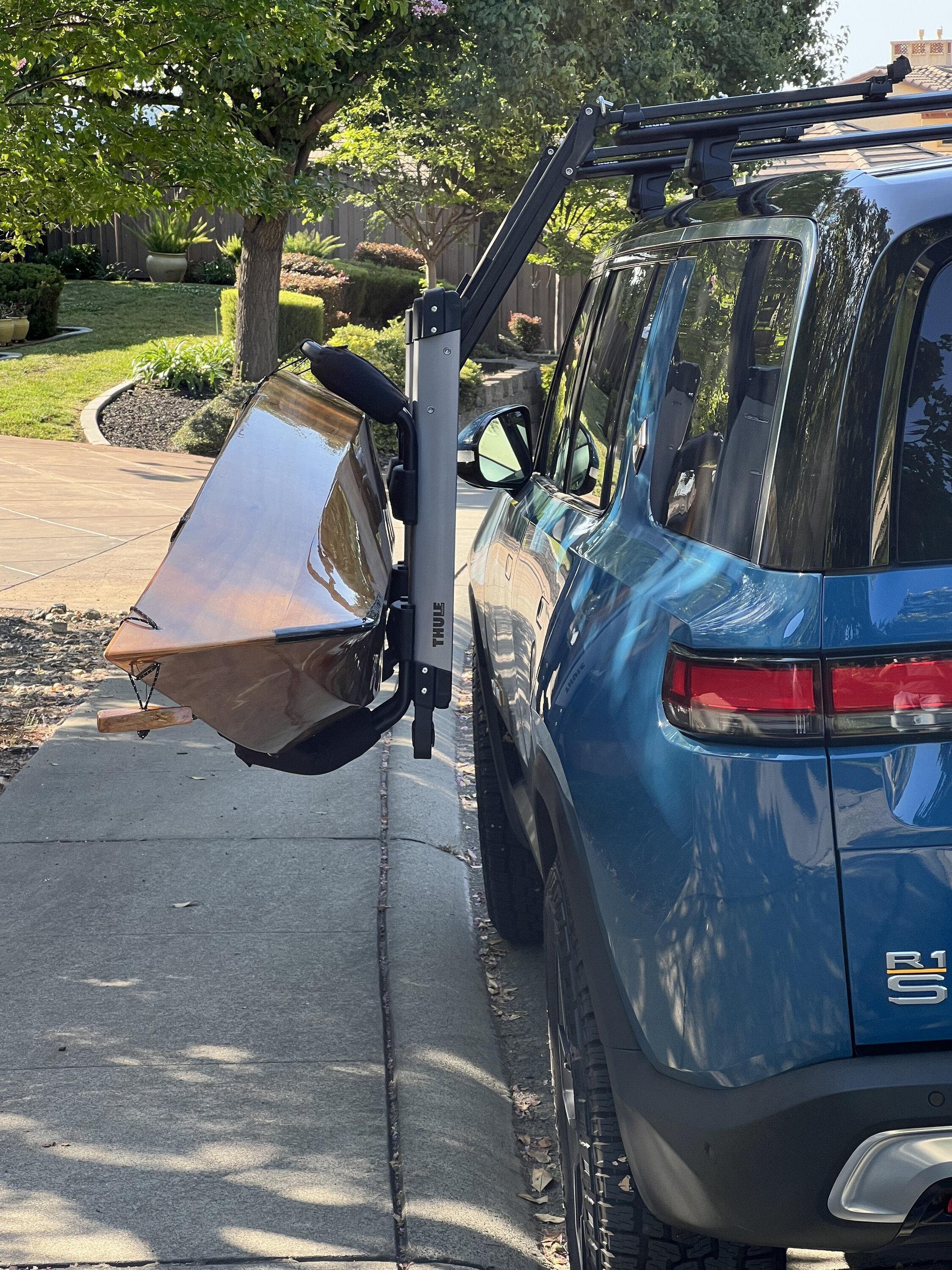
Thule’s Hullavator Pro is famous for its gas-assist arms. It lowers your kayak to waist level, making it much easier to lift. This system reduces the lift height by up to 40 pounds, which is a big help for people with heavy touring kayaks.
Yakima’s ShowDown offers a similar assist, with handles that let you slide the kayak up and down. It also supports up to 80 pounds, which covers most recreational kayaks.
Other models, like J-cradles and stackers, require you to lift the kayak above your head. For lighter boats and two people, this is not a problem. But for solo trips, the lift-assist models are a game-changer.
Pro tip: Test the loading height on your own car before buying. SUVs and tall vehicles can make even “easy” racks hard to use if you are not tall yourself.

Credit: anniesdeli.com
Security And Protection
Your kayak is an investment, and you want it safe during transport and when parked. Both Thule and Yakima offer locks and padding to protect your gear.
- Thule’s One Key System lets you use one key for all Thule products, including racks and cargo boxes. Most kayak racks come with strong straps and thick rubber padding.
- Yakima’s SKS Locks do the same for Yakima gear. Their racks also use wide, soft cradles to protect your boat from scratches.
A non-obvious detail: factory-included locks may not always come with the base model. Sometimes, you need to buy lock cores separately. Many beginners miss this and only realize after their first trip.
For the best security, always use bow and stern tie-downs. Both brands include these with many models, but not always. These extra straps stop the kayak from lifting in strong winds or sudden stops.
Durability And Build Quality
Kayak racks face tough weather – sun, rain, snow, and salt. Both brands use strong materials, but their design choices lead to subtle differences.
Thule often uses aluminum for key parts. This keeps racks light but strong, and less likely to rust. Their cradles and arms use UV-resistant plastics and thick rubber. Thule products are tested in extreme cold and heat, as you would expect from a Swedish company.
Yakima uses a mix of steel and coated metals, with reinforced plastics in load areas. Many Yakima racks feel heavier, but the finish is tough. Their gear is tested for American road conditions, including gravel and dirt.
Real-world tip: Aluminum is better for wet coastal climates, as it resists corrosion. Steel racks are tougher for heavy impacts but need more care to avoid rust.
Both brands offer spare parts and replacement straps, which is important for long-term use. If you travel often or leave your rack on the car year-round, durability matters more.

Credit: www.youtube.com
Aerodynamics And Noise
Nobody likes a loud whistle or drop in fuel economy on a road trip. Both Thule and Yakima try to make their racks quiet and aerodynamic.
Thule’s AeroBlade crossbars and low-profile cradles reduce wind drag. Many Thule kayak racks fold down when not in use, lowering noise.
Yakima’s JetStream bars offer a similar quiet ride. Some Yakima models use wind deflectors, and their carriers also fold flat.
However, even the best kayak rack will add some noise, especially at highway speeds. The difference is more about the shape of your car and the crossbars, not just the kayak rack itself.
Non-obvious insight: The way you strap the kayak can affect noise. Loose straps flap in the wind and make a “humming” sound. Twist the straps once to reduce this effect.
Weight Limits And Capacity
Not all kayak racks can carry every boat. Most Thule and Yakima models support up to 75–80 pounds per kayak, but there are exceptions.
- Thule Hullavator Pro: 40-pound lift assist, up to 75-pound kayak.
- Yakima ShowDown: Up to 80 pounds.
- J-cradles (both brands): Usually 75–80 pounds.
- Stackers: Up to 4 kayaks (with lighter boats).
Always check the rack AND your vehicle’s max load. Going over the limit is dangerous and may void your warranty.
Beginners often think they can carry big fishing kayaks or tandems on any rack. In reality, these need special carriers or trailers. Never overload a stacker with too many boats, even if they “fit. ”
Credit: www.rivianforums.com
Price And Value For Money
Price is a big factor for many buyers. Thule and Yakima products usually cost between $100 and $750, depending on the system.
- Entry-level J-cradles: $130–$200.
- Saddle systems: $200–$300.
- Stackers: $150–$230.
- Lift-assist models: $500–$750.
Thule often costs slightly more, especially for premium or lift-assist models. Yakima tends to be more affordable on basic racks, but their high-end products are priced similarly.
What do you get for the money? Thule’s higher price brings more refined design and sometimes better finish. Yakima offers more value in bundle deals, where you get cradles, locks, and tie-downs together.
Hidden cost warning: Many racks do not include all locks or adapters. Check what’s in the box before you buy.
Warranty And Customer Support
Outdoor gear takes a beating, so warranty matters. Both brands have strong warranties, but there are key differences.
- Thule: Limited Lifetime Warranty. Covers defects in materials and workmanship as long as you own the product, but not normal wear or misuse.
- Yakima: Limited Lifetime Warranty. Similar coverage, but some parts (like straps) have shorter coverage.
Customer service varies by region. Thule has a strong global network, while Yakima’s support is better in North America. Both brands offer online guides, video help, and easy-to-find spare parts.
If you travel internationally, Thule may be easier to service. For US customers, Yakima is often quicker to respond.
Real-world User Experiences
Hearing from actual users offers a better picture than just reading specs. Here are some common themes from paddlers:
- Thule fans: Praise the smooth finish, quiet ride, and easy fit. Some say the price is high, but “you get what you pay for.”
- Yakima fans: Like the rugged feel and good value. Many mention the SKS lock system and good fit for trucks/SUVs. Some wish the instructions were clearer.
- Lift-assist users: Both brands get top marks for solo loading. However, the Hullavator is often seen as smoother, while the ShowDown is lighter and easier to remove from the car.
Beginner mistake: Not tightening all bolts after a few drives. Always check the rack after the first trip, as parts can settle or loosen.
Environmental And Ethical Practices
Many outdoor lovers care about the planet. Both Thule and Yakima have made steps toward greener products.
- Thule: Uses recycled materials in some products and aims for climate-neutral production. They publish an annual sustainability report.
- Yakima: Reduces waste in packaging and uses eco-friendly coatings. They also support river and trail conservation groups.
If environmental impact matters to you, check each brand’s website for the latest updates.
Which Brand Should You Choose?
There is no single “best” brand for everyone. Here’s a summary to help you decide:
- Pick Thule if: You want a premium look, own a European car, or need the smoothest lift-assist.
- Pick Yakima if: You like rugged gear, drive a truck/SUV, or want the best value on bundles.
- For solo paddlers or heavy boats: Look for lift-assist models (Thule Hullavator or Yakima ShowDown).
- For families or groups: Stackers are the most flexible (Thule Stacker or Yakima BigStack).
- On a tight budget: Yakima’s entry racks are usually more affordable.
- For frequent long trips: Thule’s aerodynamics and quiet ride may matter more.
Both brands are trusted by paddlers around the world. The right choice depends on your needs, car, and budget.
Frequently Asked Questions
How Do I Choose Between Thule And Yakima For My Kayak?
First, check your car’s roof bar type and weight limit. Then, think about how many kayaks you want to carry and if you need solo loading. Thule is better for premium features and European cars. Yakima is often better for trucks and value.
Both are reliable if you match the rack to your car and kayak.
Can I Use Thule Racks On Yakima Crossbars (or Vice Versa)?
Sometimes, yes. Many Thule racks fit Yakima bars with an adapter. Yakima racks also fit Thule bars in most cases. But always check the product specs. Using the wrong combination can reduce safety or void the warranty.
Are Lift-assist Kayak Racks Worth The Price?
If you paddle alone or have a heavy kayak, lift-assist systems like Thule’s Hullavator or Yakima’s ShowDown are a good investment. They make loading much easier and safer. If you have light boats or always paddle with friends, standard racks are enough.
How Do I Stop My Kayak Rack From Making Noise?
Use aerodynamic crossbars if possible. Fold the rack down when not in use. Twist tie-down straps to stop “humming. ” Check for loose parts. Adding a wind fairing can also help, especially at highway speeds.
Where Can I Find More Technical Details About Thule And Yakima Racks?
Official brand websites offer detailed specs, fit guides, and installation videos. For more technical data, see OutdoorGearLab for expert reviews and advice.
Choosing between Thule and Yakima is a personal decision. Both brands deliver safe, reliable ways to transport your kayak, but the right rack will fit your car, your gear, and your adventures. Take time to compare, check the small details, and you will enjoy many years of paddling with peace of mind.