
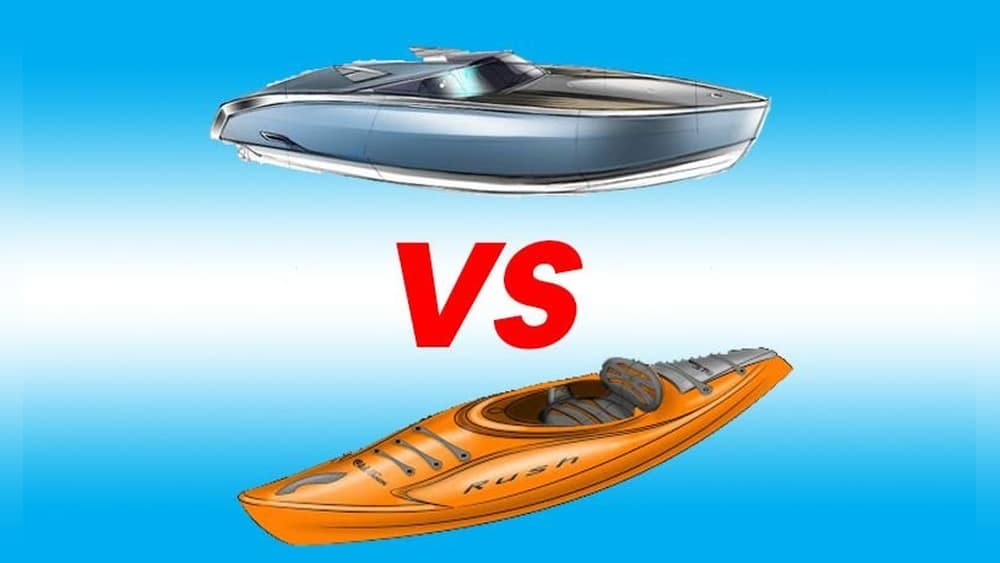
Choosing between a boat and a kayak can be exciting, but also confusing. Both options offer ways to explore water, enjoy nature, and create adventure. Still, they are very different in design, use, and experience. Knowing the differences will help you make the right choice for your needs, whether you want peaceful paddling on a lake, fast river action, or a relaxing family trip. Let’s look at what makes boats and kayaks unique, their main benefits, and how to pick what’s best for you.
Understanding Boats And Kayaks
Before comparing, it’s important to know what each craft is and how it is commonly used.
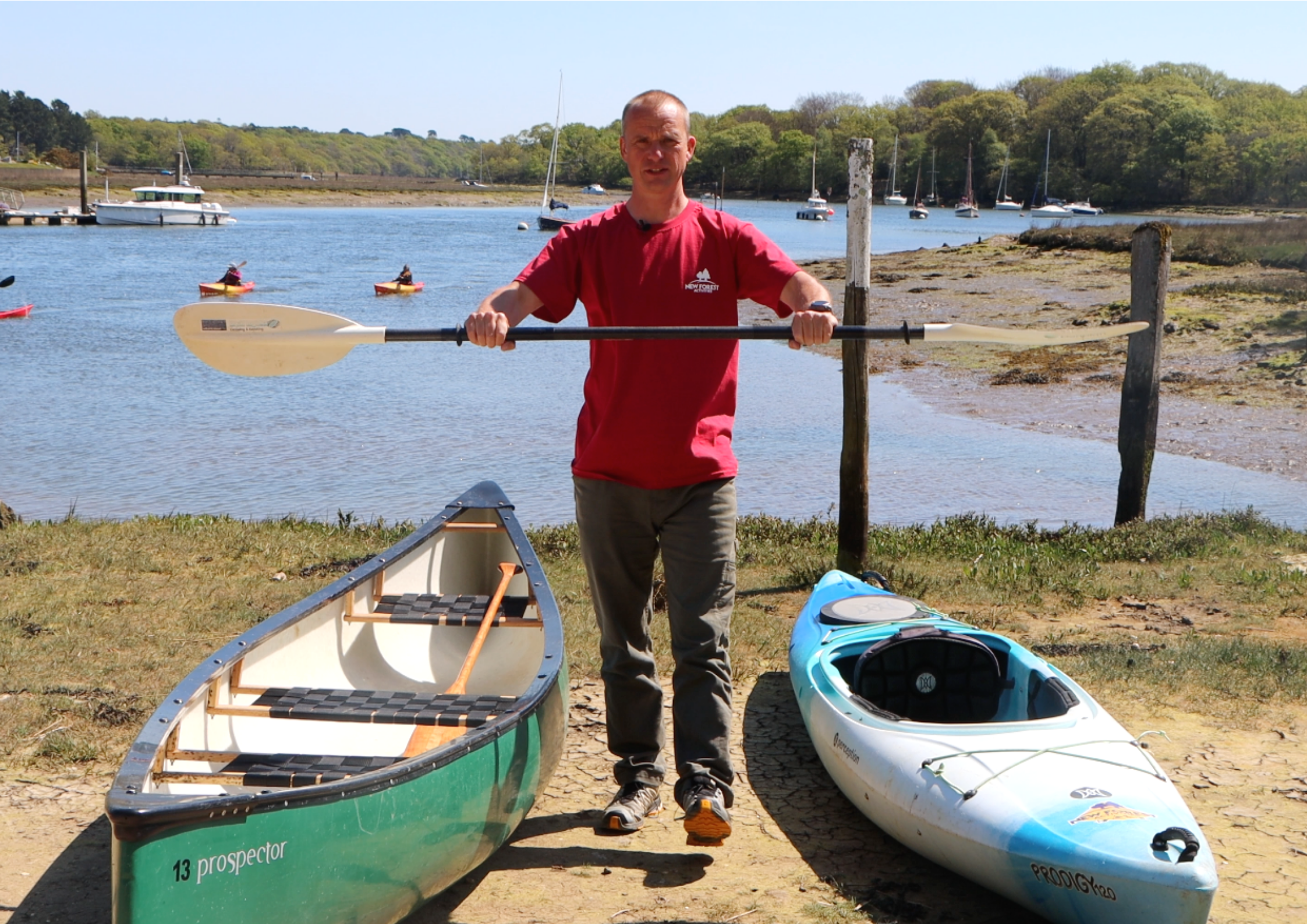
A boat is a broad term. It can mean anything from a small rowboat to a large motorboat. Boats are usually bigger than kayaks, carry more people, and can be powered by oars, sails, or engines. They are common for fishing, family outings, water sports, or even living on the water.
A kayak is a narrow, lightweight craft. It is usually made for one or two people and powered by a double-bladed paddle. Kayaks are known for their speed, low profile, and easy movement in water. They are often used for recreation, sport, or exploring places bigger boats cannot reach.
The difference in design affects everything—how you control them, what you can do, and how much fun you’ll have.
Main Differences: Design And Function
Size And Weight
Boats are generally larger and heavier. They can range from small dinghies (about 8 feet long) to large pontoon boats (over 20 feet). This size makes them stable and able to carry more people or gear, but also harder to move and store.
Kayaks are much smaller and lighter. Most single kayaks are between 8 and 14 feet long, and weigh between 20 and 50 pounds. This makes them easy to carry by hand or on a car roof.
Capacity
A typical boat can carry more than one person—some can hold 10 or more people. This makes them perfect for families, group trips, or fishing with friends.
Most kayaks are made for one person, though there are tandem kayaks for two. Some larger models can carry small children or pets, but space is limited.
Power Source
Boats may use:
- Oars (rowboats)
- Sails (sailboats)
- Engines (motorboats or speedboats)
Kayaks are almost always powered by a paddle. Some modern kayaks use pedals or small electric motors, but these are less common.
Speed And Maneuverability
Motorboats can go very fast—over 30 mph in some cases. Sailboats’ speed depends on wind, but can still be quick.
Kayaks are slower, usually moving at about 3-5 mph under normal paddling. However, they are much easier to turn and control in tight spaces, especially in rivers or narrow creeks.
Stability
Boats are wider and designed for stability. You can stand up, walk around, and even move gear without much risk of tipping.
Kayaks are less stable, especially at first. Beginners often feel “tippy” until they get used to balancing. Some wider kayaks (like sit-on-top fishing kayaks) are more stable and allow standing.
Storage And Transport
Boats often require a trailer and a place to park or dock. Storage can be a challenge for people with limited space.
Kayaks are easy to move and store. Many people keep them in a garage or backyard, and transport them on a car roof.
Types Of Boats And Kayaks
Both boats and kayaks come in many types, each made for specific activities.
Common Boat Types
- Rowboat – Small, simple, powered by oars. Great for fishing or short trips.
- Motorboat – Uses an engine, can be fast and powerful. Used for water sports or longer trips.
- Pontoon Boat – Flat and stable, with lots of seating. Popular for family outings.
- Sailboat – Uses wind power. Good for leisure or sport.
- Bass Boat – Specially made for fishing, with storage for gear and seats for anglers.
- Inflatable Boat – Lightweight and easy to transport. Used for fishing or as a backup for bigger boats.
Common Kayak Types
- Recreational Kayak – Short, wide, and stable. Good for beginners and calm water.
- Touring Kayak – Longer and narrower, made for speed and covering distance.
- Whitewater Kayak – Small, tough, and highly maneuverable. Made for rapids and fast rivers.
- Sit-on-top Kayak – Open design, easy to get on and off. Good for fishing or warmer climates.
- Fishing Kayak – Extra wide and stable, with holders for rods and space for gear.
- Inflatable Kayak – Lightweight, packs down small. Good for travel or easy storage.
Activities: What Can You Do?
What you plan to do on the water is a big part of your decision.
Best Activities For Boats
- Family Outings: Boats are great for spending time with a group. There’s space for coolers, chairs, and games.
- Fishing: Many boats are designed with fishing in mind. Bass boats and pontoon boats have special features for anglers.
- Water Sports: With enough power, boats can pull water skiers, wakeboarders, or tubes.
- Long Trips: Boats can handle larger bodies of water and rougher conditions, so you can travel further.
Best Activities For Kayaks
- Solo Exploration: Kayaks are perfect for quiet, solo trips on lakes, rivers, or even the ocean.
- Wildlife Watching: Their small size and quiet movement let you get close to birds and animals.
- Exercise: Paddling is a full-body workout and easy to fit into your schedule.
- Whitewater Adventure: Special kayaks handle rapids and strong currents for thrill seekers.
- Fishing: Fishing kayaks are becoming more popular and let you reach spots boats cannot.

Credit: www.youtube.com
Cost: Upfront And Ongoing
Money is always a concern, so let’s look at what you can expect to spend.
Purchase Cost
Kayaks are generally much cheaper. A simple recreational kayak can cost as little as $200–$500. High-end models (like sea kayaks or fishing kayaks) can reach $1,500–$3,000.
Boats are more expensive. A small rowboat might cost $1,000–$3,000, but motorboats and pontoon boats often cost $10,000–$50,000 or more.
Ongoing Costs
Boats need fuel (if motorized), regular maintenance, storage, insurance, and sometimes docking fees. These costs add up quickly.
Kayaks have almost no ongoing costs. You may want a paddle, life vest, and maybe a roof rack, but little else. Maintenance is usually just rinsing after use and checking for leaks.
Quick Cost Comparison
Here’s a direct look at typical costs:
| Type | Purchase Price (USD) | Annual Maintenance (USD) | Fuel/Other Costs (USD) |
|---|---|---|---|
| Kayak | $200–$3,000 | $20–$100 | Minimal |
| Small Rowboat | $1,000–$3,000 | $100–$300 | Minimal |
| Motorboat | $10,000–$50,000 | $500–$2,000 | $500–$2,000 |
| Pontoon Boat | $15,000–$60,000 | $1,000–$3,000 | $1,000–$3,000 |
Ease Of Use And Learning Curve
Getting Started
Kayaks are simple. Most people learn basic paddling in just a few minutes. Turning, stopping, and going straight are easy with a little practice.
Boats can be more complicated. Motorboats especially need some training—learning to use the throttle, steer, and follow boating rules. Larger boats may even require a license.
Launching And Recovery
Kayaks can be launched almost anywhere—off a beach, a riverbank, or a dock. One person can carry and launch a kayak alone.
Boats often need a ramp and a trailer. Launching can take time and usually requires more than one person.
Control And Handling
Kayaks offer precise control. You can move quietly, get close to wildlife, and explore tiny inlets.
Boats are less nimble, but offer comfort and power. Turning is wider, and stopping takes longer, especially at speed.

Credit: www.youtube.com
Safety Considerations
No matter which you choose, safety comes first.
Safety In Boats
- Life jackets are a must for everyone.
- Motorboats should carry fire extinguishers, signaling devices, and first aid kits.
- Larger boats should have navigation lights and radios.
- Weather can be dangerous—wind, waves, and storms can turn a trip risky.
Safety In Kayaks
- Always wear a personal flotation device (PFD).
- Know your limits—don’t go out in rough water unless skilled.
- Check weather and water conditions before launching.
- Kayaks can capsize easily. Practice self-rescue techniques.
- Avoid busy boating areas to reduce collision risk.
Accident Data
According to the U.S. Coast Guard, in 2022:
- 75% of fatal boating accidents involved drowning, and 86% of victims were not wearing life jackets.
- Kayaks and canoes accounted for about 22% of boating deaths—mainly due to not wearing PFDs or paddling in bad weather.
Storage And Maintenance
Boat Storage
Boats need space—either at home (in a garage or driveway) or at a marina. Some boats require winterizing and covering to prevent damage.
Kayak Storage
Kayaks are easy to store. Many people hang them from a garage ceiling or stand them against a wall. Inflatable kayaks can be packed into a closet.
Maintenance
Boats need regular engine checks, cleaning, and sometimes repairs for electronics or hull damage. This takes time and money.
Kayaks need very little maintenance. Rinsing off saltwater, checking for cracks, and storing out of the sun is usually enough.
Environmental Impact
Fuel And Pollution
Motorboats use fuel, which causes pollution and noise. Oil leaks and spilled fuel can harm lakes and rivers.
Kayaks are clean and quiet. They do not use fuel and have almost no environmental impact.
Wildlife Disturbance
Boats can scare wildlife, especially with loud engines. Kayaks let you move quietly and get closer to animals without disturbing them.
Accessibility And Community
Who Can Use Them?
Boats are good for families, older people, or those who want to avoid physical effort. People with limited mobility may find boats easier.
Kayaks require some fitness and balance. However, there are adaptive kayaks for people with disabilities.
Social Aspect
Boating is often a group activity. You can bring friends and family and share the experience.
Kayaking is mostly solo or with one partner. There are clubs and group trips, but the experience is more personal and quiet.
Weather And Water Conditions
Boats handle rough water and wind better. You can go out in more conditions, and return safely if the weather changes suddenly.
Kayaks are best in calm water. Wind, waves, or strong currents can be dangerous for small, lightweight crafts.
Pros And Cons: At A Glance
Here is a side-by-side look at the main pros and cons:
| Feature | Boat | Kayak |
|---|---|---|
| Capacity | High (4–10+ people) | Low (1–2 people) |
| Speed | Fast (with motor) | Moderate (paddle-powered) |
| Cost | High | Low |
| Storage Needs | Large | Small |
| Maintenance | High | Low |
| Accessibility | Easy for all ages | Requires balance/fitness |
| Environmental Impact | Moderate–high | Very low |
| Activity Range | Wide (fishing, sports, family) | Narrower (exploring, fishing, exercise) |
Credit: www.newforestactivities.co.uk
Two Common Mistakes When Choosing
Many beginners make simple mistakes when picking between a boat and a kayak. Here are two that often go unnoticed:
- Ignoring Storage and Transport Needs: It’s easy to get excited about a new boat, but many people forget to think about where they’ll keep it or how they’ll move it. A boat that’s too big for your garage or that needs a trailer you don’t have can turn into a headache fast.
- Overestimating Skill Level: Some choose a kayak for whitewater or a big motorboat for speed before they’re ready. It’s better to start simple, gain experience, and “upgrade” later. Overconfidence leads to accidents and frustration.
Which Should You Choose?
This decision is personal and depends on your needs. Ask yourself:
- How many people will join you? If you want group trips or family outings, a boat is better. For solo adventures, choose a kayak.
- Where will you use it? Lakes, rivers, and calm bays are great for kayaks. Larger lakes or open water are safer with a boat.
- What is your budget? Kayaks are much cheaper to buy and keep.
- How much storage do you have? Kayaks fit almost anywhere. Boats need more space.
- Do you want exercise or relaxation? Kayaking is a workout. Boating can be passive.
- How important is speed? Boats, especially with motors, are much faster.
- Are you concerned about the environment? Kayaks are the green choice.
For more detailed comparisons and safety tips, you can refer to the Wikipedia entry on boats.
Frequently Asked Questions
What Is Safer, A Boat Or A Kayak?
Both can be safe with proper use. Boats are more stable in rough water, but accidents often happen due to lack of life jackets or bad weather. Kayaks are safe in calm water if you wear a PFD and know your limits.
Can I Fish From Both A Boat And A Kayak?
Yes, fishing is popular from both. Boats offer more space for gear and friends, while kayaks let you reach quiet spots. There are special fishing kayaks with rod holders and extra stability.
Do I Need A License To Operate A Kayak Or Boat?
Most places do not require a license for kayaks. However, some motorboats and larger vessels may require a boating license or safety course, especially in the US and Europe. Check local laws before buying.
Which Is Better For Exercise, Boat Or Kayak?
Kayaking provides better exercise. Paddling works your arms, shoulders, and core. Boating can be relaxing, but unless you are rowing, it does not give much physical workout.
How Long Does It Take To Learn To Use A Kayak Or Boat?
Most people can learn basic kayaking in a few hours. Boats may take longer, especially if using a motor or sailing. Practice and safety training are recommended for both.
Choosing between a boat and a kayak is about more than just price or looks. It’s about the kind of experience you want, how you’ll use it, and the memories you plan to make. Take your time, think about your needs, and you’ll find the perfect way to enjoy the water.