
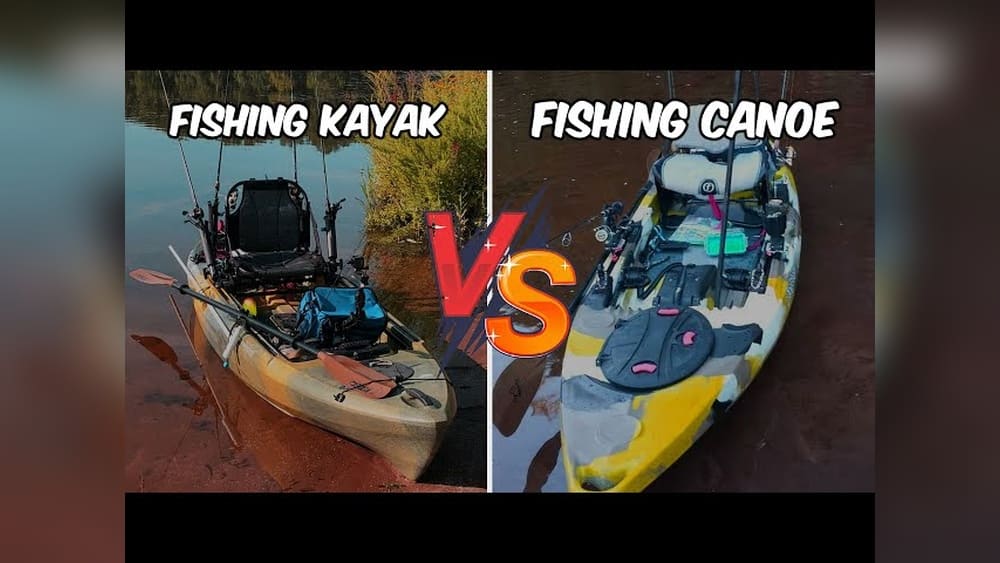
Canoe Vs Kayak Fishing: Which One Is Right For You?
Imagine a quiet morning on the water, the sound of birds, and the thrill of catching your first fish of the day. For many anglers, fishing from a small boat brings them closer to nature and the action. But when you want to try fishing from a paddle craft, you face a classic choice: canoe or kayak? While both look similar at first, they offer different experiences, strengths, and challenges. Choosing the right one can make your time on the water more enjoyable—or more difficult. This article explores canoe vs kayak fishing in detail, so you can decide which fits your style, needs, and local waters best.
What Makes Canoe And Kayak Fishing Different?
Canoes and kayaks are both small boats powered by paddles, but their designs and uses are not the same. A canoe is open on top, usually with benches or seats, and is paddled with a single-bladed paddle. A kayak has a closed or partly closed deck, and you sit lower inside, using a double-bladed paddle.
These differences affect almost every part of your fishing experience. From how you enter the boat, to how much gear you can carry, to how stable you feel while casting. Let’s look at why these differences matter so much.
Stability And Safety On The Water
When fishing, stability is key. You want a boat that doesn’t feel tippy when you stand, move, or fight a strong fish.
Canoe Stability
Most fishing canoes are wide and flat-bottomed. This gives them good primary stability—they feel steady when you sit or move around. Some canoes are so stable that you can stand and cast, which is great for sight fishing or long days on the water.
But this stability can change if the wind picks up. Canoes sit higher above the water, so strong winds can push them around, making them harder to control and less safe in rough conditions.
Kayak Stability
Fishing kayaks are designed for stability, too. Many have a pontoon hull or are extra wide. They offer good secondary stability, which means they resist tipping even when leaning to one side. Sit-on-top kayaks are especially popular for fishing because you can move easily, stand up, and get back in if you fall out.
However, kayaks usually sit lower in the water, so they handle wind and waves better than canoes. They are less likely to be blown off course, making them safer in open or choppy water.
Safety Considerations
- Canoes are easier to swamp (fill with water) if you tip them over.
- Kayaks, especially sit-on-top designs, drain water quickly and are easier to climb back into if you fall out.
- Always wear a personal flotation device (PFD), no matter which you choose.
Comfort And Ease Of Use
Fishing trips can last hours, so comfort matters. It can affect how long you stay out and how much you enjoy the day.
Seating And Space
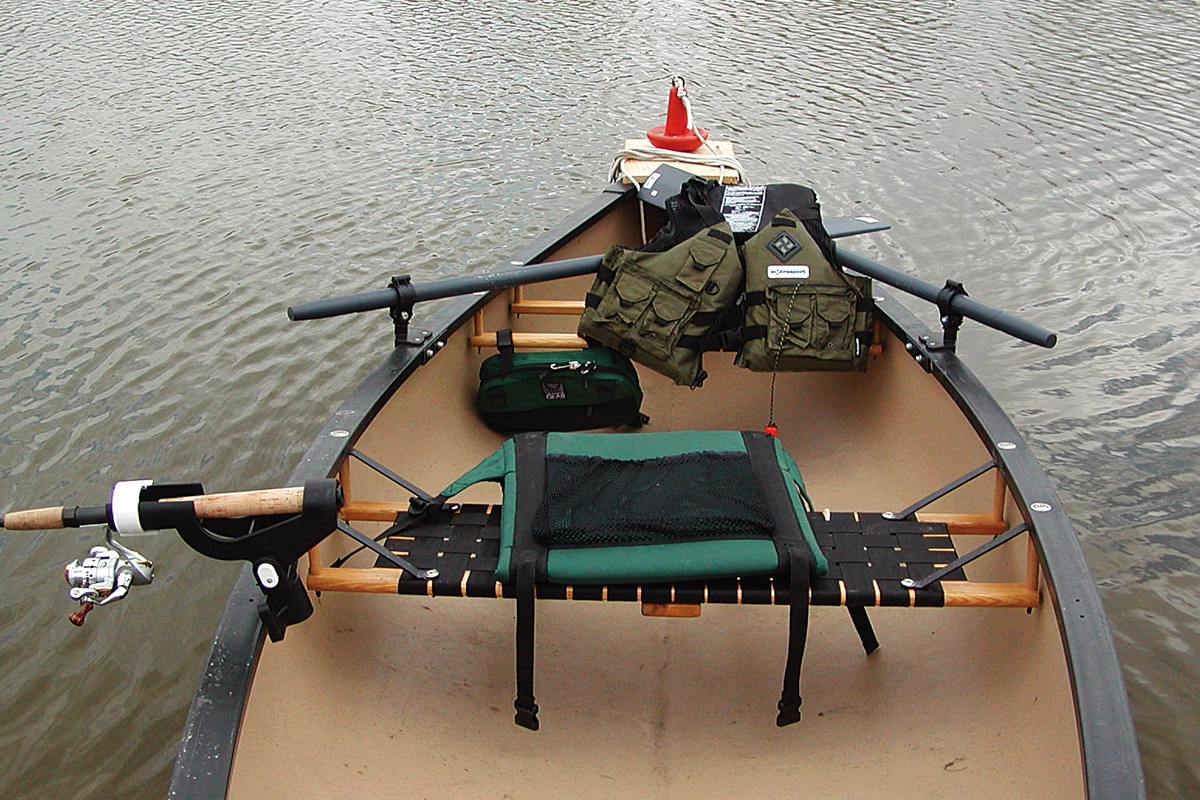
Canoes usually have bench seats or a flat bottom where you can kneel or sit. This lets you change positions during the day, which can reduce fatigue. They have lots of room to stretch your legs, move gear, and even bring a friend or dog.
Kayaks, especially sit-on-top models, often have padded, adjustable seats with back support. Some high-end fishing kayaks have raised seats, making it easier to see the water and cast. But you have less space to move your legs, and sitting in one position for hours can get uncomfortable.
Getting In And Out
Canoes are easy to enter and exit, even from a dock or shallow water. This is helpful for older anglers or people with limited mobility. Kayaks, especially sit-inside models, require you to slide your legs in, which can be tricky for some.
Weather Protection
Kayaks often keep you drier, especially sit-inside types. Canoes are more open, so you may get splashed or wet from rain.
Storage And Gear Capacity
The amount of fishing gear you carry can decide which boat fits you best.
Canoe Gear Storage
Canoes are the clear winner when it comes to space. Their open design lets you load coolers, tackle boxes, multiple fishing rods, and even camping gear. This makes them ideal for long trips or when you fish with family or friends.
Some canoes can hold over 700 pounds, so you rarely have to worry about leaving things behind. But, gear can move around if you’re not careful, and you need to secure everything to avoid losing items in case of a tip-over.
Kayak Gear Storage
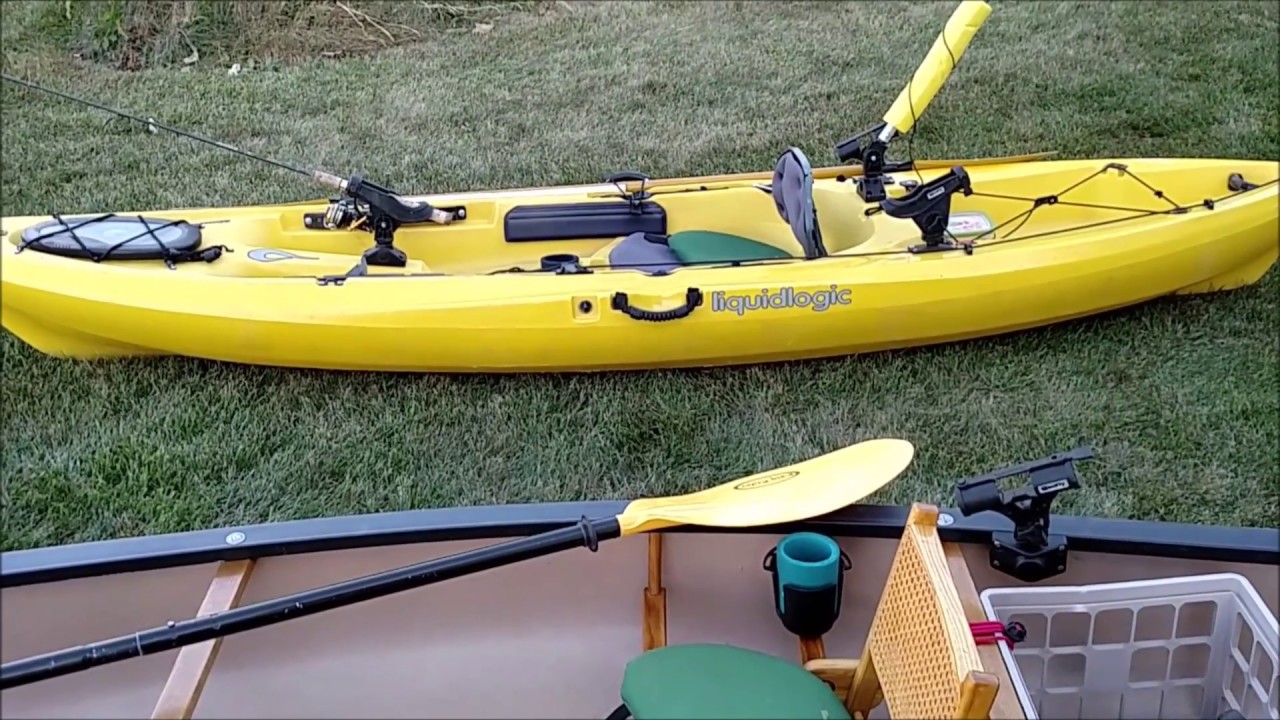
Fishing kayaks are built with anglers in mind. They have molded rod holders, gear tracks, tackle trays, and even dry hatches for valuables. However, total storage is limited by the boat’s size.
Sit-on-top kayaks often have a large rear tank well for crates or coolers. Sit-inside kayaks have less room for bulky items. You must plan your packing carefully and use the space efficiently.
Weight Limits
Check the weight capacity before buying. Most fishing kayaks can handle 250–500 pounds, while large canoes can carry more.
Portability And Transport
How you get your boat to the water is an important part of the fishing experience.
Canoe Portability
Canoes are longer and often heavier than kayaks. Solo canoes can be 12–15 feet, while tandem models reach 16–18 feet. Carrying a canoe by yourself can be hard, especially if your launch spot is far from the parking area.
However, many canoes have a yoke (center bar) for easy carrying on your shoulders. Some are made of lightweight materials, but most are still bulkier than kayaks.
Kayak Portability
Kayaks are shorter (10–14 feet for fishing models) and often lighter. Sit-on-top models are easy to drag on wheels or carry with one hand. Many are small enough to fit on a car roof rack or in the back of a truck.
Inflatable and foldable kayaks make transport even easier and fit in a car trunk. This gives kayaks an advantage for solo anglers or those with limited storage at home.
Paddling Performance
How a boat moves through the water affects your reach and energy use.
Canoe Paddling
Canoes are designed for smooth lakes and slow rivers. With two people paddling, you can cover long distances. However, paddling a canoe alone is harder, especially in wind or current, because you need to switch sides often or use special strokes.
Canoes can be slower to turn and respond, but they are steady and smooth.
Kayak Paddling
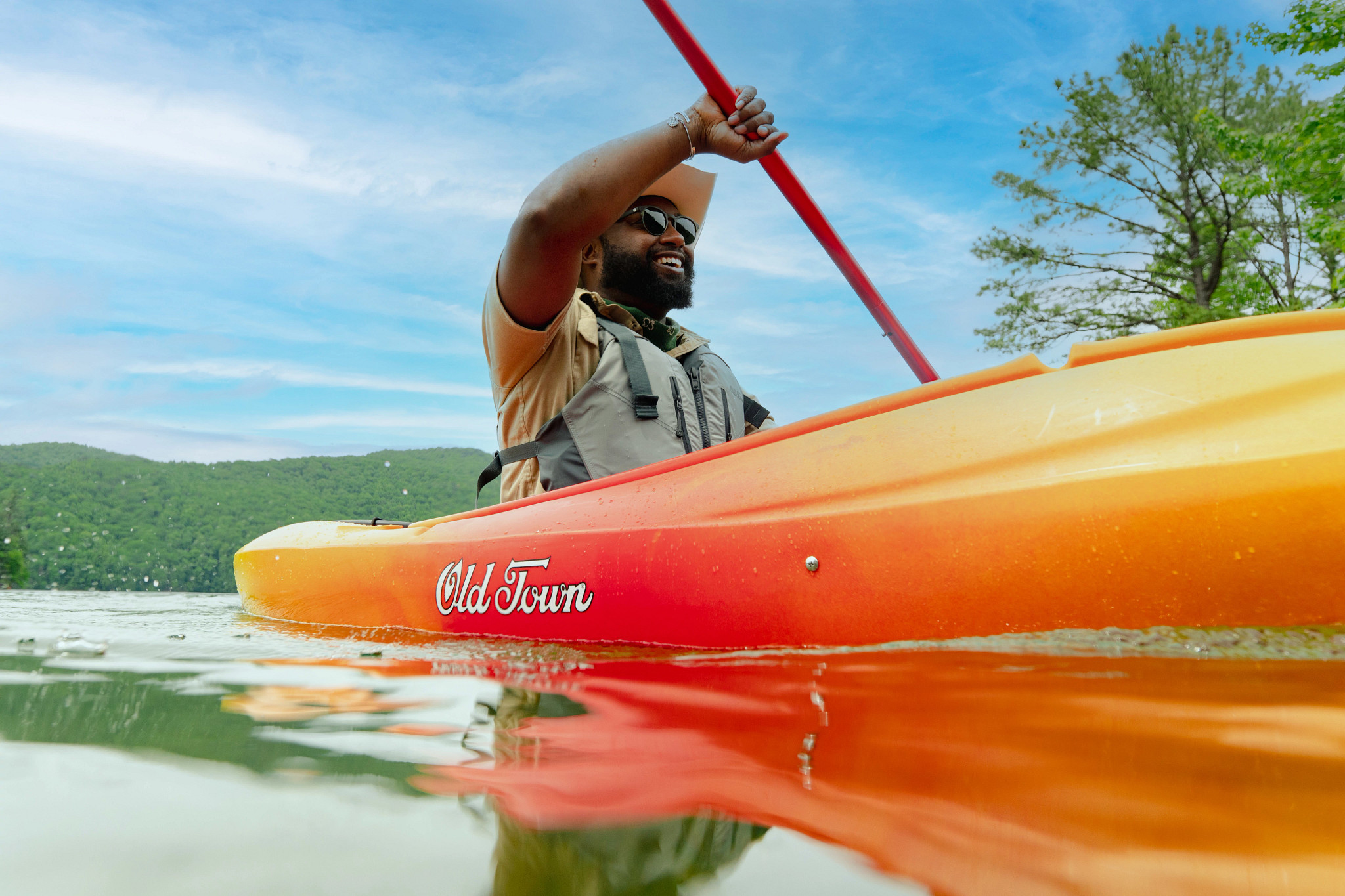
Kayaks are built for speed and control. The double-bladed paddle allows you to move straight and turn easily, even in tight spots. This is helpful when you want to reach a fishing hole quickly or follow moving fish.
Kayaks handle rough water better, so you can fish in bays, coastal areas, or larger lakes with more confidence.
Solo Vs. Group
Canoes are easier with two people. Kayaks are often single-person boats, but tandem models exist. Think about whether you usually fish solo or with a friend.
Credit: oldtownwatercraft.johnsonoutdoors.com
Fishing Style And Water Type
Different waters and fishing styles favor one type of boat over the other.
Canoe Fishing Advantages
- Calm lakes and slow rivers are perfect for canoes.
- Great for fly fishing or casting with lots of space.
- Easy to bring children, friends, or pets.
- Excellent for multi-day trips with lots of gear.
Kayak Fishing Advantages
- Better in wind, waves, and current.
- Perfect for solo anglers.
- Good for saltwater flats, coastal bays, or small streams.
- Easier to stand and sight-fish in some models.
Where Each Shines
Kayaks let you sneak into small, shallow spots where fish hide. Canoes are best for big lakes, carrying extra gear, or group trips.
Modifications And Accessories
Both canoes and kayaks can be customized for fishing, but the options differ.
Canoe Upgrades
You can add rod holders, anchor systems, or even small trolling motors to a canoe. Outriggers make them more stable for standing. Some anglers add padded seats or decking for comfort.
However, most upgrades are added after you buy the boat, which can mean extra time and money.
Kayak Upgrades
Fishing kayaks often come ready with gear tracks, paddle holders, and mounts for fish finders or cameras. Pedal-drive systems are available for hands-free movement, which helps when casting or fighting a fish.
Some kayaks have built-in livewells, lights, or power ports for electronics. The main limit is space, but you can find a kayak model with almost any feature you want.
Cost Of Upgrades
Kayak accessories can add up, but many are built-in. Canoe upgrades are often DIY, which can be fun for tinkerers.
Price And Value
The cost of getting on the water is a big factor for most anglers.
Canoe Pricing
Basic canoes start around $500–$800. High-quality fishing canoes with better seats, materials, or extra features cost $1,000–$2,500. Used canoes are often available for less.
Keep in mind: you may need to buy extra gear (paddles, seats, rod holders).
Kayak Pricing
Fishing kayaks start around $300 for basic models and go up to $4,000+ for pedal or motorized versions. Most good-quality sit-on-top fishing kayaks are $800–$1,600.
Kayaks usually come with more fishing features included, so the real cost difference may be less than you think.
Resale Value
High-end kayaks and canoes both hold value well if kept in good shape. Kayaks are in higher demand in many areas, which can make them easier to resell.
Maintenance And Durability
How much work does it take to keep your boat in top shape?
Canoe Maintenance
- Most canoes are made of aluminum, fiberglass, plastic, or wood.
- Aluminum and plastic need little care—just rinse after use.
- Wooden canoes look beautiful but need regular varnishing and careful storage.
Canoes are tough and can last decades with basic care.
Kayak Maintenance
- Most kayaks are made of rotomolded plastic, which is very durable.
- Rinse after saltwater use to avoid corrosion on metal parts.
- Check seals and hatches for leaks.
Kayaks are easy to store and need little maintenance beyond cleaning.
Sun And Storage
Both boat types can fade or weaken if left in the sun. Store your boat in a garage, shed, or under a cover to make it last longer.
Environmental Impact
Both canoes and kayaks are eco-friendly, but there are a few small differences.
Canoe Footprint
Canoes are often made of natural or recyclable materials (aluminum, wood), but larger size means more materials used.
Kayak Footprint
Most kayaks are made of plastic, which is durable but less friendly to the environment when thrown away. However, they last for years and do not pollute water.
Both types do not need gasoline, so they don’t cause fuel leaks or noise pollution.
Comparing Canoe And Kayak Fishing: Quick Reference
Sometimes, a side-by-side look makes things clearer. Here’s how the basics compare.
| Feature | Canoe | Kayak |
|---|---|---|
| Stability | Excellent on calm water, less in wind | Very good, better in rough water |
| Gear Capacity | High | Medium |
| Paddling | Best with 2 people | Easy solo |
| Portability | Bulkier | Lighter, easier to carry |
| Standing to Fish | Possible in many models | Possible in some, especially wide models |
| Price Range | $500–$2,500 | $300–$4,000+ |
Real-world Examples And Insights
Let’s look at some practical situations where the choice between canoe and kayak fishing becomes clear.
Scenario 1: Family Fishing Trip
You want to take your kids and dog for a day on a calm lake. You pack a cooler, a picnic, and some fishing rods. A canoe is perfect here. You have space for everyone, and it’s easy to get in and out, even with small children.
Scenario 2: Solo Angler On A River
You prefer fishing alone and want to chase smallmouth bass up a narrow river with some light rapids. A sit-on-top kayak is better. It’s easy to control, handles current well, and lets you drag over shallow spots.
Scenario 3: Camping And Fishing
You plan a weekend trip with camping gear, fishing rods, and food. You need to carry everything in one boat. The canoe wins for its huge storage space.
Scenario 4: Saltwater Flats
You want to fish for redfish or sea trout on coastal flats. The water can get windy and choppy. A fishing kayak, especially with a pedal drive, helps you move quietly, stay stable, and cover ground.
Pros And Cons: Canoe Fishing
Pros:
- High storage for gear and passengers
- Easier entry and exit
- Great for calm water and families
- Can stand up and move around
- Simple to paddle with two people
Cons:
- Harder to paddle solo
- Wind affects tracking and control
- More open to rain and splashes
- Can be heavy to carry alone
- Fewer built-in fishing features
Pros And Cons: Kayak Fishing
Pros:
- Stable in wind, waves, and current
- Easy to paddle solo
- More fishing-focused accessories
- Sit-on-top models are self-bailing
- Lighter and more portable
Cons:
- Less room for gear or passengers
- Can be cramped on long trips
- Harder to get in and out for some people
- Some models are hard to stand in
- Higher-end models can be expensive
Common Mistakes When Choosing
Many first-time buyers focus only on price or looks. Here are mistakes to avoid:
- Picking a boat that’s too small for your gear or group
- Forgetting about how you’ll transport and store the boat
- Not considering the main water types you’ll fish
- Overlooking comfort, especially for long trips
- Ignoring weight limits—overloading is dangerous
And one insight often missed: Try before you buy. Renting or borrowing a canoe or kayak first can save you from a costly mistake.
Credit: midwestoutdoors.com
Data: Fishing Popularity And Trends
- Kayak fishing has grown by over 30% in the past decade in the US.
- According to the Outdoor Foundation, over 4.3 million Americans went kayak fishing last year.
- Canoe fishing remains strong in Canada and northern states, especially for family and camping trips.
Summary Table: Which To Choose?
If you’re still unsure, here’s a simple guide based on your needs:
| Your Priority | Best Choice |
|---|---|
| Fishing alone | Kayak |
| Fishing with family | Canoe |
| Lots of gear/camping | Canoe |
| Small, shallow water | Kayak |
| Standing to fish | Wide canoe or sit-on-top kayak |
| Portability | Kayak |
| Customization | Kayak |
Final Thoughts
Both canoe and kayak fishing offer unique joys and challenges. Your perfect choice depends on your fishing style, local waters, and personal needs. If you love group trips, carry lots of gear, and enjoy calm lakes, a canoe is hard to beat. If you’re a solo angler, want to fish in wind or current, or need a boat that’s easy to transport and modify, a kayak is likely your best friend.
Before you buy, consider renting or borrowing both types. Talk to local anglers and visit a paddle sports shop. Your decision will shape your fishing adventures for years to come.
For more detailed comparisons and reviews, the Fishing Kayak Wikipedia page offers a good overview of kayak fishing’s growth and technology.
Frequently Asked Questions
What’s Safer For Fishing—canoe Or Kayak?
Both are safe with the right use, but kayaks, especially sit-on-top types, handle wind and waves better and are easier to re-enter if you fall out. Always wear a PFD and practice getting back in before heading out alone.
Can You Stand And Fish From Both Canoes And Kayaks?
Yes, but it depends on the model. Many canoes let you stand easily, and some fishing kayaks are wide and stable enough for standing. Always test stability before trying to stand, especially in deep water.
Which Is Better For Beginners—canoe Or Kayak?
For solo beginners, a fishing kayak is usually easier to control and less affected by wind. Canoes are great for groups or families. Try both before choosing.
Do I Need A Special Fishing License For Kayak Or Canoe Fishing?
No special license is needed just for the boat. You still need a regular fishing license for your state or country. If you add a motor, check local boating rules.
How Do I Transport A Canoe Or Kayak To The Water?
Most kayaks fit on a car roof rack or in a truck bed. Canoes can also be carried on roof racks but are bulkier. Kayak carts or wheels make moving them from car to water easier. Inflatable or folding kayaks are best for small cars or apartments.
Choosing between canoe vs kayak fishing is a fun part of your fishing journey. Make your choice based on where you fish, who you fish with, and what kind of adventures you want. With the right boat, every trip can become a story worth telling.
Credit: www.youtube.com