
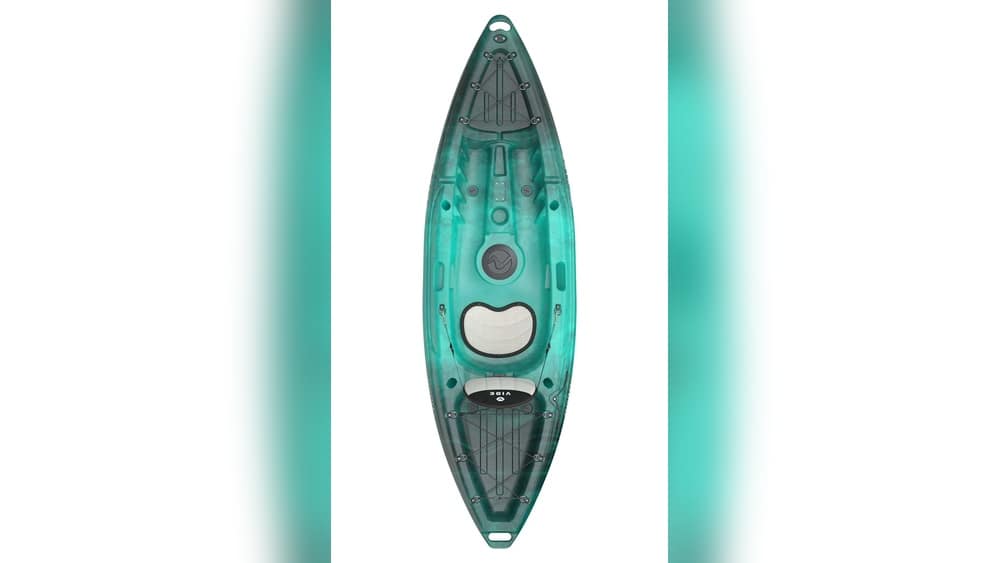
Comparing Vibe vs Perception Kayaks: Choosing the Right Kayak for You
Kayaking can be an amazing way to connect with nature, enjoy fitness, and even go fishing. But with so many brands and models, picking the right kayak can feel overwhelming. Two popular names you’ll often hear are Vibe Kayaks and Perception Kayaks. Both offer a range of models for different needs, but how do they really compare? Which brand suits your style and budget? And what hidden details should a beginner know before making a choice?
This guide will take you deep into the world of Vibe and Perception kayaks. We’ll cover their history, design differences, price ranges, performance, comfort, and customer support. You’ll also see direct comparisons between top models, and get expert tips that even seasoned paddlers sometimes overlook.
If you want a kayak that truly fits your goals, this article will help you make a confident decision.
Brand Backgrounds: Vibe And Perception
Before comparing kayaks, it’s helpful to know the stories behind these brands.
Vibe Kayaks is a relatively new company, founded in 2013 in Georgia, USA. Their mission is to make high-quality, feature-rich kayaks that are still affordable for everyday adventurers. Vibe quickly gained a following among fishing and recreational paddlers who wanted modern features without a huge price tag.
Perception Kayaks, on the other hand, has over 40 years of experience. Founded in South Carolina in 1977, Perception played a big role in making plastic kayaks popular. Their focus is on durability, versatility, and making kayaking accessible to everyone. Perception is now owned by Confluence Outdoor, which also owns other famous brands like Wilderness Systems and Dagger.
Both brands have strong reputations, but their histories shape their products in key ways. Vibe tends to push innovation and extra features, while Perception leans on experience and proven designs.
Kayak Types And Use Cases
Vibe and Perception both offer several kayak categories, but their main strengths are slightly different.
- Vibe: Best known for fishing kayaks and recreational sit-on-tops.
- Perception: Wider range, including recreational, touring, whitewater, and fishing kayaks.
Let’s break down the main types:
- Sit-On-Top Kayaks: Very popular for beginners and fishing. Both brands excel here, but Vibe’s lineup is almost entirely sit-on-top.
- Sit-In Kayaks: Perception leads here, with more options for touring and colder climates.
- Fishing Kayaks: Vibe’s specialty, but Perception offers some competitive models.
Most beginners and casual paddlers will look at sit-on-top kayaks, so this article focuses mainly on those. However, if you want a sit-in or specialized kayak, Perception gives you more choices.
Design And Build Quality
How Do The Materials And Construction Compare?
Vibe Kayaks use high-density polyethylene (HDPE), which is durable, UV-resistant, and impact-resistant. Vibe pays special attention to layout, making sure that rod holders, gear tracks, and storage are well-placed for fishing. Most Vibe kayaks are molded in a single piece, which adds strength and reduces leaks.
Perception Kayaks also use high-quality HDPE and rotational molding, a process they’ve refined over decades. Their kayaks are known for smooth finishes, clean lines, and careful seam work. Perception’s experience helps ensure that even basic models feel solid and reliable.
A non-obvious detail: Vibe often uses bold, modern colors and graphics, appealing to younger paddlers, while Perception sticks to classic, subtle tones. If style matters, this could influence your choice.
Comfort And Ergonomics
Comfort is not just about the seat. It’s about how the kayak fits your body and how easy it is to adjust things for long trips.
- Seats: Vibe uses framed, elevated seats with breathable mesh on most fishing models. These are more comfortable for hours of paddling or casting. Perception offers both molded seats and upgraded framed options on higher-end models.
- Footrests: Perception typically uses adjustable foot braces, which are easier for different paddler heights. Vibe often uses molded footrests, which are less flexible but simpler.
- Deck Layout: Vibe kayaks prioritize open decks for easy movement and gear access. Perception designs are usually a bit narrower, which can help with tracking but may feel tighter for larger paddlers.
One insight: While elevated seats are more comfortable for fishing, they can make the kayak less stable in rough water. Beginners often miss this tradeoff.
Performance: Stability, Speed, And Tracking
Performance is about how the kayak feels on the water. Here’s how Vibe and Perception compare:
- Stability: Vibe kayaks are known for wide, flat hulls, making them very stable—great for fishing or standing up. Perception kayaks are stable too, but their hulls are often narrower, trading a bit of stability for better speed.
- Speed: Perception’s narrower designs and longer touring models give them an edge in speed. Vibe kayaks are not slow, but they’re built more for stability and gear.
- Tracking: Both brands use skegs or rudder options in some models. Perception’s experience with touring kayaks means their models often track straighter, especially in wind or current.
A tip: Don’t just look at the specs. Try to test paddle if you can. The way a kayak “feels” often matters more than numbers.
Comparing Popular Models
It helps to see direct comparisons between best-selling kayaks from both brands. The following tables show key differences in features and specs.
Vibe Sea Ghost 130 Vs Perception Pescador Pro 12
These two kayaks are favorites for fishing and all-day paddling. Here’s how they stack up:
| Feature | Vibe Sea Ghost 130 | Perception Pescador Pro 12 |
|---|---|---|
| Length | 13′ (396 cm) | 12′ (366 cm) |
| Width | 33″ (84 cm) | 32.5″ (83 cm) |
| Weight | 75 lbs (34 kg) | 57 lbs (26 kg) |
| Capacity | 550 lbs (249 kg) | 375 lbs (170 kg) |
| Seat Type | Framed, elevated | Framed, adjustable |
| Gear Tracks | Yes (4) | Yes (2) |
| Rudder | Included | Not included |
| Price Range (USD) | $1,299–$1,399 | $1,049–$1,199 |
Key differences: The Sea Ghost 130 is longer, heavier, and can carry more gear. It comes with a rudder and more gear tracks, making it better for advanced anglers. The Pescador Pro 12 is lighter and easier to transport, with a lower price.
Vibe Yellowfin 100 Vs Perception Outlaw 11.5
Both these kayaks are great choices for beginners and casual paddlers who want a mix of fishing and recreation.
| Feature | Vibe Yellowfin 100 | Perception Outlaw 11.5 |
|---|---|---|
| Length | 10′ (305 cm) | 11’6″ (351 cm) |
| Width | 32″ (81 cm) | 35″ (89 cm) |
| Weight | 57 lbs (26 kg) | 77 lbs (35 kg) |
| Capacity | 375 lbs (170 kg) | 425 lbs (193 kg) |
| Seat Type | Framed, mesh | Framed, elevated |
| Standing Deck | No | Yes (large) |
| Price Range (USD) | $649–$799 | $899–$1,049 |
Key differences: The Outlaw 11.5 is bigger, has a larger standing deck, and is more stable for standing. The Yellowfin 100 is lighter and easier to carry or store, ideal for smaller paddlers or tight spaces.
Recreational Kayaks: Perception Swifty Vs Vibe Skipjack
If you’re just starting out, these are two of the easiest kayaks to handle.
| Feature | Perception Swifty 9.5 | Vibe Skipjack 90 |
|---|---|---|
| Length | 9’6″ (290 cm) | 9′ (274 cm) |
| Width | 28.5″ (72 cm) | 32″ (81 cm) |
| Weight | 44 lbs (20 kg) | 46 lbs (21 kg) |
| Capacity | 325 lbs (147 kg) | 300 lbs (136 kg) |
| Seat Type | Molded with padded backrest | Molded with cushion |
| Rod Holders | No | Yes (2) |
| Price Range (USD) | $469–$599 | $499–$599 |
Key differences: The Swifty is a classic sit-in kayak, better for lakes and calm rivers. The Skipjack is a sit-on-top, more stable, and has rod holders for light fishing.
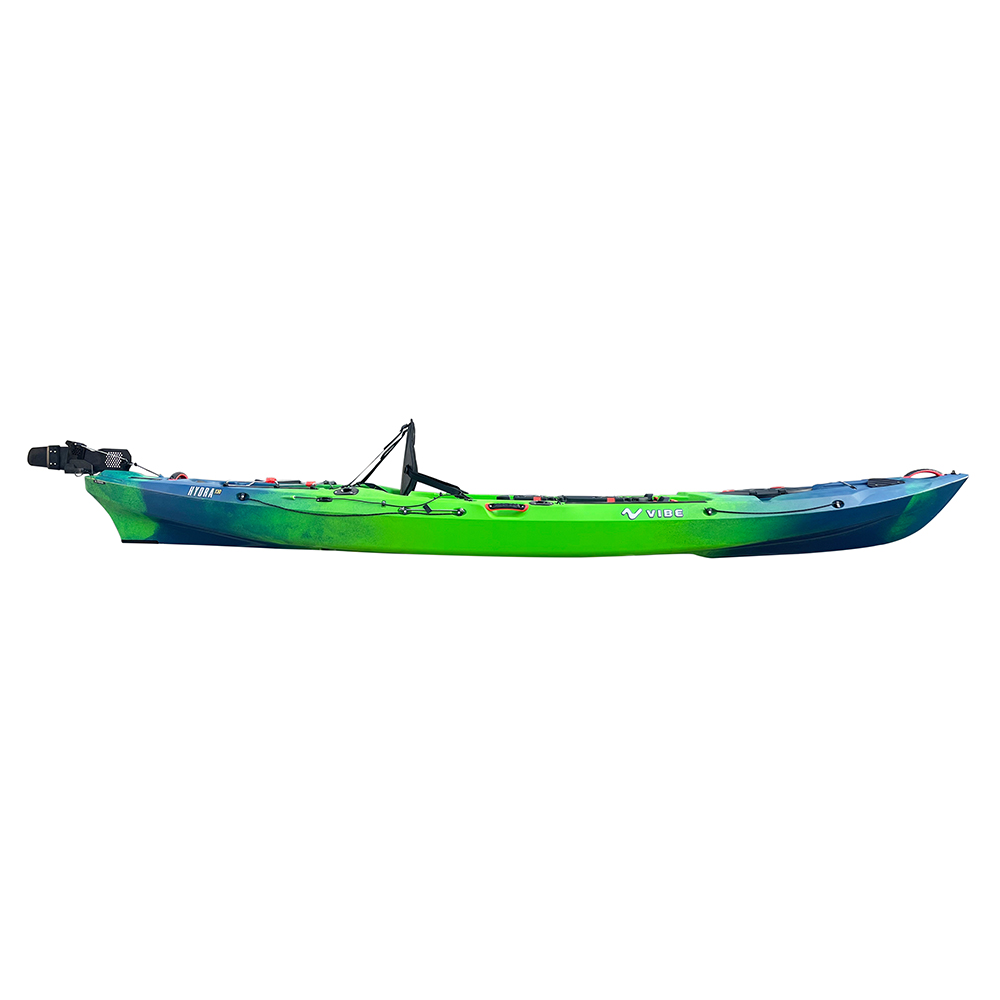
Credit: www.paddlerguide.com
Price And Value
Both Vibe and Perception offer kayaks from entry-level to advanced, but their pricing strategies differ.
- Vibe packs more features into lower-priced models, like gear tracks, rudder-ready designs, and advanced seats. This makes their kayaks feel “premium” even in mid-range prices.
- Perception often costs slightly less at the entry level but charges more for upgrades like framed seats or extra gear tracks.
A real-world example: For $900, you might get a Vibe kayak with four gear tracks, a framed seat, and paddle holders. A Perception kayak at the same price might have fewer accessories but a lighter, faster hull.
Hidden insight: Sometimes, a cheaper kayak with fewer features is better for beginners. Too many gadgets can distract you from learning the basics.
Durability And Warranty
Both brands use strong, UV-stabilized plastic, but there are some differences in warranty and support:
- Vibe offers a limited lifetime warranty on hulls and 1-year coverage on parts.
- Perception gives a 5-year warranty for hulls and 1 year for parts.
Both are considered reliable, but Perception’s longer history means more repair shops and spare parts are available in most areas. If you plan to keep your kayak for many years, this could be important.
Accessories And Customization
One area where Vibe stands out is modularity. Most Vibe kayaks come ready for accessories: gear tracks, fish finder mounts, paddle parks, and even power pole mounts. This is great for anglers who want to customize their setup.
Perception also offers accessory rails and mounts, but not as many models are “rigging-ready” out of the box. However, Perception’s parts and accessories are easy to find, and their kayaks are often compatible with third-party products.
Pro tip: Check the exact model year. Sometimes, a 2022 Vibe kayak has more accessory options than a 2020 Perception, or vice versa.
Transport And Storage
How easy is it to move and store your kayak? Here’s what to know:
- Weight: Perception kayaks are often lighter for the same length, making them easier to car-top or load solo.
- Handles: Both brands use strong carry handles, but Vibe often adds extra grab points for team lifts.
- Stacking: Vibe sit-on-tops are easier to stack for storage, which helps if you own more than one kayak.
If you have a small car or limited space, Perception’s lighter models may be better. But if you store your kayak outside, Vibe’s thick hulls resist dents and UV damage.
Customer Support And Community
Both companies have active online communities and responsive customer service, but the experience can differ:
- Vibe has a loyal fan base, especially on social media, where owners share modifications and fishing tips. Their support team is known for quick replies and practical help.
- Perception benefits from a larger network of dealers and service centers. This makes it easier to find parts or get repairs, especially outside the USA.
Non-obvious advice: If you travel or relocate often, choose the brand that is better supported in your destination area.
Who Should Choose Vibe?
Vibe is ideal if you want:
- A kayak that’s ready for fishing right away
- Lots of accessory mounts and customization
- Modern looks and bold colors
- Comfortable, elevated seating for long trips
- Good value for features, especially in the $600–$1,200 range
Vibe kayaks are especially popular among anglers who want to stand up while fishing or who need to carry a lot of gear. They’re also great for paddlers who like to tinker and add accessories.
Who Should Choose Perception?
Perception is the better pick if you want:
- Lightweight kayaks that are easy to transport
- Classic, proven hull designs
- Options for sit-in and touring kayaks
- Great tracking and speed for longer paddles
- Reliable warranty and dealer network
Perception kayaks work well for families, beginners, and those who want a stable but fast kayak for lakes and rivers. They’re also a safe choice if you want a kayak that will last for many years with minimal fuss.
Real-world Feedback
What do owners say? Here’s a snapshot from kayak forums and review sites:
- Vibe owners praise the comfort, storage, and fishing features. Some mention the kayaks are heavy, especially larger models.
- Perception owners love the balance between stability and speed. They also mention the quality of materials, but sometimes wish for more built-in accessories.
One mistake beginners make: Picking a kayak with too many features or too much capacity. Bigger isn’t always better—choose the size and weight that fits your body and local waters.

Credit: www.pedals-paddles.com
Environmental And Safety Considerations
Both brands use rotomolded polyethylene, which is recyclable, but not always recycled in practice. Perception has made efforts to use more efficient processes and reduce waste. Vibe focuses on durability, so their kayaks last longer and need fewer replacements.
For safety, both brands include basic flotation and recommend wearing life jackets. Perception’s sit-in models offer more protection in cold water, while Vibe’s sit-on-tops are better for warm climates and easy re-entry.
Expert Tips For Choosing
- Test paddle if possible. A kayak can look perfect on paper but feel wrong on the water.
- Consider future needs. If you plan to fish later, get a model with gear tracks now.
- Check local dealers. Support and repairs are easier if there’s a shop nearby.
- Think about transport. Can you lift the kayak alone? Will it fit your car?
- Start simple. For your first kayak, less is often more. Upgrade as you gain experience.
Frequently Asked Questions
What Is The Main Difference Between Vibe And Perception Kayaks?
The main difference is focus and design. Vibe is known for fishing kayaks with lots of features and customization, while Perception offers a wider range, including touring and recreational kayaks. Vibe packs in more accessories, but Perception’s designs are lighter and often faster.
Are Vibe Kayaks Good For Beginners?
Yes, especially their entry-level sit-on-top models like the Skipjack. They are stable and easy to use. However, some Vibe kayaks are heavy and have advanced features that might be overwhelming for a complete beginner.
Which Kayak Brand Is More Durable?
Both brands use high-quality polyethylene and are built to last. Perception’s longer history means their kayaks have stood the test of time, but Vibe’s one-piece rotomolded hulls are also very tough.
Can I Use A Vibe Or Perception Kayak For Ocean Paddling?
Some models from both brands are suitable for calm ocean waters or bays, especially longer kayaks with good tracking. For rough seas or long offshore trips, look for a kayak with a rudder and higher weight capacity, like the Vibe Sea Ghost 130 or Perception Pescador Pro 12.
Where Can I Find More Information About Kayak Safety And Buying Guides?
A great resource is the REI Kayak Guide, which covers types, safety tips, and how to choose the right kayak for your needs.
Choosing between Vibe and Perception kayaks comes down to your personal priorities—whether it’s fishing features, speed, comfort, or budget. Both brands offer excellent value, but the best kayak is the one that matches your goals and feels right on the water.
With the information here, you’re ready to make an informed choice and enjoy many happy hours paddling.
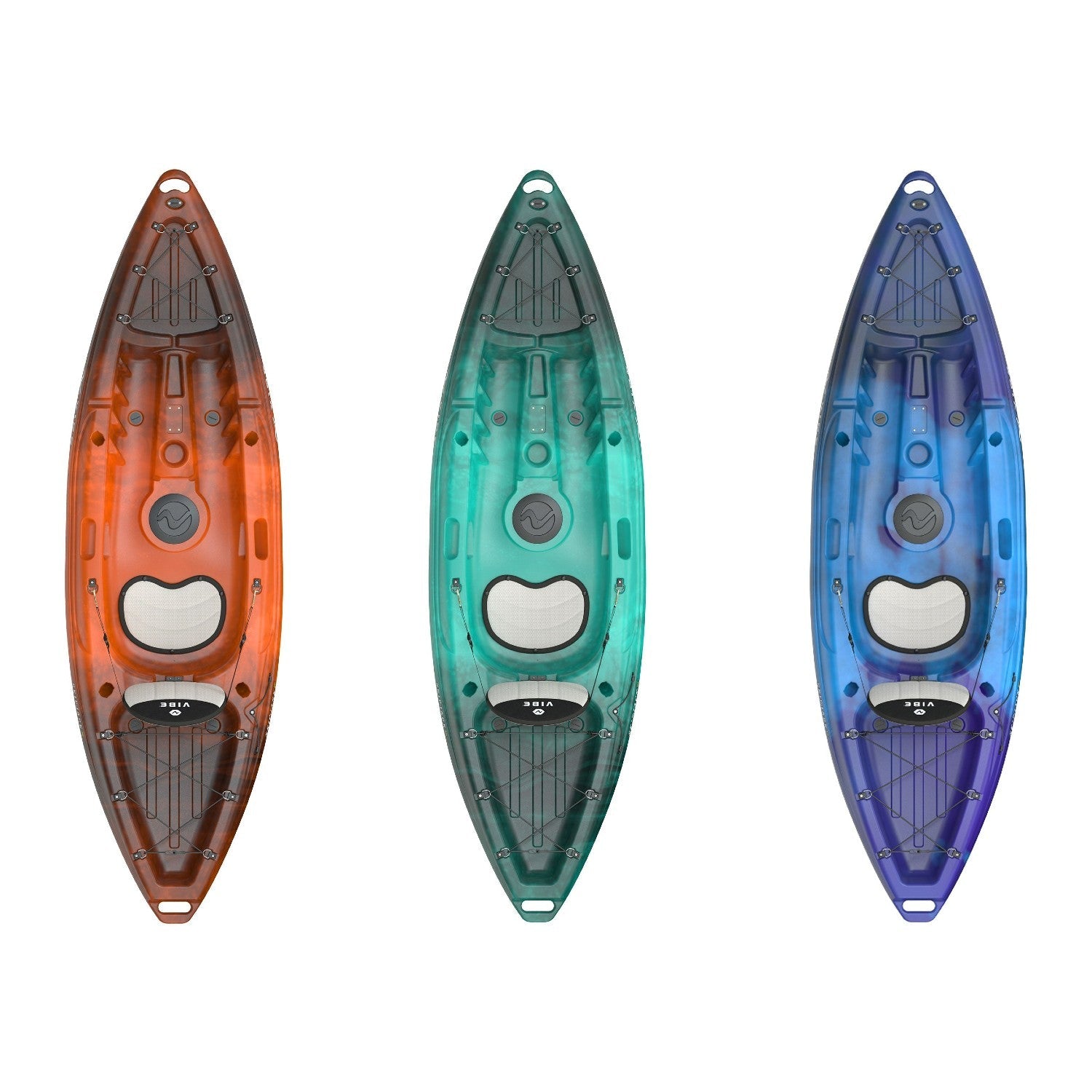
Credit: vibekayaks.com