
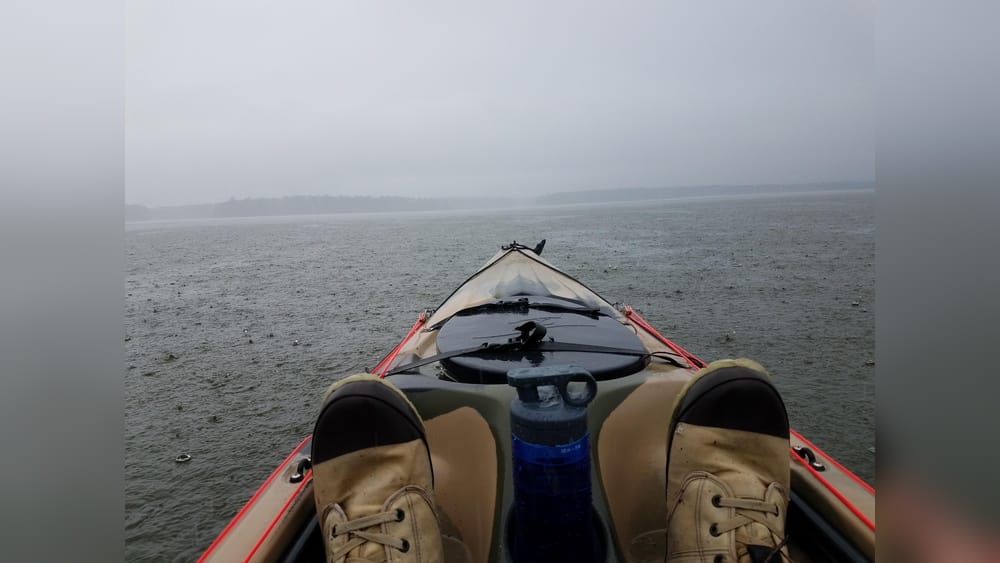
Kayaking is a sport that many people love because it brings them close to nature, gives them exercise, and lets them enjoy peaceful water. But what happens when the weather changes? Many ask: Can you kayak in the rain? This question matters for both beginners and experienced paddlers. Rain can change your adventure, but does it always mean you should stay home? Let’s look at what you need to know about kayaking when the sky is gray and drops start to fall.
Is It Safe To Kayak In The Rain?
When you see rain in the forecast, you might wonder if kayaking is still safe. The answer depends on several things—how heavy the rain is, your skills, the water conditions, and your gear.
Light rain often does not make kayaking dangerous. In fact, many experienced kayakers enjoy the quiet and beauty that rain brings to the water. The sound of rain can make the world feel calm, and the water is often less crowded.
However, heavy rain and storms can make kayaking risky. Rain can lower visibility, change currents, and sometimes bring strong winds. Flash floods are possible if you are kayaking in rivers. So, always check the weather and water conditions before you go out.
Key tip: If you hear thunder or see lightning, get off the water right away. Water conducts electricity, and lightning is a serious danger.
Benefits Of Kayaking In The Rain
Kayaking in the rain is not just possible—it can be a unique and rewarding experience. Here are some reasons why people love it:
- Less crowd: Many people stay home when it rains, so you get the water almost to yourself.
- Peaceful surroundings: The sound of rain on water is relaxing and can help you feel more connected to nature.
- Wildlife: Animals may come closer to the water’s edge during rain, giving you a better chance to see them.
- Cooler temperatures: Rain can make a hot day comfortable, reducing the risk of overheating.
- Different scenery: Rain changes the look of the landscape, and fog or mist can create beautiful scenes.
These benefits help explain why some kayakers seek out rainy days. But, the right gear and good preparation are necessary to enjoy these moments safely.
Risks And Challenges Of Kayaking In The Rain
While rain brings beauty, it also adds new risks. Understanding these will help you decide if you should go out and how to prepare.
Reduced Visibility
Rain can make it hard to see where you are going. Heavy rain makes it even more difficult. You may not see other kayakers, boats, or obstacles in the water as easily.
Colder Conditions
Rain can cool your body quickly, especially if you are already wet. Hypothermia is a real risk, even on mild days if the water is cold.
Slippery Surfaces
Wet gear and kayak surfaces get slippery. This can make getting in and out of your kayak tricky.
Changing Water Levels
In rivers, rain can make water rise fast and change the current. This may lead to stronger, faster water that is hard to control.
Stronger Winds
Rain is often joined by wind, which can push your kayak off course or make paddling harder.
Flash Floods
In some places, heavy rain can cause flash floods. This is especially dangerous in narrow rivers and canyons.
Non-obvious insight: Most people forget that rain can hide floating debris. Branches, trash, and other objects can be hard to spot and may damage your kayak or cause an accident.
How To Prepare For Kayaking In The Rain
If you decide to kayak in the rain, preparation is your best friend. Here’s how to get ready:
1. Check The Weather And Water Reports
Always look at the weather forecast before you go. Pay attention to wind speed, rain amount, and any warnings. River and lake conditions can change quickly after rain.
2. Wear The Right Clothing
Staying warm and dry is key. Choose these items:
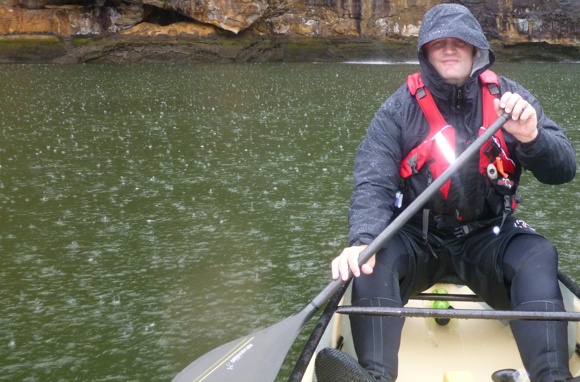
- Waterproof jacket and pants: Keeps rain off your body.
- Synthetic layers: Avoid cotton. Synthetic fabrics dry fast and keep you warm even if wet.
- Hat with a brim: Keeps rain out of your eyes.
- Neoprene gloves and booties: Keep your hands and feet warm.
3. Use Proper Gear
Your kayak and equipment should be ready for wet conditions.
- Spray skirt: Keeps water out of your kayak.
- Dry bags: Protect your phone, snacks, and spare clothes.
- Personal flotation device (PFD): Never kayak without a PFD, especially in challenging conditions.
4. Plan Your Route
Choose water that matches your skill level. Lakes and slow rivers are safer than fast-moving water after rain. Tell someone your plan and when you will return.
5. Know When To Cancel
If the forecast warns of thunderstorms, flooding, or high winds, stay home. Your safety is more important than any adventure.
Credit: fatpaddler.com
Essential Gear For Rainy Kayaking
Here is a comparison of common gear for kayaking in the rain:
| Gear | Purpose | Recommended For |
|---|---|---|
| Spray Skirt | Keeps water out of kayak cockpit | All kayakers |
| Dry Suit | Complete waterproof protection | Cold weather and long trips |
| Rain Jacket/Pants | Protects from rain and wind | Casual kayakers, short trips |
| Dry Bags | Keeps valuables and clothes dry | Everyone |
| Neoprene Gloves/Booties | Warmth and grip | Cold, wet conditions |
Pro tip: Bring a small towel in a dry bag. Wipe your hands before eating or using your phone to avoid getting everything wet.
Tips For Kayaking In The Rain
- Double-check your gear: Rain can show leaks or problems you might not notice on dry days.
- Keep your paddle leash attached: If you drop your paddle, finding it in the rain is much harder.
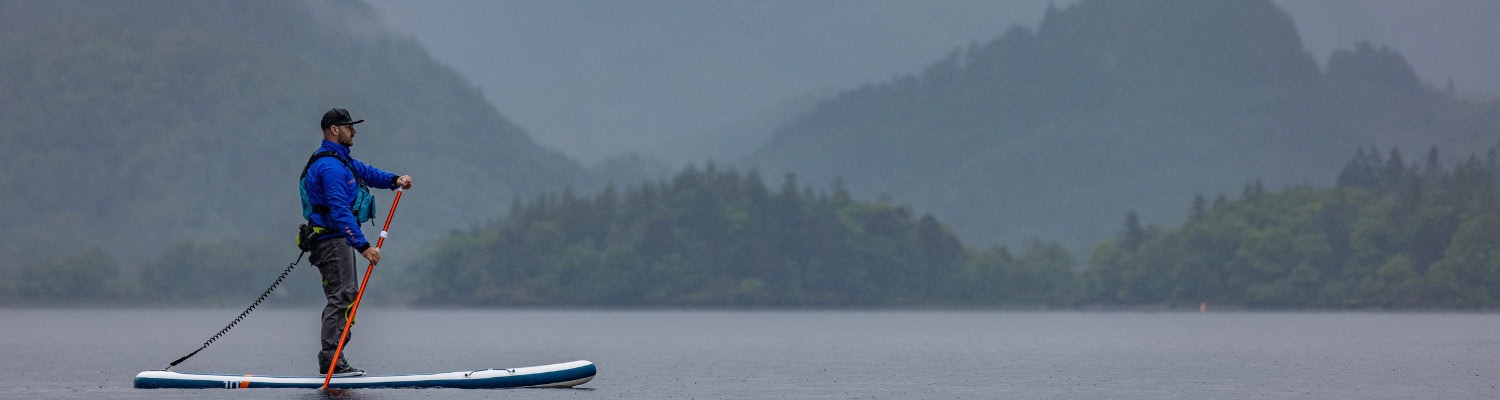
- Stay close to shore: If conditions get worse, you can get off the water quickly.
- Use bright colors: Wear or carry bright gear so others can see you.
- Watch for rising water: Check the shoreline or riverbanks for signs of fast-rising water.
- Take breaks: Rain can make paddling harder. Rest often to avoid getting tired.
- Be ready to change plans: If you notice thunder, lightning, or a sudden drop in temperature, get off the water right away.
Non-obvious insight: Many beginners forget to check their kayak’s drain plug before launching. Always make sure it is tightly closed—rain can fill your kayak faster than you expect.
Where Is It Best (or Worst) To Kayak In The Rain?
Not all places are safe for kayaking in the rain. Here’s a quick look at good and risky spots:
| Type of Water | Good in Rain? | Why |
|---|---|---|
| Lakes | Often safe | Less current, easy to exit if needed |
| Slow Rivers | Sometimes safe | Watch for rising water and debris |
| Fast Rivers | Risky | Rain can create dangerous currents |
| Coastal Areas | Depends | Wind and tides can be unpredictable |
| Urban Canals | Risky | Storm drains may overflow, dirty water |
Practical advice: Choose wider, open lakes or ponds if you want to try kayaking in the rain for the first time. Avoid steep rivers or places with lots of rocks.
Common Mistakes People Make
Even experienced kayakers make mistakes when it rains. Here are some to avoid:
- Ignoring the weather: Rain alone is not the problem, but storms, wind, and cold are.
- Wearing cotton: Cotton keeps water and makes you cold. Always wear synthetic or wool layers.
- Not checking for lightning: Lightning can strike even if it is not raining over you.
- Leaving gear loose: Rain and wind can blow away paddles, hats, or bags if not secured.
- Not telling someone your plan: Always let a friend or family member know where you are going.
Credit: gopaddling.info
How Rain Affects Water Conditions
Rain does more than just make you wet. It can change the water in ways you might not expect.
- Water temperature: Rain can cool the water quickly, especially after hot days. This may affect your comfort and safety.
- Visibility: Rain can make the water cloudy. It’s harder to see rocks or logs just below the surface.
- Currents: In rivers, rain can make currents stronger or create new hazards.
- Water quality: In cities, rain can wash oil, trash, and bacteria into rivers and lakes. Avoid kayaking in heavy rain near urban areas.
Example: After a strong rain, the water in a small river near a city may look normal. But it can be full of bacteria from sewer overflow. Wait a day or two before kayaking again.
Kayaking In The Rain: Legal Rules And Local Advice
Some parks and waterways have rules about kayaking in bad weather. Always check for posted signs or local advice. In some places, authorities may close access during floods or storms.
If you rent a kayak, the company may not allow you to paddle in the rain. Respect their decision—they know the local risks.
For official safety information, you can visit sites like the American Whitewater.
Kayaking With Kids Or Beginners In The Rain
If you want to kayak in the rain with children or people who are new to paddling, be extra careful.
- Choose easy, safe water.
- Stay close to shore.
- Bring extra dry clothes.
- Watch for signs of cold or tiredness.
- Keep trips short.
Rain can make a trip exciting, but beginners need more support and attention.
Frequently Asked Questions
Can You Kayak In The Rain Safely?
Yes, you can kayak in light or moderate rain if you have the right gear, skills, and check the weather. Avoid kayaking in thunderstorms, high winds, or when there is a flood risk.
What Should I Wear When Kayaking In The Rain?
Wear a waterproof jacket and pants, synthetic base layers, a hat, and a personal flotation device. Avoid cotton. Use gloves and booties for extra warmth if it’s cold.
Is It Dangerous To Kayak During A Thunderstorm?
Yes, it is very dangerous. Water attracts lightning. If you hear thunder or see lightning, get off the water immediately and seek shelter.
How Does Rain Affect River Kayaking?
Rain can quickly raise river levels, create stronger currents, and bring in more debris. It can also cause flash floods, especially in narrow rivers or canyons.
Can I Kayak After Heavy Rain?
It depends on the location. Wait until water levels drop and currents slow down. Check for water quality alerts, especially in urban areas, as rain can wash pollution into rivers and lakes.
Kayaking in the rain can be a special adventure if you respect the risks and prepare well. With the right knowledge and attitude, you do not have to let a few drops stop you from enjoying the water. Always put safety first, and you can discover a new side of nature that many never see.

Credit: www.amazon.com