
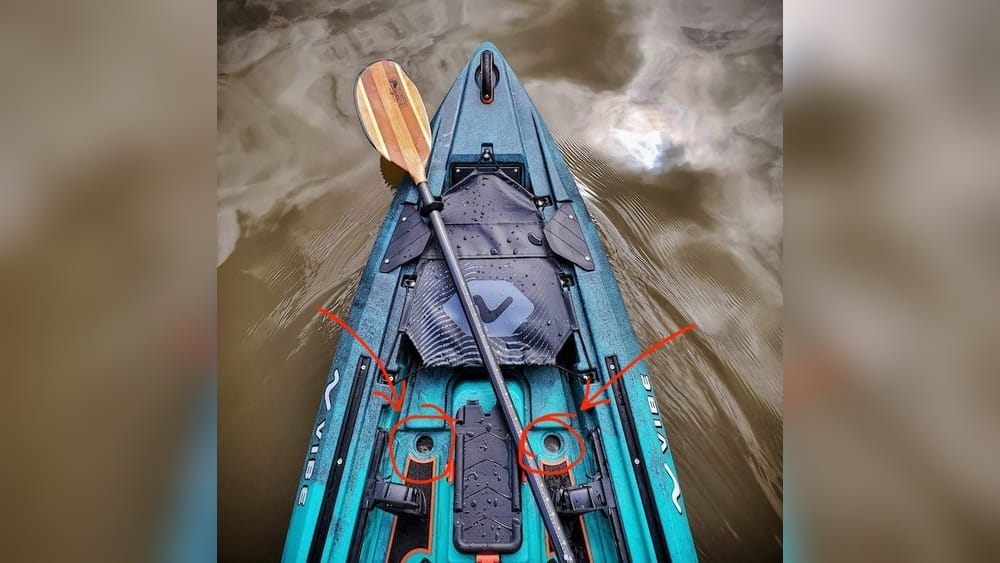
Kayaking is a sport that brings people close to nature, whether on calm lakes, winding rivers, or challenging sea waves. If you’re new to kayaking, you might notice small holes in the bottom or sides of some kayaks. These holes are called scuppers. While they look simple, scuppers play a big role in how your kayak handles water and keeps you dry. Understanding scuppers can help you paddle more safely and comfortably, especially if you’re thinking of buying your own kayak or improving your paddling skills.
What Is A Scupper On A Kayak?
A scupper is a special drain hole found in many sit-on-top kayaks. Its main job is to let water that enters the kayak drain out easily, so you don’t end up sitting in a pool of water. When a wave splashes over the side, or when water drips from your paddle, it’s normal for some water to get into your kayak. Scuppers allow this water to flow out naturally, thanks to gravity and the kayak’s design.
Not all kayaks have scuppers. Most sit-inside kayaks, for example, do not use scuppers; they rely on other ways to remove water. The use of scuppers is one of the key differences between sit-on-top and sit-in kayaks.
A beginner might think scuppers would let water into the kayak, but actually, they are designed to let water out, not in. There’s a simple principle: as long as your kayak is loaded correctly and sits high on the water, scuppers drain water away from where you sit.
Why Are Scuppers Important?
Scuppers are more than just holes—they are a safety feature. Here’s why:
- Self-Bailing: Scuppers allow water to escape without needing a pump or sponge. This is called “self-bailing.”
- Keeps You Drier: Water drains away from the seat and foot area, so you sit in less water.
- Improves Safety: In rough water, scuppers help prevent your kayak from becoming too heavy or unstable from trapped water.
- Easier Maintenance: After paddling, you can rinse your kayak and let water drain out through the scuppers.
It’s a common mistake to think that plugging scuppers is always best for staying dry. In reality, closing scuppers can sometimes trap more water inside, especially if you’re paddling in waves or rain.
Where Are Scuppers Found?
Scuppers are usually found in sit-on-top kayaks. You’ll see them in different spots:
- Cockpit Area: Where you sit, to drain water from the seating area.
- Footwells: Where your feet rest, to keep your feet dry.
- Tank Wells/Cargo Area: In the rear storage area, to drain water that splashes in.
The number and position of scuppers can change depending on the kayak’s size, style, and purpose.
How Do Scuppers Work?
A scupper is basically a tube that runs from the top of the kayak to the bottom. When water gets inside, gravity pulls it down and out through the scupper hole. The kayak’s design makes sure that, as long as you are not overloaded, the water line stays below the bottom of the scupper, so water drains out instead of coming in.
Many scuppers are open by default, but you can use scupper plugs to close them if you want to keep water out in certain conditions. These plugs are easy to remove or insert, so you can adjust them during your trip.

Credit: www.kayakscupperplugs.com
Types Of Scuppers
Not all scuppers are the same. Here are the main types you’ll find:
Fixed Scuppers
Most common in recreational kayaks. They are always open and let water drain freely.
Scupper Valves
Some high-end or fishing kayaks use special valves that let water flow out but not back in. These are a bit like one-way doors and are useful in rough or wet conditions.
Removable Scupper Plugs
These are simple rubber or plastic stoppers that fit into the scupper holes. You can use them to block water on calm days or remove them when you want the kayak to self-bail.
Scuppers In Different Kayak Designs
The presence and design of scuppers depend on the type of kayak. Here’s a quick comparison:
| Kayak Type | Scuppers Present? | Purpose |
|---|---|---|
| Sit-on-Top | Yes | Self-draining; keeps seating area dry |
| Sit-Inside | No | Relies on spray skirts, bilge pumps |
| Fishing Kayak | Yes (often with valves) | Handles splash and gear weight |
| Inflatable Kayak | Rarely | May have different drain systems |
Scupper Plugs: When And Why To Use Them
Scupper plugs are small accessories that fit into scupper holes. They stop water from coming up through the scupper, making your ride a bit drier. Here’s when you might want to use them:
- Cold Water Conditions: To keep your seat and feet dry from chilly water.
- Calm Weather: When there’s little splash, so you don’t need constant drainage.
- Light Loads: If you’re not carrying much weight, the kayak sits higher, so plugging the scuppers won’t cause problems.
However, leaving scuppers plugged in rough water or rain can be a mistake. Water can pool in your kayak, making it heavy and less stable.
Many paddlers carry scupper plugs and insert or remove them as needed during their trip. This flexibility gives you control over comfort and safety.
Common Problems And Solutions
Even simple features like scuppers can have issues. Here are a few common problems and practical advice:
Water Coming Up Through The Scupper
If your kayak is overloaded or sits low in the water, waves may push water up through the scuppers. Try these solutions:
- Remove some gear or distribute weight more evenly.
- Use scupper plugs in rough conditions, but monitor water inside the kayak.
Leaking Scupper Holes
Damage to the kayak hull near the scupper can cause leaks. This often happens if the kayak is dragged over rocks or rough surfaces.
- Inspect scuppers regularly for cracks or splits.
- Store your kayak off the ground or on padded racks.
Scupper Plugs Stuck Or Lost
Plugs can get stuck due to dirt, salt, or sand. Or, they can float away if not secured.
- Rinse plugs with fresh water after each trip.
- Buy brightly colored or floating plugs to make them easier to find.
How Many Scuppers Does A Kayak Need?
The number of scuppers depends on kayak size and design. Small kayaks may have 2-4 scuppers, while large fishing models can have 6-8. More scuppers usually mean faster drainage, but also more points where water can enter if plugs are not used.
Here’s a practical example:
| Kayak Length | Typical Number of Scuppers |
|---|---|
| Under 10 feet | 2-4 |
| 10-13 feet | 4-6 |
| 13+ feet (fishing/sea kayak) | 6-8 |
Scuppers And Kayak Stability
Some beginners worry that scuppers make a kayak less stable or weaker. In reality, well-made scuppers are reinforced and part of the kayak’s structure. They do not weaken the hull if used as intended. In fact, self-draining through scuppers can improve stability in rough conditions, because the kayak sheds water quickly.
One insight many paddlers miss: Do not use scupper holes as handles to lift or carry your kayak. This can damage the hull over time, especially if the kayak is heavy.
Cleaning And Maintaining Scuppers
To keep scuppers working well:
- Rinse after use: Salt and sand can clog scupper holes.
- Check for cracks: Inspect regularly, especially if you drag the kayak.
- Store properly: Avoid resting the kayak on scupper holes.
If a scupper gets clogged, a thin stick or a jet of water from a hose usually clears it. For stubborn blockages, pipe cleaners or flexible brushes help.
When Not To Use Scuppers
There are a few situations where you should avoid open scuppers:
- Extremely cold water: Open scuppers can make your seat wet and cold.
- Shallow, muddy rivers: Scuppers can suck in mud and debris, clogging them.
- Flatwater paddling: On calm lakes, you may not need open drainage, so plugs can make the ride more comfortable.
Always check conditions before you paddle. Experienced kayakers often adjust their scupper plugs during the trip, depending on changing weather or water.
Scuppers Vs. Other Drainage Systems
It’s helpful to compare scuppers with other drainage options. Sit-inside kayaks use different methods:
| Drainage Method | Kayak Type | How It Works |
|---|---|---|
| Scuppers | Sit-on-Top | Drains water through holes in floor |
| Bilge Pump | Sit-Inside | Manual pump removes water from cockpit |
| Sponge | Sit-Inside | Soaks up small amounts of water |
| Drain Plug | Both Types | Empties water after trip, not during |
Each system has strengths and weaknesses. Scuppers are simple and automatic, but not always best for every condition.
Tips For Choosing A Kayak With Scuppers
If you’re buying a sit-on-top kayak, pay attention to scupper design:
- Check the number and position: More scuppers mean faster drainage.
- Test for size: Make sure scupper holes are not too large (more splash) or too small (slower drainage).
- Look for reinforced scuppers: Especially if you plan to fish or carry heavy loads.
- Ask about replacement plugs: Some brands use unique sizes.
A non-obvious tip: Some kayaks come with molded-in slots for scupper carts—wheeled carts that fit into scupper holes for transport. These can make moving your kayak much easier, but using them incorrectly can damage the scuppers.

Credit: swellwatercraft.com
Real-world Examples
Imagine you’re paddling a sit-on-top kayak on a small lake. With scuppers open, you notice a small amount of water under your seat, but it drains away quickly each time you paddle or move. You feel stable, and your kayak isn’t weighed down by extra water.
Now, let’s say you’re fishing on the coast, and a wave splashes over the deck. Because your kayak has six scuppers—some with one-way valves—the water drains out almost instantly. You stay comfortable, and your gear remains dry.
These situations show how important scuppers can be for both safety and comfort.
Frequently Asked Questions
What Happens If I Leave My Scupper Holes Open?
If you leave your scuppers open, water drains out naturally when it splashes inside. In calm water, you may feel a little water near your feet, but it usually drains away quickly. In rough conditions, open scuppers prevent water from collecting and help keep your kayak safe.
Do I Need Scupper Plugs For Every Trip?
You don’t always need scupper plugs. They are useful in cold weather or calm water to keep you dry. But in rough water or rain, it’s better to leave scuppers open for safety. Many paddlers carry plugs and decide based on the day’s conditions.
Can I Use Any Object As A Scupper Plug?
It’s best to use plugs made for your kayak. Some people try tennis balls or homemade stoppers, but these may not seal well or could get stuck. Use proper plugs for a good fit and easy removal.
Are Scupper Holes A Sign Of Poor Kayak Design?
No, scupper holes are a smart design feature in sit-on-top kayaks. They allow for self-bailing and improve safety. Well-made scuppers are strong and do not weaken the kayak. Problems usually come from using them incorrectly or dragging the kayak over rough ground.
Where Can I Learn More About Kayak Design?
For more information on kayak types, safety, and design, you can visit the Wikipedia page on kayaks.
Kayaking is more enjoyable and safer when you understand your equipment. Scuppers may seem simple, but they make a big difference. By knowing how to use them, when to plug them, and how to care for them, you’ll be ready for all kinds of water adventures.

Credit: brooklynkayakcompany.com