
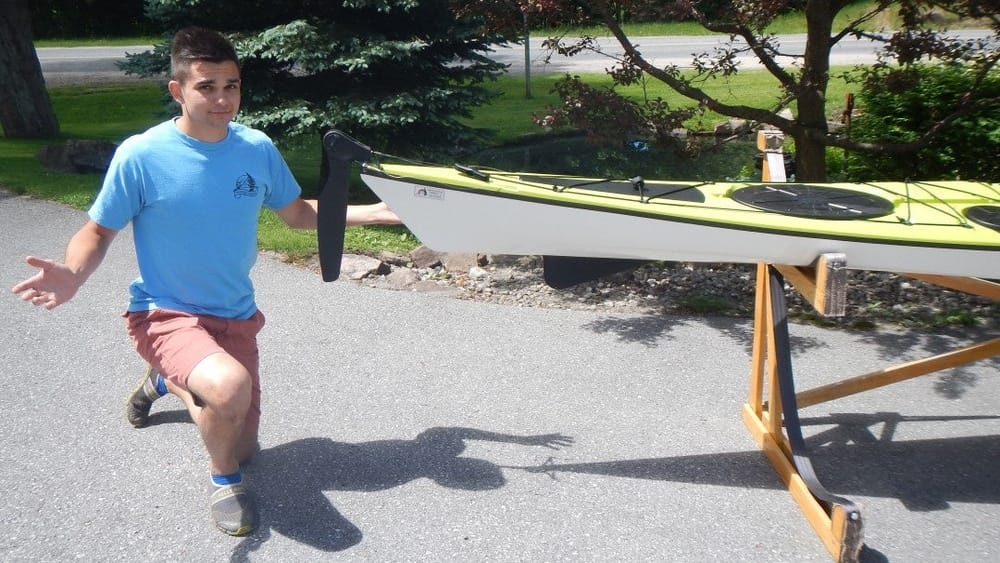
Kayaking is more than just paddling across water. It’s about balance, control, and moving where you want to go—even when wind and waves try to push you off course. If you’ve heard paddlers talk about a “skeg” on a kayak, you might wonder what it is and why it matters.
For beginners and even some experienced kayakers, understanding the skeg can make a huge difference in your time on the water. Let’s break down what a skeg is, how it works, and why this small piece of equipment can transform your kayaking experience.
What Is A Skeg On A Kayak?
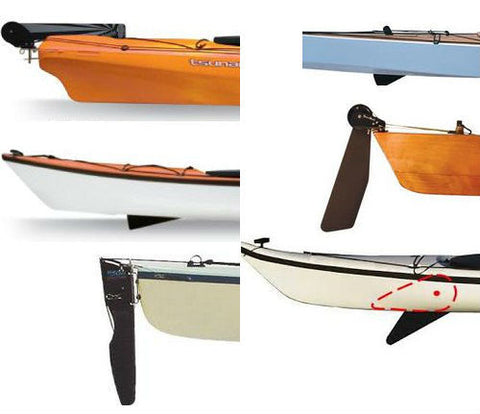
A skeg is a simple yet clever device attached to the underside of a kayak, usually toward the back (stern). It looks a bit like a small fin. The main job of a skeg is to help your kayak go straight, especially when wind or water currents try to turn you sideways. Unlike a rudder, which you can steer left or right, a skeg doesn’t move side to side; it just drops down or tucks away.
The skeg acts as a stabilizer. When it’s down, it keeps the kayak’s rear end in line, making it easier to paddle in a straight line. When it’s up, your kayak can turn more easily. This small tool is especially useful for long, straight paddling trips or when dealing with wind from the side.
How Does A Skeg Work?
The principle behind a skeg is simple but effective. When you paddle a kayak, wind, waves, and currents can push against the side of your boat. This often causes a kayak to “weathercock,” which means the front (bow) turns into the wind.
It’s a common problem, especially with light or high-profile kayaks.
When you lower the skeg, it creates more drag at the back of the kayak. This helps resist the turning effect caused by wind or current, keeping your kayak pointed where you want to go. If the wind or waves change, you can adjust the skeg’s depth—most modern skegs are retractable and controlled by a slider or knob near your seat.
Some important points about how a skeg works:
- It doesn’t steer the kayak left or right.
- It only helps the kayak track straight by controlling sideways movement.
- You can adjust how much the skeg is deployed to match the conditions.
Skeg Vs. Rudder: What’s The Difference?
People often confuse skegs and rudders, but they have important differences. Here’s a quick comparison using a table for clarity.
| Feature | Skeg | Rudder |
|---|---|---|
| Location | Stern (fixed centerline) | Stern (moves left/right) |
| Movement | Up and down only | Side to side (steering) |
| Main Use | Helps track straight | Steers kayak left/right |
| Control | Slider or knob | Foot pedals |
| Complexity | Simpler, fewer parts | More complex, cables |
In short, a skeg is for straight-line stability, while a rudder is for steering. Some kayaks come with one, the other, or even both. Your choice depends on your paddling style, local conditions, and personal preference.
Types Of Skegs
While all skegs have the same basic job, there are a few variations found on different kayaks.
Fixed Skeg
A fixed skeg is always down. It can’t be adjusted or retracted. This type is simple and has no moving parts, so it’s reliable and low-maintenance. However, it limits your flexibility in changing conditions.
Retractable Skeg
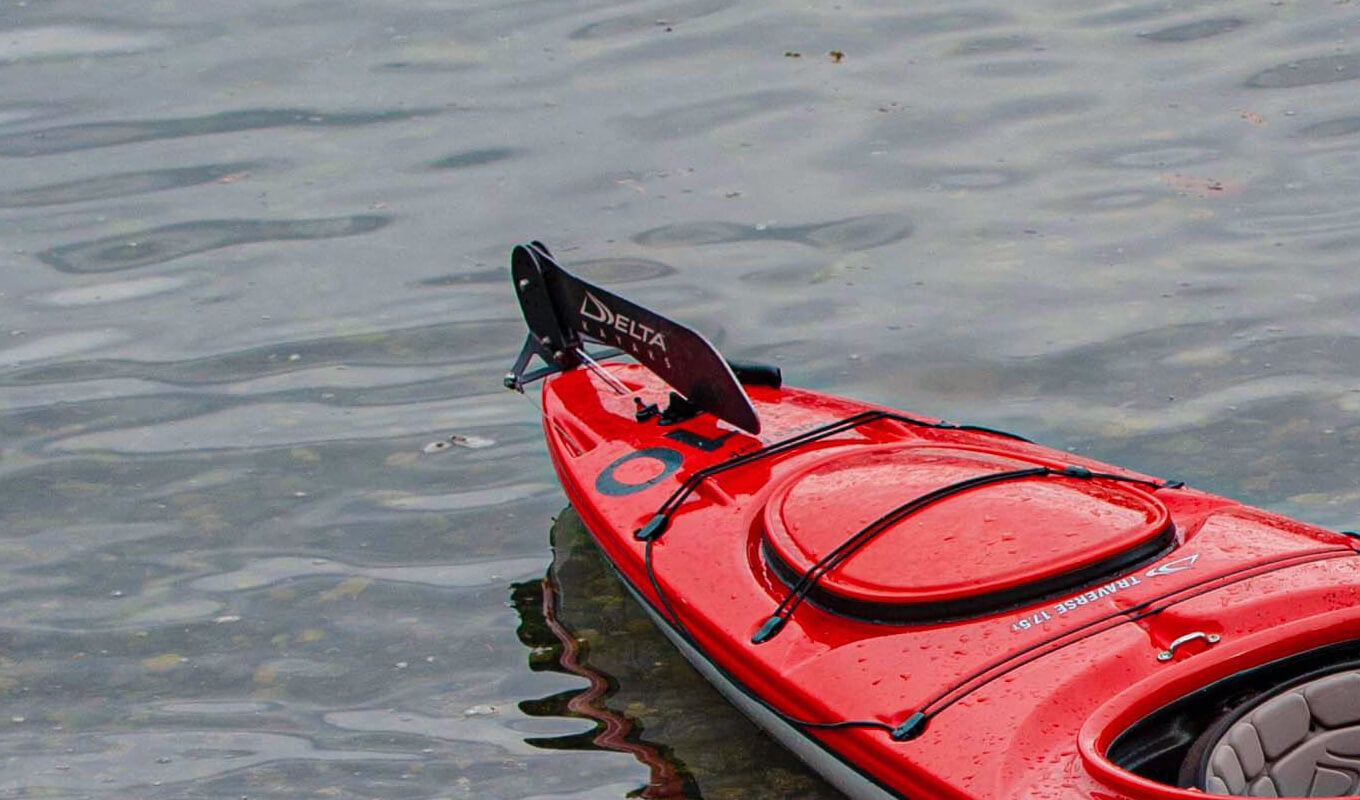
Most modern touring and sea kayaks use a retractable skeg. This type slides up or down, usually controlled by a cable and slider near the cockpit. You can fine-tune how much of the skeg is in the water, which helps you adjust for wind and current.
Removable Skeg
Some recreational or inflatable kayaks offer a removable skeg. You attach or detach it before launching. This design is convenient for storage and transport but less adjustable on the water.
Here’s a quick overview:
| Type | Adjustability | Common Use |
|---|---|---|
| Fixed | None | Beginner/recreational kayaks |
| Retractable | Full (up/down) | Touring/sea kayaks |
| Removable | On/off before trip | Inflatable/folding kayaks |
Credit: www.olympicoutdoorcenter.com
Why Do You Need A Skeg?
Not every kayak has a skeg, and not every paddler needs one. So, why might you want a skeg?
Improved Tracking
Tracking means how well your kayak holds a straight line when you paddle. A skeg greatly improves tracking, especially in wind or waves. If you paddle on open water or do long distances, a skeg can save you energy by reducing the need for constant steering corrections.
Better Control In Wind
Wind can push your kayak off course. When the wind comes from the side, your kayak tends to turn into it (weathercocking). Lowering the skeg helps balance this effect so you stay on track.
Easier For Beginners
New paddlers often struggle to keep their kayak straight, especially in windy conditions. A skeg can make learning easier and more enjoyable, letting you focus on your paddling technique rather than constant course correction.
Less Fatigue
Without a skeg, you might spend a lot of energy making corrective strokes to stay straight. Over time, this can tire you out and slow your progress. A skeg helps you paddle more efficiently.
When Should You Use A Skeg?
The best times to use a skeg depend on weather, water, and your kayak’s design. Here are some common scenarios:
- Strong crosswinds: If wind is blowing from the side and your kayak keeps turning into it, lower the skeg to help stay straight.
- Long open water crossings: When you need to paddle straight for a long distance, a skeg helps you maintain your course.
- Currents or waves from the side: A skeg adds extra stability and control.
- Varying wind conditions: You can adjust the skeg up or down as the wind changes.
However, in calm water or when you want to turn quickly, it’s best to keep the skeg up. Using a skeg all the time is not necessary and can make turning more difficult.

Credit: www.melkerofsweden.se
How To Adjust And Use A Skeg Properly
Learning to use a skeg is not complicated, but it does take some practice. Here are some practical tips:
- Start with the skeg up: Paddle a short distance. Notice how your kayak tracks.
- Lower the skeg halfway: If you notice the kayak turning into the wind, try lowering the skeg a bit and see if tracking improves.
- Adjust in small steps: Don’t drop the skeg all the way unless needed. Small changes can make a big difference.
- Remember to retract it before landing: This prevents damage to the skeg when you hit the shore.
A common beginner mistake is to leave the skeg down all the time. This can make your kayak harder to turn and may even damage the skeg in shallow water.
Skeg Maintenance And Troubleshooting
A skeg is simple, but it still needs care. Here are some tips to keep it working smoothly:
- Rinse after use: Sand, salt, and dirt can jam the skeg. Rinse it with fresh water after every trip.
- Check the cable: If your skeg uses a cable, make sure it moves smoothly. Lubricate if needed, but avoid using oil near plastic parts.
- Inspect for damage: Look for cracks or bends, especially if you paddle in shallow or rocky areas.
- Clear debris: Sometimes weeds or small stones can get caught in the skeg box. Clear them before storing your kayak.
If your skeg gets stuck, don’t force it. Check for debris or twisted cables. Most issues are simple to fix with some cleaning and gentle adjustment.
Common Myths About Skegs
Many new paddlers hear myths or misunderstandings about skegs. Here are a few common ones—and the truth:
- Myth: A skeg is the same as a rudder.
- Reality: They have different functions. A skeg helps with tracking; a rudder steers.
- Myth: Only experts need a skeg.
- Reality: Beginners often benefit the most from improved tracking.
- Myth: Skegs slow you down a lot.
- Reality: The drag is minimal compared to the energy saved by paddling straight.
- Myth: All kayaks need a skeg.
- Reality: Many recreational kayaks track well without one, especially in calm water.
Skeg Performance: Real-world Examples
Let’s look at two real-life situations:
Example 1: Sea Kayaking In Wind
Anna is paddling her touring kayak on a lake when a strong side wind picks up. Without the skeg, she finds her kayak constantly turning into the wind. She drops the skeg halfway. Suddenly, the kayak stays on course with much less correction.
Anna can focus on her paddling rhythm and cover more distance.
Example 2: River Kayaking
Ben uses a recreational kayak with a removable skeg. On calm water, he leaves the skeg off for easy turning. But when he paddles a slow-moving river with some wind, he snaps the skeg on. The kayak tracks straighter, and he spends less time zig-zagging across the river.
Credit: www.gilisports.com
Choosing A Kayak With Or Without A Skeg
If you’re shopping for a kayak, should you look for one with a skeg? Consider these factors:
- Where you paddle: Open water and windy lakes benefit from a skeg.
- Your skill level: Beginners often appreciate the added control.
- Kayak type: Touring and sea kayaks commonly have skegs; short recreational kayaks may not need one.
- Portability: Inflatable kayaks often use removable skegs for easy transport.
Here’s a simple comparison to help you decide:
| Paddling Environment | Skeg Recommended? |
|---|---|
| Open sea/lake | Yes |
| Calm rivers | Optional |
| Whitewater | No |
| Short trips/ponds | Not needed |
Two Insights Beginners Often Miss
- Partial skeg deployment gives you fine control. Many beginners think it’s all-or-nothing, but adjusting the skeg just a little can balance your kayak perfectly, especially when wind is not strong.
- A skeg can mask poor paddling technique. It’s a helpful tool, but learning good paddle strokes is still important. Relying only on the skeg may slow your progress as a paddler.
Frequently Asked Questions
What Is The Main Purpose Of A Skeg On A Kayak?
The main purpose of a skeg is to help your kayak go straight, especially in windy or wavy conditions. It stabilizes the rear of your kayak and reduces the amount of course correction you need to do with your paddle.
Can I Add A Skeg To My Kayak If It Doesn’t Have One?
Yes, many kayaks can be fitted with a removable or aftermarket skeg. There are kits available for both hard-shell and inflatable kayaks. However, installation may require some DIY skills and should match your kayak’s design.
Should I Use The Skeg All The Time?
No, you don’t need to use the skeg all the time. It’s best used when you have trouble tracking straight, especially in wind or current. In calm water or when turning quickly, keep the skeg up.
What’s The Difference Between A Skeg And A Keel?
A keel is a fixed ridge running along the bottom of a kayak, often molded into the hull. It helps with tracking but is not adjustable. A skeg is a separate, movable fin that you can raise or lower as needed.
Where Can I Learn More About Kayak Design And Features?
For more detailed information about kayak design and performance, check out resources like the Wikipedia Kayak page.
A skeg may seem like a small detail, but it can have a big impact on your kayaking experience. Whether you’re a beginner or an experienced paddler, understanding how and when to use a skeg gives you better control, saves energy, and makes your time on the water more enjoyable.
Next time you see that small fin on the bottom of a kayak, you’ll know just how important it really is.