
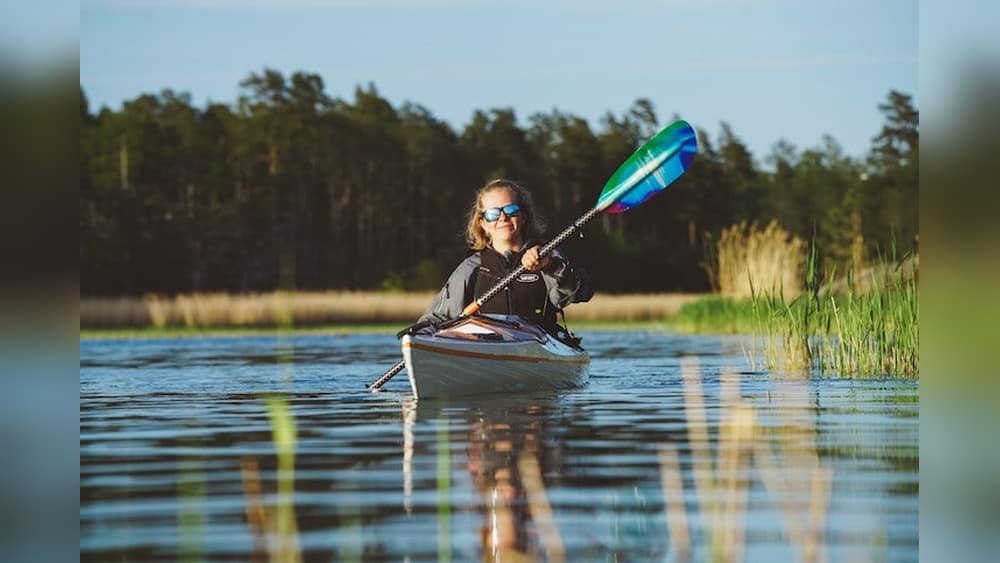
Kayaking looks simple from the shore—a person, a boat, and a paddle gliding across the water. But for many beginners, one question stands out: do kayaks flip easily? The answer is not as straightforward as you might think. Different kayak types, water conditions, and paddler skills all play a role. Some kayaks are stable enough for a child, while others can tip with a careless move. If you want to start kayaking, it’s smart to understand what really affects the chance of flipping, how to stay safe, and what to do if your kayak does roll. Let’s dive into the details, so you can enjoy the water with confidence—not fear.
What Makes A Kayak Flip? The Basics
Kayaks do not flip for one single reason. It’s a mix of kayak design, water conditions, and paddler actions. Here’s what you need to know:
- Stability: Some kayaks have a wide, flat bottom. This makes them very stable and hard to tip. Others are narrow and made for speed—they can flip more easily.
- Weight Distribution: If you lean too far to one side or load gear unevenly, your kayak can lose balance.
- Water Type: Calm lakes are safer. Fast rivers, waves, or strong winds can make flipping more likely.
- Paddler Experience: Beginners may make sudden movements or panic, increasing the flip risk.
An important insight: Most accidental flips happen because of a mix of small mistakes, not one big error. Staying calm and making smooth moves helps a lot.
Types Of Kayaks: Which Flip The Most?
Not all kayaks are the same. Some are almost impossible to flip unless you try. Others demand skill and balance. Let’s compare the main types:
| Kayak Type | Stability | Flip Risk (for Beginners) | Typical Use |
|---|---|---|---|
| Recreational Kayak | Very High | Low | Lakes, slow rivers |
| Sit-on-Top Kayak | High | Low | Fishing, fun, ocean |
| Touring/Sea Kayak | Medium | Medium | Open water, long trips |
| Whitewater Kayak | Low (by design) | High | Rapids, sports |
| Inflatable Kayak | Medium | Medium | Casual, easy storage |
Key takeaway:Recreational and sit-on-top kayaks are the most stable and least likely to flip for new paddlers. Whitewater kayaks flip easily, but that’s on purpose—they’re built for rolling and quick turns.
Two Kinds Of Stability: Primary And Secondary
Every kayak has two kinds of stability:
- Primary stability: How steady the kayak feels when you sit flat on calm water.
- Secondary stability: How well the kayak resists flipping when you lean to the side.
A common mistake: Many beginners think a kayak with high primary stability is safest. But if the water gets rough, kayaks with good secondary stability are less likely to capsize.
| Stability Type | Best For | Downside |
|---|---|---|
| Primary Stability | Flatwater, beginners | Can flip suddenly in waves |
| Secondary Stability | Rough water, advanced | Feels “tippy” at first |
Tip: If you plan to kayak in calm lakes, choose high primary stability. If you want to try the ocean or rivers, learn about secondary stability.
The Role Of Water Conditions
The water under your kayak matters as much as the kayak itself.
- Flat, calm water is safest. Most flips here are due to paddler mistakes.
- Wind and waves can rock your kayak, increasing the chance of a capsize.
- Strong currents or rapids (moving water) demand skill and quick reactions.
- Boat wakes (waves from passing boats) can surprise you.
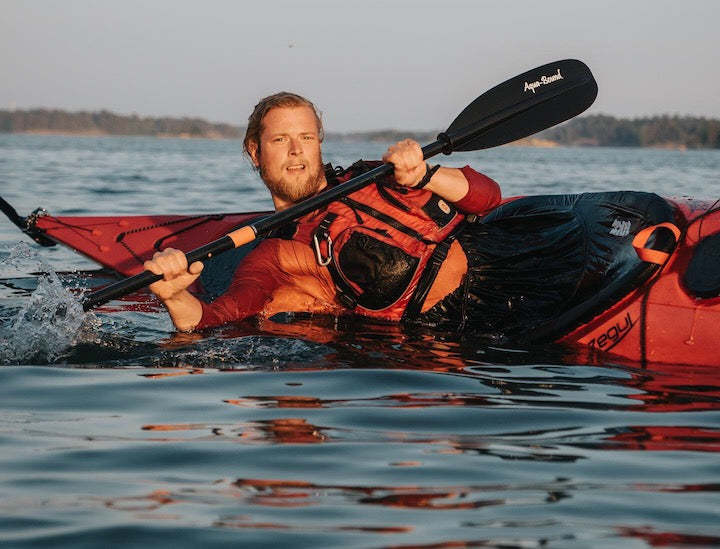
One detail many people miss: Even small waves can tip a kayak if you’re not paying attention or holding your paddle wrong. Always watch the water ahead.
Credit: www.aquabound.com
How Paddler Actions Affect Flipping
Your own movements play a big role in whether you stay upright or end up in the water.
- Sudden movements: Jerky or quick shifts can unbalance your kayak.
- Leaning too far: Reaching over the side can pull you in.
- Incorrect paddle grip: Holding your paddle too tight or at the wrong angle can cause a loss of control.
- Standing up: Unless you’re in a kayak designed for standing (like some fishing models), this is a quick way to flip.
A less obvious tip: Keeping your upper body relaxed and your hips loose lets the kayak move under you, improving your balance.
Does Kayak Design Really Matter?
Many first-time buyers focus on color or price, but the shape of a kayak affects its flipping risk. Here’s how:
- Width (Beam): Wider kayaks are more stable. Narrow ones are faster but tip easier.
- Hull Shape: Flat-bottom hulls are stable on calm water. Rounded or V-shaped hulls give better control in waves but feel less steady at first.
- Length: Longer kayaks track straight and handle waves better, but shorter kayaks turn quickly and can feel “tippy.”
Here’s a quick comparison:
| Feature | Stable Kayaks | Unstable Kayaks |
|---|---|---|
| Width | > 28 inches | < 24 inches |
| Hull Shape | Flat, pontoon | Round, V-shaped |
| Length | Short to medium | Long, narrow |
Advice: If you’re new, start with a wider, flat-bottom kayak for easy learning.
Mistakes That Make Kayaks Flip
You might be surprised how many flips are avoidable. Here are common mistakes:
- Ignoring the weather: Sudden wind or rain can turn a safe trip risky.
- Improper sitting position: Sit upright, centered, and adjust your footrests.
- Wrong entry/exit technique: Getting in or out too quickly can tip the kayak.
- Overloading: Putting too much gear or uneven weight increases instability.
- Not practicing self-rescue: If you flip, knowing how to get back in is critical.
An insight often missed: Even experienced kayakers can capsize if they get careless or overconfident. Always respect the water.
How To Avoid Flipping Your Kayak
Staying dry is not luck—it’s skill and preparation. Here’s what helps:
- Choose the right kayak for your size, skill, and water type.
- Practice in calm water before trying waves or rivers.
- Keep your paddle in the water when you feel unsteady—it acts as a brace.
- Stay centered and keep movements smooth and slow.
- Wear a life jacket (PFD) every time, even if you’re a strong swimmer.
A pro tip: Learn a “wet exit” and how to re-enter your kayak. It’s the best way to build confidence.
What To Do If Your Kayak Flips
Flipping is not the end of the world, but you must know what to do.
- Stay calm. Don’t panic; take a breath.
- Hold onto your paddle and kayak. Don’t let them drift away.
- Get to the side of your kayak and pull yourself up. If you can’t get in, swim to shore.
- Empty water from the kayak when safe.
- Signal for help if needed.
A detail many beginners miss: In cold water, get out of the water quickly to avoid hypothermia. Practice self-rescue in safe, warm conditions first.
Are Sit-on-top Kayaks Less Likely To Flip?
Sit-on-top kayaks are very popular with beginners and for fishing. They are wider, have scupper holes for draining water, and are easy to climb back onto if you fall off. While they can flip, it’s rare in calm water unless you lean too far or stand up suddenly.
Bonus: If a sit-on-top kayak does flip, it won’t fill with water or sink. You just flip it back and climb on.
Kayak Flipping Statistics
Research shows that most kayak accidents happen due to human error, not equipment failure.
- According to the U.S. Coast Guard, over 70% of kayak accidents involve not wearing a life jacket.
- Most flips happen within 10 meters of shore.
- Less than 5% of recreational kayaks flip in calm water during normal use.
For more kayaking safety data, check the U.S. Coast Guard Boating Safety site.
Real-life Example: Why Experience Matters
Imagine two paddlers in the same kayak, on the same lake. One is a beginner, the other has years of practice. The beginner might flip just by leaning over to look at a fish. The experienced paddler knows to keep their weight low, brace with the paddle, and move smoothly.
It’s not just the kayak—it’s how you use it.

Credit: vibekayaks.com
Final Thoughts: Should You Worry About Flipping?
The honest answer: kayaks can flip, but they don’t flip easily if you use the right boat, in the right place, with the right skills. Most beginners stay dry if they follow basic safety and respect their limits. Start with a stable kayak, learn the basics, and practice in safe conditions. You’ll soon find that the joy of kayaking is worth a little practice—and maybe getting wet once in a while.
Frequently Asked Questions
Are Kayaks Safe For Beginners?
Yes, especially recreational and sit-on-top kayaks. They are designed for stability and are hard to flip in calm water. Always wear a life jacket and start in safe conditions.
Can A Kayak Flip If A Big Wave Hits?
It’s possible, especially with a narrow or loaded kayak. You can lower the risk by keeping your paddle in the water and facing the wave head-on.
Is It Easier To Flip A Kayak Or A Canoe?
Canoes usually have higher primary stability but can flip quickly if leaned too far. Wide kayaks are less likely to flip in most cases.
What Should I Do First If My Kayak Flips?
Stay calm, hold onto your kayak and paddle, and try to get back in. If you can’t, swim to shore and signal for help.
How Can I Practice Not Flipping?
Start in shallow water. Practice leaning side to side, bracing with your paddle, and doing a wet exit and re-entry. The more you practice, the less likely you’ll flip unexpectedly.
Credit: www.aquabound.com