
Choosing the right kayak paddle can make your time on the water smoother, more enjoyable, and less tiring. Many new kayakers spend hours looking for the perfect boat but overlook the importance of a good paddle. The truth is, the paddle is just as important as the kayak itself.
Using the wrong paddle can lead to sore arms, poor control, and even injury. But with so many shapes, sizes, and materials to choose from, how do you pick the right one? This guide will walk you through everything you need to know, from paddle length to blade shape, and even mistakes to avoid.
By the end, you’ll know exactly how to choose a kayak paddle that matches your body, your kayak, and your paddling style.
Why Your Kayak Paddle Choice Matters
The paddle is your engine on the water. A good match between paddler and paddle means less energy wasted and more time enjoying the journey. The wrong paddle can turn a fun trip into a struggle. Beginners often think any paddle will do, but that’s not true.
The right paddle helps you move efficiently, turn easily, and avoid fatigue.
Many people also believe the most expensive paddle is always the best. In reality, the best paddle is the one that fits your body and your paddling needs. Small changes in length or blade shape can make a big difference.
Over time, using the wrong paddle can even cause wrist or shoulder pain. That’s why it’s worth taking the time to choose carefully.
Key Factors When Choosing A Kayak Paddle
Several factors affect which paddle is right for you. Let’s break down the most important ones:
Paddle Length
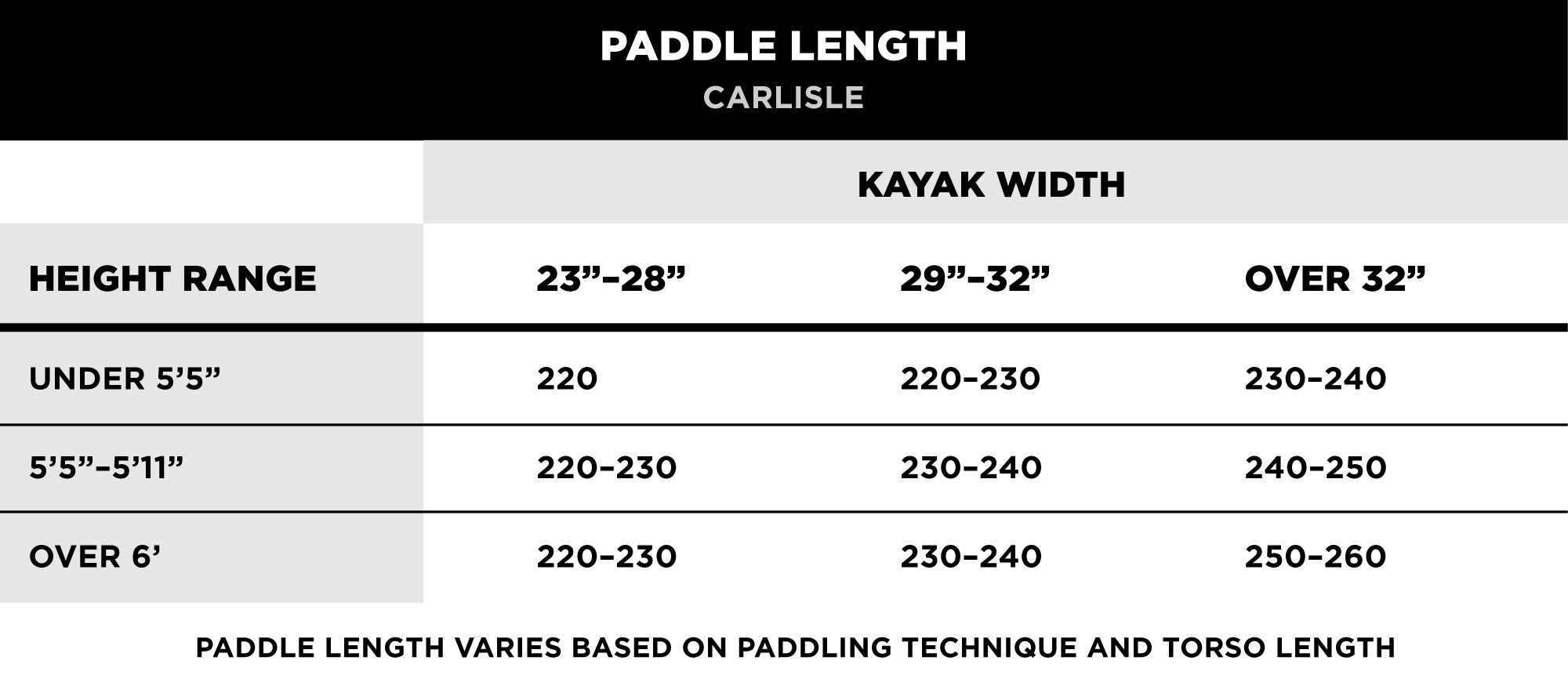
Paddle length is the most critical factor. If your paddle is too long, you’ll work harder with every stroke. If it’s too short, you’ll hit your hands on the kayak and struggle to move forward. The correct length depends on your height, the width of your kayak, and your paddling style.
Sizing Example
Most paddle brands offer size charts. Here’s a simple guide:
| Paddler Height | Kyak Width < 60 cm | Kyak Width 60-70 cm | Kyak Width > 70 cm |
|---|---|---|---|
| 150–160 cm | 210 cm | 215 cm | 220 cm |
| 160–175 cm | 215 cm | 220 cm | 225 cm |
| 175–190 cm | 220 cm | 225 cm | 230 cm |
Pro tip: Sit in your kayak and hold the paddle above your head. Your elbows should form a 90-degree angle. If your hands are too close together or too far apart, try a different length.
Paddle Material
The material affects both the weight and price of your paddle. Lighter paddles are more expensive, but they cause less fatigue. Let’s compare the most common materials:
| Material | Weight | Cost | Durability |
|---|---|---|---|
| Aluminum | Heavy | Low | High |
| Fiberglass | Medium | Medium | Medium |
| Carbon Fiber | Very Light | High | Medium |
| Plastic/Nylon | Medium-Heavy | Low | Medium |
A lighter paddle will make long trips much easier. If you’re on a budget, an aluminum shaft with a plastic blade is a good start. For frequent paddlers, a fiberglass or carbon fiber paddle is worth the investment.
Blade Shape And Size
Blades come in many shapes. The main types are narrow/long and wide/short.
- Narrow/long blades are good for relaxed, long-distance paddling (low-angle style).
- Wide/short blades are best for short, powerful strokes, which help with quick turns and fast movement (high-angle style).
Some blades are asymmetrical, which reduces flutter (side-to-side movement). Asymmetrical blades are now common and recommended for most people.
Example:
A touring kayaker on a calm lake will enjoy a narrow blade. But a whitewater paddler or someone fishing in currents needs a wider blade for quick moves.
Shaft Shape And Diameter
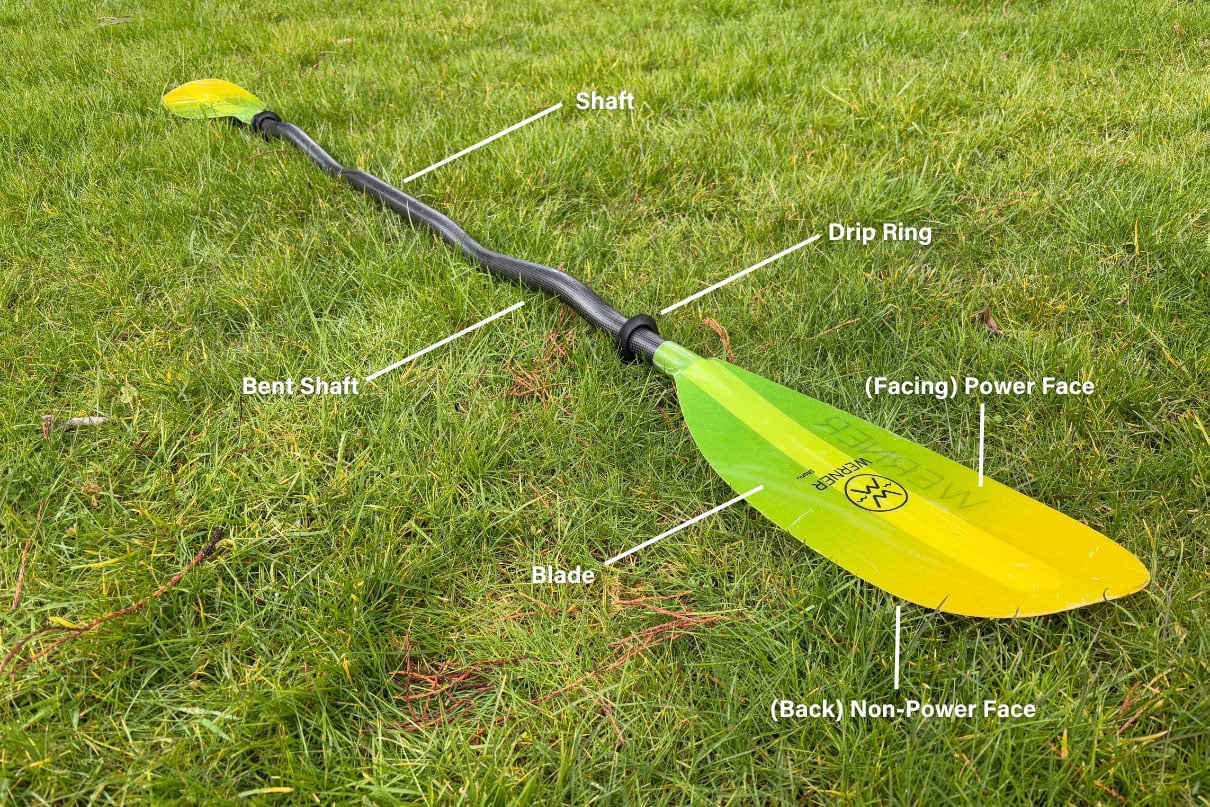
Most paddles have either a straight shaft or a bent shaft.
- Straight shafts are simple and common.
- Bent shafts have a slight angle, which helps keep your wrists in a natural position. This can reduce strain and is good if you paddle often or have wrist pain.
You should also check the shaft diameter. If you have smaller hands, look for a paddle with a small-diameter shaft. It’s easier to grip and less tiring.
Feathering
Feathering refers to the angle between the two blades. Some paddles let you adjust this angle.
- Feathered paddles have blades set at an angle (e.g., 60°). This reduces wind resistance, which is helpful in strong winds.
- Unfeathered paddles have both blades on the same plane. These are easier for beginners.
Most modern paddles are adjustable. Try both and see what feels better for you.
Paddle Weight
Weight matters more than many beginners realize. A heavy paddle will tire your arms and shoulders, especially over long distances. If you plan to paddle for more than an hour, consider investing in a lighter model. Even a difference of 100 grams can be noticeable after a few hours.
One-piece Vs. Two-piece Vs. Four-piece
- One-piece paddles are strong and simple but hard to transport.
- Two-piece paddles break in half for easier storage and travel.
- Four-piece paddles are best for backpacking or as a spare paddle.
If you fly or travel with your kayak, a two- or four-piece paddle is much easier to carry.
Credit: paddlingmag.com
Matching Paddle To Kayak And Paddler
No two kayakers are the same. The best paddle for you depends on your body, your kayak, and where you plan to paddle.
Your Height And Arm Length
Taller paddlers need longer paddles. If you have long arms, you may also prefer a longer paddle for comfort.
Kayak Width
A wide kayak needs a longer paddle to reach the water. Recreational kayaks are often wider than touring or sea kayaks.
Paddling Style
There are two main styles: low-angle and high-angle.
- Low-angle paddling is relaxed, with the paddle close to the water. This style uses long, narrow blades and is common for touring.
- High-angle paddling is more aggressive, with the paddle held more vertically. It uses short, wide blades and gives more power.
Try both styles to see which feels natural. Then choose a blade shape to match.
Where You’ll Paddle
- Flatwater (lakes, slow rivers): Lightweight paddle, narrow blade, longer length.
- Whitewater (rapids): Durable paddle, wide blade, shorter length.
- Fishing: Durable paddle, easy to stow, sometimes with special features like hook retrieval.
Special Features And Add-ons
Some paddles come with extras. Here’s what you might see:
- Drip rings: Rubber rings that keep water from running down the shaft onto your hands.
- Adjustable length: Allows you to change paddle length for different kayaks or paddlers.
- Built-in measuring tools: Helpful for anglers.
These features aren’t required but can make life easier.
Credit: oldtownwatercraft.johnsonoutdoors.com
Common Mistakes When Choosing A Kayak Paddle
- Ignoring paddle length: Using a paddle that’s too long or too short leads to inefficient strokes and tired arms.
- Choosing by price alone: Expensive isn’t always better for your needs. Focus on fit and comfort.
- Overlooking weight: A heavy paddle is cheap but can ruin long trips.
- Not trying before buying: If possible, test a few paddles at a local shop or rental before making a decision.
- Forgetting about kayak width: The wider the boat, the longer the paddle you’ll need.
- Neglecting shaft diameter: A paddle that’s too thick or thin for your hands will cause discomfort.
Two Non-obvious Insights
- Hand Position Matters: Where you grip the paddle affects both comfort and efficiency. Markers or tape can help you find the right spot, especially if you lend your paddle to others.
- Blade Color and Visibility: Brightly colored blades (yellow, orange) make you easier to spot on the water. This is especially important in busy areas or low-light conditions, offering an extra layer of safety beyond just style.

Credit: www.bendingbranches.com
Buying Tips And Final Checklist
Before you buy, ask yourself:
- How often will you paddle?
- What’s your budget?
- Do you need a paddle that’s easy to pack?
- Do you have any wrist or shoulder problems?
Visit a local shop if you can. Staff can help you try different models. If buying online, check the return policy in case the fit isn’t right.
Here’s a quick checklist to review before purchasing:
- Choose the right length for your height and kayak width.
- Pick a material that matches your budget and paddling frequency.
- Decide on blade shape for your paddling style.
- Check the shaft shape and diameter for comfort.
- Think about weight if you plan to paddle for hours.
- Consider adjustability for multiple users or kayaks.
For more details on kayak paddles and water sports, you can visit Wikipedia’s Kayaking page.
Frequently Asked Questions
What Size Kayak Paddle Do I Need?
The right paddle size depends on your height and the width of your kayak. Taller paddlers or those with wider kayaks should use longer paddles. Use manufacturer charts or sit in your kayak and check if your elbows form a 90-degree angle when holding the paddle.
Is A Lighter Paddle Always Better?
A lighter paddle reduces fatigue, especially on longer trips. However, lighter paddles (like carbon fiber) are more expensive. For short, casual trips, a heavier paddle is fine. For frequent or long-distance paddling, a lighter paddle is worth the investment.
What’s The Difference Between A Straight And Bent Shaft Paddle?
A straight shaft paddle is the standard design. A bent shaft paddle has angles that keep your wrists in a natural position. Bent shafts can help prevent wrist pain and are often preferred for long paddling sessions.
Can I Use The Same Paddle For Different Kayaks?
You can, but the paddle may not be ideal for every kayak. Wide kayaks need longer paddles, while narrow kayaks use shorter ones. Adjustable paddles are a good option if you switch between different boats often.
How Do I Care For My Kayak Paddle?
Rinse your paddle with fresh water after use, especially if you paddle in saltwater. Store it out of direct sunlight and avoid dropping it on hard surfaces. Check for cracks or damage regularly to keep your paddle in good condition.
Choosing the right kayak paddle is a smart investment in your comfort and safety. Take your time, consider your needs, and you’ll find a paddle that helps you enjoy every adventure on the water.