
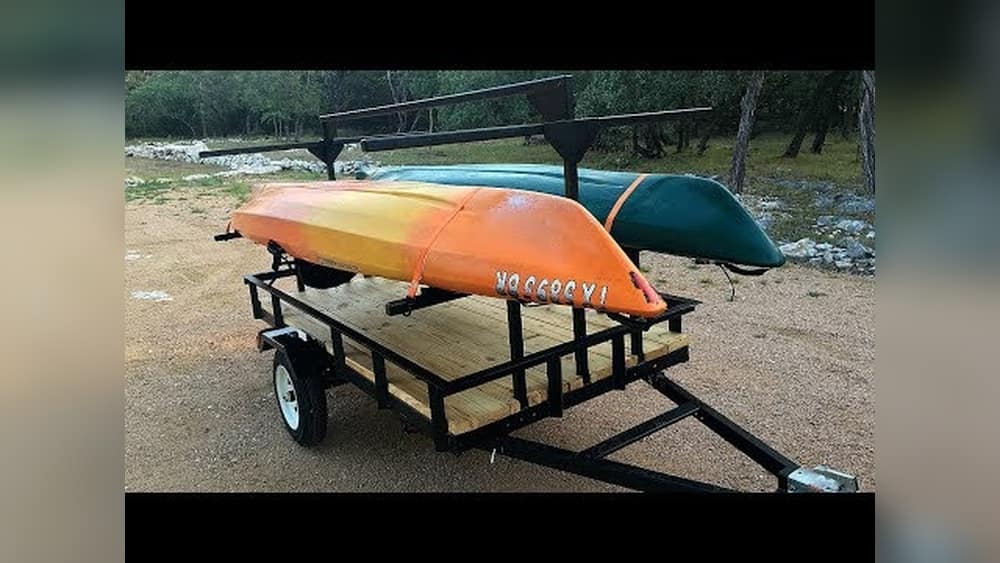
Building your own kayak trailer can save you money, give you full control over design, and make your kayaking trips much easier. Many kayakers struggle with loading and unloading their boats from car rooftops or cramming gear inside vehicles. A well-built trailer solves these problems, letting you transport one or more kayaks safely and conveniently.
If you have basic mechanical skills and some free weekends, you can create a reliable kayak trailer that fits your needs. Here’s a complete guide on how to build a kayak trailer, from planning and parts to assembly and safety tips.
Why Build Your Own Kayak Trailer?
Buying a kayak trailer off the shelf can cost anywhere from $800 to over $2,000. Building your own can cut that price in half—or more—while letting you customize the design. You can choose the number of kayaks you want to carry, add storage for paddles or camping gear, and match the trailer height to your vehicle for easy loading. Plus, you learn valuable skills along the way.
A home-built kayak trailer can also last longer because you pick stronger materials and maintain it yourself. For people who paddle often or in groups, the benefits quickly add up.
Planning Your Kayak Trailer
Before you buy parts or start building, take time to plan. Good planning prevents costly mistakes and ensures your trailer matches your needs.
Key Questions To Ask
- How many kayaks? Decide if you’ll carry one, two, or even four kayaks. Each extra kayak changes the frame size and rack design.
- What kayak types? Touring, sit-on-top, or fishing kayaks have different lengths and weights. Measure your kayaks first.
- What vehicle will tow it? Know your car’s towing capacity. Most small trailers are light, but it’s wise to check.
- What extra gear? Will you carry paddles, life jackets, or coolers? Plan for storage boxes or racks.
- How much space for parking or storage? Make sure the finished trailer fits in your garage or yard.
Common Trailer Types
Most DIY kayak trailers start with a simple utility trailer as the base. These are affordable and easy to find at hardware stores or online. You’ll modify this frame to hold kayaks safely.
Here’s a quick comparison of common trailer sizes and uses:
| Trailer Size | Number of Kayaks | Best For |
|---|---|---|
| 4′ x 8′ | 1-2 | Solo paddlers, small cars |
| 5′ x 10′ | 2-4 | Families, groups |
| Custom (welded) | 4+ | Clubs, outfitters |
Tip: Start small if it’s your first time building. It’s easier to add storage or modify racks later.
Tools And Materials Needed
The exact list depends on your trailer design, but most builds require these basic items:
Tools
- Socket set and wrenches
- Drill with metal bits
- Measuring tape and marker
- Saw (for wood or metal)
- Screwdrivers
- Pliers and wire cutters
- Safety goggles and gloves
Materials
- Utility trailer (new or used)
- Galvanized steel or aluminum tubing (for racks)
- Treated lumber (for deck or supports)
- U-bolts, brackets, and fasteners
- Kayak cradles, foam blocks, or PVC pipe
- Ratchet straps or tie-downs
- Lights and wiring kit (DOT-approved)
- Paint or rust-proof coating
Some people also add a storage box or spare tire mount for convenience.
Non-obvious insight: Many trailer builders overlook the importance of rust protection. Even if you buy a “galvanized” trailer, always add a fresh coat of protective paint—especially on cut or drilled surfaces.
Step-by-step: How To Build A Kayak Trailer
1. Choose And Prepare Your Trailer Base
Start by selecting a solid utility trailer. New ones are reliable but cost more. Used trailers can be found at lower prices, but check for rust, bent frames, or worn parts.
- Inspect the frame for cracks or rust.
- Check the tires for cracks or low tread.
- Test the wheel bearings and replace if needed.
- Clean and repaint as needed.
Tip: Trailers designed for small boats or ATVs also work well if they match your size needs.
2. Design The Kayak Rack
This is the most important part. The rack holds the kayaks off the trailer bed and keeps them stable. Common rack materials are galvanized steel, aluminum tubing, or strong PVC pipe. Steel is strongest but heavier. Aluminum is light and rust-proof but costs more. PVC is cheap and easy to work with for lighter kayaks.
Basic Rack Styles
| Rack Type | Difficulty | Best For | Notes |
|---|---|---|---|
| Simple crossbars | Easy | 1-2 kayaks | Attach foam blocks or cradles |
| T-style uprights | Medium | 2-4 kayaks (stacked) | Allows for double-decker racks |
| Custom welded | Hard | Heavy/fishing kayaks | Professional look, more expensive |
Sketch your rack design on paper. Measure the width of your kayaks and leave at least 6 inches between each boat. Decide if you want to load from the side or rear.
3. Build And Attach The Rack
Cut your rack materials to size. If using metal, wear safety gear and use a saw designed for metal. For wood or PVC, a hand saw works.
- Bolt or weld uprights to the trailer frame.
- Add crossbars at the right height to support the hull.
- Attach foam blocks or cradles to protect the kayak surface.
- Test-fit your kayaks before making final adjustments.
Non-obvious insight: Many beginners forget to check the height of the rack for garage clearance. Measure your home garage door if you plan to store the trailer inside.
4. Add Tie-down Points And Padding
Strong tie-downs are critical for safety. Install U-bolts or eye bolts at each corner of the rack for attaching ratchet straps. Check that every kayak can be secured at two points (front and rear).
Use foam pipe insulation or pool noodles on metal bars to prevent scratches. Some builders wrap straps in old towels for extra padding.
5. Install Trailer Lights And Wiring
By law, trailers need working brake lights, turn signals, and reflectors. Most utility trailer kits come with basic lights, but you may need to extend the wires or add extra lights for longer racks.
- Route wires inside the frame if possible to avoid damage.
- Use waterproof connectors.
- Test lights before hitting the road.
Tip: If you’re not confident with wiring, ask a friend or hire a professional. Faulty trailer lights are a common cause of tickets and accidents.
6. Add Storage And Accessories
For longer trips, it’s helpful to add storage boxes or PVC tubes for paddles and gear. Mount them where they won’t block kayak loading.
Common accessories:
- Locking storage box for life jackets or tools
- Spare tire mount
- Removable loading ramp for heavier kayaks
Example: Some paddlers mount a weatherproof toolbox to the trailer tongue for quick access to straps and repair kits.
7. Paint, Protect, And Final Checks
Finish your trailer with a coat of rust-resistant paint or sealer. Check all bolts and fasteners for tightness. Inflate tires to the correct pressure. Test the trailer’s balance by lifting it at the hitch—too much weight in the rear can cause “trailer sway” on the road.
Before your first trip, practice loading and unloading your kayaks. Check that nothing rubs or rattles while driving.
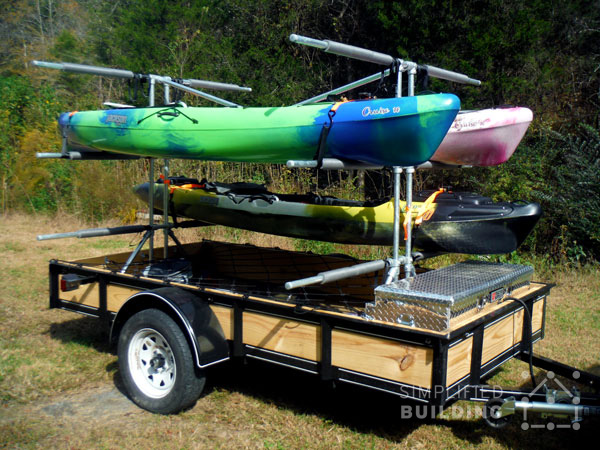
Credit: www.simplifiedbuilding.com
Safety Tips And Legal Requirements
Never skip safety checks. Here’s what to keep in mind:
- Weight limits: Check your vehicle’s and trailer’s rated capacity.
- Secure all loads: Loose kayaks can become dangerous projectiles.
- Lights and reflectors: Must meet state laws.
- License and registration: Some states require trailers to be registered and plated.
- Tire condition: Old or underinflated tires are a common cause of breakdowns.
Common mistake: Many first-time builders overload their trailer with too many kayaks or heavy gear. Always check the manufacturer’s weight ratings.
Maintenance Tips For Long-lasting Performance
A kayak trailer is an investment. With a little care, it can last for many years.
- Wash the trailer after trips, especially in saltwater.
- Check bolts and nuts for tightness every season.
- Grease the wheel bearings yearly.
- Touch up paint on scratches or rust spots.
- Store the trailer on blocks to avoid flat spots on tires.

Credit: www.youtube.com
Cost Breakdown: Building Vs. Buying
Let’s look at typical costs for a DIY kayak trailer compared to buying one ready-made:
| Item | DIY Cost (USD) | Pre-Built Cost (USD) |
|---|---|---|
| Base trailer | $350 | Included |
| Racks & cradles | $100 | Included |
| Lights & wiring | $50 | Included |
| Other materials | $50 | Included |
| Total | $550 | $1,200+ |
Building your own trailer usually costs 30–60% less than buying. Plus, it’s custom-built for your boats and needs.
Mistakes To Avoid
- Skipping planning: Measure twice, cut once.
- Ignoring weight ratings: Overloading can damage both trailer and car.
- Poor wiring: Always use waterproof connectors.
- Not enough tie-downs: Use at least two straps per kayak.
- Not checking local laws: Rules for trailer size and lights vary by state.
Useful Resources
For more details on trailer laws and safety, see the National Highway Traffic Safety Administration.
Frequently Asked Questions
What Is The Best Material For Kayak Trailer Racks?
The best material depends on your needs. Galvanized steel is strong and affordable, good for heavy use or saltwater. Aluminum is lighter and rust-proof but costs more. PVC works for light kayaks and is easy for beginners to cut and fit.
How Many Kayaks Can I Safely Carry On A Home-built Trailer?
Most DIY trailers carry 1–4 kayaks safely. More than four requires a custom welded frame and careful attention to weight limits. Never exceed the trailer’s rated load or your vehicle’s towing capacity.
Do I Need To Register My Kayak Trailer?
In many states, yes. Trailer registration rules vary. Some require a license plate and annual renewal. Check your local DMV or transportation department for details before using your trailer on public roads.
Can I Convert A Boat Or Jet Ski Trailer Into A Kayak Trailer?
Yes. Many people start with a used boat or jet ski trailer. Remove the old bunks, add kayak cradles or racks, and update the lights if needed. Make sure the frame is in good condition and matches your kayak size.
What Is The Most Common Mistake When Building A Kayak Trailer?
The most frequent mistake is underestimating the need for secure tie-downs. Using weak straps or not enough anchor points can lead to kayaks shifting or falling off. Always use high-quality ratchet straps and test your load before driving.
Building your own kayak trailer is a rewarding project that can save money, make your adventures easier, and give you a sense of accomplishment. With careful planning, the right materials, and attention to safety, you’ll enjoy many years of smooth paddling trips.
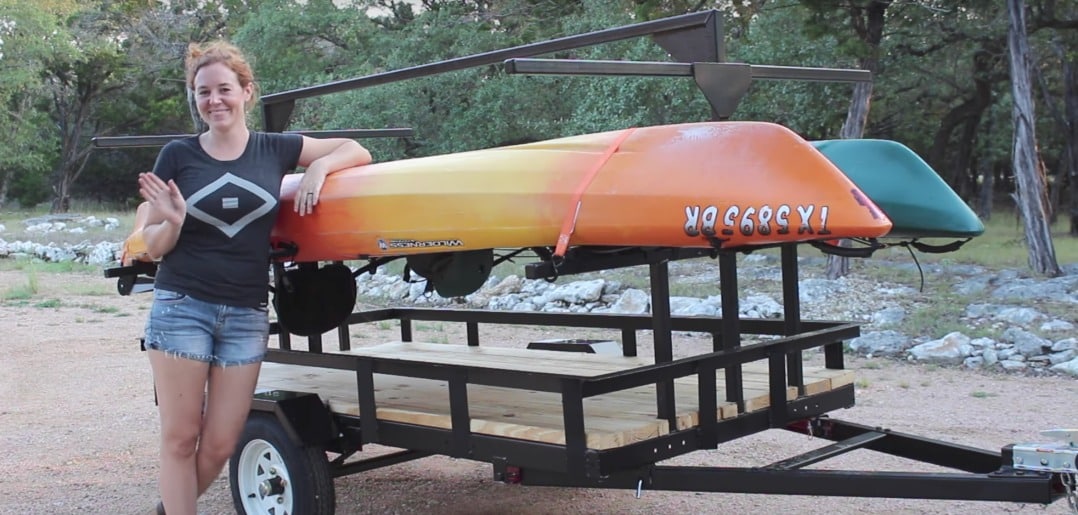
Credit: wilkerdos.com