
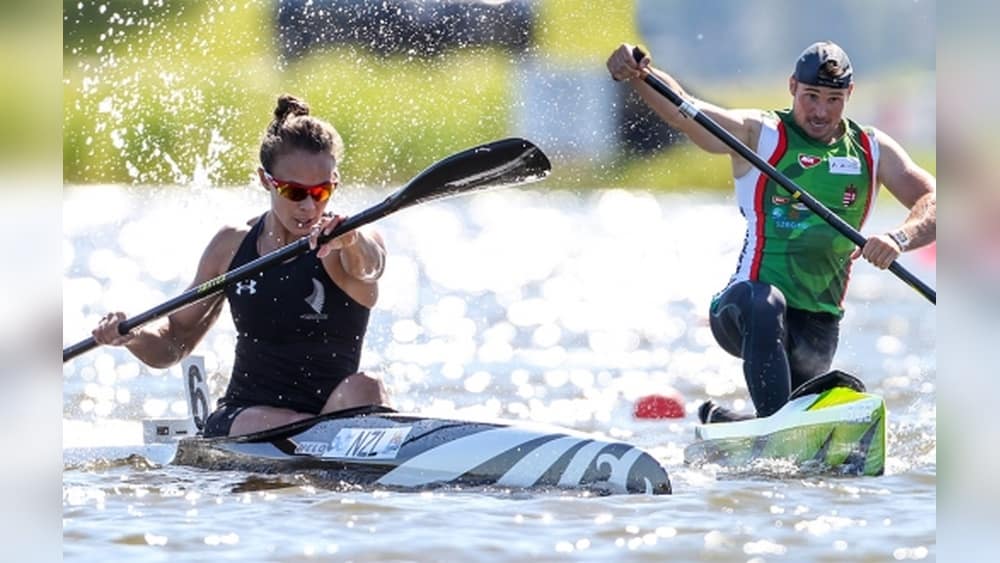
Kayaking often brings images of calm lakes, wild rivers, or even athletes racing on the Olympic stage. But is kayaking a sport? Or is it just a fun outdoor activity? Many people new to kayaking wonder if paddling through water can be considered a true sport.
The answer is more complex than it may seem.
Kayaking has a long history, starting as a means of travel and hunting. Today, it’s seen in everything from family vacations to high-level competitions. The line between recreation and sport can be blurry. To decide if kayaking is a sport, we need to look at its forms, the skills required, competitive aspects, and how it compares to other recognized sports.
This article explores all sides of the question, offering clear insights for anyone curious about kayaking’s status as a sport.
What Is Kayaking?
Kayaking means moving through water using a small boat called a kayak and a double-bladed paddle. The kayaker sits facing forward with legs in front and uses both arms to paddle. There are many types of kayaking, including recreational, whitewater, sea, and competitive forms.
Kayaks are different from canoes: they are lower in the water, often have closed decks, and use a double-bladed paddle, while canoes use a single-bladed paddle and an open boat. Kayaking can be done alone or with others, in natural or artificial water.
Sport Versus Recreation: What’s The Difference?
The word sport often means an activity that includes physical effort, skill, and competition. In contrast, recreation is any activity done for fun, relaxation, or fitness, with no need for competition.
- Recreation example: Paddling gently around a lake for enjoyment.
- Sport example: Racing against others, trying to complete a tough river course, or practicing skills for a competition.
Kayaking fits in both categories, but not all kayaking is a sport. The key is competition, training, and skill development.
Forms Of Kayaking Recognized As Sports
Many types of kayaking are recognized as sports at local, national, and global levels. Here are the main forms:
- Sprint Kayaking: Races over calm water, focusing on speed and endurance. Part of the Olympic Games since 1936.
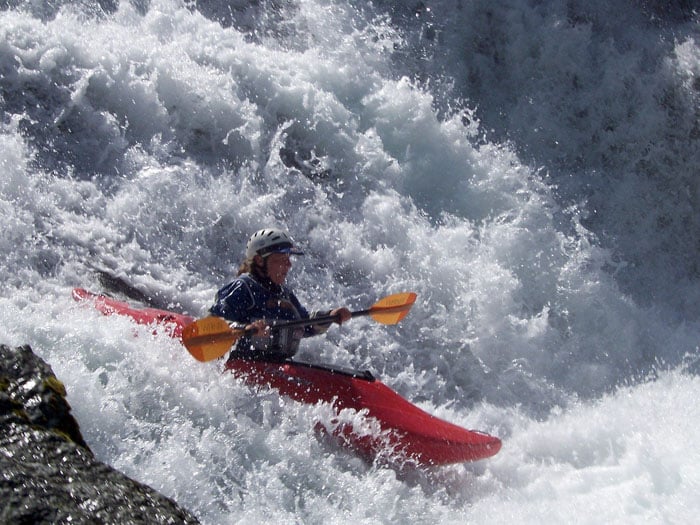
- Slalom Kayaking: Athletes navigate a whitewater course with gates. Precision and agility matter. Olympic sport since 1972.
- Marathon Kayaking: Long-distance races on rivers, lakes, or sea. Tests stamina and pacing.
- Freestyle Kayaking: Kayakers perform tricks and spins in whitewater, judged on style and difficulty.
- Wildwater Racing: Downriver races through rapids, testing speed and river reading.
- Kayak Polo (Canoe Polo): Team sport played in pools or calm water, mixing ball skills and paddling.
- Surf Kayaking: Riding ocean waves, similar to surfing but with a kayak.
- Paracanoe: Kayaking for athletes with disabilities, included in the Paralympic Games.
These forms are organized, have rules, and involve competition, making them clear sports.
Competitive Structure And Organizations
Kayaking as a sport is governed by many organizations:
- International Canoe Federation (ICF): Oversees global competitions and sets rules.
- National Federations: Each country has a group that manages events, teams, and training.
- Olympics and Paralympics: Kayaking events are part of these games, with strict qualification and rules.
Events are held for different ages and abilities. There are local clubs, national championships, world cups, and world championships.
Credit: www.topendsports.com
What Makes Kayaking A Sport?
Physical Demands
Kayaking requires strong upper body, core, and leg muscles. In competitive forms, athletes train for years to increase strength, balance, and endurance. For example:
- Sprint kayakers can paddle at speeds over 20 km/h for short distances.
- Slalom kayakers need quick reactions and power to move through gates and rapids.
Skill And Technique
Success in kayaking comes from mastering paddle strokes, balance, reading water, and strategy. In sports like slalom, small mistakes can mean losing seconds or missing a gate.
Competition
Sport kayaking involves racing, scoring, or comparing performance with others. Time, style, or points decide winners. Many events have strict rules and trained referees.
Training And Preparation
Top kayakers follow detailed training programs. They cross-train with running, weights, and swimming. Nutrition and mental preparation are also key. This level of commitment is similar to other recognized sports.
Is Recreational Kayaking A Sport?
Not every paddler is an athlete. Many people kayak for fun, fitness, or to enjoy nature. Recreational kayaking is often gentle, with no scores or time limits. It’s a great way to relax and explore.
However, even recreational kayakers use skills, and some enjoy measuring their speed or distance. Some join fun races or group outings that have a sport-like feel.
The main difference is intent. If you train, compete, or aim to improve your results, your kayaking is closer to a sport.
Comparing Kayaking To Other Sports
It helps to compare kayaking with more traditional sports. Here’s a quick look at how kayaking measures up in several areas:
| Aspect | Kayaking | Soccer | Cycling |
|---|---|---|---|
| Physical effort | High (arms, core, legs) | High (legs, whole body) | High (legs, endurance) |
| Skill development | Essential | Essential | Essential |
| Competition | Yes (races, tricks) | Yes (matches) | Yes (races) |
| Team/individual | Both | Usually team | Both |
This shows that kayaking meets the main requirements for a sport.
Misconceptions About Kayaking As A Sport
Many people think of kayaking as just a hobby. Here are common misunderstandings:
- It’s only relaxing: In reality, sport kayaking can be intense and physically demanding.
- No real competition: There are international championships and Olympic medals.
- Anyone can do it easily: While some forms are easy to start, sport kayaking needs serious skill and training.
- It’s unsafe: With proper training and equipment, risks are managed, just like in other sports.
Benefits Of Kayaking As A Sport
Sport kayaking offers many benefits:
- Fitness: Builds muscle, burns calories (up to 400-500 per hour), improves heart health.
- Skill mastery: Learning advanced strokes and tricks is rewarding.
- Mental focus: Navigating rapids or racing sharpens decision-making.
- Teamwork: In kayak polo or relay races, players learn to work together.
- Inclusion: Adaptive kayaking allows people with disabilities to compete at high levels.
Data: Kayaking Participation And Growth
Kayaking is growing worldwide. Here are some figures:
- In the United States, over 18 million people went kayaking in 2022, up from 7 million in 2006.
- The International Canoe Federation reports over 160 countries with active kayak sport programs.
- Kayak events feature in the Olympics, Paralympics, and World Games.
Participation is rising due to easy access to equipment, media coverage, and club programs.
How To Get Started In Kayak Sport
If you want to try kayaking as a sport, here are clear steps:
- Take a lesson: Find a certified instructor for basics and safety.
- Choose your type: Try different forms—flatwater, whitewater, or polo—to see what fits.
- Join a club: Local clubs offer coaching, practice, and friendly events.
- Get equipment: Start with rented or borrowed gear until you know your needs.
- Train regularly: Even beginners benefit from practice and fitness training.
- Enter events: Small local races or skills challenges are a great way to improve.
One overlooked tip: Focus on paddle technique early. Good technique prevents injury and makes you faster. Also, learn wet exit and rescue skills—these are critical for safe sport kayaking.
Common Mistakes When Viewing Kayaking As A Sport
Beginners often make these errors:
- Ignoring safety: Always wear a personal flotation device and know rescue steps.
- Skipping technique practice: Speed and control come from good technique, not just strength.
- Comparing with professionals too soon: Progress takes time. Set personal goals.
- Overestimating fitness: Paddling in moving water is harder than it looks.
- Neglecting gear checks: Properly maintained equipment is crucial for performance and safety.
Kayaking In The Olympics And Other Major Events
Kayaking’s place in the Olympic Games proves its status as a sport. There are multiple events for men and women, including sprint and slalom. The Paralympics also feature paracanoe. Medals are awarded, and athletes train for years to qualify.
Besides the Olympics, there are world championships, continental games, and club-level competitions. Some countries, like Germany and Hungary, have strong traditions and medal records.
Kayaking As A Lifelong Sport
One unique thing about kayaking is that it suits all ages and many abilities. Athletes can compete into their 40s, and many people paddle for fitness or fun well into old age. Adaptive kayaking means that people with physical challenges can join, too.

Credit: www.canoeicf.com
Table: Sport Vs. Recreational Kayaking
Here’s a summary of key differences:
| Feature | Sport Kayaking | Recreational Kayaking |
|---|---|---|
| Purpose | Competition, skill, training | Relaxation, fun, exploration |
| Intensity | High, often demanding | Variable, usually moderate |
| Equipment | Specialized, performance-focused | Comfort, ease of use |
| Organization | Clubs, events, federations | Solo or casual groups |
| Rules | Strict, official | Few, flexible |
The Verdict: Is Kayaking A Sport?
After looking at its history, competition, skill, and structure, it’s clear: kayaking is a sport—when practiced with training, skill, and competition in mind. It shares all the key features of other sports, from physical demands to organized events. At the same time, kayaking can also be a recreational activity for those who prefer a relaxed pace.
If you love challenge, teamwork, and skill-building, sport kayaking has much to offer. For those who just want to enjoy nature, kayaking remains a peaceful, rewarding pastime. The beauty of kayaking is that it can be both, depending on how you approach it.
For more about kayaking’s sporting status, see the Wikipedia entry on kayaking.

Credit: www.specialolympics.org
Frequently Asked Questions
Is Kayaking Considered An Olympic Sport?
Yes. Kayaking is part of the Olympic Games, with sprint and slalom events for men and women. It has been included since 1936 for sprint and 1972 for slalom.
Can Beginners Participate In Sport Kayaking?
Absolutely. Many clubs offer beginner lessons and events. Good technique and safety are more important than strength at first. There are age groups and skill levels for all abilities.
What Equipment Do I Need For Sport Kayaking?
You need a kayak, double-bladed paddle, personal flotation device, helmet (for whitewater), and proper clothing. Sport kayaks are often lighter and more specialized than recreational ones.
Is Kayaking Dangerous?
Like any sport, kayaking has risks, especially in whitewater or the sea. Training, safety gear, and good judgment reduce dangers. Accidents are rare when you follow best practices.
How Is Kayaking Different From Canoeing As A Sport?
The main differences are in boat design and paddle type. Kayakers use a double-bladed paddle and sit with legs forward; canoeists use a single-bladed paddle and kneel or sit. Both are recognized sports with their own events and rules.
Pingback: How to Paddle a Kayak Properly for Beginners: A Complete Step-by-Step Guide - Wild Paddler