
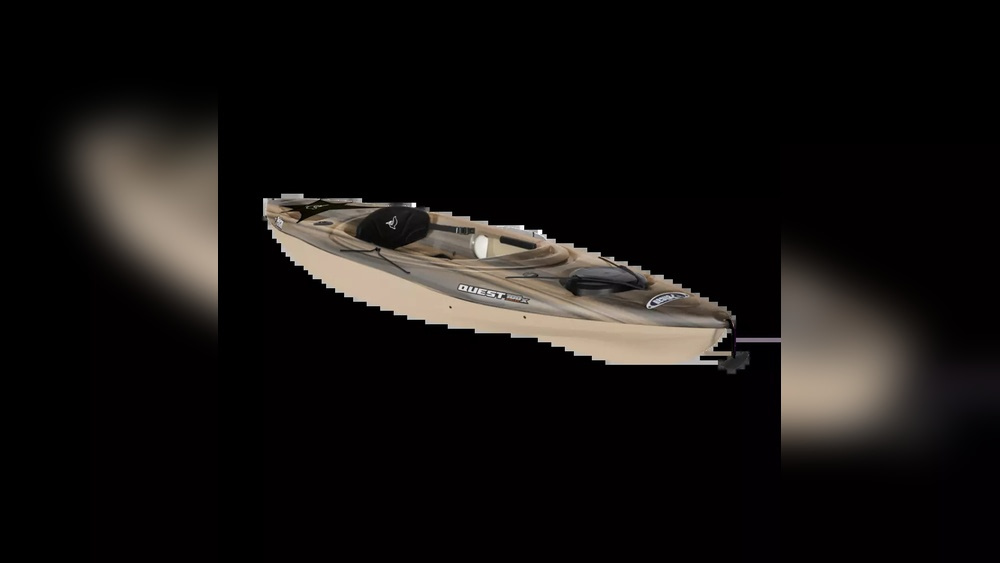
Kayaking is one of the world’s fastest-growing water sports, and the search for the right kayak can feel overwhelming—especially for beginners. Among the many choices, two names often stand out: Pelican and Quest. Both brands have built loyal followings, but they offer different experiences, features, and value for money. If you’re wondering which is right for you, this in-depth guide will help you make a confident, informed choice.
Whether you love quiet paddles on a small lake, want to explore gentle rivers, or crave some recreational adventure, knowing the strengths and weaknesses of Pelican and Quest kayaks is essential. Many buyers focus only on price or looks, but there’s much more to consider—like comfort, durability, weight, and even how you’ll transport and store your kayak.
As a friendly mentor, I’ll walk you through every detail, drawing on user experiences, expert reviews, and real data. You’ll discover how Pelican and Quest compare on the water and what beginners often overlook when choosing their first kayak.
Pelican Kayaks: Overview And Brand Reputation
Pelican International has been making kayaks for over 50 years and is widely respected in the paddling community. Their boats are easy to spot thanks to their bright colors and unique designs. Pelican specializes in recreational kayaks—these are perfect for calm lakes, slow rivers, and family outings.
Pelican’s main strength is value. They use a patented material called RAM-X™, a multi-layer polyethylene that is known for being lightweight, tough, and flexible. This technology allows Pelican to offer kayaks that are durable but don’t break the bank. Many models are under $500, making them attractive for new paddlers.
The company also focuses on safety. Pelican kayaks usually have twin-arched hulls for greater stability. This design makes them less likely to tip—especially important for beginners or families with children.
Some of Pelican’s most popular models include the Pelican Trailblazer 100, Pelican Mustang 100X, and Pelican Argo 100X. These boats are known for being easy to carry, simple to paddle, and comfortable for a wide range of body sizes.
Quest Kayaks: Brand Profile And Unique Features
Quest is a brand often found in big sporting goods stores, especially in North America. While not as old as Pelican, Quest has gained attention for affordable, entry-level kayaks. Their main goal is to make kayaking accessible to everyone, especially people who are just starting out.
Quest kayaks are often made from rotomolded polyethylene. This process produces a single, seamless shell that’s rugged and impact-resistant. Quest kayaks are usually a little heavier than Pelican models, but they can take more rough handling, which is great if you plan to drag your kayak over rocks or rough shorelines.
The most well-known Quest models are the Quest 10 Angler and Quest 9.5. Both are recreational kayaks, but the Angler version includes fishing rod holders, making it popular with beginners who want to try kayak fishing.
Quest kayaks are praised for their generous cockpit space, which makes getting in and out easier. Their seats are usually more padded than Pelican’s, which can matter on longer trips. Quest boats also feature molded footrests, which allow for a range of leg lengths without moving parts that can break.
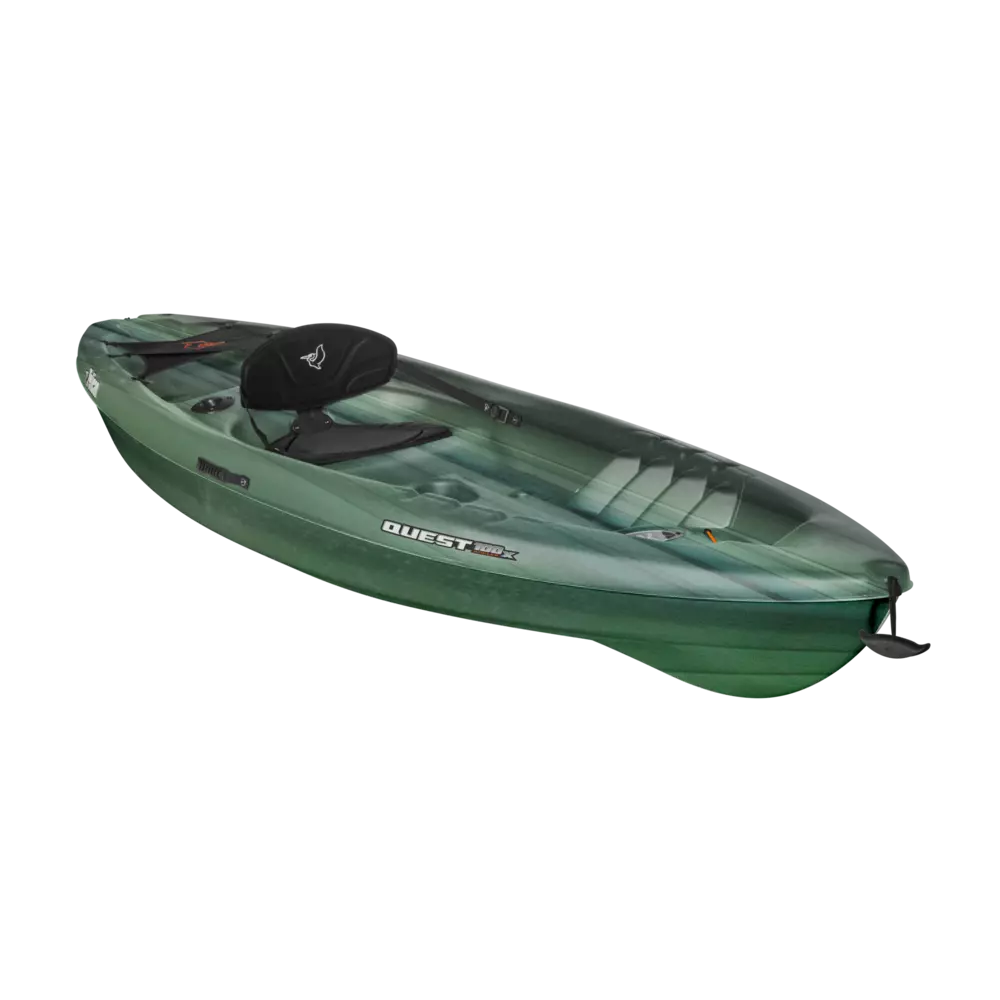
Credit: www.confluenceoutdoor.com
Side-by-side Comparison: Pelican Vs Quest Kayak
To help you clearly see the differences, here’s a detailed comparison of some key features:
| Feature | Pelican Kayak | Quest Kayak |
|---|---|---|
| Material | RAM-X™ Multi-layer Polyethylene | Rotomolded Polyethylene |
| Weight | 36–41 lbs (typical) | 43–50 lbs (typical) |
| Stability | Twin-arched hull for extra stability | Flat bottom, stable but less so than Pelican |
| Seat Comfort | Basic, with padded backrest | Thicker padding, more adjustable |
| Price Range | $350–$600 | $300–$600 |
| Best For | Recreational paddling, families | Beginners, casual kayak fishing |
Design And Build Quality
Pelican: Lightweight And User-friendly
Pelican kayaks are known for being some of the lightest recreational kayaks available. A typical 10-foot Pelican can weigh as little as 36 pounds. This makes a huge difference when you have to carry your kayak from your car to the water, especially if you paddle alone. Pelican’s RAM-X™ material is flexible, so the hull can absorb small impacts without cracking.
The build quality is generally high for the price. Most Pelican kayaks are single-piece hulls with few seams, reducing the risk of leaks. The handles are comfortable, and the boats often feature built-in cup holders, storage bins, and deck rigging.
However, Pelican’s lightweight materials can scratch more easily than heavier plastics.
Quest: Rugged And Spacious
Quest kayaks usually weigh more, but that’s because of their thicker plastic shells. The rotomolded design is very tough—ideal if you expect to run over rocks or launch from rough, gravelly beaches. These boats feel solid on the water, and many users say they last for years even with regular use.
Quest pays attention to cockpit space. The openings are wide, which is great if you have long legs or want to bring a dog or small child. However, the extra width can make Quest kayaks a little slower or harder to paddle straight compared to narrower Pelican models.
On-the-water Performance
Stability And Tracking
Pelican kayaks are famous for their twin-arched hull. This means the bottom of the boat has two gentle curves, which help the kayak stay flat and stable. Beginners often feel confident in a Pelican right away, since it resists tipping even if you shift your weight.
Quest kayaks use a flat or slightly v-shaped hull. They are stable, but not quite as much as Pelican. However, Quest kayaks track well in a straight line, especially the longer models. If you plan to paddle on larger lakes with wind, you may find a Quest easier to keep on course.
Speed And Maneuverability
Pelican’s lighter weight gives it a small speed advantage. You can accelerate quickly and turn easily. This is perfect for small lakes, twisting rivers, or if you want to cover short distances without much effort.
Quest kayaks, being heavier, take a bit more effort to paddle. But their extra weight helps with momentum—once you get going, they glide smoothly. For longer trips, Quest’s comfort features (like padded seats) help reduce fatigue, so the difference in speed isn’t as important.
Handling Wind And Waves
A non-obvious insight: Pelican kayaks, because they’re so light, can be blown around by strong wind more than Quest kayaks. If you plan to paddle on open water or in places with frequent wind gusts, the heavier Quest kayak might be easier to control.
On the other hand, Pelican’s hull design makes it feel steady even in small waves. If you’re nervous about tipping, the Pelican gives a little more peace of mind in choppy water.
Comfort And Ergonomics
Seating
Most Pelican kayaks come with a basic seat and a padded backrest. For short trips, this works well. If you plan to paddle for hours, you may want to add an extra seat cushion or upgrade to a higher-end Pelican with an improved seat.
Quest kayaks, in contrast, often include thicker seat padding and more adjustable backrests. This is an advantage for anyone with back problems or those who want to stay out longer. However, some Quest models have seats that sit a little higher, which can make the kayak feel less stable for very tall or heavy paddlers.
Legroom And Cockpit Size
Pelican cockpits are generally snug but not cramped. They’re designed to keep water out and give a feeling of security. However, very tall paddlers (over 6 feet) sometimes find Pelican kayaks a bit tight.
Quest kayaks have larger cockpits, which make entry and exit easy. If you’re new to kayaking and worried about getting stuck or tipping when getting out, this is a real plus. The downside is that water can splash in more easily.

Credit: www.youtube.com
Storage And Gear Capacity
Pelican and Quest both offer bungee cords on the deck and small hatches for storing keys, snacks, or cameras. But there are differences in how much gear you can carry.
Pelican models like the Mustang 100X have a rear storage platform with bungee cords, but the opening is sometimes small. This limits the size of coolers or dry bags you can bring. Some Pelican kayaks also feature a “quick lock” hatch, which is waterproof but not always large.
Quest kayaks tend to have more open storage space behind the seat. This is useful for fishing gear, tackle boxes, or a small backpack. The Quest 10 Angler even includes built-in rod holders and mounting points for accessories.
Here’s a quick gear capacity comparison:
| Model | Max Load Capacity | Storage Features |
|---|---|---|
| Pelican Trailblazer 100 | 275 lbs | Rear tank well, small hatch, bungee cords |
| Quest 10 Angler | 300 lbs | Open rear deck, rod holders, bungee cords |
| Pelican Mustang 100X | 300 lbs | Quick-lock hatch, rear platform, front storage |
Transport And Storage
A lightweight kayak is easier to lift onto a car roof, carry to the water, or store in your garage. This is where Pelican shines. Many owners say they can load a Pelican kayak by themselves, even if they aren’t very strong.
Quest kayaks, being heavier, may require two people to lift comfortably. If you live in an apartment or have a small car, Pelican’s lighter models are much less hassle. But if you have a pickup truck or roof rack and don’t mind the weight, Quest’s toughness is a fair trade-off.
A beginner mistake is forgetting about transportation until after buying. Always check the weight and length of any kayak and make sure it fits your vehicle and storage space before you decide.
Durability And Maintenance
Both brands make durable kayaks, but in different ways. Pelican’s RAM-X™ is flexible and bounces back from small dents, but it can scratch or gouge if dragged on rocks. Quest’s rotomolded hull is stiffer and more resistant to deep cuts, but if you do get a hole, it’s harder to repair at home.
Neither brand requires much maintenance. After each paddle, rinse your kayak with fresh water and store it out of direct sunlight to prevent fading. Store your kayak upside down on padded bars or hanging straps to avoid warping.
A non-obvious tip: If you paddle in saltwater, always rinse metal parts (like screws and seat mounts) to prevent corrosion—especially with Quest kayaks, which sometimes use cheaper metal hardware.
Price And Value For Money
Pelican and Quest kayaks are both aimed at recreational users and beginners, so their prices are usually in the same range. Expect to pay between $350 and $600 for most models. If you find a kayak much cheaper, check for missing parts or signs of heavy use.
Pelican offers more models in the sub-$400 range, while Quest’s best deals are often found in big sporting goods stores during sales. Both brands hold their value well if you decide to resell, but Pelican’s reputation means it’s often easier to sell a used Pelican.
Here’s a price and value summary:
| Brand | Entry Price | Best Value Model | Warranty |
|---|---|---|---|
| Pelican | $350 | Trailblazer 100 | Limited Lifetime on Hull |
| Quest | $300 | Quest 10 Angler | 1-Year Limited |

Credit: paddling.com
Who Should Choose Pelican?
Pelican is the better choice if you:
- Want a kayak that’s very lightweight and easy to carry.
- Value stability above all else (great for nervous beginners or families).
- Need a kayak for short trips, small lakes, or gentle rivers.
- Are looking for a reputable brand with many positive user reviews.
- Plan to transport your kayak often by yourself.
Pelican is also a favorite for people with limited storage space, since their boats are shorter and lighter than most competitors.
Who Should Choose Quest?
Quest kayaks are ideal if you:
- Need a tough, rugged kayak that can handle rough launches and rocky shores.
- Want extra cockpit space for easy entry/exit or to paddle with pets.
- Prefer more seat padding for comfort on longer trips.
- Are interested in recreational fishing (choose the Angler models).
- Don’t mind a little extra weight in exchange for durability.
Quest is a smart buy for new paddlers who want a forgiving, easy-to-use kayak at an affordable price, especially if you’re not sure how often you’ll paddle.
Common Buyer Mistakes To Avoid
- Ignoring weight: Many buyers only check the kayak’s price or appearance. Always check weight—some kayaks are too heavy for one person to move alone.
- Overlooking cockpit size: If you have long legs or limited mobility, a larger cockpit (like Quest offers) makes a big difference.
- Not considering storage: If you need to carry a cooler, camera, or fishing gear, make sure the kayak has enough space and easy access.
- Skipping comfort checks: Seat comfort matters, even for short trips. Sit in the kayak if possible before buying.
- Forgetting about warranty: Pelican’s lifetime hull warranty is a real plus. If you’re rough on gear, check if Quest’s shorter warranty is enough.
- Assuming all “10-foot” kayaks are equal: Length isn’t everything—hull shape, width, and cockpit design matter more than a few extra inches.
Real-world User Experiences
Reading reviews and talking to other paddlers can reveal truths that specs do not. For example, many Pelican owners praise how easy it is to get their kayak on top of a small car or carry it to a remote launch site.
They feel confident letting their kids paddle a Pelican, knowing it’s stable and safe.
Quest owners often mention that their kayak “takes a beating” and still looks good. People who fish from their kayak prefer Quest’s open rear deck and built-in rod holders. Some users say Quest kayaks feel a little slow, but they appreciate the comfort on longer paddles.
One non-obvious insight: Kayak “speed” is rarely as important as most buyers think. Most recreational paddlers cruise at 2–3 mph. Stability, comfort, and ease of transport matter much more unless you plan to race or paddle long distances.
Environmental Impact And Sustainability
Pelican has made progress in using recycled materials in their RAM-X™ plastic, and their factories are in North America, which reduces shipping pollution. Quest kayaks are also made from recyclable polyethylene, but there is less public information about their environmental efforts.
If sustainability is important to you, Pelican’s commitment to recycled plastics gives them a slight edge.
Where To Buy And After-sales Support
Pelican kayaks are available at specialty paddle shops, large outdoor retailers, and online. This wide availability means you can often find a dealer close to home for service or warranty help.
Quest kayaks are most often found at chains like Dick’s Sporting Goods and sometimes in-store only. Their after-sales support is usually handled through the store you bought from, not the manufacturer. This can make getting spare parts or warranty help a little slower.
For more about kayak types and brands, you can check Wikipedia’s Kayak page.
Frequently Asked Questions
Which Kayak Is Better For Beginners, Pelican Or Quest?
Both Pelican and Quest are beginner-friendly, but Pelican is usually preferred for its extra stability and lighter weight. This makes it easier for new paddlers to carry and control. Quest is also a good choice, especially if you want more cockpit space or plan to fish.
Can I Use A Pelican Or Quest Kayak For Fishing?
Yes, both brands offer fishing models. Quest’s Angler series comes with rod holders and space for tackle boxes, making it a strong choice for kayak fishing. Pelican also offers fishing kayaks, but you may need to add rod holders or accessories yourself.
Are Pelican Kayaks Really More Durable Than Quest?
Pelican’s RAM-X™ plastic is flexible and resists dents, while Quest’s rotomolded hull is thicker and resists deeper cuts. Both are durable, but Quest is better for rough use (dragging over rocks), while Pelican excels at bouncing back from impacts.
How Do I Transport A Heavy Quest Kayak By Myself?
If you need to transport a heavier Quest kayak alone, consider buying a kayak cart or wheels. These make it easy to roll your kayak from your car to the water. Always lift with your legs, not your back, and ask for help if the kayak is over 45 pounds.
What’s The Warranty Difference Between Pelican And Quest?
Pelican offers a limited lifetime warranty on the hull, which covers most manufacturing defects. Quest usually provides a 1-year limited warranty. Always keep your receipt and register your kayak with the manufacturer for warranty support.
Choosing between a Pelican and a Quest kayak is about matching your needs, budget, and paddling style. Both brands offer excellent value, but your comfort and confidence matter most. If you focus on stability, weight, and ease of use, Pelican is a smart pick.
If you want ruggedness, cockpit space, or plan to fish, Quest is hard to beat. The best kayak is the one that gets you on the water often and helps you enjoy every trip.