

Kayaking is one of the best ways to enjoy nature, stay active, and explore water safely. But even for experienced paddlers, water can be unpredictable. That’s why choosing the right life jacket is not just a legal requirement in many places—it’s a crucial decision for your comfort and safety. The perfect life jacket makes paddling easier, fits your body well, and keeps you safe if you capsize. With many options available, picking the best one for kayaking can feel confusing, especially for beginners. This guide will break down the types of life jackets, what matters most when choosing, and how to avoid mistakes that many people make.
Understanding Life Jacket Types
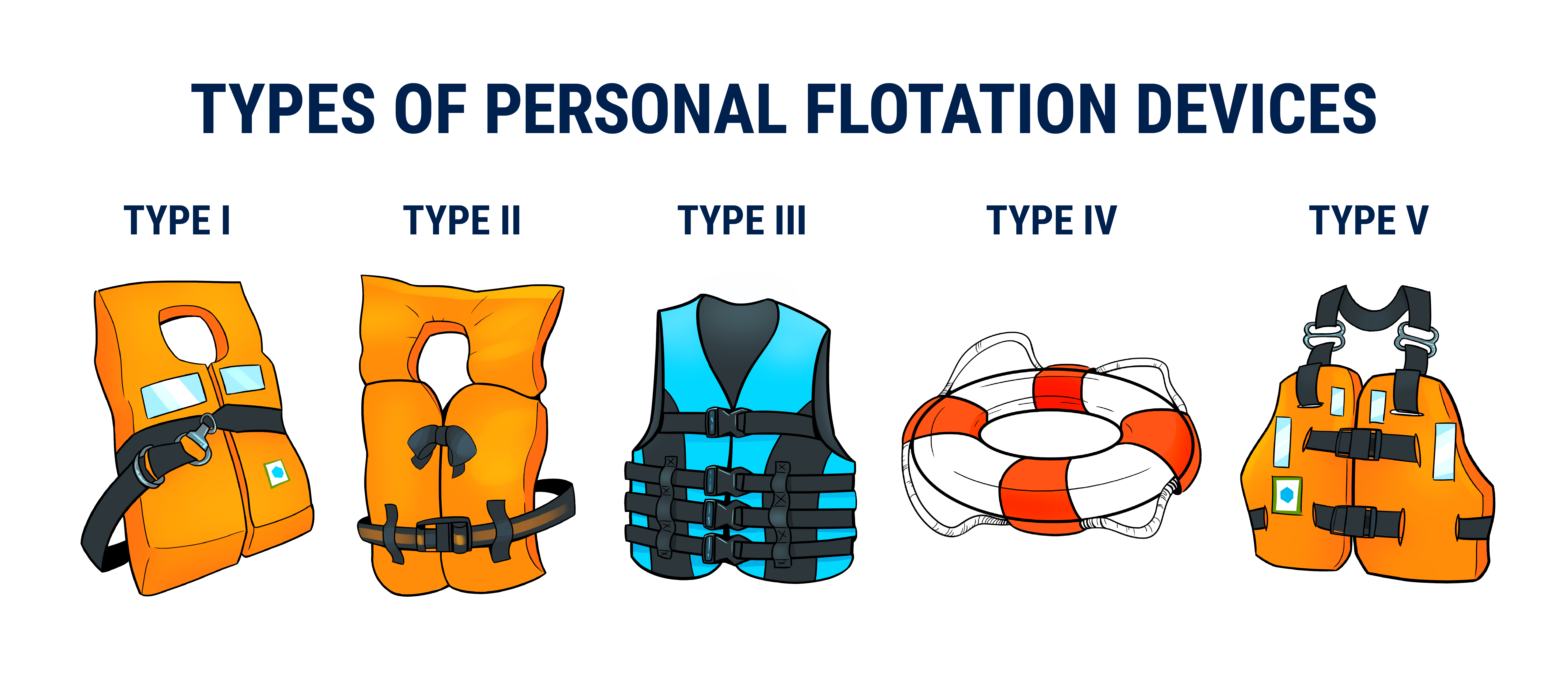
When shopping for a life jacket, you’ll quickly notice there are several types. Each is designed for different activities and water conditions. In the United States, the U.S. Coast Guard classifies life jackets (also called PFDs—personal flotation devices) into five main types. Not all are suitable for kayaking, so knowing the difference is important.
Type I: Offshore Life Jackets
Type I jackets are made for open, rough, or remote water where rescue may take a long time. They offer the most buoyancy (22 lbs for adults) and can turn an unconscious person face-up. However, they are bulky and uncomfortable for paddling. Most kayakers avoid these unless in very remote areas or ocean crossings.
Type Ii: Near-shore Buoyant Vests
Type II vests are for calm, inland water where quick rescue is likely. They provide less buoyancy (15.5 lbs for adults) than Type I and may not turn all users face-up. They’re lighter but still not very comfortable for kayaking because of their boxy shape.
Type Iii: Flotation Aids
Type III jackets are the most popular for kayaking. They are designed for continuous wear, offer freedom of movement, and have a comfortable fit. Most paddling jackets are Type III, with buoyancy similar to Type II (15.5 lbs for adults). They keep you afloat but do not guarantee face-up position if unconscious. However, their comfort and design make them the top choice for kayakers.
Type Iv: Throwable Devices
Type IV is not a wearable jacket but includes ring buoys or cushions. These are meant to be thrown to someone in trouble. They are not for kayaking use, as you need a wearable device.
Type V: Special-use Devices
Type V PFDs are for specific activities, like kayaking, windsurfing, or rescue. Some inflatable life jackets fall under this category. Type V devices must be used as specified on the label. Many advanced paddling vests are Type V, offering unique features for kayakers.
What Matters Most When Choosing A Life Jacket For Kayaking
Picking the right life jacket is more than just knowing the type. Several factors affect your comfort, safety, and paddling experience. Here are the most important things to consider:
1. Fit And Comfort
A life jacket should fit your body snugly but allow for free movement. For kayaking, you’ll spend hours paddling, so arm and shoulder mobility is key. Look for jackets with large armholes, adjustable straps, and soft materials. Try it on with your paddling clothes before buying.
2. Buoyancy
For most adults, a jacket with 15.5 lbs (7 kg) of buoyancy is enough. Heavier people or those carrying gear may need more. Children’s jackets are sized by weight. Remember, extra buoyancy can mean extra bulk—find the right balance.
3. Material And Construction
Most life jackets use nylon or neoprene for the outer shell. Nylon is lighter, dries faster, and is more affordable. Neoprene is softer and warmer, but heavier and more expensive. Inside, foam provides flotation. Look for strong stitching and solid zippers or buckles.
4. Design For Kayaking
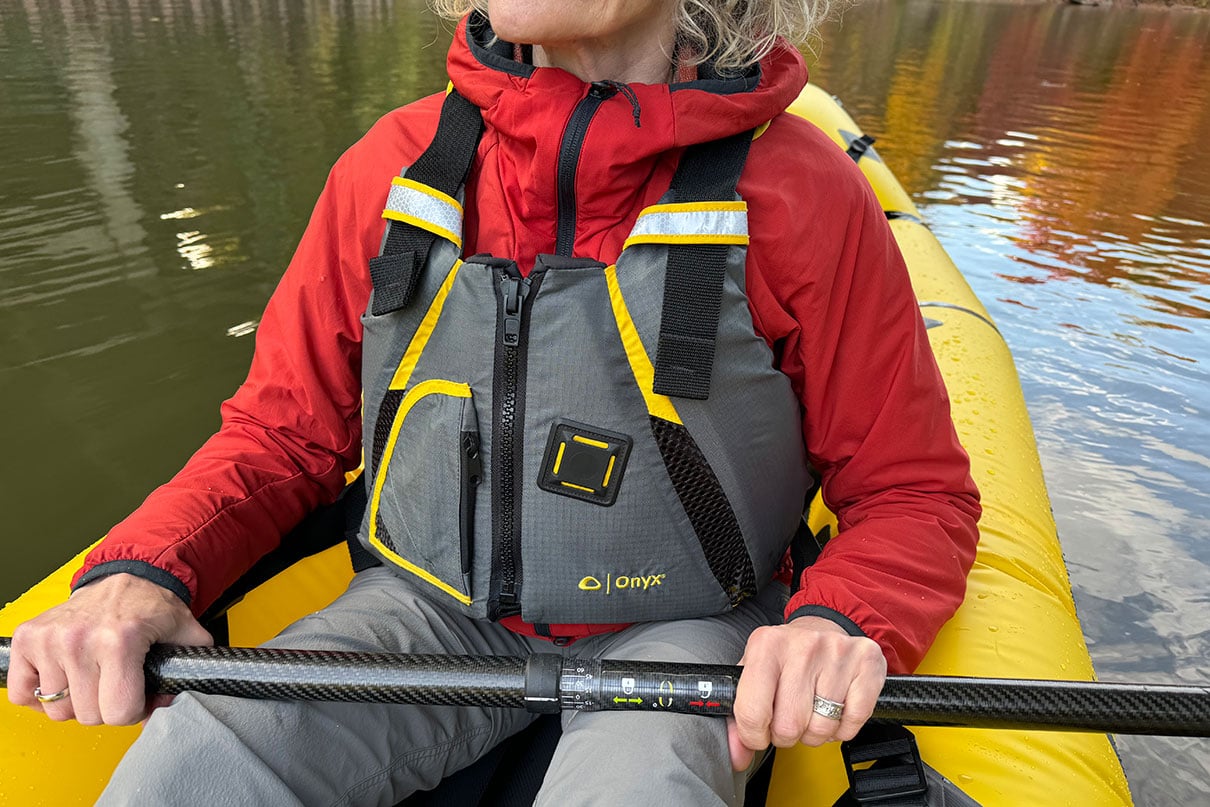
Kayaking PFDs often have a shorter cut to avoid riding up when sitting. Many include high backs, matching the seat of most kayaks. Extra features like pockets, lash tabs, and reflective tape are useful for carrying gear and being seen.
5. Safety Certifications
Always look for U.S. Coast Guard approval or the relevant authority in your country. This ensures the jacket meets safety standards. Avoid cheap, uncertified vests.
6. Adjustability
Multiple adjustment points (shoulders, sides, waist) help you get a custom fit. An ill-fitting jacket can slip or chafe, making it unsafe and uncomfortable.
7. Visibility
Bright colors and reflective strips increase your visibility to other boaters and rescuers. Avoid dark jackets for kayaking, especially in low-light conditions.
8. Intended Use
Some life jackets are made for fishing, whitewater, or touring. Each activity may need different features, like extra pockets, rescue harnesses, or more rugged materials.
9. Price And Value
Good kayaking life jackets range from $50 to $200. More expensive models offer better comfort, features, and durability, but even budget options can be safe if they fit and are approved.
Type Iii Vs. Type V: Which Is Best For Kayaking?
Type III and Type V are both common for kayakers, but which should you choose? Here’s a comparison to help you decide:
| Feature | Type III | Type V |
|---|---|---|
| Best for | Recreational kayaking, touring | Specialized kayaking, rescue |
| Comfort | Very high | High (varies by model) |
| Buoyancy | 15.5 lbs (adults) | Varies (often 15-22 lbs) |
| Face-up position | Not guaranteed | Not guaranteed |
| Features | Basic storage, good mobility | Advanced features (pockets, rescue harness, inflatables) |
| Price Range | $50–$150 | $80–$200+ |
Most recreational paddlers and beginners will be happy with a Type III. If you plan to kayak in rough water, do rescue work, or want specific features, a Type V might be better.
Features That Make A Life Jacket Ideal For Kayaking
Some features make a big difference when you’re paddling for hours. Here are the most useful ones to look for:
- High-back design: Sits above your kayak seat for comfort.
- Mesh lower back: Improves ventilation and fit.
- Large arm openings: Makes paddling easier.
- Multiple pockets: Store snacks, a whistle, or a phone (in a waterproof case).
- Attachment points: For knives, strobes, or a hydration bladder.
- Reflective accents: Boost safety in low light.
- Soft foam panels: Mold to your body for comfort.
- Quick-release buckles: Easy on and off.
- Drainage holes: Help the jacket dry faster.
Some high-end jackets offer a rescue harness or hydration sleeve for advanced paddlers. But for most, comfort, fit, and mobility matter most.

Credit: paddlingmag.com
Sizing And Fitting Your Kayak Life Jacket
Getting the right size is as important as choosing the type. Life jackets are usually sized by chest measurement (not weight, except for children). Here’s a quick guide:
| Chest Size (inches) | Suggested PFD Size |
|---|---|
| 28–32 | XS/S |
| 32–36 | M |
| 36–40 | L |
| 40–44 | XL |
| 44–48+ | XXL |
Fitting tips:
- Try the jacket on with your paddling gear.
- Fasten all straps and buckles, then adjust for a snug fit.
- Raise your arms and simulate paddling. The jacket should not ride up or chafe.
- Ask a friend to tug the shoulders upwards; it should not slip past your ears.
A poorly fitted jacket can be dangerous. Too loose, and it might slip off in the water. Too tight, and you won’t be able to move or breathe well.
Common Mistakes When Choosing A Kayak Life Jacket
Many beginners make mistakes that can reduce safety or comfort. Here are a few to watch out for:
- Choosing the cheapest option: Budget is important, but the lowest price may mean less comfort or poor fit.
- Ignoring fit: A jacket that doesn’t fit is almost useless, no matter the type.
- Picking a non-paddling PFD: Fishing or water ski vests often lack the mobility or cut needed for kayaking.
- Not checking approval: Always look for Coast Guard or national certification.
- Forgetting about pockets and features: You’ll appreciate pockets or a key clip when you’re on the water for hours.
- Choosing dark colors: Visibility can save your life, especially in busy waters or low light.
- Not testing before buying: Try on with your gear and move as if paddling.
Special Considerations For Kids And Pets
If you kayak with children or dogs, their safety is just as important. Use jackets designed specifically for their size and weight. Kids’ jackets often have head supports and grab handles. Dog PFDs have floatation under the belly and a handle on top for lifting your pet out of the water. Never use an adult jacket on a child or pet.
When To Replace Your Life Jacket
Even the best life jacket won’t last forever. Replace it if you notice:
- Torn fabric or broken straps
- Cracked or compressed foam
- Fading colors (can reduce visibility)
- Fails to float when tested
A well-cared-for PFD can last 5–10 years, but always check it before every trip.
Credit: www.ilearntoboat.com
Real-world Example: Choosing A Jacket For A Day Trip
Imagine you’re planning a day trip on a calm river. You’ll paddle for several hours and want to be comfortable, but also safe. In this case, a Type III jacket with a high-back, mesh panel, and bright color is the best choice. You might pick a model with two front pockets for snacks and a whistle, and reflective accents for extra safety. By trying it on with your paddling clothes and adjusting the fit, you’ll ensure hours of comfort and protection.
Useful Tips For Kayak Life Jacket Care
- Rinse with fresh water after every use, especially in salt water.
- Dry in the shade, not direct sun.
- Store in a cool, dry place.
- Check for damage regularly.
- Never use as a cushion or kneeling pad.
Taking care of your jacket means it will take care of you.
Credit: paddlingmag.com
Frequently Asked Questions
What Type Of Life Jacket Is Best For Recreational Kayaking?
For most recreational kayaking, a Type III PFD designed for paddling is the best choice. It offers comfort, freedom of movement, and enough buoyancy. Look for a model with a high-back and mesh panels for long-term comfort.
Can I Use An Inflatable Life Jacket For Kayaking?
Yes, some inflatable life jackets (usually Type V) are approved for kayaking. They are very comfortable and low-profile but require regular maintenance and must be worn at all times to meet regulations. Not all inflatables are suitable for rough water or non-swimmers.
How Do I Know If My Life Jacket Fits Correctly?
A good fit means the jacket is snug but not tight, allows full arm movement, and doesn’t ride up over your chin when pulled upward. Always adjust all straps and try moving as if paddling before heading out.
Is It Safe To Buy A Used Life Jacket?
Used life jackets can be safe if they are not damaged, compressed, or missing parts, and if they have a valid safety label. However, it’s hard to know the history, so new is usually better for guaranteed performance.
Are There Any Legal Requirements For Wearing A Life Jacket While Kayaking?
Yes, most countries require you to carry a Coast Guard-approved life jacket for each person on board. Some places require you to wear it at all times, especially for children. Check your local laws before kayaking. For more details, see the U.S. Coast Guard Boating Safety site.
Choosing the best life jacket for kayaking is an investment in both safety and enjoyment. By understanding the types, key features, and how to find the right fit, you’ll be ready for safe and comfortable adventures on the water—no matter where your kayak takes you.