
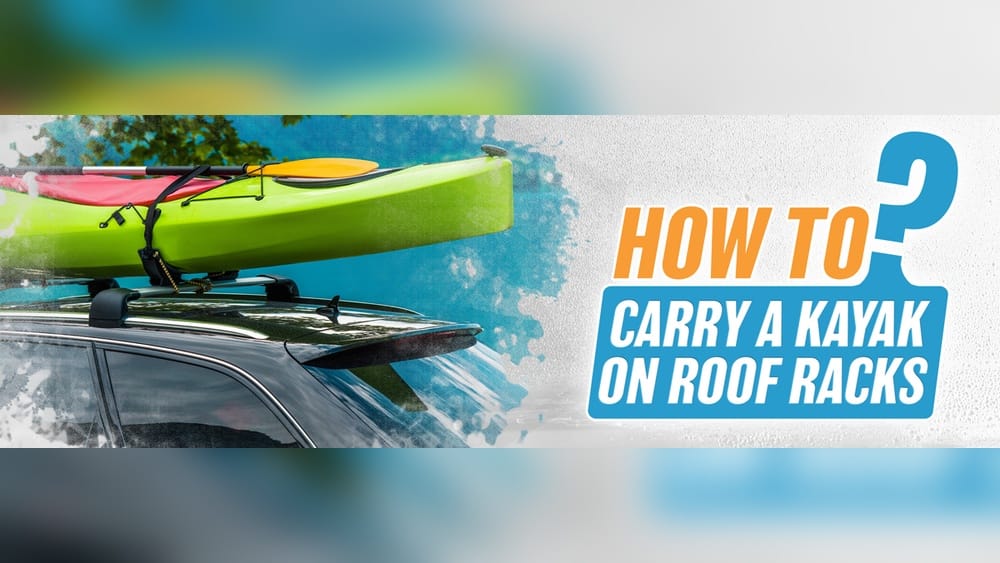
Can I Carry A Kayak On My Roof Rack
Bringing your kayak on a road trip opens a world of adventure. But before you load up, it’s natural to ask: Can I carry a kayak on my roof rack? The answer is yes—most cars can carry a kayak if you do it safely and use the right equipment. But there’s more to it than just strapping your boat on top. Mistakes can damage your car, your kayak, or even put others on the road at risk. This guide will walk you through everything you need to know, from choosing the right rack to loading techniques, legal rules, and tips even seasoned paddlers sometimes miss.
Is Your Car Ready For A Kayak Roof Load?
Not every car roof is made the same. Before you even buy a rack, check a few basics:
- Roof strength: Most cars can handle at least 75 kg (about 165 lbs) on the roof, but check your owner’s manual for the maximum roof load. This includes the rack, kayak, and any extras.
- Roof type: Do you have bare roof, side rails, or factory-installed crossbars? These affect which racks fit your vehicle.
- Kayak weight and size: Most kayaks range from 16-30 kg (35-65 lbs), but fishing kayaks or tandem models can be heavier. Measure your kayak’s length—most racks can handle boats up to 4 meters (13 feet), but longer boats need extra care.
Non-obvious tip: Don’t forget to check the *dynamic load* (when driving) and *static load* (when parked). Some roofs can handle more weight when parked, but less when moving.
Choosing The Right Roof Rack
There are many types of roof racks, and picking the right one is key for safe transport.
| Rack Type | Best For | Pros | Cons |
|---|---|---|---|
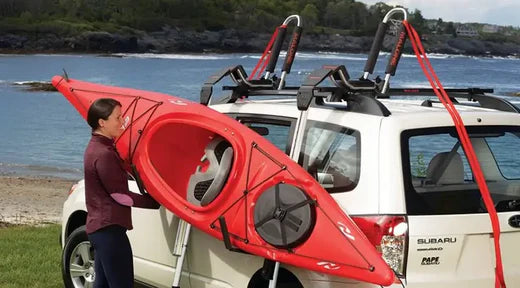
| J-Cradle | Most kayaks | Secure, saves space, easy to load | Can be tall to lift onto |
| Saddle | Wider kayaks | Stable, easy to tie down | Takes more roof space |
| Foam Blocks | Short trips, budget | Cheap, fits most cars | Less secure, can scratch paint |
| Stacker | Multiple kayaks | Carry up to 4 kayaks | Requires strong crossbars |
Expert insight: J-cradles are the most popular for single kayaks. If you want to carry two, go for stackers or two sets of J-cradles.

Credit: www.angleoar.com
How To Properly Load A Kayak On Your Roof Rack
Loading a kayak seems simple, but there’s a right way to do it for safety and to avoid damage.
Step-by-step Loading Process
- Set up the rack: Make sure all parts are tight and secure. Wobble the rack with your hands to check.
- Lift the kayak: Use two people for heavy or long kayaks. Lift from the handles or cockpit rim, not from the ends of the hull.
- Position the kayak: On J-cradles, the kayak sits on its side. On saddles, it sits flat. Center the kayak to balance weight.
- Tie down: Use cam straps, not bungee cords. Loop straps over the kayak and under the rack crossbars, pulling tight.
- Bow and stern lines: Always tie the front (bow) and back (stern) of the kayak to your car’s tow hooks or secure points. This stops movement during sudden stops or high wind.
- Check everything: Shake the kayak. It shouldn’t move. Tuck away loose straps to avoid flapping.
Common mistake: Skipping the bow and stern lines. Even experienced paddlers sometimes forget these, but they’re vital for highway driving.
Loading With Just One Person
It’s possible to load a kayak solo, but go slow:
- Use a towel or mat to protect your car’s paint.
- Place one end of the kayak on the rear of the car, lift the other end, and slide it up.
- Some racks come with load-assist rollers to make solo loading easier.
Legal And Safety Considerations
Carrying a kayak is usually legal, but there are rules you must follow:
- Overhang laws: In many places, your load cannot stick out more than 1 meter (about 3 feet) from the front or back of your car. If it does, you need a red flag or marker.
- Height limits: The total height (car + kayak) must stay below local road limits, often around 4 meters (13 feet).
- Visibility: Make sure your kayak does not block mirrors or windows.
- Insurance: Damage from poorly-secured loads may not be covered by your car insurance.
For official rules in your country, check your local transport authority. For the US, the Federal Highway Administration is a good resource.
Non-obvious insight: Some police may pull you over just for loose straps, even if the kayak looks secure. Always double-check before you drive.
Credit: www.outdoorplay.com
Tips To Protect Your Car And Kayak
Carrying a kayak the wrong way can scratch paint, dent your roof, or damage your boat. Here’s how to avoid common problems:
- Use foam pads or rack pads to prevent dents and scratches.
- Make sure straps do not go through door openings—this can cause leaks in rain.
- Don’t overtighten straps. This can crush the kayak hull, especially for plastic kayaks.
- For long road trips, stop every 100 km (about 60 miles) to check straps and adjust if needed.
- In hot weather, kayak plastic can soften. Avoid leaving a loaded kayak on the roof for hours in direct sun.
Can You Carry More Than One Kayak?
Yes, but you need the right rack and enough space. Most cars with wide racks can fit two kayaks using stackers or two sets of J-cradles. For three or four, use stackers and narrow kayaks, but check your car’s roof width and weight limit.
| Number of Kayaks | Recommended Rack | Car Type |
|---|---|---|
| 1 | J-cradle, saddle, foam blocks | Any |
| 2 | 2x J-cradles, stacker | Wagons, SUVs |
| 3-4 | Stacker | Large SUVs, vans |
Pro tip: When carrying more than one kayak, always put the heavier one closer to the center of the car. This keeps balance and makes driving safer.
Weather And Driving Considerations
A kayak on your roof changes how your car handles, especially in wind, rain, or at highway speeds.
- Wind: Crosswinds can push your car more than usual. Drive slower and grip the wheel firmly.
- Noise: Straps can vibrate and whistle. Twist the straps once to cut noise.
- Braking: Give yourself extra stopping distance. The extra weight and height change your car’s center of gravity.
- Fuel economy: Expect a drop of 10–20% in gas mileage due to wind resistance.
Unexpected insight: Some GPS apps misjudge your car’s height at underpasses. If you have a tall kayak, double-check clearance, especially in city parking garages.
What To Do If You Don’t Have A Roof Rack
If you don’t have a roof rack, you have a few options:
- Buy foam block kits that strap through the car doors. These are best for short trips and light kayaks.
- Rent or borrow a rack from outdoor stores or friends.
- Consider a trailer if carrying multiple heavy kayaks regularly.
Warning: Carrying a kayak without any rack or padding can easily dent your roof and is not recommended.

Credit: www.rei.com
How To Store And Maintain Roof Racks
After your trip, don’t forget about rack care:
- Remove the rack if you won’t use it for a while—this saves gas and protects the rack from weather.
- Clean racks and straps after saltwater trips to avoid rust.
- Check rubber pads and straps for cracks or wear every season.
Extra tip: Some rack brands offer replacement parts, so you don’t need a whole new rack if a pad or clamp wears out.
Frequently Asked Questions
Can I Carry A Kayak On Any Car Roof Rack?
Not all roof racks are made for kayaks. You need crossbars and kayak-specific carriers (J-cradles, saddles, etc. ). Factory racks on some cars are not strong enough, so always check the weight rating.
How Fast Can I Drive With A Kayak On My Roof?
Most experts suggest keeping below 100 km/h (62 mph). Wind resistance increases at higher speeds, which can loosen straps or damage the kayak. Go slower in strong wind or rain.
Do I Need Special Straps To Tie Down My Kayak?
Yes, use cam buckle straps made for roof racks. Avoid ratchet straps—they can crush the kayak if overtightened. Rope can work, but must be tied very securely.
Is It Safe To Leave My Kayak On The Roof Overnight?
It’s not recommended. Sun, rain, or thieves can damage or steal your kayak. If you must, park in a safe, shaded area, and lock both the kayak and rack.
What If My Kayak Is Longer Than My Car?
It’s common for kayaks to be longer than cars. As long as you follow overhang laws (usually less than 1 meter past the bumper) and use red flags or markers, it is legal and safe. Always check local rules.
Bringing your kayak on your next journey is easier than it might seem, as long as you take the right steps. With the right rack, proper loading technique, and a little care, you can safely explore waters far from home—without worrying about your gear or your car.
Safe paddling!