
Kayaking is a fun way to explore rivers, lakes, and even the sea. But if your kayak feels unstable, your adventure can quickly turn stressful. Many beginners worry about tipping over, especially in choppy water or when moving around. Stability is not just about feeling safe—it helps you paddle smoothly, fish, take photos, or just relax and enjoy the scenery.
Understanding how to make a kayak more stable is important for all skill levels. Whether you’re new to paddling or want to add extra safety for your family, the right adjustments can change your whole experience. This guide explains what affects kayak stability, practical ways to improve it, and how to pick the right gear for your needs.
You’ll also learn tips that even some experienced paddlers miss.
The Basics Of Kayak Stability
Before you can improve your kayak’s stability, it helps to know what makes a kayak stable or unstable in the first place.
There are two main types:
- Primary stability is how steady the kayak feels when sitting flat on calm water.
- Secondary stability is how well the kayak resists tipping when tilted or leaned to one side.
Some kayaks feel very stable when you get in but tip easily when you lean, while others feel tippy at first but are hard to roll over. Both types have their uses, but if you want more comfort and safety, primary stability is usually more important.
Several factors affect stability:
- Width (beam): Wider kayaks are generally more stable.
- Hull shape: Flat-bottomed hulls offer more stability than rounded or V-shaped hulls.
- Weight distribution: Where you and your gear are positioned matters.
- Water conditions: Waves and currents can reduce stability, even in stable kayaks.
Adjusting Your Sitting Position
Your position in the kayak has a big impact on how stable it feels. Many beginners make simple mistakes here.
- Sit Low: The lower your body is in the kayak, the more stable it becomes. If your seat is adjustable, set it to the lowest comfortable position.
- Center Your Weight: Keep your body and gear as close to the centerline as possible. Leaning to one side or sitting off-center makes the kayak tip.
- Keep Your Feet on the Footrests: Proper foot placement helps you control balance and react quickly if the kayak rocks.
- Relax Your Body: Tense muscles make you wobble more. Stay loose and let your hips move with the kayak.
Non-obvious insight: Many paddlers forget that sitting upright (not leaning back or slouching) keeps the center of gravity lower and more stable.

Credit: www.youtube.com
Modifying The Kayak Hull
If your kayak still feels unstable after adjusting your position, some changes to the kayak itself can help.
Adding Outriggers (stabilizers)
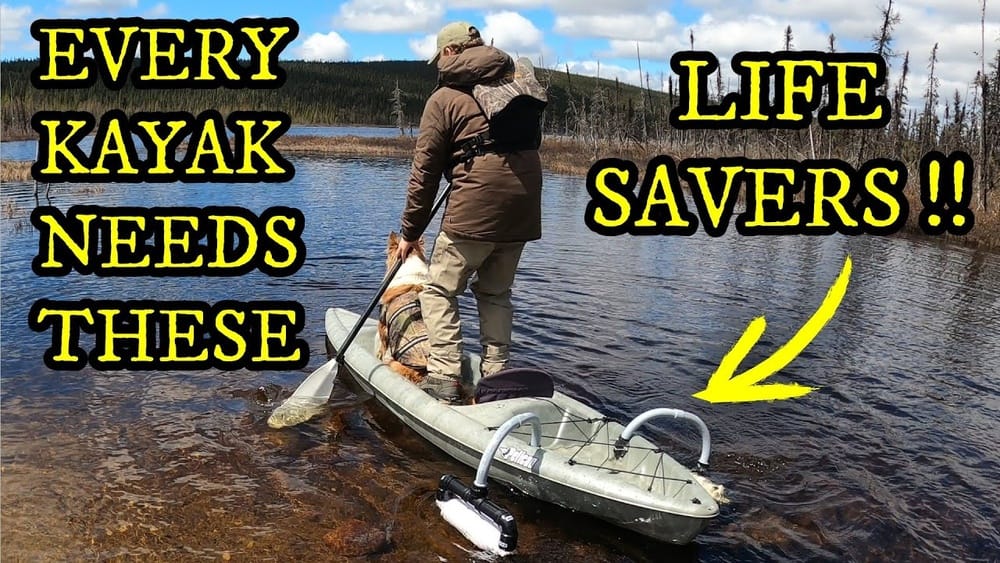
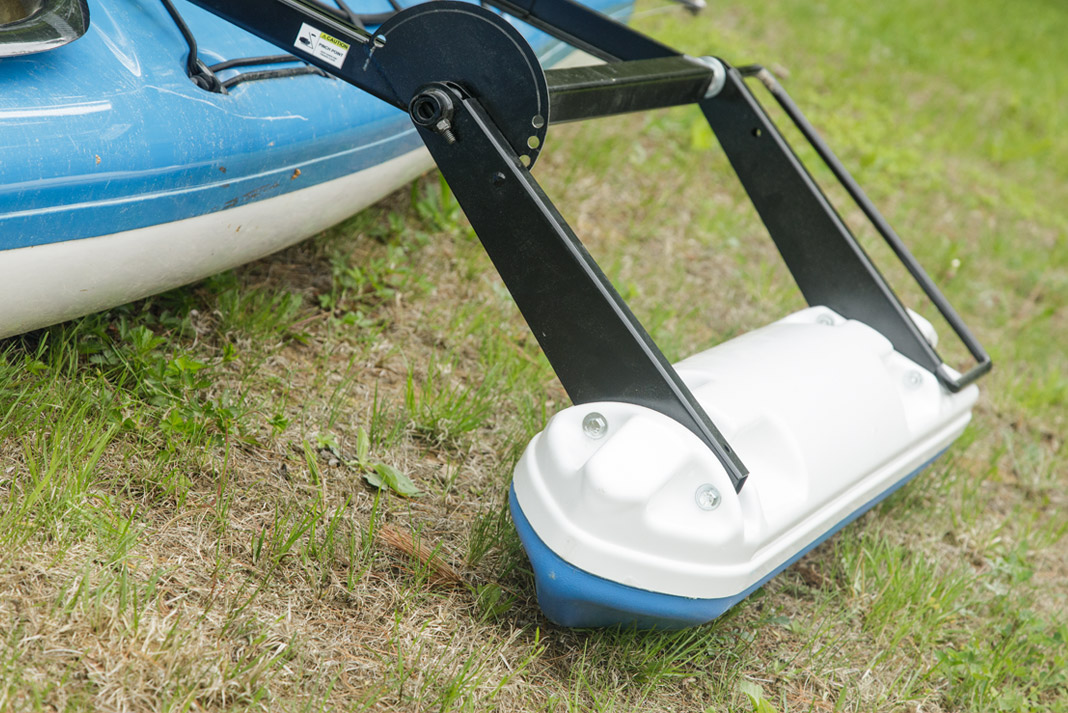
Outriggers are like small floats or arms attached to each side of your kayak. They dramatically increase stability and are perfect for beginners, kids, or activities like fishing.
- Pros: Easy to install, very effective, can be removed when not needed.
- Cons: Slightly slower paddling, harder to turn.
Widening The Hull
Some aftermarket kits let you add foam or inflatable pads to the sides or bottom of your kayak. These make the hull wider and flatter, increasing primary stability.
Changing The Seat
A lower seat reduces your center of gravity, as explained above. Some kayaks allow you to swap or adjust the seat for better comfort and stability.
Practical tip: Always check your kayak’s warranty before making permanent modifications.
Choosing The Right Paddle
A paddle that’s too long or heavy can make you feel off-balance. Here’s how to choose one that helps with stability:
- Correct Length: Shorter paddles are easier to control, especially in narrow kayaks.
- Lightweight Material: A lighter paddle reduces fatigue and wobbling.
- Proper Blade Size: Medium-size blades are best for most paddlers. Very large blades can catch water suddenly and cause you to lose balance.

Credit: wavewalk.com
Using Ballast For Stability
Adding weight (ballast) can actually make some kayaks more stable, especially if they are very lightweight.
- Where to Place Ballast: Put extra weight (like a dry bag filled with water or sand) in the center of the kayak, directly under your seat or in the storage compartment.
- How Much: Start small—3 to 5 kg (6-12 lbs) is usually enough for a solo kayak. Too much weight will make the kayak slow and hard to paddle.
- Secure the Ballast: Make sure it cannot roll or shift while you paddle.
Non-obvious insight: Ballast is especially useful for kayaks designed for children or very lightweight adults, where the boat might sit too high in the water.
Comparing Kayak Types For Stability
Some kayaks are naturally more stable than others. Here’s a quick look at how different designs affect stability:
| Kayak Type | Width | Primary Stability | Secondary Stability |
|---|---|---|---|
| Sit-on-top | Wide (75-85 cm) | High | Low |
| Touring | Medium (60-70 cm) | Medium | High |
| Recreational | Wide (70-85 cm) | High | Medium |
| Sea Kayak | Narrow (50-60 cm) | Low | Very High |
Wider, flat-bottomed kayaks are best for stability. Touring and sea kayaks are designed for speed and performance, not comfort in rough water for beginners.
Upgrading To A More Stable Kayak
Sometimes, making small changes is not enough. If you always feel nervous, it might be time to upgrade to a more stable model.
What To Look For
- Width: 70 cm (28 inches) or more for maximum stability.
- Hull Shape: Flat or pontoon-style hulls are best.
- Weight Capacity: Choose a kayak that easily supports your weight plus gear, with extra room to spare.
- Material: Heavier plastics (like polyethylene) add stability, but are less efficient for long trips.
Example Comparison
Here’s a quick look at two kayaks and how they compare for stability:
| Model | Width | Hull Shape | Max Capacity | Stability |
|---|---|---|---|---|
| Pelican Sentinel 100X | 76 cm | Flat | 136 kg | Very High |
| Perception JoyRide 10 | 74 cm | Pontoon | 150 kg | High |
Both these models are popular with beginners and people who want maximum stability for fishing, photography, or family trips.
Improving Technique For More Stability
Skill makes a big difference. Even the most stable kayak can tip if you paddle incorrectly. Here’s how to boost your confidence:
- Practice Entering and Exiting: Always keep your weight low and centered. Hold onto the dock or shore for extra support.
- Paddle with Smooth Strokes: Jerky or uneven strokes can rock the kayak. Move your paddle smoothly and evenly.
- Learn to Brace: A low or high brace technique lets you use your paddle to stop the kayak from tipping. Many online videos and local instructors can teach you this.
- Avoid Sudden Movements: Shifting your weight quickly is the fastest way to tip over.
- Look Where You Want to Go: Your body will naturally follow your eyes—this helps you stay balanced.
Practical tip: Practicing stability drills in calm water is the fastest way to build confidence.
Using Accessories For Extra Safety
There are several accessories that can give you a little more peace of mind:
- Kayak Skirts: These keep water out and help the boat float higher, adding stability in waves.
- Grab Handles or Deck Lines: Useful for holding on during entry or if you need to stabilize yourself.
- Seat Cushions: Some are specially designed to lower your seating position, which improves stability.
Common mistake: Overloading with too many accessories can actually make your kayak feel cramped and less stable. Choose only what you really need.
Understanding Water Conditions
Even the best kayak can feel unstable in rough water. Here’s how to adjust:
- Avoid Strong Currents: Stick to sheltered areas until you’re more skilled.
- Watch for Wind: Strong winds can push your kayak sideways, making it harder to balance.
- Stay Clear of Boat Traffic: Waves from passing boats can tip you unexpectedly.
Always check the weather and water forecast before paddling. If in doubt, wait for calmer conditions.
Kayak Stability: Myths And Misconceptions
Many people believe myths about kayak stability. Here’s what you should know:
- Myth: “Longer kayaks are always more stable.” In fact, length mainly affects speed, not stability.
- Myth: “Adding any weight helps.” Only well-placed ballast adds stability—random heavy gear can make things worse.
- Myth: “Sea kayaks are safer for big water.” They are designed for skilled paddlers and can be tippier for beginners.
It’s better to base your choices on facts and real-world experience, not sales pitches.
Maintenance Tips For Consistent Stability
Keeping your kayak in good shape makes a big difference:
- Check for Leaks: Water inside the hull makes kayaks unstable and hard to control.
- Clean the Hull: Algae, mud, or dirt can affect how the kayak sits in the water.
- Inspect Fittings: Loose seats, foot pegs, or accessories can shift your weight unexpectedly.
A quick check before every trip prevents unpleasant surprises on the water.
When To Seek Professional Training
If you’ve tried all these tips but still feel nervous, a few hours with a certified kayak instructor can help. They can spot issues with your posture, paddle technique, or equipment that you might not notice yourself. Local kayak clubs often offer beginner lessons, which is also a great way to meet other paddlers.
For more advanced technical advice, resources like the Wikipedia Kayak page cover detailed hull design and safety concepts.
Frequently Asked Questions
Why Does My Kayak Feel Tippy Even On Flat Water?
A kayak can feel tippy if your seat is too high, you’re not centered, or the hull is designed for speed rather than stability. Make sure your weight is centered and try lowering your seat if possible.
How Can I Make A Sit-in Kayak More Stable?
Adding outriggers, using ballast, and making sure your seat is as low as possible will help. Practicing your technique in calm water also builds confidence and balance.
Do Inflatable Kayaks Offer Good Stability?
Most inflatable kayaks are wider and have flat bottoms, so they are usually very stable on calm water. However, they may not perform as well in windy or rough conditions.
Is It Safe To Add Weight For Stability?
Yes, but only if you add ballast in the center and keep the total weight below the kayak’s maximum capacity. Secure the weight so it does not move around.
Are There Kayaks Designed Just For Stability?
Yes, recreational and fishing kayaks are built with stability in mind. Look for models that are wide, have flat or pontoon hulls, and high weight capacity.
Making your kayak more stable is not just about adding gear—it’s about understanding your boat, your body, and the water around you. Small changes in seating, technique, and equipment can add a lot of comfort and safety to your paddling trips.
With practice and the right choices, you’ll spend less time worrying and more time enjoying the water.
Credit: paddlingmag.com