
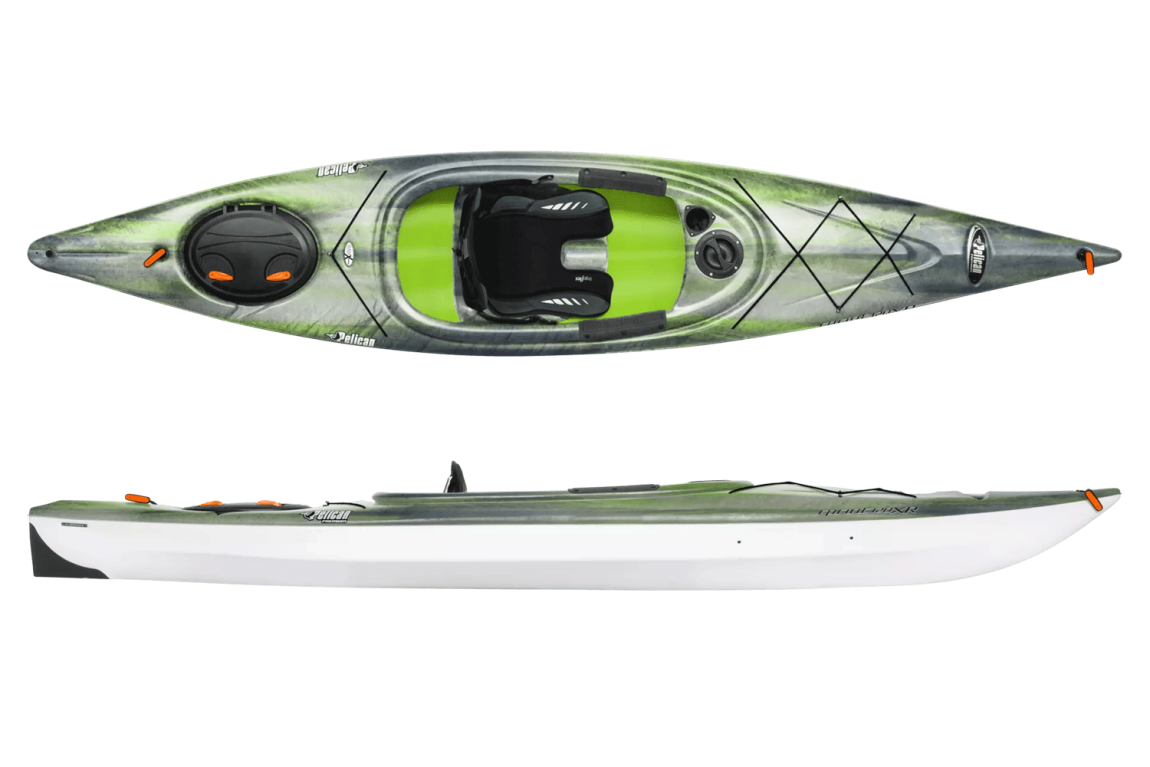
Pelican Kayaks have become a favorite choice among paddlers, whether they are beginners or seasoned adventurers. Their reputation for durability, affordability, and easy handling has made them a common sight on lakes and rivers. But one question often comes up: Where are Pelican Kayaks made? The answer involves more than just a location—it’s a story of North American manufacturing, innovation, and a unique approach to kayak production.
The Origins Of Pelican Kayaks
The Pelican International brand began its journey in 1968 in Canada. From the start, the company focused on making water sports accessible to everyone, not just the elite. Over the decades, Pelican has built a legacy of producing reliable, budget-friendly kayaks, canoes, pedal boats, and stand-up paddleboards.
Unlike many competitors, Pelican chose to keep its manufacturing close to home. While many outdoor brands shifted production overseas, Pelican maintained most of its operations in North America. This decision has shaped the quality, availability, and reputation of their products.
Main Manufacturing Locations
Laval, Quebec, Canada
The heart of Pelican’s manufacturing is in Laval, a city near Montreal in the province of Quebec, Canada. This is where the company’s main factory and headquarters are based. The Laval facility is one of the largest kayak production plants in the world, covering more than 500,000 square feet.
Here, Pelican uses advanced technology like thermoforming to produce most of its kayaks. This process uses heat and pressure to shape sheets of high-density polyethylene (HDPE) into lightweight, impact-resistant kayaks. The Laval factory handles:
- Kayak hull and deck production
- Assembly and quality control
- Research and development
Laval is also where Pelican’s engineering team tests new designs and materials, ensuring every kayak meets strict standards.
Pelican’s U.s. Presence
While the bulk of manufacturing happens in Canada, Pelican also has a presence in the United States. In 2019, Pelican International acquired Confluence Outdoor, a major kayak company based in Greenville, South Carolina. The acquisition included several well-known brands and factories in the U.S.
Today, some Pelican kayaks—especially those sold under the Perception and Wilderness Systems names—are made in the Greenville plant. However, classic Pelican-branded kayaks are still mostly made in Canada.
Comparison Of Key Pelican Facilities
Here’s a quick look at the main locations where Pelican kayaks are produced:
| Location | Country | Main Products | Production Method |
|---|---|---|---|
| Laval, Quebec | Canada | Pelican Kayaks, Canoes | Thermoforming (HDPE) |
| Greenville, South Carolina | USA | Perception, Wilderness Systems | Rotomolding, Thermoforming |
Credit: www.manchester-canoes-and-kayaks.co.uk
The Pelican Manufacturing Process
Pelican’s production process is a key reason for its success. The company uses a technique called RAM-X thermoforming, which gives their kayaks a unique balance of strength and weight.
Step-by-step: How A Pelican Kayak Is Made
- High-density polyethylene (HDPE) plastic pellets are melted and formed into large sheets.
- These sheets are heated and placed into molds to form the kayak’s hull and deck.
- After cooling, the formed plastic is trimmed and quality-checked for strength and finish.
- The hull and deck are fused together, creating a seamless, watertight shell.
- Seats, footrests, handles, and other accessories are installed.
- Each kayak goes through a final inspection before packaging and shipping.
This process is faster and more affordable than traditional rotomolding, which is why Pelican kayaks are often less expensive than competitors.
What Makes Pelican’s Process Unique?
Two major factors set Pelican apart:
- RAM-X Technology: This is Pelican’s proprietary material, designed to flex under impact and return to shape. It’s highly resistant to cracks and punctures.
- Automated Production: Pelican’s factories use robotics and computer-controlled machines to ensure consistency and reduce human error.
These innovations allow Pelican to produce thousands of kayaks each week without sacrificing quality.
Why Pelican Kayaks Are Not Made Overseas
Many outdoor brands moved production to Asia to cut costs, but Pelican stayed in North America. There are several reasons for this:
- Quality Control: By keeping manufacturing close, Pelican can monitor every step and quickly fix problems.
- Faster Shipping: North American factories allow for quicker delivery to U.S. and Canadian customers.
- Environmental Regulations: Canadian laws require responsible waste handling and recycling, making Pelican’s operations more eco-friendly.
- Job Creation: Pelican supports local jobs and communities in Canada and the U.S.
One less obvious insight: Pelican’s decision to stay local is not just about patriotism. It’s also about controlling the supply chain. By sourcing materials and making kayaks nearby, Pelican avoids delays, shortages, and quality drops often seen with overseas manufacturing.
Impact Of North American Production
Making kayaks in North America affects more than just the price tag.
Consistency And Reliability
When you buy a Pelican kayak, you can expect similar quality every time. The automated plants in Laval and Greenville maintain strict tolerances. This means fewer defects and a lower chance of getting a “bad” boat.
Shorter Lead Times
Because Pelican doesn’t rely on long ocean shipping routes, kayaks reach stores faster. This was especially important during the COVID-19 pandemic, when many brands faced delays but Pelican managed to keep shelves stocked.
Environmental Responsibility
Pelican recycles nearly all waste plastic from its factories. The company has won awards for its energy-saving processes and sustainable practices. This focus on environmental care is easier to manage in Canada and the U. S. , where laws are strict.
How To Tell Where Your Pelican Kayak Was Made
If you own a Pelican kayak or plan to buy one, you might want to check its origin. Here’s how:
- Hull Identification Number (HIN): Every Pelican kayak has a 12-digit code on the hull. The first three letters (e.g., ZEP) identify the manufacturer.
- Made in Canada/USA label: Most Pelican kayaks have a sticker or molded marking stating where they were made.
- Model Number: Some models are exclusive to North America, while others (especially after the Confluence Outdoor merger) might be assembled in the U.S.
For those buying second-hand, checking these details helps avoid confusion with counterfeit or imported boats.
Pelican’s Expansion And Global Reach
Although Pelican kayaks are made in North America, the brand is sold worldwide. Their presence can be seen in:
- Sporting goods stores like Dick’s Sporting Goods and Canadian Tire
- Online retailers such as Amazon and Walmart
- Specialty paddle shops in Europe, Australia, and beyond
Pelican’s Laval factory exports kayaks to over 50 countries. However, the company does not license production to overseas factories. All genuine Pelican kayaks come from Canada or, in rare cases, the U. S.
Comparing Pelican To Other Kayak Brands
It’s useful to see how Pelican’s approach stacks up against other popular brands. Consider the following:
| Brand | Manufacturing Location | Main Material | Typical Price Range |
|---|---|---|---|
| Pelican | Canada, USA | HDPE (RAM-X) | $200–$800 |
| Sun Dolphin | USA | High-density Polyethylene | $250–$600 |
| Lifetime | USA, China | Blow-molded Polyethylene | $200–$500 |
| Old Town | USA | Rotomolded Polyethylene | $700–$2000 |
This comparison shows that Pelican stands out by keeping prices low without moving production overseas.
Credit: www.gemefindustries.com
Common Myths About Pelican Kayak Manufacturing
With so much information online, some myths have grown around Pelican’s production:
- Myth: All Pelican kayaks are made in China.
- Truth: They are made in Canada or the U.S.; none are produced in China.
- Myth: Pelican kayaks are low quality because they’re cheap.
- Truth: The RAM-X process keeps costs down, but quality remains high.
- Myth: Pelican is a small company.
- Truth: Pelican is one of the world’s largest kayak makers, producing hundreds of thousands of boats yearly.
Many buyers miss that Pelican’s affordability comes from manufacturing innovation, not from cutting corners or outsourcing.
How Pelican’s Manufacturing Benefits The Consumer
When you choose a Pelican kayak, you get several benefits tied directly to their North American production:
- Consistent Quality: Automated checks mean fewer surprises.
- Fast Warranty Service: Issues are handled quickly, with less wait time for replacement parts or repairs.
- Customer Support in Your Time Zone: If you’re in North America, you can speak to someone during local business hours.
- Support for Local Jobs: Your purchase helps maintain jobs in Canada and the U.S.
A less obvious advantage: Pelican’s commitment to local production gives them more flexibility to update models, add features, or respond to customer feedback quickly.
The Future Of Pelican Kayak Production
As outdoor sports grow, Pelican continues to invest in its factories. The Laval plant has seen expansions in automation, energy efficiency, and recycling systems. The company is exploring new materials and hybrid designs to stay ahead.
Recent trends suggest more brands may bring production back to North America. Pelican’s long-standing strategy gives it a strong position as both an innovator and a reliable choice for paddlers.
For those who want to dig deeper into Pelican’s story, the Pelican International Wikipedia page has more history and context.
Frequently Asked Questions
Where Are Pelican Kayaks Actually Made?
Most Pelican kayaks are made in Laval, Quebec, Canada. Some models, especially those under other brand names, are produced in Greenville, South Carolina, USA after Pelican acquired Confluence Outdoor.
Are Any Pelican Kayaks Made In China Or Other Asian Countries?
No, Pelican does not manufacture kayaks in China or Asia. All genuine Pelican kayaks are made in North America.
How Can I Check Where My Pelican Kayak Was Made?
Look for a label or marking on the kayak’s hull, usually near the stern or cockpit. You can also check the Hull Identification Number (HIN), which gives information about the manufacturer and factory.
Does North American Production Make Pelican Kayaks Better?
North American production means stricter quality control, faster customer support, and environmentally responsible practices. Many paddlers trust Pelican for these reasons.
Has Pelican Changed Its Manufacturing Since Acquiring Confluence Outdoor?
After the Confluence Outdoor acquisition, Pelican expanded its U.S. presence. Some kayaks sold under brands like Perception may come from South Carolina, but classic Pelican-branded models are still mainly made in Canada.
Pelican Kayaks’ commitment to North American manufacturing is a big reason for their popularity. Paddlers can be confident they’re buying a product built with care, backed by decades of experience, and made close to home.

Credit: forums.paddling.com