
Kayaking is more than just a sport—it’s a way to explore nature, exercise, and find peace on the water. But many people ask, “How dangerous is kayaking? ” The answer isn’t simple. For some, kayaking is a relaxing paddle across a calm lake.
For others, it means battling whitewater rapids. The truth is, kayaking has risks, but knowing these dangers can help you stay safe and enjoy every trip. Understanding what makes kayaking dangerous, common mistakes, and ways to protect yourself is key for both beginners and experienced paddlers.
What Makes Kayaking Dangerous?
Kayaking can be dangerous because of several factors. The risks change based on where you paddle, your skill level, your gear, and the weather. Here are some main reasons why kayaking can be risky:
- Unpredictable Water Conditions: Rivers, lakes, and oceans can change quickly. Calm water can turn rough without warning. Strong currents, sudden waves, or hidden rocks can surprise even skilled kayakers.
- Weather Changes: A sunny day can become stormy fast. Wind, rain, and lightning are serious threats on open water. Cold temperatures make things worse, as hypothermia can set in quickly if you fall in.
- Capsizing: This is one of the most common risks. If your kayak flips, you may end up in cold water far from shore. Getting back in can be hard, especially if you panic or don’t know the right technique.
- Inexperience: Many accidents happen because people overestimate their abilities. Not knowing how to paddle, steer, or rescue yourself increases danger.
- Lack of Safety Gear: Not wearing a life jacket or helmet is a big mistake. These items are your main protection against drowning and injury.
- Isolation: Kayaking often happens in remote places. If you get hurt or lost, help may be far away.
Non-obvious insight: Many beginners think “flat water” is always safe, but wind can turn even a small lake into a dangerous place. Never ignore wind speed and direction.
Types Of Kayaking And Their Risks
Different types of kayaking come with different dangers. Understanding each helps you prepare better.
Recreational Kayaking
This is usually done on calm lakes or gentle rivers. Risks are lower, but not zero. Sudden weather changes or getting stuck far from shore are main worries. Many people skip safety training for recreational kayaking, but accidents still happen.
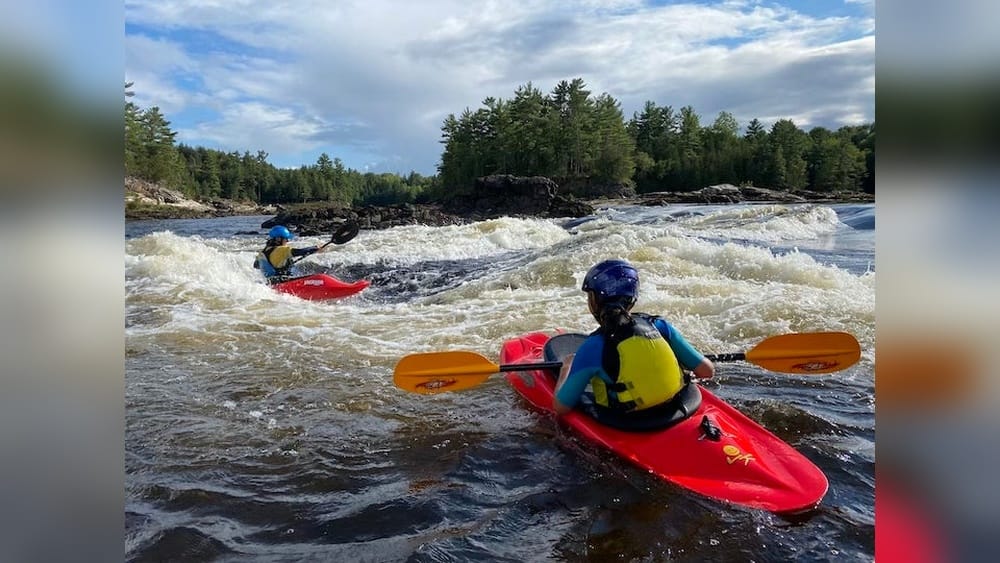
Whitewater Kayaking
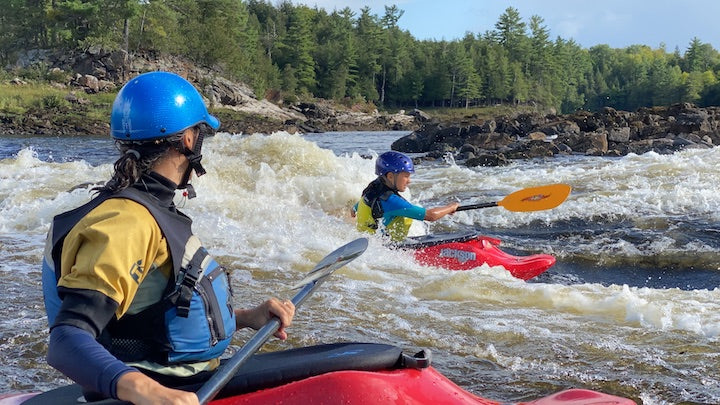
This type involves moving through rapids and strong currents. Risks include hitting rocks, getting trapped, or capsizing in fast-moving water. Even skilled kayakers sometimes get injured.
Sea Or Ocean Kayaking
Here, paddlers face strong waves, tides, and even marine life. Getting lost is a real risk, especially if fog or storms roll in. Saltwater can also damage gear if not cleaned properly.
Kayak Fishing
Combining fishing and kayaking adds risks. Anglers often lean over the side to grab fish, which can cause capsizing. Fishing gear can also tangle or snag, making rescue harder.
Non-obvious insight: Some accidents happen when paddlers underestimate “Class I or II” rivers, thinking they are always safe. But even low-level rapids can be deadly if you’re unprepared.
Common Kayaking Accidents And Injuries
Knowing what can go wrong helps you avoid trouble. Here are some of the most frequent kayak accidents and injuries:
- Capsizing: Most common, especially for beginners. Can lead to drowning if you’re not wearing a life jacket.
- Hypothermia: Happens when you fall into cold water. Body temperature drops quickly, making it hard to swim or call for help.
- Entrapment: Getting stuck in rocks, branches, or your own kayak. This is more likely in whitewater.
- Overuse Injuries: Shoulder, wrist, and back pain from paddling incorrectly or for too long.
- Collisions: Hitting other boats, rocks, or docks—often due to poor visibility or control.
- Sunburn and Dehydration: Spending hours on the water with no shade can cause serious burns or heat illness.
quick Data Comparison: Main Causes Of Kayaking Accidents
| Cause | Percentage of Accidents | Typical Severity |
|---|---|---|
| Capsizing | 42% | Moderate to Severe |
| Weather/Water Changes | 25% | Severe |
| Collisions | 18% | Mild to Moderate |
| Entrapment | 10% | Severe |
| Other | 5% | Varies |
Kayaking Accident Statistics
Looking at real numbers helps you see the risks. Data from the U.S. Coast Guard shows:
- In 2022, there were over 110 kayak-related accidents in the U.S.
- Over 60% of kayak deaths involved people not wearing life jackets.
- About half of fatal accidents involved alcohol or drugs.
- Most kayak deaths happened in calm water under good weather. Many victims didn’t expect trouble.
A deeper look shows that experienced paddlers have fewer accidents. Most injuries happen to those who are new or paddle only a few times per year.
Comparing Kayaking To Other Outdoor Activities
How does kayaking stack up against other sports? Some people think kayaking is very dangerous, but let’s compare it to other activities.
| Activity | Annual Fatalities (U.S.) | Main Risks |
|---|---|---|
| Kayaking | 70-90 | Drowning, hypothermia |
| Swimming | 3,600+ | Drowning |
| Hiking | 50-100 | Falls, exposure |
| Biking | 800-900 | Collisions, falls |
Kayaking is less risky than swimming or biking, but it’s not risk-free. Most dangers come from not being prepared.
Factors That Increase Kayaking Danger
Not all kayaking trips have the same level of risk. Several things can make kayaking more dangerous:
- Cold Water: Even in warm air, water can be icy. Falling in can cause shock and hypothermia quickly.
- Alcohol or Drugs: These affect your balance and judgment, making accidents more likely.
- Paddling Alone: If you get in trouble, there’s no one to help.
- Night Kayaking: Low visibility makes it hard to see dangers or get help.
- Poor Equipment: Cheap or damaged kayaks and paddles can break or leak.
Example: In 2021, a group paddling on a calm river ignored the cold water temperature. When one kayak flipped, the paddler couldn’t swim back because of cold shock, even though the air was warm.

Credit: www.youtube.com
How To Reduce Kayaking Dangers
Most kayaking dangers can be managed. Here’s what you can do to stay safe:
Wear A Life Jacket
Always wear a properly fitted life jacket. It keeps you afloat if you capsize or get tired. Choose a design made for kayaking, not just any swimming vest.
Check Weather And Water Conditions
Before you go, check the forecast and water levels. Cancel your trip if storms, strong winds, or floods are likely.
Learn Basic Skills
Take a short kayaking course. Learn how to paddle, steer, and rescue yourself. Practice getting back in your kayak after capsizing.
Never Paddle Alone
Go with a group, or at least tell someone your plan. Carry a whistle or waterproof phone in case of emergency.
Use The Right Gear
Wear suitable clothing, especially in cold water. Bring extra layers, sunblock, and plenty of water. Make sure your kayak and paddle are in good shape.
Know Your Limits
Don’t try difficult rivers or oceans before you’re ready. Stick to calm water until you gain confidence.
Stay Visible
Bright clothing, reflective tape, and kayak flags help other boats see you. This is especially important in busy or low-light areas.
Avoid Alcohol
Stay sober while on the water. Many accidents happen when people drink while paddling.
quick Safety Gear Comparison
| Essential Gear | Why It Matters |
|---|---|
| Life Jacket | Prevents drowning |
| Helmet (for rapids) | Protects against head injury |
| Whistle | Signals for help |
| Paddle Leash | Keeps paddle with kayak |
| Dry Bag | Keeps valuables safe |
Common Mistakes Beginners Make
Even simple errors can turn a fun trip into a dangerous one. Here are some mistakes to avoid:
- Skipping Safety Training: Many new paddlers think kayaking is easy. Without learning basic rescue and paddling techniques, you’re more likely to panic or get hurt.
- Ignoring Weather Reports: Some people only check air temperature, not wind or water conditions. A sunny day can still be dangerous if wind makes waves.
- Not Wearing a Life Jacket: Some think they can swim well enough, but cold water can quickly sap strength.
- Bringing the Wrong Gear: Wearing cotton, for example, makes you colder when wet. Always choose quick-drying, synthetic clothing.
- Paddling Alone: Solo trips are risky, especially for beginners.
- Overloading the Kayak: Too much gear makes kayaks unstable and harder to paddle.
Non-obvious insight: Beginners often forget to check for river hazards like fallen trees or low bridges, which can trap or flip a kayak.

Credit: www.patriotledger.com
Real Stories: Lessons From Kayaking Accidents
Stories help us learn from others’ mistakes. Here are two real examples:
Story 1: A group of friends decided to kayak after a summer picnic. The lake looked calm, so they left their life jackets in the car. When a sudden storm hit, strong winds flipped two kayaks. One person struggled to swim and nearly drowned before being rescued by a boater. The lesson: wear your life jacket, even on calm days.
Story 2: An experienced paddler wanted to try a new river section alone. He didn’t tell anyone his plan. After getting trapped by a fallen branch, he was stuck for hours before hikers heard his calls. If he had told someone or gone with a group, rescue would have come sooner.
How To Make Kayaking Safer For Everyone
Kayaking can be safe if you treat it with respect. Here are some final tips:
- Take a safety course before your first trip.
- Join a local kayaking club to meet experienced paddlers.
- Practice rescue techniques in a controlled setting.
- Carry a small first-aid kit in your kayak.
- Respect the water—never underestimate its power.
For more official safety advice, you can visit the American Whitewater Association.
Kayaking is not risk-free, but with the right preparation and attitude, it can be a safe and rewarding adventure.
Credit: www.aquabound.com
Frequently Asked Questions
Is Kayaking Dangerous For Beginners?
Kayaking can be safe for beginners if you choose calm water, wear a life jacket, and go with experienced paddlers. Most beginner accidents happen due to lack of training or ignoring safety advice.
What Should I Do If My Kayak Flips?
First, stay calm and hold on to your kayak and paddle. Try to get back in using a self-rescue technique, or swim your kayak to shore. Practice re-entry before going on longer trips.
Can You Kayak If You Can’t Swim?
It’s possible, but not recommended. If you can’t swim, always wear a life jacket and stay close to shore. Taking swimming lessons increases your safety.
What Weather Is Unsafe For Kayaking?
Avoid kayaking in strong winds, storms, or when lightning is possible. Cold water and fast-moving currents are also risky, especially for beginners.
How Often Do Kayakers Die?
Kayaking deaths are rare compared to other sports, but they do happen—mainly to those not wearing life jackets or paddling in unsafe conditions. Most trips end safely if you follow basic safety rules.