
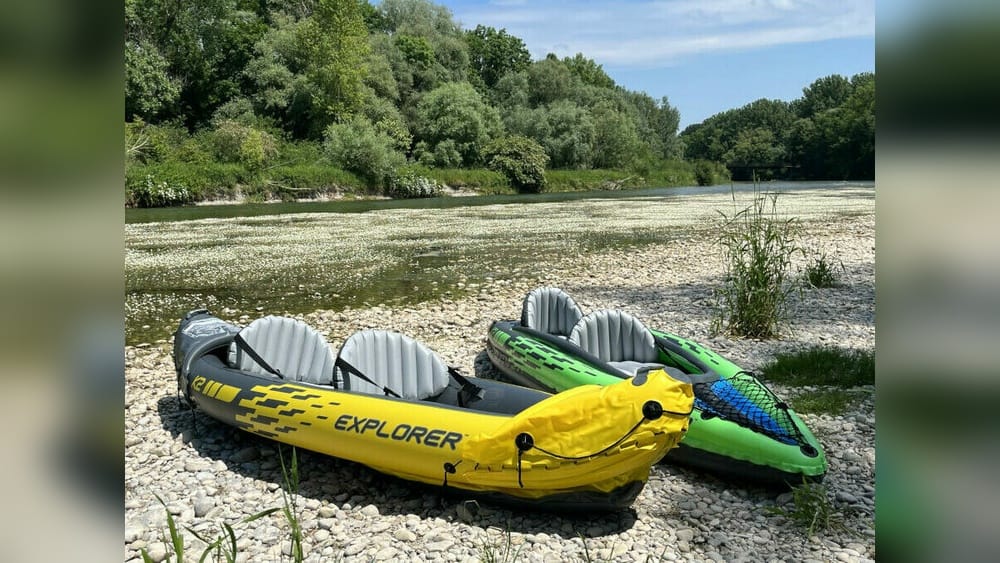
Kayaking offers a unique way to explore nature, exercise, and enjoy time with friends or family. For many beginners and casual paddlers, inflatable kayaks have become a popular choice due to their portability, affordability, and ease of use. Among the top contenders in the market, the Intex Challenger K2 and the Intex Explorer K2 are two models that often draw comparison. Both are two-person inflatable kayaks, but they have different features, strengths, and limitations. If you’re trying to decide which one suits your needs best, this detailed guide will help you understand their differences, similarities, and the practical implications for your paddling adventures.
Understanding The Basics: What Are The Challenger K2 And Explorer K2?
Both the Challenger K2 and Explorer K2 are inflatable kayaks designed by Intex, a company known for its recreational water products. They are intended for lakes and gentle rivers, making them popular among families, beginners, and occasional paddlers. Although these kayaks share some similarities, their designs serve slightly different purposes.
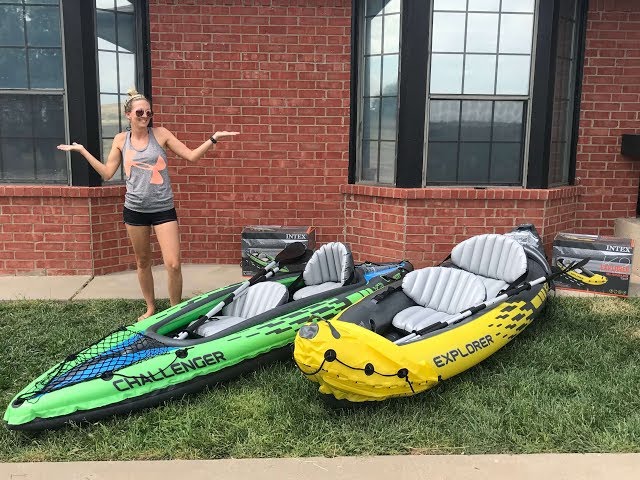
The Challenger K2 is known for its sporty look, streamlined shape, and emphasis on tracking and speed. In contrast, the Explorer K2 is designed with comfort and stability in mind, featuring a wider body and bright colors for visibility. Both models are affordable, lightweight, and can be packed into a car trunk, but the experience on the water can feel quite different.
Design And Build Quality
Shape And Dimensions
The first difference you’ll notice is in the shape and size of each kayak. The Challenger K2 has a narrower, more streamlined profile, which helps it cut through water more efficiently. It measures about 11.5 feet (351 cm) long and 2.5 feet (76 cm) wide. The Explorer K2 is slightly shorter at 10.3 feet (312 cm), but significantly wider at 3 feet (91 cm).
This difference in size impacts how each kayak handles. The Challenger’s longer, sleeker shape improves tracking (the ability to go straight), while the Explorer’s extra width adds stability, making it harder to tip and easier to get in and out of.
Weight Capacity And Materials
Both kayaks are made from heavy-duty, puncture-resistant vinyl. This material is tough enough for most recreational use, but not indestructible—sharp rocks or branches can still cause damage if you’re not careful. The Challenger K2 can support up to 400 pounds (180 kg), while the Explorer K2 is rated for 400 pounds (180 kg) as well.
Despite similar weight capacities, their layouts affect how two adults and gear fit. The Challenger’s narrower design can feel cramped for taller or larger paddlers, while the Explorer’s wider cockpit gives more room for comfort.
Visual Design
The Challenger K2 stands out with its dark green and sporty lines, while the Explorer K2 comes in bright yellow with black details. The Explorer’s color is more visible on the water, which can be a safety advantage, especially in busy or low-light areas.
Setup And Portability
Inflation Time And Ease
Both kayaks are designed for quick setup. On average, it takes around 10-15 minutes to unpack, inflate, and set up either kayak, using the included hand pump. The valves are Boston-style, which means they let air in easily and keep it from escaping during inflation.
Carrying Weight And Storage
The Challenger K2 weighs about 35 pounds (16 kg), while the Explorer K2 is slightly lighter at 31 pounds (14 kg). Both can be carried by one strong adult or two people. When deflated, each kayak fits into a duffel bag (included), making them easy to store in a closet or transport in a car.
Assembly And Disassembly
Both models come with similar accessories: two aluminum paddles, a hand pump, a removable skeg (for tracking), and a repair patch. The process of attaching seats, inflating chambers, and securing the skeg is nearly identical. A common beginner mistake is over-inflating, which can stress the seams—always use the pressure guide in the manual.
On-water Performance
Speed And Tracking
The Challenger K2’s sleeker shape gives it a small edge in speed and straight-line tracking. If you plan to paddle longer distances, or if you value efficiency, this kayak will require less energy to keep moving straight. The included skeg (a small fin attached under the kayak) helps both models track, but you’ll notice the Challenger feels “tighter” when paddling.
The Explorer K2, with its wider body, is a little slower but much more stable. It’s easier for beginners to keep balance, and it handles small waves or wakes from boats with less rocking. If you’re new to kayaking or paddling with kids, this extra stability can boost confidence and enjoyment.
Handling In Different Water Conditions
Both kayaks are designed for calm waters—lakes, slow rivers, and gentle bays. While the Challenger’s shape helps it handle a bit of wind or current, neither model is meant for whitewater or rough seas. The Explorer’s wider design gives a smoother ride in light chop, while the Challenger may feel “tippy” if you’re not used to narrow kayaks.
A practical tip: If you plan to paddle in windy conditions, the Explorer’s bright yellow color will make you more visible to other boaters and help with safety.
Comfort On The Water
The Explorer K2 shines in terms of cockpit comfort. The seats are more padded, the foot space is greater, and the open design feels less cramped. If you’re paddling for more than an hour, or if you have larger body types, the Explorer will likely feel more comfortable.
The Challenger K2, while not uncomfortable, has a more enclosed cockpit. This can help keep water out and is better for cooler weather, but taller paddlers may find their legs a bit restricted.
Features And Accessories
Included Equipment
Both kayaks come with:
- Two adjustable inflatable seats with backrests
- Two 86-inch aluminum paddles
- High-output hand pump
- Removable skeg for tracking
- Carry bag
- Repair patch kit
However, there are small differences. The Challenger K2 includes a cargo net at the front, useful for storing a dry bag or small items. The Explorer K2 does not have this net, but offers more open space behind the rear seat for storage.
Seat Design And Adjustability
Both models have adjustable seats that can be repositioned with Velcro and straps. The Explorer’s seats are generally considered more comfortable due to better padding and back support. This is especially important on longer trips.
Grab Handles And Safety Features
The Explorer K2 includes grab handles at both ends, making it easier to carry to and from the water, especially for two people. The Challenger K2 has a grab line but lacks these molded handles.
Both models have multiple air chambers, so if one chamber is punctured, the kayak remains afloat. This is a critical safety feature not found in the cheapest inflatables.
Durability And Maintenance
Material Quality
The vinyl used in both kayaks is strong for recreational use. However, inflatable kayaks are not as tough as hard-shell models. Dragging them over rocks or concrete will damage the bottom, so always lift or float them in and out of the water.
Common Wear Issues
Over time, sun exposure can weaken the material. Always rinse off saltwater and dry the kayak fully before storing to prevent mold and mildew. Store away from direct sunlight and sharp objects.
A non-obvious tip: periodically check the valves and seams for leaks using soapy water—small bubbles indicate leaks that can be fixed with the repair patch.
Repair And Spare Parts
Intex provides basic repair patches, but larger tears may require a dedicated vinyl adhesive. Replacement skegs, valves, and seats are available online, but make sure they match your exact model.

Credit: www.reddit.com
Value For Money
Both kayaks are among the most affordable tandem inflatables on the market, typically priced under $200 (though prices can fluctuate). When comparing value, consider:
- Challenger K2 offers better speed and a cargo net for gear
- Explorer K2 provides more comfort and stability, plus greater visibility
Neither includes luxury features like fishing rod holders, cup holders, or built-in storage compartments, but for their price, both deliver excellent recreational value.
User Experience: Real-world Scenarios
For Couples Or Friends
If you plan to paddle with another adult, the Explorer K2’s extra width and comfort will likely lead to a better experience, especially on leisurely trips. The Challenger K2 may feel cramped for two larger adults, but works well for an adult and a child.
For Families
Families with children or pets should lean toward the Explorer K2. The stable, open design is forgiving for beginners, and the bright color makes supervision easier. The Challenger K2’s smaller cockpit can be tricky for squirmy kids or dogs.
For Solo Use
Both kayaks can be paddled solo by removing one seat and adjusting the other to the center. The lighter weight and better tracking of the Challenger K2 make it a bit easier for one person to handle, but the Explorer’s comfort is still an advantage.
For Travel And Storage
If you have limited storage space at home or travel in a small car, both kayaks are excellent. The included bag and low weight mean you can take them on road trips, camping, or even as checked luggage on flights.
Comparison Tables
To help you see the key differences and similarities, here are some direct comparisons:
| Feature | Challenger K2 | Explorer K2 |
|---|---|---|
| Length | 11.5 ft (351 cm) | 10.3 ft (312 cm) |
| Width | 2.5 ft (76 cm) | 3 ft (91 cm) |
| Weight | 35 lbs (16 kg) | 31 lbs (14 kg) |
| Max Capacity | 400 lbs (180 kg) | 400 lbs (180 kg) |
| Color | Dark green | Bright yellow |
| Cockpit Comfort | Enclosed, less space | Open, more space |
| Tracking | Better | Good |
| Stability | Moderate | Excellent |
| Cargo Storage | Cargo net | Open behind seat |
| Grab Handles | No | Yes |
On-water Performance Comparison
| Aspect | Challenger K2 | Explorer K2 |
|---|---|---|
| Speed | Faster | Slower |
| Stability | Lower for beginners | High for all users |
| Paddling Ease | More efficient | Easier for new paddlers |
| Wind Handling | Handles better | More affected |
| Comfort (long trips) | Less, especially for tall users | More, thanks to space |
Which Kayak Fits Your Needs?
| User Type | Best Choice | Why |
|---|---|---|
| Beginner/Family | Explorer K2 | Stable, easy to enter/exit, bright color |
| Experienced Paddler | Challenger K2 | Better tracking and speed |
| Tall/Larger Paddler | Explorer K2 | More leg and seat space |
| Solo Use | Challenger K2 | Lighter, tracks straighter |
| Travel/Camping | Both | Both pack compactly |
Common Mistakes When Choosing
- Ignoring cockpit space: Many buyers focus on weight capacity but forget about how much space they’ll have. If you’re tall, always check the internal length.
- Overlooking color for safety: The Explorer K2’s bright color is more visible to others—important on busy lakes.
- Expecting performance in rough water: Both models are for calm conditions. Using them in fast rivers or the ocean can be risky.
- Storing while damp: Storing an inflatable kayak wet leads to mildew and weakens seams.
- Not using the skeg: Beginners sometimes skip attaching the skeg, which makes paddling harder and tracking worse.

Credit: www.reddit.com
Who Should Choose The Challenger K2?
The Challenger K2 is ideal if you:
- Paddle mostly on calm lakes or slow rivers
- Value speed and straight-line tracking
- Prefer a more enclosed cockpit (for cooler weather or keeping splashes out)
- Often paddle solo or with a child
- Need a cargo net for small gear
However, be prepared for a tighter fit, especially if you’re tall or have long legs.
Who Should Choose The Explorer K2?
The Explorer K2 is the better choice if you:
- Are new to kayaking or want maximum stability
- Paddle with friends, children, or pets
- Want a kayak that’s easy to enter and exit
- Value comfort and open space
- Need to be more visible on the water
The Explorer is more forgiving for beginners and more comfortable for long, relaxed paddles.
Credit: www.youtube.com
Non-obvious Insights For Buyers
- Seat adjustability matters more than you think: Being able to move the seats and adjust the backrest can make a big difference in comfort, especially if you share the kayak with others of different heights.
- Cargo net vs. open space: The Challenger’s cargo net is handy, but the Explorer’s open rear space is better for larger bags or a small cooler.
- Both kayaks can be used solo: By centering one seat, either kayak can be managed by one person, giving you flexibility if your paddling partner cancels.
Final Thoughts
Choosing between the Intex Challenger K2 and Intex Explorer K2 comes down to how you plan to use your kayak. The Challenger K2 is best for those who want more speed and tracking, or who paddle solo and value a sporty look. The Explorer K2 is ideal for families, beginners, or anyone who values comfort and stability above all. Both offer great value, are easy to transport, and let you start paddling without a big investment.
For more details on inflatable kayak safety and care, you can check resources like the Wikipedia Kayak page.
Frequently Asked Questions
How Long Do Inflatable Kayaks Like The Challenger K2 And Explorer K2 Last?
With proper care, both models can last 3–5 years or more. Always rinse after use, dry completely before storing, and keep out of direct sunlight to extend their life.
Can I Use These Kayaks In The Ocean Or Whitewater?
No, both the Challenger K2 and Explorer K2 are designed for calm waters like lakes and slow rivers. Using them in rough water, surf, or fast currents is dangerous and not recommended.
Are The Included Paddles Good Enough For Regular Use?
The included paddles are basic but functional for beginners and casual use. If you plan to paddle often or cover long distances, you may want to upgrade to lightweight fiberglass or longer paddles for better comfort.
How Do I Patch A Leak Or Tear In My Kayak?
Use the included repair patch kit for small punctures. Clean and dry the area, apply the patch, and wait as instructed. For larger tears, specialized vinyl adhesive may be needed.
Can One Person Paddle These Kayaks Alone?
Yes, you can remove one seat and paddle solo. Adjust the remaining seat to the middle for better balance and control. The Challenger K2 is slightly easier for solo use due to its shape and lighter weight.