
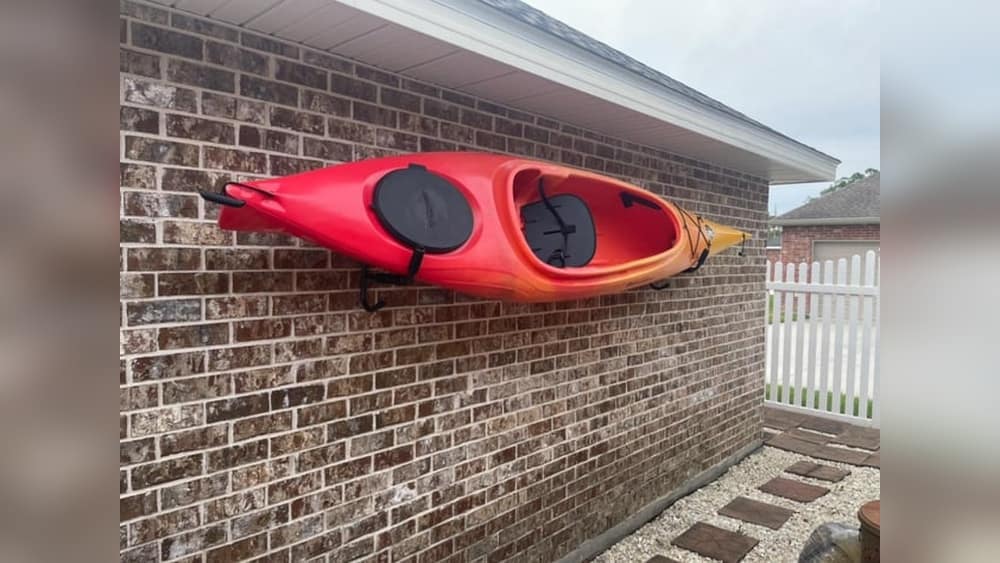
If you own a kayak, you know it’s more than just a boat—it’s your ticket to adventures on water. But when you’re not paddling, your kayak sits exposed to the elements. Maybe you’ve wondered: Should you cover a kayak? Is a cover really needed, or is it just an extra cost? Let’s dig into what really happens to an uncovered kayak, and what you gain or lose by using a cover. This guide will help you decide what’s best for your kayak, your budget, and your peace of mind.
Why People Consider Covering A Kayak
Protecting a kayak isn’t just about keeping it clean. When your kayak sits outside, it faces sun, rain, snow, bugs, dirt, and even animals. Over time, these things can cause serious damage. Many paddlers cover their kayaks to:
- Extend the kayak’s lifespan
- Protect from UV rays
- Keep out rain and dirt
- Prevent animal nests
- Reduce cleaning time
But there’s more to the story. Let’s look at the real risks and benefits.
What Happens If You Don’t Cover A Kayak
Leaving a kayak uncovered can lead to problems—some you’ll notice quickly, others much later.
Uv Damage And Fading
The sun is harsh on plastic, fiberglass, and paint. UV rays break down the materials, making them brittle and faded. This weakens the kayak and can lead to cracks or leaks. Even a few months of strong sun can fade colors and age the hull.
Water And Moisture Damage
Rain or snow can pool inside an uncovered kayak. Standing water encourages mold and mildew, which are hard to clean and can smell bad. Freezing water expands in cracks, making small problems worse.
Dirt, Debris, And Pests
Uncovered kayaks collect leaves, dust, and pollen. Worse, spiders, wasps, and rodents may decide your kayak is a perfect home. Removing a bird’s nest from a cockpit is no fun—and rodent chew marks can ruin seats and straps.
Increased Maintenance
Without a cover, you’ll spend more time cleaning. Dirt and stains can become permanent if left for months. Hardware like zippers and seat buckles may rust or clog up.
Risk Of Theft
Covers hide what’s underneath. A covered kayak is less tempting for thieves, who prefer easy, visible targets.
Benefits Of Covering A Kayak
A cover is like insurance. It may seem simple, but the benefits are real.
Longer Kayak Life
Covers block UV rays and moisture, slowing down wear and tear. Your kayak stays stronger and looks newer for more years.
Less Cleaning
A covered kayak stays clean and dry. You won’t need to wash out leaves, mud, or animal droppings before every trip.
Reduced Risk Of Pests
Covers make it harder for insects or small animals to get inside. This means fewer surprises when you open your kayak.
Better Resale Value
A kayak that looks good and has no sun damage sells for more. If you ever upgrade, you’ll get a higher price.
Lower Chance Of Theft
Covers help hide your kayak, making it less of a target. Thieves are less likely to steal what they can’t see.
Types Of Kayak Covers
There’s more than one way to cover a kayak. Some solutions are quick and cheap, while others cost more but last longer.
| Cover Type | Cost | Protection Level | Ease of Use |
|---|---|---|---|
| Full kayak cover | Medium–High | Excellent | Easy |
| Cockpit cover | Low–Medium | Good (for inside only) | Very easy |
| Tarp (DIY) | Low | Fair | Moderate |
| Storage bag | High | Excellent | Easy |
Full Kayak Cover
A full kayak cover wraps your whole boat. It blocks sun, rain, and dirt. These covers are made of UV-resistant fabric and are tailored to fit different kayak sizes.
Cockpit Cover
A cockpit cover only seals the opening where you sit. It’s great for keeping out bugs and water but doesn’t protect the hull from sun or dirt.
Tarps
A tarp is a cheap solution. You can drape it over the kayak and secure it with bungee cords. Tarps work, but wind may blow them off, and they don’t always fit well.
Storage Bags
A storage bag is like a large padded sleeve. It gives the best protection, especially for travel or long-term storage. But it’s the most expensive option.

Credit: www.reddit.com
When You Should Always Cover A Kayak
Some situations make a cover necessary. Here are a few examples where covering is not optional:
- Outdoor Storage: If your kayak stays outside, a cover is critical. Sun, rain, and animals are constant threats.
- Long Periods of Inactivity: If you won’t paddle for weeks or months, cover your kayak to prevent slow damage.
- Near Trees or Tall Grass: Leaves, sap, and insects are a bigger problem in these areas.
- During Winter: Snow and ice can warp or crack the hull if left uncovered.
When You Might Skip The Cover
Covers are useful, but not always essential. Some paddlers store their kayak indoors or in a garage, where weather and animals are less of a problem. Here are cases where you might safely skip the cover:
- Short-term storage inside a garage
- Frequent use (several times a week)
- High-quality indoor racks
Even indoors, a cover keeps dust and pests away, but the risk is much lower.

Credit: www.truckhq.ca
How To Choose The Right Kayak Cover
Buying a cover is easy, but picking the right one takes some thought. Here’s what matters:
Material
Look for UV-resistant, waterproof fabric. Cheaper covers can rip or fade quickly. Good covers use polyester or marine-grade nylon.
Size And Fit
A loose cover flaps in the wind and lets in dirt. Too tight, and it’s hard to remove. Measure your kayak’s length and width before buying.
Ventilation
Covers should allow air to move. Trapped air causes condensation, which leads to mildew. Some covers have mesh panels for airflow.
Ease Of Use
If it’s hard to put on, you might skip it after long paddling days. Choose a design you can install and remove in less than a minute.
Price
Kayak covers range from $20 (basic cockpit cover) to $100+ (full, padded cover). Balance cost with how much protection you need.
| Feature | Low-Quality Cover | High-Quality Cover |
|---|---|---|
| UV Resistance | Poor | Excellent |
| Waterproof | Sometimes | Yes |
| Breathability | No | Mesh/vents |
| Fit | Loose | Snug |
| Price | Low ($15–$40) | High ($60–$120) |
Common Mistakes When Covering A Kayak
Even with good intentions, it’s easy to make mistakes. Here are pitfalls to avoid:
- Using a non-breathable cover: Traps moisture and causes mildew.
- Forgetting to clean before covering: Dirt left under the cover can scratch the kayak.
- Covering when wet: Always dry your kayak before covering to prevent mold.
- Improperly secured covers: Loose covers can blow off or flap, causing damage.
- Ignoring rodent access: Some covers leave gaps at the ends—mice can squeeze through small spaces.
Practical Tips For Kayak Storage
A cover helps, but it’s only one part of safe storage. Keep these tips in mind:
- Store your kayak off the ground to avoid moisture and pests.
- Use padded racks or slings to prevent dents in the hull.
- If outside, face the kayak upside down to shed rainwater.
- Check inside the kayak every few weeks for signs of pests or moisture.
- Tighten or adjust the cover after storms or heavy wind.
Is A Kayak Cover Worth The Cost?
Many paddlers wonder if a cover is worth buying. Here’s the bottom line: a good cover costs less than repairing faded, cracked plastic or replacing ruined seats. If you store your kayak outside, it’s almost always worth it. If you keep it indoors and use it often, a basic cockpit cover may be enough.
Two common surprises: Even indoors, dust and spiders can cause problems over time. Also, a cover can add a layer of security—thieves are less likely to steal what they can’t identify quickly.
Real-world Example
Consider two similar kayaks, both stored outdoors. One is covered; the other is not. After two years, the uncovered kayak shows faded color, stiff hatches, and mildew inside. The covered kayak still looks new and is ready to paddle with almost no cleanup.
This difference matters if you want your kayak to last a decade or more.
Expert Opinions
Many manufacturers and paddling associations recommend covering your kayak if stored outdoors. According to the American Canoe Association, UV exposure is one of the main causes of early kayak aging. They suggest investing in a quality cover for outdoor storage (American Canoe Association).

Credit: www.reddit.com
Frequently Asked Questions
How Do I Measure My Kayak For A Cover?
Use a tape to measure the length from bow to stern and the widest part of the kayak. Pick a cover slightly larger than your measurements for an easier fit.
Can I Use A Tarp Instead Of A Kayak Cover?
Yes, but tarps often shift in the wind and may not provide full protection. A fitted cover is more secure and blocks UV rays better.
Is It Ok To Cover A Wet Kayak?
No. Always dry your kayak first. Covering when wet can trap moisture, leading to mold and mildew.
Do I Need To Cover A Kayak If I Store It Indoors?
Indoor storage is safer, but a cover still keeps out dust, pests, and scratches. It’s helpful, but not as important as for outdoor storage.
Will A Kayak Cover Prevent Theft?
Covers reduce theft risk by hiding what’s underneath. For more security, lock your kayak as well.
Storing your kayak with a cover is a smart way to protect your investment, save cleaning time, and keep your boat ready for the water. Whether you paddle every week or just a few times a season, a cover helps your kayak last longer and perform better.
Choose the right one for your needs and enjoy more time on the water, not cleaning or repairing your gear.