
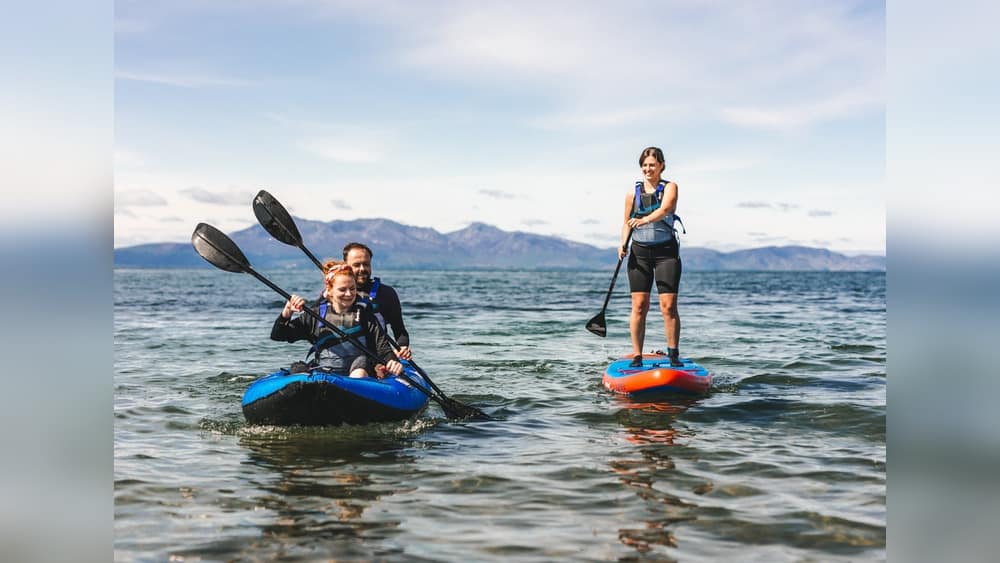
Paddle boarding and kayaking are two of the most popular water sports today. If you visit a lake, river, or beach, you’ll see people gliding across the water on both. But which is harder—paddle boarding or kayaking? Many beginners ask this question before they try either sport. The answer isn’t as simple as it sounds. It depends on your fitness level, balance, goals, and even the conditions of the water.
In this article, we’ll compare paddle boarding and kayaking in detail. We’ll look at the skills needed, the physical demands, the learning curve, and the challenges that come with each sport. By the end, you’ll have a clear idea of which one might be harder for you and why.
What Makes A Water Sport “hard”?
Before comparing, it’s helpful to ask: what makes any sport difficult? For most beginners, a sport is “hard” if it:
- Takes a long time to learn the basics
- Requires a lot of physical strength or balance
- Feels unsafe or unstable at first
- Needs special gear or technique
Both paddle boarding and kayaking can be easy or challenging, depending on your experience and the environment. Let’s dig into the factors that affect difficulty.
Skills Needed For Paddle Boarding Vs. Kayaking
Both sports involve moving across the water, but the skills required are very different.
Paddle Boarding Skills
- Balance: You need to stand upright on a floating board. Small waves or boat wakes can make this tricky for beginners.
- Core strength: Paddle boarding works your core muscles, especially for stability.
- Paddle technique: You use a single-blade paddle. Good technique helps you go straight and turn efficiently.
Kayaking Skills
- Seated balance: You sit inside or on top of the kayak, which feels more stable for most people.
- Arm and shoulder strength: Kayaking uses a double-bladed paddle, and your arms do most of the work.
- Steering: You need to learn how to turn and keep your kayak straight, especially in wind or currents.
Key insight: Many beginners think standing on water is impossible, but most people can kneel or sit on a paddle board first. Kayaks, however, can feel cramped for tall or large people.
Comparing The Learning Curve
How long does it take to learn each sport? Most people want to have fun quickly, not spend weeks falling in.
Paddle Boarding Learning Curve
- Day 1: Most beginners can stand and paddle on calm water within 30–60 minutes.
- Progress: Balance improves quickly, but rough water or wind make things much harder.
- Falls: Falling in is common, but getting back on the board is easy.
Kayaking Learning Curve
- Day 1: Most people can paddle and steer on flat water in 10–20 minutes.
- Progress: You’ll build endurance and better technique over time.
- Capsizing: “Tipping over” is rare on flat water, but can happen in waves or for beginners who lean too much.
Practical note: If you’re afraid of falling into the water, kayaking might feel safer at first.
Physical Demands: Which Is More Challenging?
Each sport uses your body in different ways. Let’s break down what muscles you use and how tiring each one can be.
| Muscle Groups | Paddle Boarding | Kayaking |
|---|---|---|
| Core (abs, lower back) | High use for balance | Moderate use for rotation |
| Legs | Active for standing/balance | Low use (mainly seated) |
| Arms & Shoulders | Moderate use (single paddle) | High use (double paddle) |
| Cardio | Moderate (varies by speed) | Moderate to high (long paddles) |
Common Misconceptions
- Many think paddle boarding is only about balance, but after 30 minutes, your legs and core will tire quickly if you’re tense.
- Kayaking seems “all arms,” but proper technique uses your torso and back muscles.
Insight: If you have knee, ankle, or back issues, kayaking is often easier on the joints.
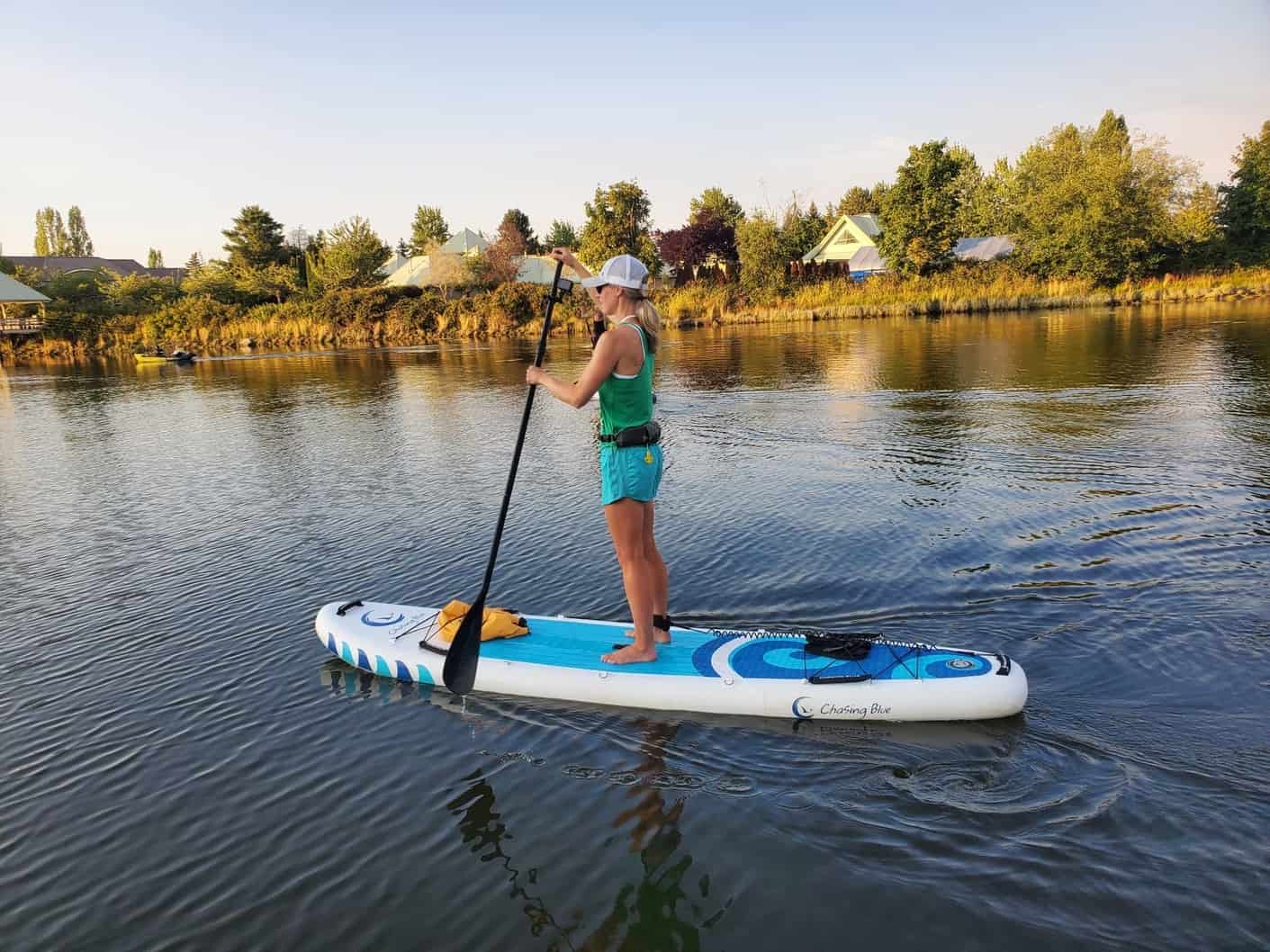
Credit: outdoormaster.com
Stability And Safety
How stable do you feel on the water? This is a big factor in what feels “hard. ”
Paddle Boarding Stability
- Modern boards are wide and stable on flat water.
- Wind, waves, or boat wakes make standing much harder.
- Falling is safe (you land in water), but repeated falls can be tiring and frustrating.
Kayaking Stability
- Recreational kayaks are very stable on calm water.
- Tipping is rare unless you lean too far or hit an object.
- In rough water, kayaks can fill with water, and getting back in is harder than climbing on a paddle board.
Fact: According to the American Canoe Association, most beginner accidents happen when people underestimate changing weather or water conditions.
Speed And Efficiency
Some people want to move fast or cover long distances. Others just want to relax. Here’s how the two sports compare:
| Aspect | Paddle Boarding | Kayaking |
|---|---|---|
| Average Speed (flat water) | 3–4 km/h | 5–8 km/h |
| Energy Efficiency | Lower (standing uses more energy) | Higher (seated, less wind resistance) |
| Distance in 1 hour | 2–4 km | 4–8 km |
Non-obvious point: Standing makes you a bigger “sail” for wind, so paddle boards are harder to keep straight in breezy conditions.
Weather And Water Conditions
How much does the environment affect each sport? Quite a lot.
Paddle Boarding
- Calm water is best for beginners. Even light wind or choppy water makes balancing much more difficult.
- Early morning is usually the calmest time.
Kayaking
- Kayaks handle wind and waves better, especially sit-inside types.
- You can paddle in mild rain or colder weather without getting wet (with proper gear).
Tip: Always check the weather forecast and wind before you go. Many beginners find paddle boarding much harder than kayaking when the wind picks up.
Gear And Setup
The right equipment makes both sports easier, but there are differences.
Paddle Boarding Gear
- Board (usually 10–12 feet for beginners)
- Paddle (adjustable length)
- Leash (keeps board close if you fall)
- Life jacket (always recommended)
- Optional: Wetsuit in cold water
Kayaking Gear
- Kayak (sit-on-top for beginners, sit-inside for advanced)
- Double-bladed paddle
- Life jacket (mandatory in many areas)
- Spray skirt (optional, keeps water out)
- Dry bag for valuables
Mistake to avoid: Using a board or kayak that’s too small or narrow makes balancing and paddling much harder.
Transport And Storage
Some people struggle more with moving and storing gear than with the sport itself.
- Paddle boards are lighter but bulkier. Inflatable boards are easy to carry and store, but take time to inflate/deflate.
- Kayaks can be heavy, especially hard-shell types. They need roof racks for transport and more storage space.
Beginner tip: Try before you buy. Renting gear is smart until you know what works for you.
Progression And Advanced Skills
Once you master the basics, how does each sport get harder or easier?
Paddle Boarding
- Advanced moves: Surfing small waves, yoga poses, racing
- Easier to try with friends or even pets on the board
Kayaking
- Whitewater kayaking, rolling, and advanced maneuvers require instruction
- Multi-day trips need navigation and rescue skills
Non-obvious insight: Paddle boarding has a lower “ceiling” for advanced skills, but nearly anyone can enjoy it at a basic level.
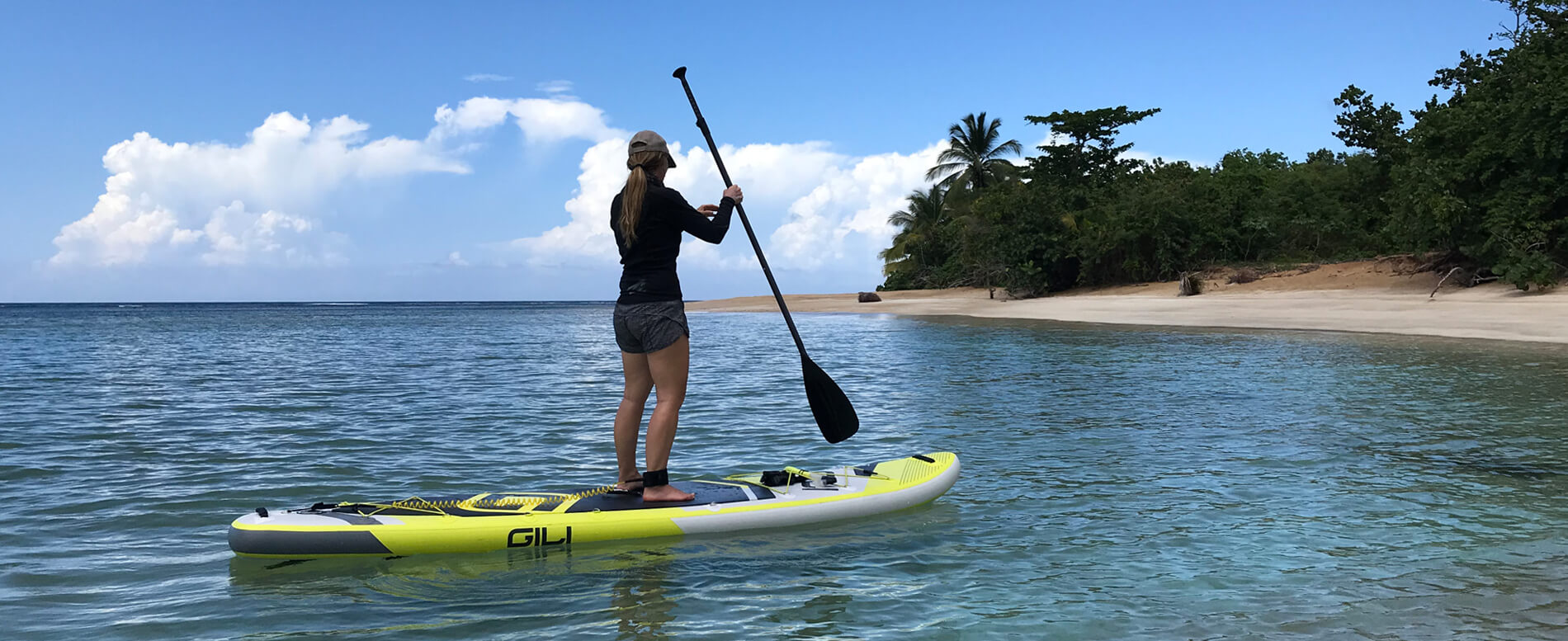
Credit: www.gilisports.com
Social And Psychological Factors
Some aspects of “hardness” are mental, not physical.
- Fear of falling: Paddle boarding involves getting wet, which can make some people nervous at first.
- Claustrophobia: Sit-inside kayaks can feel confining for some.
- Social aspect: Paddle boarding is easy to do with groups, while kayaks can be harder to keep together on the water.
Example: If you’re teaching kids or nervous adults, paddle boarding allows you to kneel, sit, or stand as confidence grows.
Which Is Harder For Different People?
There’s no single answer. Here’s a summary for different situations:
| Situation | Paddle Boarding | Kayaking |
|---|---|---|
| Absolute beginner | Harder (balance) | Easier (sitting) |
| Good balance/core strength | Easier | Easy |
| Bad knees/ankles | Harder | Easier |
| Afraid of falling in | Harder | Easier |
| Windy/choppy water | Much harder | Better |
Expert advice: Try both in good conditions. Most people find kayaking easier to start, but paddle boarding more fun once they get comfortable.
Final Thoughts: Which Should You Choose?
If you want the easiest path to fun on the water, kayaking is usually less challenging at first. You sit, feel stable, and can start paddling in minutes. If you want a full-body workout and don’t mind falling in, paddle boarding is worth a try. Over time, both sports build confidence, fitness, and skill. The real answer is: it depends on your body, your goals, and your local water conditions.
If possible, take a lesson in each. Try them on a calm day with good equipment. The sport you enjoy most will feel the easiest in the long run.
For more on water sport safety and beginner tips, visit the Wikipedia page on paddle boarding.
Frequently Asked Questions
Is Paddle Boarding Good Exercise Compared To Kayaking?
Yes, paddle boarding is a great full-body workout. It works your core, legs, and arms. Kayaking focuses more on your upper body and cardio. Both sports burn calories—paddle boarding burns about 330–460 calories per hour, while kayaking burns about 280–400.
Can I Paddle Board Or Kayak If I Can’t Swim?
It’s best to know basic swimming for both sports. Always wear a life jacket. Paddle boarding can lead to more falls, so you should feel comfortable in the water. Kayaks are more stable but can tip in rough conditions.
Which Is Safer For Children: Paddle Boarding Or Kayaking?
Both can be safe with adult supervision, life jackets, and calm water. Paddle boarding is easy for kids to kneel or sit. Kayaks designed for children are stable and easy to control. Never leave children alone on the water.
How Do I Transport A Paddle Board Or Kayak Without A Car Roof Rack?
Inflatable paddle boards fit in most cars or backpacks. Some kayaks are inflatable or foldable, but hard-shell kayaks usually need a roof rack. Always secure your gear properly to avoid damage or accidents.
What’s The Best Way To Get Started: Group Lesson Or Solo Practice?
A group lesson with a certified instructor is the safest and fastest way to learn. You’ll get tips, safety guidance, and build confidence. Solo practice is fine on calm water but expect a steeper learning curve.
By understanding the real differences between paddle boarding and kayaking, you can choose the sport that suits you best—and enjoy your time on the water with confidence.

Credit: www.discountramps.com