
Kayaking In The Boundary Waters: Everything You Need To Know
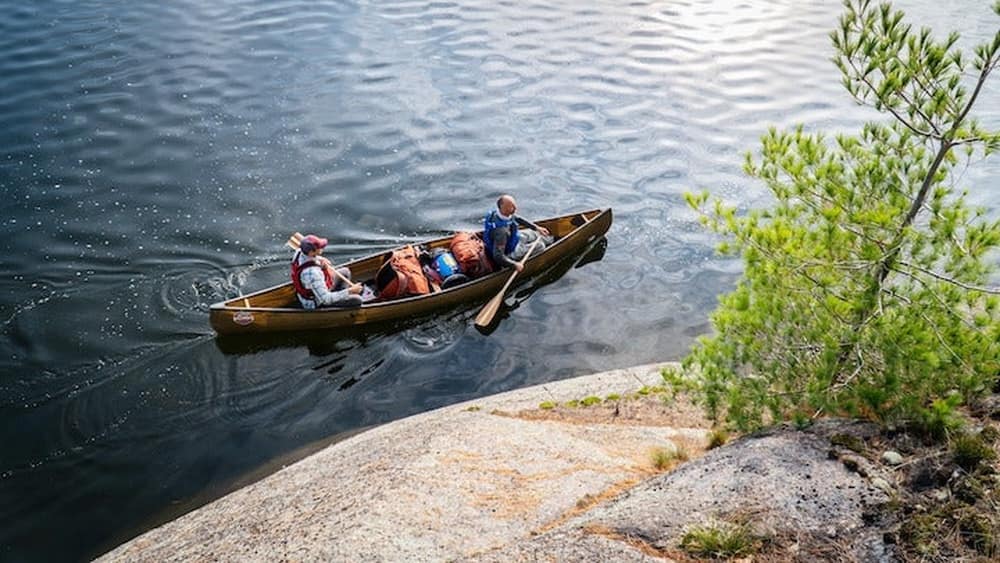
The Boundary Waters Canoe Area Wilderness (BWCAW) is one of the most beautiful and wild places in North America. It stretches over one million acres in northern Minnesota, right along the border with Canada. Most people know the Boundary Waters for canoe trips, but many wonder: Can you kayak in the Boundary Waters? The answer is yes—you absolutely can. In fact, kayaking in the BWCAW is growing more popular every year.
But before you grab your paddle and kayak, there are important things to understand. The Boundary Waters is a remote wilderness with special rules, unique challenges, and rewards that you will not find anywhere else. Whether you’re a first-timer or an experienced paddler, this guide will help you plan a safe, fun, and memorable kayaking adventure in the BWCAW.
Is Kayaking Allowed In The Boundary Waters?
Yes, you can kayak in the Boundary Waters. The BWCAW is open to all non-motorized boats, including kayaks, canoes, and paddleboards. There are no rules that ban kayaks. In fact, many visitors prefer kayaks for their speed, stability, and comfort, especially when paddling solo or with only one other person.
However, there are a few rules you must follow:
- No motorized boats (except on a few specific lakes)
- No wheeled vehicles (including kayak or canoe carts)
- Permits required for overnight trips and day use
- Group size limits (maximum nine people and four watercraft)
The U. S. Forest Service manages the BWCAW and enforces these rules to protect the wilderness experience for everyone.
Kayak Vs. Canoe: What’s Better For The Boundary Waters?
Both kayaks and canoes have their strengths in the BWCAW, but their differences are important for your trip planning. Here’s a quick comparison to help you decide:
| Feature | Kayak | Canoe |
|---|---|---|
| Speed | Faster, especially solo | Slower, but efficient with two paddlers |
| Stability | Stable in waves, low to water | More tippy, but easy to balance |
| Portaging | Heavier to carry, awkward shape | Lighter, easier to shoulder and carry |
| Gear Storage | Dry hatches, limited space | Open space, can carry large packs |
| Paddling Style | Double-bladed paddle | Single-bladed paddle |
| Solo Travel | Ideal for solo paddling | Possible, but harder to control |
Key insight: Many beginners overlook the challenge of portaging a kayak between lakes, since kayaks are heavier and harder to carry than canoes. If your route has many portages, factor this in.
Credit: paddlingmag.com
How To Plan A Kayak Trip In The Boundary Waters
Planning is essential for a successful BWCAW kayak trip. Here’s what you need to consider:
1. Permits And Entry Points
Every overnight trip in the BWCAW requires a permit, which you must reserve in advance. You must also choose a specific entry point for your trip. Some entry points are more kayak-friendly, with fewer portages and larger lakes.
- Permits are available from the US Forest Service or Recreation.gov.
- Permit quotas are strict, especially during summer (June–August). Book early—some spots fill up in January for the whole season.
2. Choosing Your Route
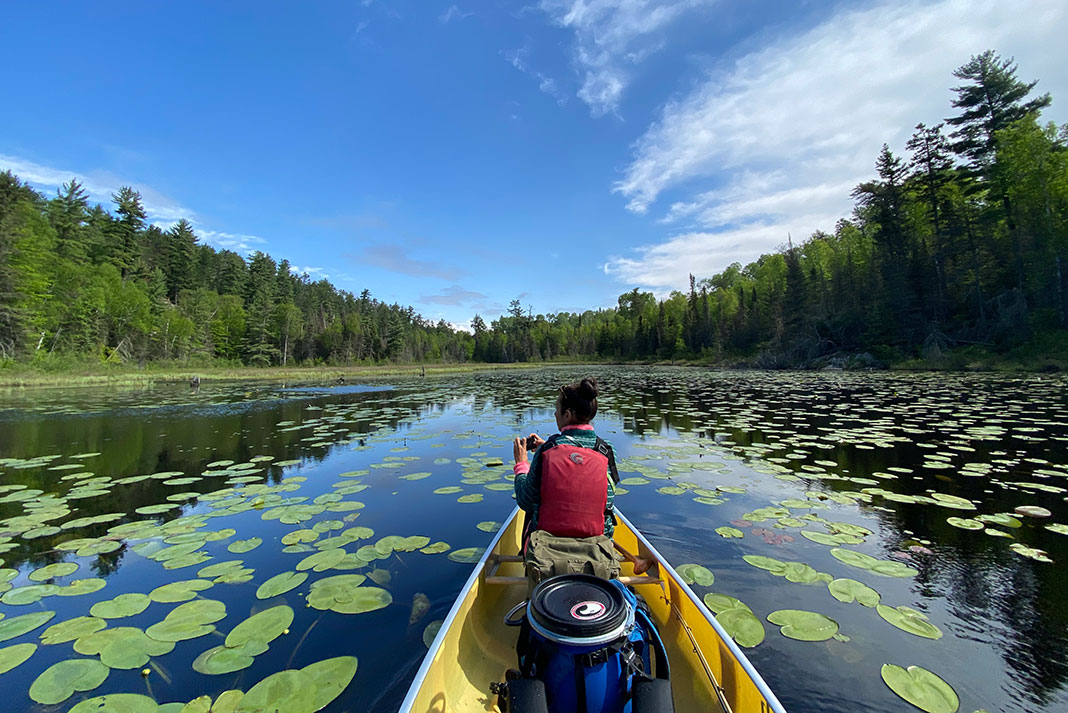
Kayaks handle open water better than canoes, so consider routes with larger lakes and fewer portages. Popular kayak-friendly routes include:
- Lake One to Lake Four: Short portages, beautiful scenery
- Sawbill Lake Loop: Mix of open water and small portages
- Moose Lake to Basswood Lake: Big lakes, good for longer trips
Non-obvious tip: Some routes are more exposed to wind, which can be tough in a kayak. Check wind forecasts and try to paddle early in the day.
3. Packing The Right Gear
Kayak gear must be compact and waterproof. Use dry bags for all your items and avoid bulky packs. Essentials include:
- Lightweight tent and sleeping bag
- Personal flotation device (PFD)
- Map and compass (GPS is helpful but not a replacement)
- First aid kit
- Water filter or purification system
- Bear-proof food storage (bear canister or food pack with rope)
- Rain gear and extra clothing
- Lightweight cooking stove
Beginner mistake: Overpacking is common. Every extra pound will be felt on long portages.
4. Portaging Your Kayak
Portaging means carrying your kayak and gear over land between lakes. Most kayaks are heavier than canoes, and their shape makes them difficult to carry on your shoulders. Common solutions:
- Shoulder carry: For short distances and light kayaks
- Two-person carry: Each person grabs an end
- Portage yoke: Some kayaks can be fitted with a temporary yoke
Remember, carts with wheels are not allowed in the BWCAW.
Best Time To Kayak In The Boundary Waters
The BWCAW is open year-round, but most people visit between mid-May and late September. Here’s what to expect in each season:
| Month | Weather | Bug Activity | Water Temperature |
|---|---|---|---|
| May | Cool, unpredictable | Low (early), rising (late) | Cold |
| June | Mild, some rain | High (mosquitoes, blackflies) | Cold to cool |
| July | Warm, sunny | Moderate (varies) | Warm |
| August | Warm, drier | Low to moderate | Warm |
| September | Cool, crisp | Low | Cooling |
July and August are best for warm water and fewer bugs, but also the busiest. Early and late season trips offer more solitude but colder conditions.
Safety Tips For Kayaking In The Boundary Waters
The Boundary Waters is remote and wild. Safety should always be your top priority:
- Always wear your PFD (life jacket) when on the water.
- Check the weather before you launch, and watch for storms.
- Plan your route and leave a trip plan with someone at home.
- Bring a map and compass—cell signals are rare, and GPS can fail.
- Be prepared for cold water—hypothermia is a real danger, even in summer.
- Pack a first aid kit and know how to use it.
Unique risk: Large lakes in the BWCAW can develop dangerous waves quickly. Kayaks are usually better than canoes in waves, but always stay near shore if possible.
Wildlife And Environmental Considerations
The Boundary Waters is home to moose, black bears, wolves, loons, and eagles. You may see or hear them during your trip, but always treat wildlife with respect.
- Store food properly to avoid bear encounters. Use a bear canister or hang food at least 10 feet off the ground and 4 feet from a tree trunk.
- Leave no trace: Pack out all trash, use biodegradable soap far from water, and camp only at designated sites.
- Avoid disturbing nesting birds—many lakes have loons and eagles raising chicks during summer.
Non-obvious insight: In late summer, bears become more active as they look for food before winter. Extra care with food storage is needed in August and September.
Boundary Waters Kayak Trip: Sample Itinerary
For beginners, a three-day loop from Lake One is a good introduction:
Day 1: Enter at Lake One, paddle to Lake Two (about 4 miles). Set up camp, fish, and explore.
Day 2: Paddle through Lake Three to Lake Four (short portages). Relax and enjoy the scenery.
Day 3: Return the same way or try a different route back to the entry point.
This route keeps portages short and lets you experience the classic BWCAW landscape.
What Kind Of Kayak Works Best?
For the BWCAW, touring kayaks (12-18 feet long) are best. They track straight, handle waves well, and have dry storage for gear. Recreational kayaks work for short trips but struggle in wind and waves. Inflatable kayaks are easy to carry but can be slow and less stable in rough water.
Sit-on-top kayaks are not recommended; you’ll get wet and cold quickly, especially in spring and fall.
Navigating And Route Finding
Navigation in the BWCAW can be tricky. Many lakes look similar, and portage trails are sometimes hard to find.
- Always carry a waterproof map (McKenzie or Fisher maps are most popular)
- Mark your campsite and portages before you leave
- Use a compass and practice basic navigation skills
Pro tip: GPS is helpful but batteries can die. Never rely only on electronics.
Fishing From A Kayak In The Boundary Waters
Fishing is a popular part of most BWCAW trips. You can catch walleye, northern pike, smallmouth bass, and lake trout.
- Bring a Minnesota fishing license (required for anyone 16 or older)
- Use barbless hooks for easier catch and release
- Bring a compact rod and keep tackle to a minimum
Kayaks are quieter than canoes, so you may find yourself getting closer to fish—especially in shallow bays.
Credit: paddlingmag.com
What To Expect At Campsites
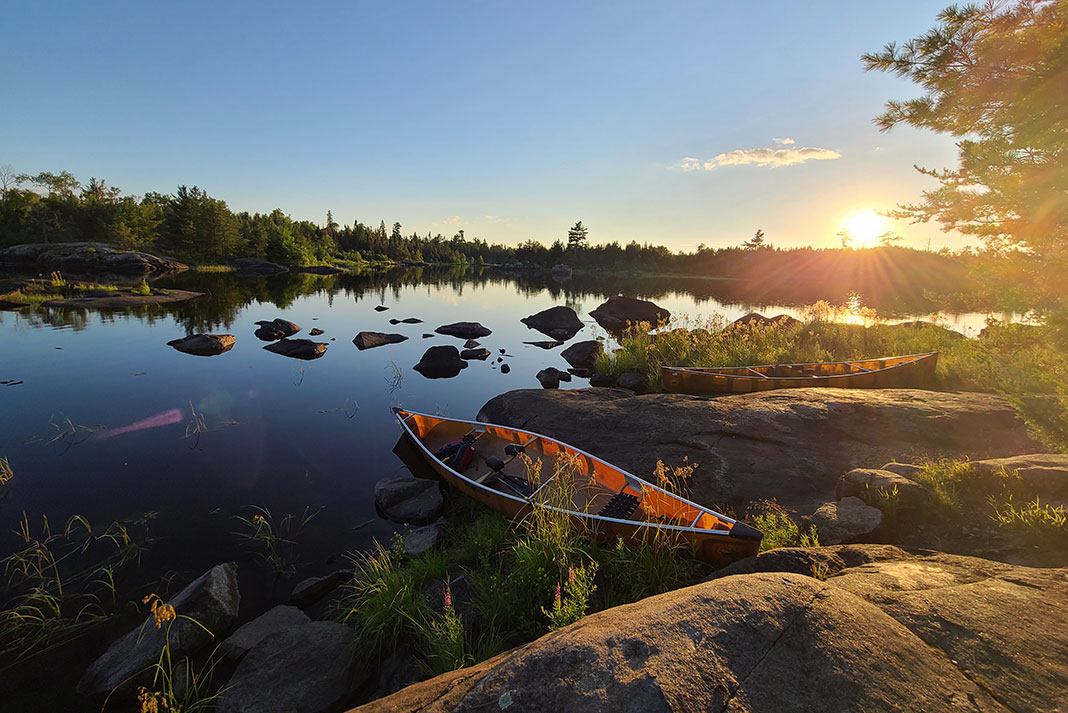
All campsites in the BWCAW are first-come, first-served. Each site has:
- A fire grate for cooking
- A latrine (simple toilet) set back from the water
- Space for a few tents
No reservations are allowed for specific campsites. Arrive early, especially during busy months, to find a good spot.
How To Prepare For Your First Kayak Trip
Preparation is the key to a successful trip. Here’s how to get ready:
- Practice paddling and portaging before your trip
- Test your gear at home or on a short local trip
- Learn basic wilderness skills (fire starting, water filtering, first aid)
- Read recent trip reports for your chosen route
Beginner insight: Many people underestimate how different kayaking in the wilderness feels compared to lakes near home. Expect longer days, unpredictable weather, and total silence.
Credit: lakesuperiorcircletour.info
Frequently Asked Questions
Can I Rent A Kayak For The Boundary Waters?
Yes. Several outfitters near Ely, Grand Marais, and Tofte rent touring kayaks and all necessary gear for BWCAW trips. They also help with route planning, permits, and shuttle services.
Do I Need A Special Permit For Kayaking?
No special kayak permit is required. You need a standard BWCAW wilderness permit for all overnight trips, regardless of your watercraft.
Are There Any Lakes In The Bwcaw Where Kayaks Are Not Allowed?
No. All lakes open to canoe travel are also open to kayaks, unless posted otherwise. Some border lakes allow motorboats—these are less peaceful and best avoided by kayakers seeking solitude.
Is It Safe To Kayak Alone In The Boundary Waters?
Solo kayaking is allowed, but extra caution is needed. Wilderness rescue can take hours or even days. Always tell someone your route and expected return. Carry a personal locator beacon or satellite communicator for emergencies.
What Should I Do If There Is A Storm While I’m Kayaking?
If you see lightning or hear thunder, get off the water immediately. Find a low, sheltered spot on shore. Avoid open areas, tall trees, and metal objects. Wait at least 30 minutes after the last thunder before returning to the water.
Kayaking the Boundary Waters is a unique and rewarding experience. With the right planning, respect for nature, and a sense of adventure, you’ll discover why so many people fall in love with this wild and peaceful place. For official rules and trip planning help, visit the U.S. Forest Service Boundary Waters Canoe Area Wilderness page. Enjoy your paddle, and leave no trace behind.