
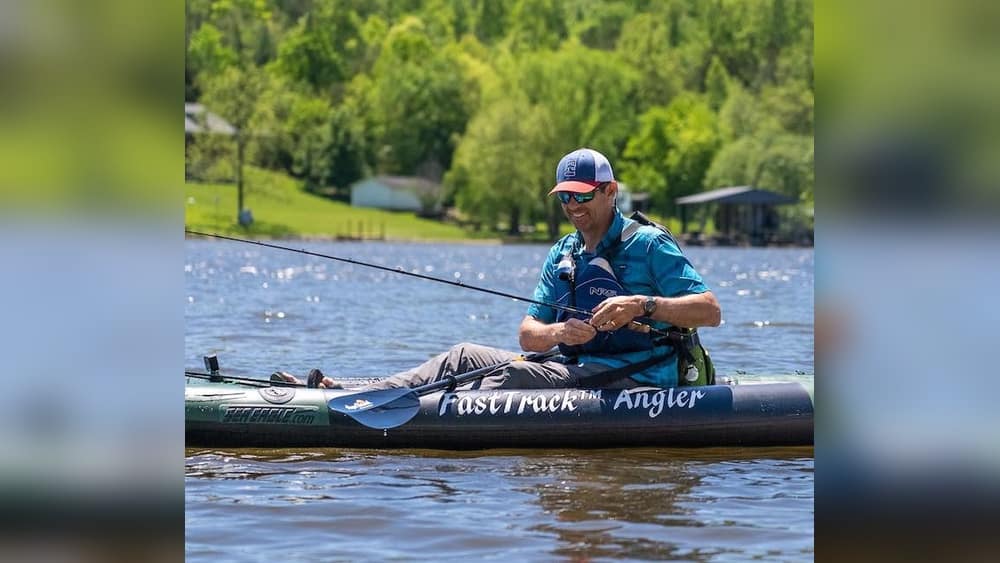
Fishing is more than just a hobby for many people. It’s a way to relax, connect with nature, and sometimes bring home dinner. Over the last decade, inflatable kayaks have become a popular choice for anglers. They look fun and portable, but are inflatable kayaks really good for fishing?
Let’s explore the facts, clear up common doubts, and see if they deserve a place in your fishing adventures.
What Makes A Good Fishing Kayak?
Before discussing inflatable kayaks, it helps to know what most anglers look for in a fishing kayak:
- Stability: Must be steady, especially when casting or reeling in a fish.
- Comfort: Long fishing trips require a comfortable seat and enough legroom.
- Storage: Space for rods, tackle boxes, coolers, and maybe even a catch or two.
- Durability: Needs to handle bumps, scrapes, and sometimes sharp hooks.
- Portability: Easy to carry, transport, and store.
Now, let’s see how inflatable kayaks measure up in these areas.
How Inflatable Kayaks Work
Inflatable kayaks are made from strong, flexible materials like PVC, Hypalon, or Nitrylon. They use multiple air chambers for safety—if one chamber leaks, the others will keep you afloat. Modern designs are much tougher than pool toys from the past.
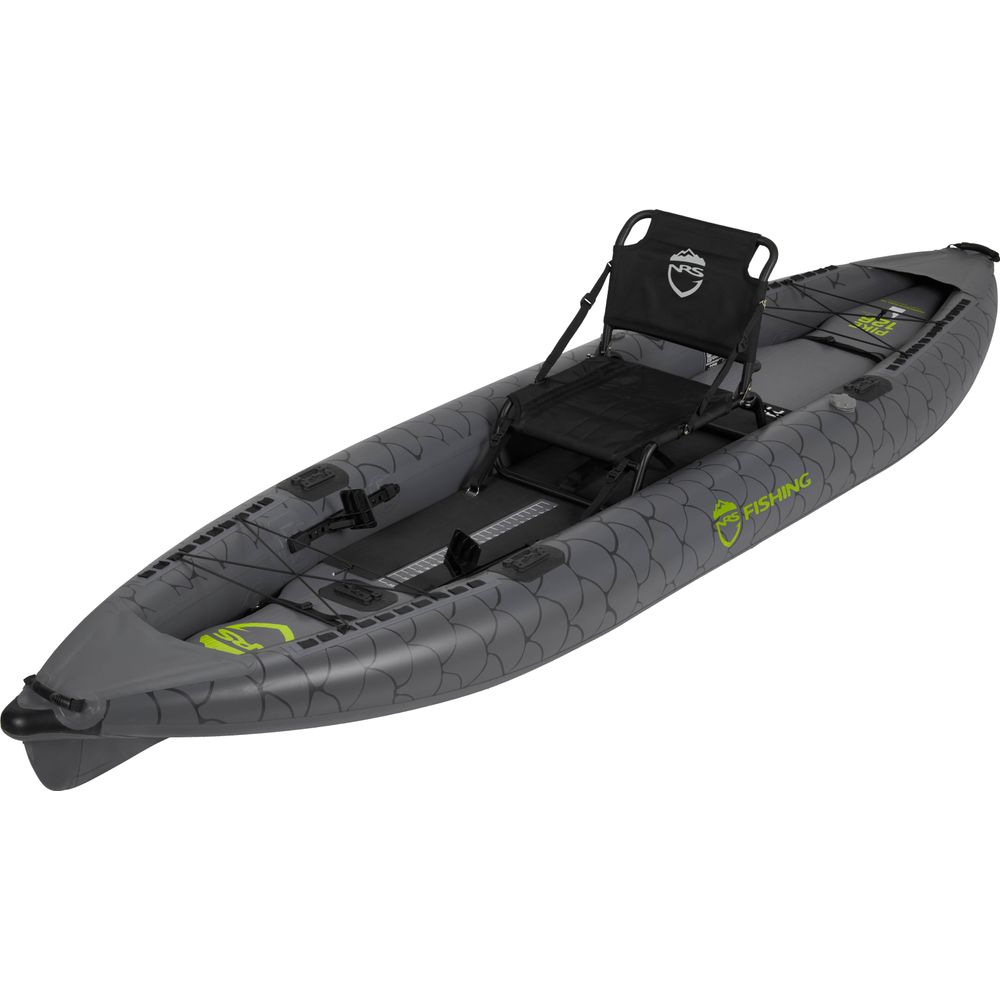
Inflatable kayaks come in different sizes and shapes. Many are designed for recreation, but some are made specifically for fishing, with features like rod holders, mount points for fish finders, and extra storage.

Credit: www.youtube.com
Pros Of Inflatable Kayaks For Fishing
1. Easy To Transport
One of the biggest reasons people love inflatable kayaks is portability. When deflated, they fit in a large backpack or car trunk. This makes them perfect for people who live in apartments or don’t have space for a hard-shell kayak.
For example, you can take an inflatable kayak on public transport or even check it as luggage for a fishing trip far from home. No roof racks or trailers needed.
2. Quick And Simple Setup
Most inflatable kayaks can be ready in 10–15 minutes with a hand or electric pump. Deflating and packing them up after your trip is just as easy. This means you can spend more time fishing and less time struggling with heavy gear.
3. Lightweight
Inflatable kayaks usually weigh between 20–40 pounds (9–18 kg). This is much lighter than many hard-shell fishing kayaks, which can weigh over 60 pounds (27 kg) or more. One person can easily carry an inflatable to the water, even if the access point is far from the parking lot.
4. Surprising Stability
Many inflatable kayaks have wide, flat bottoms. This design makes them very stable, sometimes even more stable than narrow hard-shell kayaks. Anglers often stand up to cast without tipping over—something beginners may not expect.
5. Comfortable For Long Hours
Inflatable kayaks have flexible floors and soft seats. This can be more comfortable than sitting on hard plastic for hours. Some models even have adjustable seats with back support, making them great for all-day fishing.
6. Affordable
Inflatable kayaks often cost less than hard-shell fishing kayaks. Good entry-level models can be found for $200–$600, while premium inflatable fishing kayaks are usually $700–$1200. Hard-shell fishing kayaks with similar features often start above $1000.
7. Safe And Durable
Modern inflatables use thick, multi-layered materials that resist punctures and UV damage. Even if you hit a sharp rock, most quality inflatables will only get a small leak, not a big tear. Multiple chambers mean you stay safe even if one part is damaged.
Some brands even offer repair kits so you can patch small holes on the spot. You don’t have to worry about sinking in the middle of the lake.
Cons Of Inflatable Kayaks For Fishing
1. Slower On The Water
Inflatable kayaks are wider and have more drag in the water. This makes them slower than slim, hard-shell kayaks. You’ll notice this most if you’re paddling long distances or fighting strong currents.
2. Wind Can Be A Problem
Because they sit higher above the water and are light, wind can push inflatable kayaks off course. On open water or breezy days, you might spend more time correcting your direction.
3. Limited Load Capacity
Inflatable kayaks have a weight limit, usually between 250–500 pounds (113–227 kg) depending on the model. If you’re a larger person or want to bring lots of gear, you’ll need to check these numbers carefully.
4. Less Rigid Than Hard Shells
While inflatable kayaks are more solid than most people expect, they’re still not as stiff as a hard kayak. This can affect how they handle in rough water and how they feel when you’re standing up.
5. Setup And Drying Time
Even though setup is quick, you still have to inflate and deflate your kayak every time. After fishing, you must dry it before packing to avoid mold and bad smells. This step is important but easy to forget.
6. Fewer Custom Features
Hard-shell fishing kayaks often come with built-in rails, mounting points, and storage hatches for advanced gear. While some inflatable fishing kayaks offer these features, the options are more limited.

Credit: www.boatstogo.com
Comparing Inflatable Vs. Hard-shell Fishing Kayaks
Here’s a quick look at how inflatable and hard-shell kayaks compare on key points:
| Feature | Inflatable Kayak | Hard-Shell Kayak |
|---|---|---|
| Portability | Excellent | Poor to Fair |
| Stability | Very good | Good to Excellent |
| Durability | Good (multi-chamber) | Excellent |
| Speed | Slower | Faster |
| Comfort | Soft seats | Rigid seats |
| Setup Time | 10–15 minutes | Ready instantly |
| Price | Lower (most models) | Higher |
Best Features To Look For In An Inflatable Fishing Kayak
If you decide to try an inflatable kayak for fishing, focus on these features:
- High weight capacity: Ensures you and your gear stay above water.
- Wide beam (width): For extra stability, especially if you want to stand up.
- Multiple air chambers: For safety in case of a puncture.
- Thick, reinforced material: More layers mean better protection.
- Rod holders: Built-in or mountable options.
- Storage spaces: Mesh pockets, bungee cords, or dry bags.
- Comfortable seat: Adjustable and padded for long trips.
- Skeg or tracking fin: Helps keep the kayak moving straight.
Some brands that are known for quality inflatable fishing kayaks include Sea Eagle, Advanced Elements, and Intex.
Credit: www.nrs.com
Real-world Experiences: What Anglers Say
Many anglers are surprised by how well inflatable kayaks work for fishing. Here are a few things they often mention:
- Portability is a game-changer. People who live in cities or travel a lot love that they don’t need a garage or truck.
- Standing up to cast is possible in most wide, high-pressure inflatables.
- Repairing small leaks is easy, but major damage is rare with good care.
- Some anglers bring a small electric pump to speed up setup.
- Using a dry bag for electronics is smart because the kayak floor can get wet.
Anglers who fish in rocky rivers or saltwater often buy kayaks with drop-stitch floors. This technology makes the floor much firmer, feeling almost like a hard kayak under your feet.
Key Safety Tips For Inflatable Kayak Fishing
Safety should always come first. Here are tips specific to inflatable kayak fishing:
- Always wear a life jacket. Even stable kayaks can flip.
- Check the weather before heading out. Avoid strong winds or storms.
- Inspect your kayak for leaks or weak spots before every trip.
- Bring the repair kit included with most inflatables.
- Don’t exceed weight limits. Overloading can make the kayak unstable.
- Stay close to shore if you’re new or unsure about water conditions.
Many accidents happen because people skip basic safety steps. Inflatable kayaks are very safe when used correctly.
Advanced Tips: Getting The Most From Inflatable Kayak Fishing
- Add an anchor system to avoid drifting in wind or current. Many anglers use small folding anchors.
- Upgrade your paddle to a lightweight, sturdy model for longer trips.
- Install a simple fish finder using adhesive mounts or removable brackets.
- Use waterproof phone cases and dry bags for valuables.
- Bring a sponge or towel to mop up water that enters the kayak.
One overlooked tip: let your kayak dry fully before storing it. Even a little moisture can cause mold over time.
When Inflatable Kayaks May Not Be The Best Choice
While inflatable kayaks are great for many fishing situations, they aren’t perfect for everyone. If you often fish in:
- Fast-moving rivers with sharp rocks
- Open ocean with big waves
- Very cold water, where a leak could be dangerous
A hard-shell kayak or another type of boat may be safer and more practical. But for lakes, slow rivers, and calm coastal waters, inflatables are tough to beat for convenience.
Inflatable Kayak Fishing Vs. Other Small Boats
How do inflatable kayaks compare with other small fishing boats like canoes, float tubes, or jon boats? Here’s a quick overview:
| Boat Type | Stability | Portability | Fishing Features |
|---|---|---|---|
| Inflatable Kayak | Very good | Excellent | Good |
| Hard-Shell Kayak | Excellent | Poor | Excellent |
| Float Tube | Fair | Excellent | Limited |
| Jon Boat | Excellent | Poor | Excellent |
| Canoe | Good | Fair | Good |
Each option has its own strengths, but inflatable kayaks stand out for people who value easy transport and storage.
Are Inflatable Kayaks Good For Fishing? The Bottom Line
Inflatable kayaks are a strong choice for fishing, especially if you want something light, portable, and easy to store. They are stable, comfortable, and surprisingly durable. While they have a few downsides—like slower speed and the need to dry them after use—these are small compared to the benefits for most anglers.
If you choose a model designed for fishing, pay attention to weight capacity, stability, and added features. With proper care and safety habits, inflatable kayaks can turn almost any lake or river into your personal fishing spot.
For more details on kayak technology and safety, you can visit the Wikipedia page on kayaks.
Frequently Asked Questions
What Is The Best Inflatable Kayak For Fishing?
The best inflatable kayak depends on your needs and budget. Popular models for fishing include the Sea Eagle 385fta FastTrack Angler and the Advanced Elements StraitEdge Angler Pro. Look for one with high weight capacity, rod holders, and a stable floor.
How Long Do Inflatable Kayaks Last?
A well-made inflatable kayak can last 5–10 years or more with good care. Keep it clean, dry it before storage, and avoid dragging it over sharp objects. Most issues come from poor maintenance, not the kayak itself.
Can Inflatable Kayaks Handle Hooks And Fishing Gear?
Yes, most modern inflatable kayaks are made from tough materials that resist small punctures from hooks. Still, always handle sharp gear carefully and use a landing mat for fish with sharp fins or spines.
Are Inflatable Kayaks Safe For Fishing In The Ocean?
Some inflatable kayaks are designed for coastal waters, but you should avoid using them far from shore or in rough conditions. Always check your kayak’s rating and stick to calm areas if possible.
How Do I Repair A Puncture In An Inflatable Kayak?
Most inflatable kayaks come with a repair kit. Clean and dry the area, apply the patch, and let it cure as directed. For bigger damage, contact the manufacturer for advice or a replacement part. With proper repair, your kayak will be as good as new.