
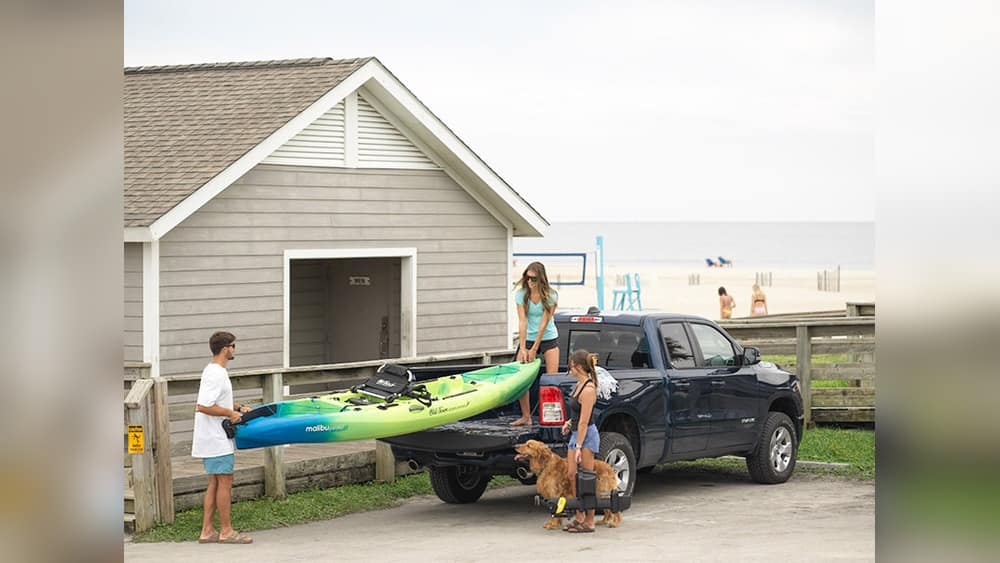
Hauling a kayak is a task that looks simple, but it’s easy to make mistakes that can damage your kayak or your car, and even cause safety issues on the road. Whether you’re taking your kayak to a lake for a day trip or going on a long adventure, knowing how to move your kayak the right way saves you time, effort, and money. This article will walk you through every step of how to haul a kayak—from lifting and carrying, to choosing the right transportation method, to securing your kayak safely. We’ll cover different vehicles, common mistakes, and some tips even experienced kayakers often overlook.
Understanding Your Kayak And Hauling Needs
Before you start, it’s important to know the size and weight of your kayak. Most recreational kayaks weigh between 35–60 pounds and are 9–12 feet long. Touring and sea kayaks are usually longer (12–18 feet) and heavier. Tandem kayaks can be even bigger. Knowing these numbers helps you choose the right hauling method and equipment.
Plastic kayaks are tougher but heavier, while fiberglass or composite kayaks are lighter but more fragile. Your kayak’s material affects how you handle and secure it during transport. The longer and heavier your kayak, the harder it is to move alone, and the more careful you need to be about support and tie-downs.
Lifting And Carrying A Kayak
Hauling starts with getting the kayak from storage to your vehicle. Improper lifting is one of the most common causes of back injuries for kayakers.
Lifting Solo
If your kayak weighs less than 45 pounds and isn’t too long, you might be able to carry it alone. Stand at the center of the kayak, squat down with your knees (not your back), grab the cockpit rim, and lift the kayak onto your shoulder.
Keep the kayak balanced and watch for obstacles.
Lifting With A Partner
For heavier or longer kayaks, two people are best. Each person stands at one end, grabs a handle or the hull, and lifts together. Communicate clearly to avoid sudden movements.
Using A Kayak Cart
A kayak cart is a small set of wheels that attaches to your kayak’s center or end. These carts save your back, especially for longer walks. Place the kayak on the cart, secure it, and roll it to your vehicle. This is a great option for solo paddlers or people with physical limitations.
Choosing The Right Vehicle And Transport Method
Not every car or truck is equally suited for hauling kayaks. Your vehicle type shapes your options.
Hauling With A Car
Most sedans and hatchbacks can haul a kayak, but you’ll need a roof rack. Never put a kayak inside a car—it’s unsafe and can damage the kayak and the vehicle.
Hauling With An Suv
SUVs are ideal because they often have roof rails or crossbars. You can use foam blocks, J-cradles, or other attachments for easier loading.
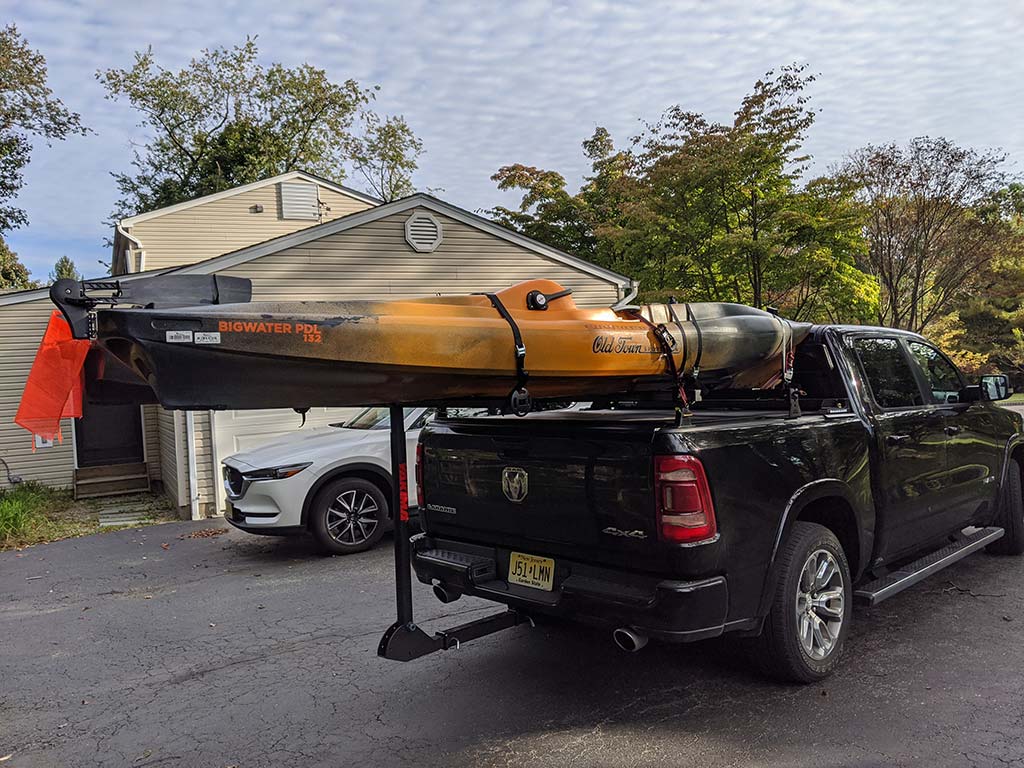
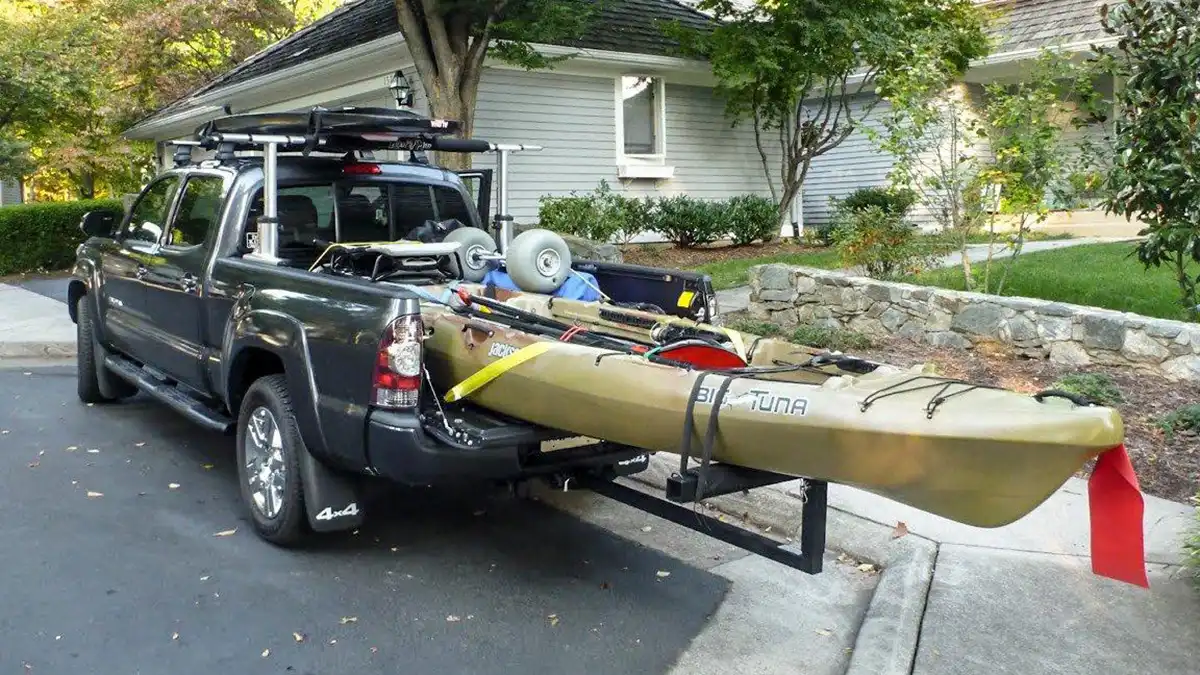
Hauling With A Truck
Pickup trucks give you two main options:
- Place the kayak in the truck bed (secure the tailgate down if the kayak sticks out).
- Use a bed extender to support longer kayaks.
Hauling With A Trailer
If you need to move multiple kayaks or very long ones, a kayak trailer is the best choice. Trailers keep lifting low and are easy to load, but require a hitch and a bit more driving skill.
Roof Racks And Kayak Carriers
A good roof rack is the most common way to haul a kayak. There are different types, and choosing the right one matters.
| Carrier Type | Best For | Pros | Cons |
|---|---|---|---|
| Foam Blocks | Short trips, budget hauling | Cheap, easy to install | Less secure, can slip |
| J-Cradles | One or two kayaks | Stable, saves roof space | Higher loading height |
| Saddles | One kayak, long trips | Gentle on hull, very secure | Higher cost |
| Stackers | Multiple kayaks | Maximizes roof space | Harder to load alone |
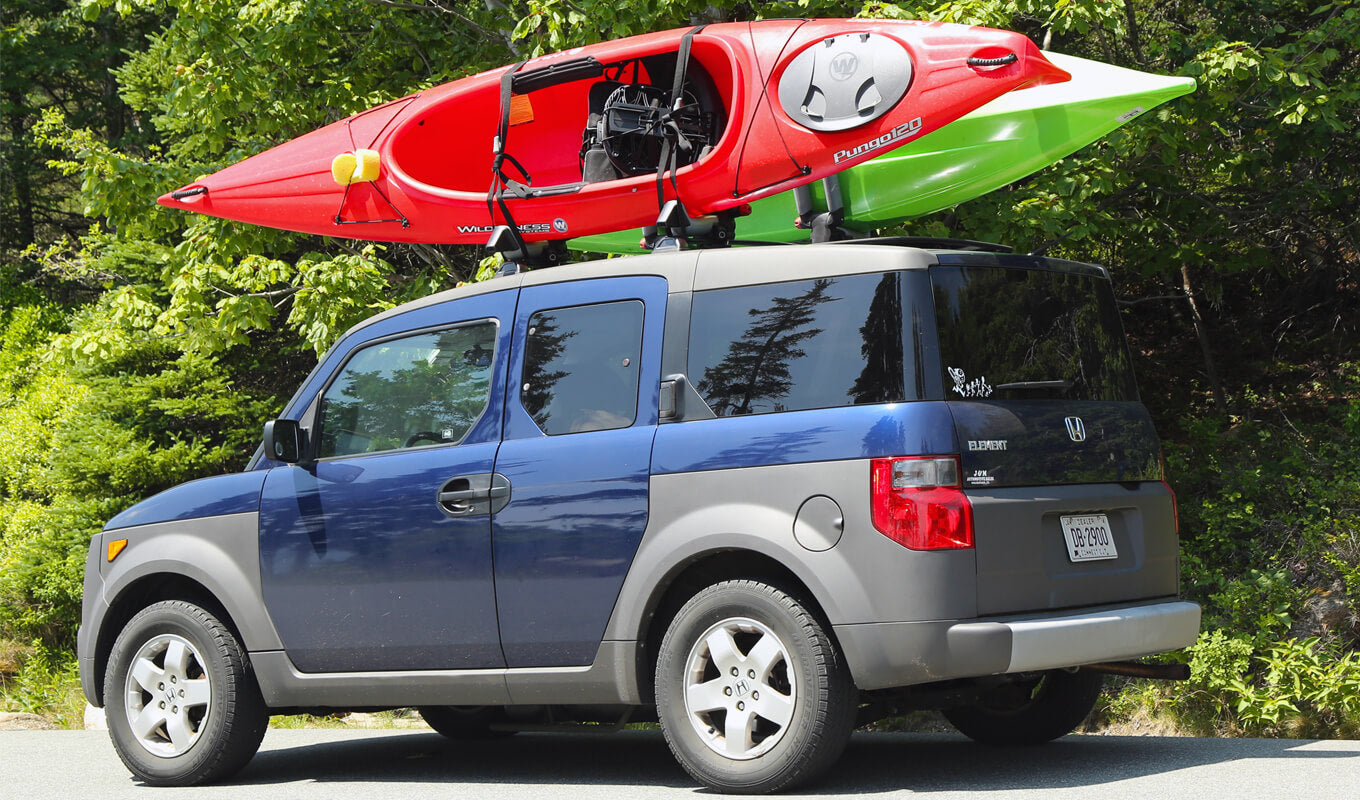
Foam blocks sit directly on your roof and work with straps. They are good for occasional use but not as safe for highway speeds. J-cradles hold the kayak on its side, making it easier to fit two kayaks. Saddles provide a gentle, custom fit for the bottom of the kayak—best for expensive or fragile models. Stackers are vertical posts that let you stack several boats side by side.
Credit: www.thefisherman.com
Loading A Kayak Onto Your Vehicle
Lifting a kayak onto a car roof can be tough, especially if you’re short or the kayak is heavy. Here’s how to make it easier:
Loading Alone
- Set the kayak beside your car, parallel to the vehicle.
- Lift one end onto the rear of the roof rack or foam block.
- Move to the other end and slide the kayak up onto the rack.
- Center the kayak between the rack bars.
Many people use a bath mat or towel on the back edge of the car to protect paint during sliding.
Loading With Help
With two people, each grabs an end and lifts together, placing the kayak straight onto the racks.
Using Load Assist Devices
Some roof racks come with load assist rollers or arms. These let you slide or roll the kayak up with less effort. They cost more but can be a big help if you regularly paddle alone.
Securing Your Kayak For Transport
This is the most important step. A loose kayak can fly off, damaging your car or others.
Straps Vs. Ropes
Cam straps are safest and easiest. They’re wide, strong, and have a buckle that holds tight but won’t cut the kayak. Ropes can work, but knots can slip if you’re not careful.
How To Tie Down A Kayak
- Place a cam strap over the kayak at the front rack. Toss the ends under the bar, bring them back up, and buckle.
- Repeat at the rear rack.
- Tighten both straps so the kayak is firm but not crushed.
- Use bow and stern lines (front and back) tied to your car’s tow hooks to stop the kayak from shifting in wind.
Never tie straps over the cockpit or hatches, as this can damage the kayak.
Double-check Everything
Give the kayak a firm shake. If it moves more than an inch, tighten the straps. Always check straps after driving a few miles.
Credit: www.gilisports.com
Hauling Multiple Kayaks
If you’re bringing more than one kayak, you have a few options:
- Use stackers to stand kayaks on their sides.
- Place two kayaks hull-down side by side if your roof is wide enough.
- Use a trailer if you have more than two kayaks or longer boats.
Remember, each kayak must have its own set of straps, and all should be tied at the front and back.
Driving With A Kayak
A kayak changes how your car handles. It adds height and wind resistance. Here’s what to keep in mind:
- Watch for low bridges, tree branches, and drive-thrus.
- Drive slower, especially in wind or rain.
- Make wider turns—your car is now taller and may be less stable.
- Check straps at every stop.
Experienced kayakers know that even a well-tied kayak can shift a little during a long drive. Take breaks to check.
Credit: www.wired2fish.com
Common Mistakes And How To Avoid Them
- Straps too tight or too loose: Over-tightening can crush the kayak; loose straps let it move.
- No bow/stern lines: The most common cause of kayaks flying off is skipping these lines.
- Using cheap ropes: Cheap or old ropes can break. Use cam straps or marine-grade ropes.
- Ignoring weight limits: Check your vehicle and rack’s weight limit. Overloading can damage your roof.
- Driving into garages: Many kayaks are forgotten and driven into low garages, damaging both kayak and car.
Essential Equipment For Hauling Kayaks
For safe and easy kayak transport, you’ll need:
- Cam straps (minimum 12 feet long)
- Bow and stern lines
- Foam blocks, J-cradles, or saddles
- Kayak cart (optional but recommended)
- Load assist devices (optional for solo paddlers)
Kayak Hauling Methods Compared
Here’s a simple comparison of the main ways people haul kayaks:
| Method | Ease of Use | Cost | Best For |
|---|---|---|---|
| Foam Blocks | Easy | Low | Short trips, beginners |
| J-Cradles | Moderate | Medium | Regular hauling, 1-2 kayaks |
| Saddles | Moderate | High | Expensive kayaks, long trips |
| Trailer | Easy | High | Multiple kayaks, long/large kayaks |
| Truck Bed | Easy | Low | Short kayaks, truck owners |
Two Insights Beginners Often Miss
First, many people think any strap will do, but using the wrong type (like ratchet straps) can actually crush your kayak. Cam straps are designed for this job.
Second, even if your kayak feels secure, wind on the highway can cause “lift.” That’s why front and rear lines are essential, even for short drives. Many beginners skip this—and regret it.
Practical Tips For Safe And Easy Kayak Hauling
- Pad all contact points between kayak and rack to prevent scratches.
- If you’re worried about theft, use a locking cable through the scupper holes or grab handles.
- Write your phone number on the bottom of your kayak—if it falls off, someone may call you.
- Practice loading and tying your kayak at home, not when you’re late for your trip.
- Check the weather. Strong crosswinds can make hauling dangerous.
For more technical details and safety standards, visit the American Whitewater site.
Frequently Asked Questions
How Fast Can I Drive With A Kayak On My Roof?
Most experts suggest driving no faster than 65 mph with a kayak on your roof. Strong winds or crosswinds can shift the kayak, so slow down in bad weather.
Can I Put A Kayak On A Car Without A Roof Rack?
Yes, you can use foam blocks and straps, but it’s less secure. For regular hauling, a proper roof rack is much safer and better for your car.
What’s The Best Way To Secure The Front Of My Kayak?
Use a bow line tied to your car’s tow hook or a special hood loop strap. Never tie to weak parts like the bumper or grille.
How Do I Keep My Kayak From Getting Stolen While Hauling?
Use a locking cable threaded through a strong part of the kayak and attached to the roof rack. Lock all straps inside your car if possible.
Is It Safe To Haul A Kayak In The Rain?
Yes, but check straps often—rain can loosen them. Use anti-slip pads, and make sure the cockpit cover is on to keep water out.
Hauling a kayak can look tricky, but with the right tools and steps, it becomes simple and safe. Take time to learn your gear, practice loading, and always double-check your work. The next time you hit the road with your kayak, you’ll travel with confidence—and keep your gear safe for many adventures ahead.