

Kayaking is more than just a sport—it’s a way to connect with nature, find adventure, and even enjoy peaceful moments on the water. But if you’re new to kayaking, you might be surprised at how different rivers and lakes can feel.
The kayak you choose matters a lot, too. A river kayak and a lake kayak may look similar, but they are designed for completely different experiences. Picking the wrong one can turn a fun day out into a real challenge.
This guide is here to help you understand the main differences between river kayaks and lake kayaks. You’ll learn how each type works, when to use them, and the most important things to consider before buying or renting. Whether you love fast-moving water or calm, open lakes, this article will give you the confidence to choose the right kayak and enjoy your time on the water safely.
What Makes A River Kayak Unique?
A river kayak is built for moving water. This means it handles currents, waves, and even obstacles like rocks or fallen trees. River kayaks are designed with a few key features:
- Shorter length: Most river kayaks are between 6 and 9 feet (1.8 to 2.7 meters) long. This short size makes them easy to turn quickly.
- Rounded hull: The bottom of the kayak is often more rounded. This shape helps the kayak spin or change direction easily.
- Higher rocker: The front and back curve upward, helping the kayak ride over waves and avoid getting stuck.
- Strong build: River kayaks are made from tough materials. This helps them bounce off rocks and other obstacles without breaking.
River kayaks are often used for whitewater kayaking, which means paddling on fast, rough water. They can also be used on slow rivers, but their main strength is handling changing conditions and tight spaces.
What Makes A Lake Kayak Different?
A lake kayak is made for calm, open water. Unlike rivers, lakes don’t have strong currents or many obstacles. Lake kayaks are built for comfort and speed across flat water.
- Longer length: Most lake kayaks are 10 to 14 feet (3 to 4.3 meters) or more. This helps them glide straight and fast.
- Flat or shallow hull: The bottom is less rounded, making the kayak stable but less easy to turn.
- Lower rocker: The front and back are not curved much, keeping more of the kayak in the water for better tracking (going straight).
- Room for gear: Lake kayaks often have storage space for bags, food, or camping gear.
Lake kayaks are great for relaxing paddles, fishing, or even long trips. They are not built to handle rocks or strong rapids, so they are best for quiet waters.
Key Differences Between River And Lake Kayaks
Understanding the main differences between river and lake kayaks will help you make the right choice. Here’s a quick side-by-side comparison:
| Feature | River Kayak | Lake Kayak |
|---|---|---|
| Typical Length | 6-9 ft (1.8-2.7 m) | 10-14 ft (3-4.3 m) |
| Hull Shape | Rounded/Planing | Flat/Shallow V |
| Rocker | High | Low |
| Best Water Type | Moving water, rapids | Flat, calm water |
| Turning Ability | Very easy | Moderate |
| Speed | Slow to moderate | Faster |
| Stability | Less stable on flat water | Very stable |
| Storage | Minimal | Ample |
The differences go beyond just looks. River kayaks are all about maneuverability and strength, while lake kayaks focus on speed, stability, and comfort.
How Does Water Affect Your Kayak Choice?
The type of water you want to paddle on is the most important factor. Here’s why:
Rivers: Constantly Changing
Rivers are rarely the same for long. Even slow rivers can have strong currents, shallow spots, or rocks just below the surface. Fast rivers can have rapids, waves, or even waterfalls. A river kayak must be able to:
- Turn quickly to avoid obstacles
- Handle sudden changes in current
- Withstand hits from rocks or debris
Lakes: Wide And Open
Lakes usually have flat, calm water. The biggest challenges are wind and waves caused by boats or weather. A lake kayak must:
- Track straight over long distances
- Stay stable if there are small waves
- Offer comfort for longer trips
Pro insight: Some beginners think any kayak will work on both lakes and rivers. In reality, using a river kayak on a large lake can be tiring because it’s slow and hard to keep straight. Using a lake kayak on a river can be dangerous—it might be too long to turn quickly or avoid rocks.
River Kayak: Types And Best Uses
River kayaks come in different styles, each made for a specific type of river paddling. Knowing the differences can help you choose the right one for your adventure.
1. Whitewater Kayaks
These are short, tough, and very maneuverable. They are used for paddling down rapids and handling big waves.
- Length: 6-8 feet
- Features: Reinforced hull, high rocker, small cockpit
- Use: Whitewater rivers (Class I–V)
2. Creek Boats
Creek boats are a type of whitewater kayak, but they are made for even steeper, rougher water with drops and tight turns.
- Length: 7-9 feet
- Features: More volume to stay above water, extra safety features
- Use: Steep creeks, technical rivers
3. Playboats
Playboats are for tricks, spins, and surfing waves in the river. They are not good for long trips, but great for fun in small areas.
- Length: 5.5-6.5 feet
- Features: Shortest length, flat ends, light weight
- Use: Surfing, tricks, playing in waves
4. Crossover Kayaks
Crossover kayaks are a mix between a river and a lake kayak. They can handle both calm and moving water, but are not the best at either.
- Length: 9-10 feet
- Features: Medium rocker, some storage, more comfort
- Use: Slow rivers, small rapids, short lake trips
Non-obvious insight: Many new kayakers overlook the importance of volume (how much water a kayak can hold before sinking). For rivers with big waves, a higher volume kayak can keep you safer and drier.
Lake Kayak: Types And Best Uses
Lake kayaks also come in different styles, each with their own strengths. Here are the main options:
1. Recreational Kayaks
These are the most popular kayaks for lakes. They are wide, stable, and comfortable.
- Length: 10-12 feet
- Features: Large cockpit, flat bottom, easy to enter/exit
- Use: Short trips, calm lakes, beginners
2. Touring Kayaks
Touring kayaks are built for longer trips on big lakes. They are narrower and longer than recreational kayaks.
- Length: 12-16 feet
- Features: Storage hatches, foot pedals, more streamlined
- Use: Multi-hour trips, camping, big lakes
3. Sit-on-top Kayaks
Sit-on-top kayaks are open on top. They are easy to get on and off, and are great for warm weather.
- Length: 10-14 feet
- Features: Self-draining holes, very stable, less storage
- Use: Family fun, swimming, fishing
4. Fishing Kayaks
Fishing kayaks are built for stability and comfort. Many come with rod holders and extra storage.
- Length: 10-14 feet
- Features: Wide hull, gear mounts, stable platform for standing
- Use: Fishing, birdwatching, photography
Non-obvious insight: Many people think longer means faster, but a very long kayak can be harder to control in windy conditions. For most people, a 12-13 foot kayak is a good balance between speed and control on lakes.
Pros And Cons: River Kayak Vs Lake Kayak
To help you decide, here’s a closer look at the advantages and disadvantages of each type.
| River Kayak | Lake Kayak | |
|---|---|---|
| Pros | – Very maneuverable – Durable in rough water – Easy to transport – Great for adventure and fun |
– Fast and efficient – Comfortable for long trips – Lots of storage – Very stable |
| Cons | – Slow on flat water – Hard to track straight – Less comfortable for long paddles |
– Hard to turn quickly – Not suitable for rapids – Can be heavy and long to transport |
Each kayak is best in its own environment. Trying to use one in the wrong place often leads to frustration or even danger.
Important Factors When Choosing Between River And Lake Kayak
Before you buy or rent a kayak, think about these key questions:
1. Where Will You Paddle Most?
This is the single most important question. If you live near a lake, a lake kayak makes sense. If you have easy access to rivers, a river kayak is better. Think about the water you’ll use 80% of the time.
2. How Much Experience Do You Have?
Beginner paddlers often prefer stability. Lake kayaks are usually more stable, but a very wide kayak can be hard to paddle fast. River kayaks are less stable on flat water but safer in moving water.
3. How Will You Transport And Store The Kayak?
River kayaks are shorter and easier to carry and store. Lake kayaks can be long and heavy—make sure you have a roof rack or a big enough car.
4. What’s Your Main Goal?
Do you want adventure and excitement or relaxation and comfort? River kayaks are for quick moves and excitement. Lake kayaks are for covering distance and enjoying the scenery.
5. Will You Go Alone Or With Friends?
Tandem kayaks (for two people) are more common on lakes. Most river kayaks are single-person. If you want to share the experience, a lake kayak may give you more options.
6. What’s Your Budget?
Generally, river kayaks are less expensive, but prices vary by brand and features. Lake kayaks with lots of storage and comfort can cost more.
Pro tip: Don’t buy a kayak just because it’s on sale. Test it on the water if possible, or rent before you buy.
Safety Considerations For Both Kayak Types
Safety should always come first. While both river and lake kayaking can be safe, there are different risks.
River Kayaking Safety
- Always wear a life jacket (PFD).
- Learn basic rescue skills—like how to roll your kayak or exit quickly.
- Check river levels and weather before you go.
- Never kayak a river above your skill level.
- Watch for hidden rocks, trees, or strong currents.
Lake Kayaking Safety
- Wear a life jacket at all times.
- Be ready for wind or changing weather.
- Bring plenty of water and snacks.
- Stay close to shore if you’re a beginner.
- Tell someone your route and when you’ll return.
Common mistake: Many beginners skip safety training. Even calm lakes can become dangerous if the weather changes or you paddle too far from shore. Take a short safety course if you’re new.
Which Kayak Is Easier For Beginners?
Most beginners find lake kayaks easier to use because they are more stable and forgiving. However, stability is only part of the story. If you want to learn river kayaking, start with easy water and take lessons. The right kayak makes learning much safer and more enjoyable.
Some beginners get frustrated by how slow a river kayak feels on a lake, or how hard a long lake kayak is to turn on a narrow river. Picking the right kayak for your main type of water will help you enjoy the sport more and learn faster.

Credit: sswboardhouse.com
Can You Use A River Kayak On A Lake (and Vice Versa)?
Yes, you can, but it’s not ideal. Here’s what happens:
- River kayak on a lake: You’ll go slow, zig-zag a lot, and get tired quickly.
- Lake kayak on a river: You may not be able to turn fast enough to avoid rocks or obstacles. This can be dangerous.
A crossover kayak is a good choice if you want to do both, but know that it won’t be perfect on either type of water.
Accessories That Make A Difference
Both types of kayaking can be more fun and safer with the right accessories. Here are some essentials:
- Paddle: Shorter paddles for river kayaks, longer for lake kayaks.
- Spray skirt: Keeps water out in rough rivers.
- Dry bag: Protects your phone, keys, and snacks.
- Helmet: Essential for whitewater rivers.
- Bilge pump: Helps remove water from the kayak.
- Whistle: For safety, required in many places.
Advanced tip: If you plan to paddle in cold water, wear a wetsuit or drysuit. Hypothermia is a risk even on warm days if the water is cold.
Real-world Examples
To make this more practical, let’s look at real situations:
- Maria lives near a slow river with some small rapids. She chooses a crossover kayak so she can paddle both the river and the nearby small lake.
- David loves fishing on a large lake. He buys a 12-foot fishing kayak with lots of storage and a comfortable seat.
- Lin wants to try whitewater. She starts with a used river kayak and takes a lesson before paddling on her own.
These examples show that the best kayak depends on your local water, your goals, and your level of experience.
Environmental Impact And Kayak Choice
Choosing the right kayak can also be better for the environment. Dragging a too-long kayak through shallow rivers can damage plants and disturb animals. Using a river kayak on a big lake can mean more time paddling and less time enjoying the scenery.
Always launch and land your kayak at official spots, and avoid sensitive areas. Leave no trash behind, and respect other water users.
Common Myths About River And Lake Kayaks
Some people believe all kayaks are the same, or that you can use any kayak anywhere. Here are a few myths and the truth behind them:
- Myth: All kayaks are stable.
- Fact: River kayaks feel “tippy” on flat water but are safer in rapids. Lake kayaks are stable on calm water but not designed for moving water.
- Myth: Longer kayaks are always better.
- Fact: Longer kayaks are faster but harder to turn and transport.
- Myth: You need an expensive kayak to enjoy the sport.
- Fact: Many affordable kayaks are great for beginners. Renting is also a good option.
Understanding these myths can save you money, time, and frustration.
When To Rent, When To Buy
If you’re not sure which kayak you need, renting is a smart choice. Many shops let you try different types before you buy. This gives you a feel for what works best for your body, skill level, and local water.
If you plan to paddle often, buying makes sense. Look for used kayaks to save money, but always check for cracks or damage first.
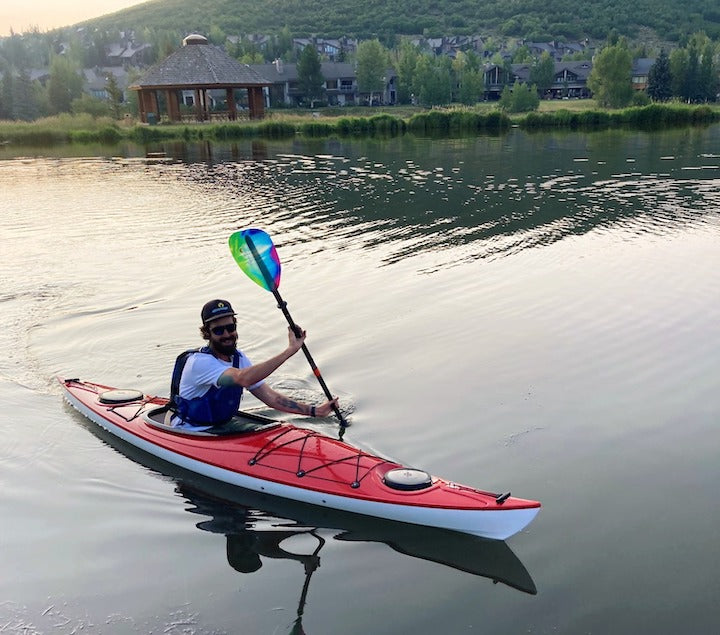
Tip: Bring a friend when you try a new kayak. They can help with transport, and it’s safer.
Credit: www.aquabound.com
Summary: Picking The Right Kayak For You
Choosing between a river kayak and a lake kayak isn’t just about the boat—it’s about matching your kayak to your water, skills, and goals. Think about where you’ll paddle, how much experience you have, and what kind of adventure you want.
River kayaks are for fast moves, excitement, and handling rough water. Lake kayaks are for comfort, speed, and enjoying the view. There’s no one-size-fits-all answer, but with the right information, you can make the best choice for your next trip.
If you want more technical details and safety tips, check out the Wikipedia Kayak page.
Frequently Asked Questions
What Is The Main Difference Between A River Kayak And A Lake Kayak?
The main difference is design. River kayaks are shorter, more maneuverable, and built for moving water. Lake kayaks are longer, more stable, and made for flat, open water.
Can I Use A Lake Kayak On A River?
You can use a lake kayak on a slow, gentle river, but it is not safe for rapids or fast currents. Lake kayaks are hard to turn quickly, which can be dangerous in tight spots.
Is A River Kayak Good For Beginners?
A river kayak can be good for beginners if you paddle on slow rivers and take a lesson first. However, it feels less stable on flat water than a lake kayak.
What Size Kayak Is Best For Lakes?
Most people find a 12 to 14-foot lake kayak is a good balance of speed, stability, and comfort. Shorter kayaks are easier to handle, but longer ones glide better.
Do I Need Special Safety Gear For River Or Lake Kayaking?
Yes. Always wear a life jacket for both. For rivers, add a helmet and spray skirt. For lakes, bring sun protection, water, and a whistle. Safety gear is always important.
Kayaking opens up a world of adventure—choosing the right kayak makes it safer and more fun. Enjoy your time on the water!

Credit: www.fix.com