
Choosing between a 2 person kayak and a canoe is more than just picking a boat. For beginners and experienced paddlers alike, the differences can feel confusing. Both crafts float, both carry people, and both offer adventure on the water. Yet, their design, use, comfort, and performance set them apart in many ways. If you are thinking about buying or renting a boat for two, understanding these differences can save time, money, and frustration.
Many people imagine kayaks as sporty, fast, and low to the water, while canoes appear open and stable. This is true to some extent, but the reality is more nuanced. Kayaks and canoes have their strengths and weaknesses, and your choice will shape your experience on lakes, rivers, or sea.
Safety, comfort, and even the kind of trip you can take depend on picking the right boat.
This article compares the 2 person kayak and canoe from every angle that matters. You will learn about design, paddling style, storage, safety, speed, comfort, and costs. Real-world examples, helpful tables, and practical advice will help you see what most beginners miss. By the end, you will know which boat fits your needs—and avoid common mistakes that can ruin a day on the water.
Core Design Differences
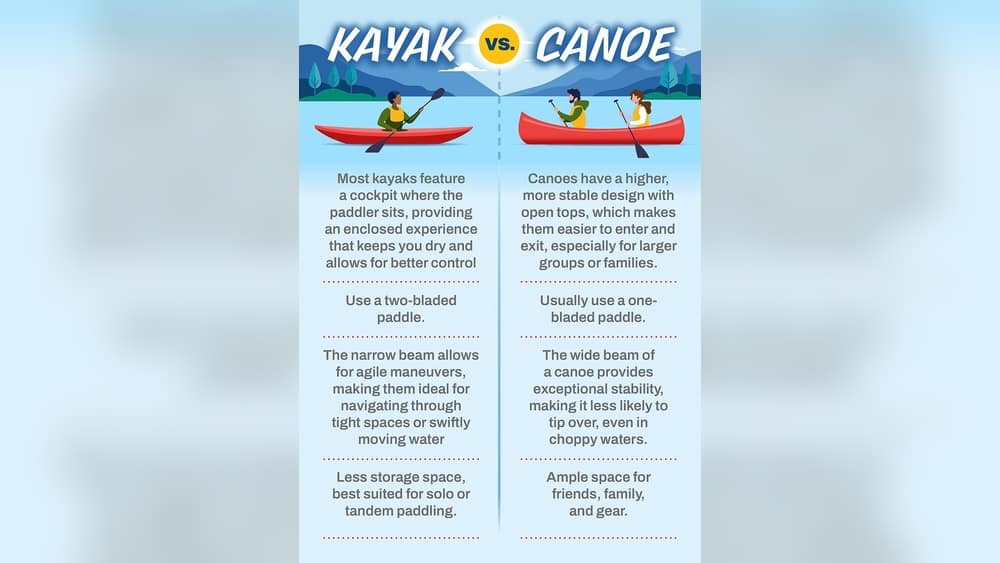
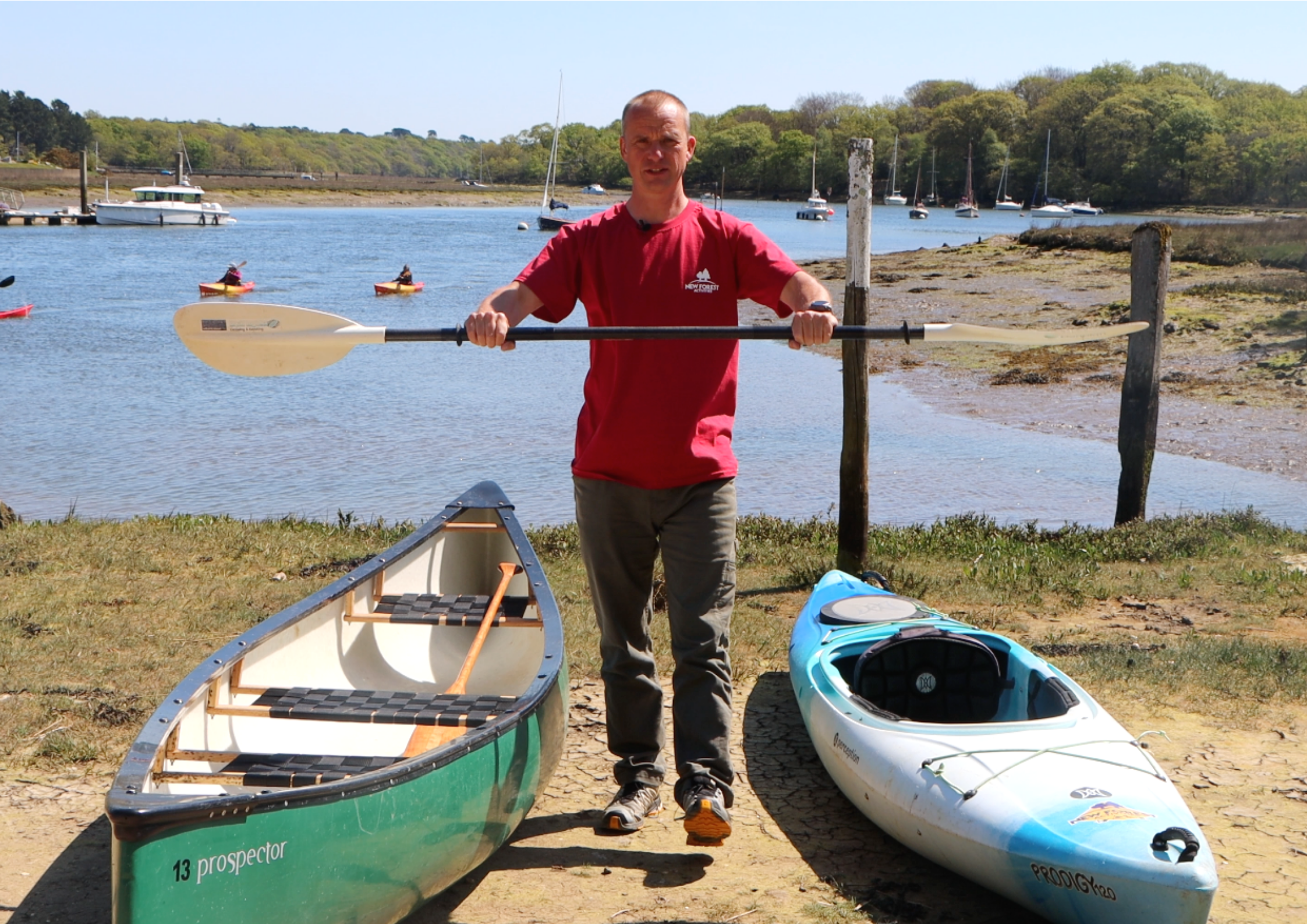
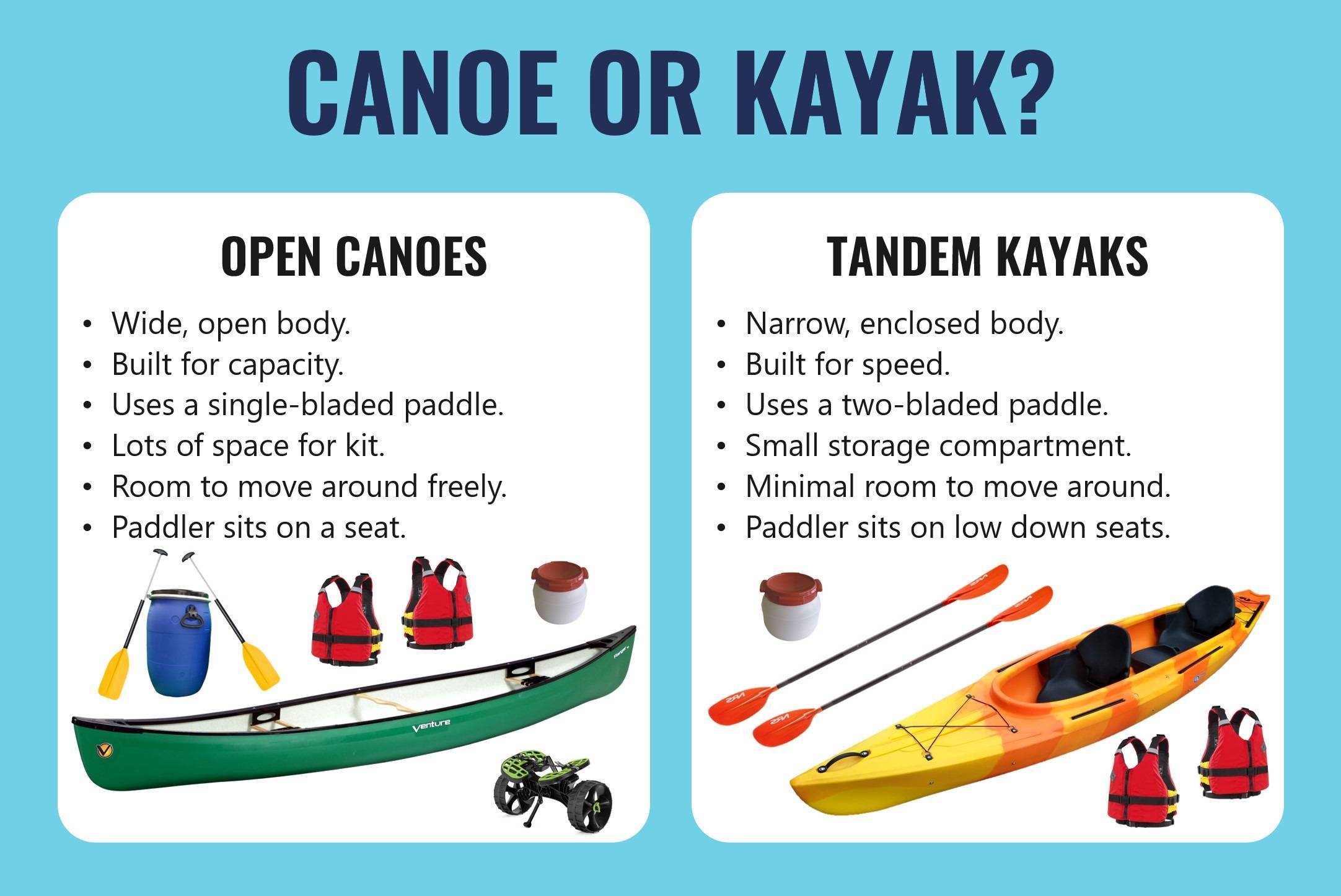
The first thing you’ll notice is the shape and structure of each boat. A two person kayak is long and narrow, with a closed or semi-closed deck. Paddlers sit low inside, legs stretched forward, each using a double-bladed paddle. In contrast, a canoe has an open top, with high sides, and paddlers sit on raised benches or kneel, using single-bladed paddles.
Kayaks are often built for speed, agility, and protection from water. They are lower to the water and can feel more “locked in,” especially with sprayskirts or enclosed cockpits. Canoes, with their open design, are easier to enter and exit, and you can move around more freely.
Here’s a visual breakdown:
| Feature | 2 Person Kayak | Canoe |
|---|---|---|
| Deck | Closed or semi-closed | Open |
| Paddler Position | Sitting, legs forward | Sitting on benches or kneeling |
| Paddle Type | Double-bladed | Single-bladed |
| Entry/Exit | More restricted | Easy |
| Storage | Limited, inside compartments | Open, more space |
One point many overlook: kayaks are less forgiving if you want to stand or move around. Canoes let you shift positions, stretch, or even bring a small child or pet with you, thanks to the open space.
Paddling Style And Learning Curve
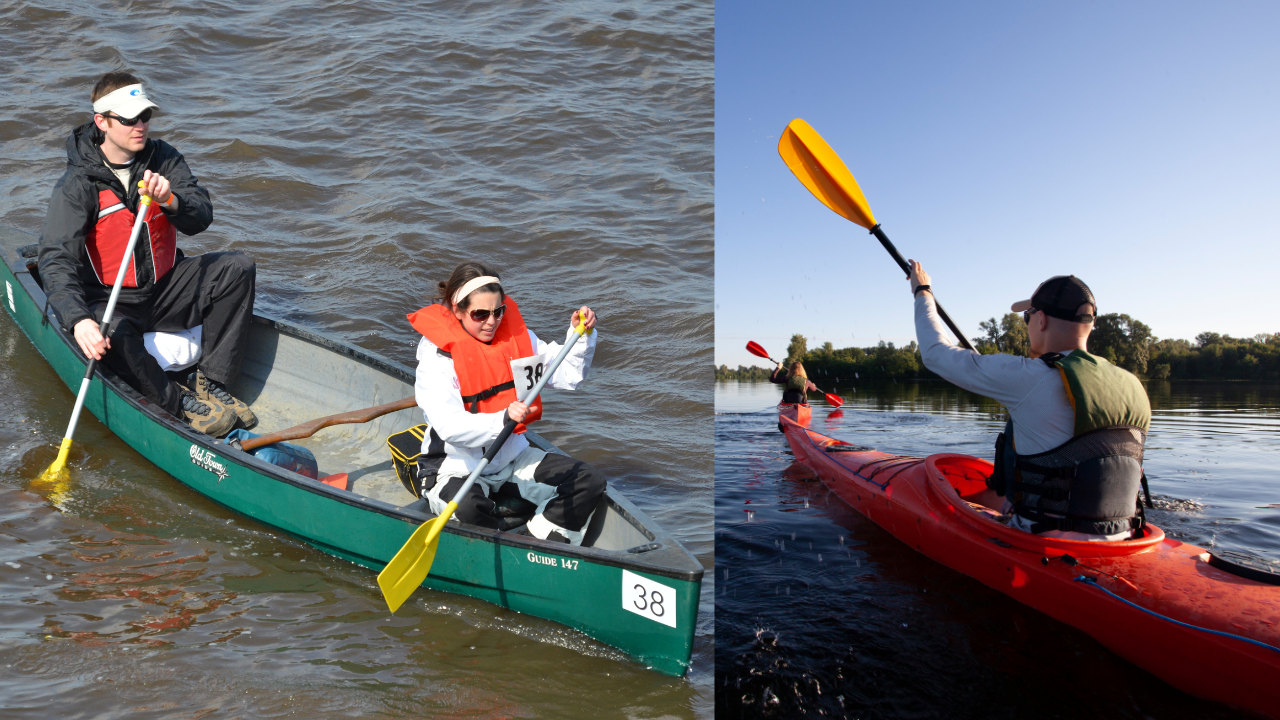
Paddling a two person kayak and a canoe feels very different. In a kayak, both people use double-bladed paddles. They alternate strokes on each side in a rhythm. This helps the kayak go straight and fast. In a canoe, each person has a single-bladed paddle and usually paddles on opposite sides.
Good teamwork is key.
Kayak Paddling
Kayak paddling is often easier for beginners to pick up. The double-bladed paddle creates balance, and it’s simpler to go straight. The low seating means your center of gravity is lower, which adds stability, especially in choppy water. But, learning to coordinate with your partner is still important—if you paddle out of sync, the boat may zigzag.
Canoe Paddling
Canoe paddling relies more on skill and communication. Each paddler must adjust their strokes to keep the canoe straight. The person in the back (the “stern”) steers, while the front paddler provides power. Paddling a canoe in wind or current can be tricky until you learn different strokes, like the J-stroke or draw stroke.
Non-obvious insight: Many first-timers don’t realize that canoes demand more teamwork at the start, but once mastered, they offer more paddling styles and flexibility. Kayaks are more forgiving for solo paddling, even in a tandem model.
Stability And Safety
Stability is a major factor, especially if you are new to paddling or plan to bring kids or pets. Both kayaks and canoes come in stable models, but their basic designs affect how they handle tipping, waves, and getting back in after a capsize.
Canoe Stability
Canoes usually have a wider beam (width), which gives them a stable, solid feel—at least on calm water. This “primary stability” makes canoes good for fishing, photography, or relaxing. However, their open design means if you tip, water gets in quickly, and bailing out is hard.
Kayak Stability
Kayaks, especially touring or sea kayaks, have secondary stability. They may feel less steady at first, but they handle waves and tilting without flipping. Modern recreational tandem kayaks are designed to be very stable, but the low seating and enclosed cockpit can feel claustrophobic to some.
Not-so-obvious insight:Self-rescue is easier in a kayak—if you capsize, you can roll back up with practice or climb in with less water inside. Canoes are much harder to empty and right in deep water.
Here’s a quick comparison:
| Aspect | 2 Person Kayak | Canoe |
|---|---|---|
| Primary Stability | Good (varies by model) | Excellent |
| Secondary Stability | Very good | Average |
| Ease of Re-entry | Better (with practice) | Difficult |
| Risk of Swamping | Lower (closed deck) | Higher (open) |
Speed, Efficiency, And Handling
For many paddlers, speed and efficiency matter. Maybe you want to cover more distance, keep up with friends, or simply enjoy a smoother ride.
Kayak Speed
Kayaks are typically faster than canoes. Their long, narrow hull and low profile make them cut through water with less drag. The double-bladed paddle allows for rapid, even strokes, so you can maintain speed with less effort.
Canoe Speed
Canoes are slower, especially in wind. Their higher sides catch the breeze, and the wider hull creates more resistance. Still, skilled canoeists can cover long distances, and racing canoes are surprisingly fast. But for most recreational users, kayaks win the speed test.
Real-world example: In a 10-mile flatwater race, a tandem kayak will often finish 20-30% faster than a tandem canoe, assuming similar skill levels.
Turning And Maneuverability
Kayaks are easier to turn, especially models with a rudder or skeg. Canoes turn well if you know advanced strokes, but beginners may find them slow to respond.
Comfort And Seating
Spending hours on the water is much easier in a comfortable boat. Seating, space, and how easy it is to move make a big difference.
Kayak Comfort
Most tandem kayaks have molded or padded seats with backrests. You sit low and stretch your legs in front. This can be comfortable, but some people find it hard on their knees or hips, especially if flexibility is limited.
Canoe Comfort
Canoes offer more room to move. You can sit on benches, kneel, or even stand (in calm water). There’s space for gear, lunch, or a pet. Some canoes have padded seats, but back support is usually less than in kayaks.
Beginner mistake: Many new paddlers overlook how much legroom and movement matter on longer trips. Being able to shift positions can prevent cramps and fatigue.
Storage And Gear Capacity
Planning a day trip or a weekend camping adventure? How much gear you can carry—and how easy it is to access it—matters.
Canoe Storage
Canoes shine here. Their open design means you can load coolers, tents, fishing rods, and even bulky items with ease. Access is simple, and you can bring more without worrying about tight hatches.
Kayak Storage
Tandem kayaks have sealed hatches and limited cargo space. What you bring must fit inside compartments, which can be small or hard to reach on the water. Dry bags are essential, and heavy or large items may not fit at all.
Pro tip: If you plan to camp or fish with lots of gear, a canoe is often the better choice.
Credit: www.newforestactivities.co.uk
Weight, Transport, And Storage At Home
Moving your boat to and from the water is a practical concern. Two person kayaks and canoes can both be heavy and awkward, but there are differences.
Canoe Weight And Handling
Canoes are usually longer and heavier (15–18 feet, 60–90 lbs), but their shape makes them easier to lift onto a car roof or carry using shoulder yokes. Two people can often portage a canoe with less trouble than a kayak.
Kayak Weight And Handling
Tandem kayaks are a bit shorter (12–16 feet) and can weigh 50–80 lbs. They are less bulky but harder to grip and carry due to the closed deck. Many need two people to transport safely.
Storage at home is easier for kayaks if you have limited space, as they can be hung on a wall or stored upright. Canoes take up more room.
Here’s a side-by-side look:
| Feature | 2 Person Kayak | Canoe |
|---|---|---|
| Average Length | 12–16 feet | 15–18 feet |
| Average Weight | 50–80 lbs | 60–90 lbs |
| Ease of Carrying | Challenging (awkward shape) | Easier with yoke |
| Storage at Home | More options | Needs more space |
Versatility And Types Of Water
Where you plan to paddle affects your choice. Both two person kayaks and canoes come in models for different water types, but some excel in certain conditions.
Kayak Versatility
Kayaks are available for lakes, rivers, and even the sea. Tandem sea kayaks handle waves and wind well, while recreational models are great for calm water. Whitewater tandem kayaks exist, but are less common.
Canoe Versatility
Canoes are perfect for lakes, slow rivers, and gentle streams. Some can handle mild rapids, but their open design makes them risky in rough water. Specialized whitewater canoes exist, but they require advanced skill and are rare for two people.
Underappreciated fact:Kayaks are safer in cold or choppy water, thanks to their closed decks and easier self-rescue.
Cost Comparison
Budget is a real factor for many. Both kayaks and canoes come in a range of prices, from entry-level plastic models to custom-built crafts costing thousands.
Average Prices
- 2 Person Kayak: $700–$2,500
- Canoe: $800–$2,000
High-end models can cost much more, especially ultralight or specialty boats.
Accessories
Kayaks often require extra gear: sprayskirts, dry bags, and special paddles. Canoes need paddles, but less other equipment. Life jackets, of course, are essential for both.
Buyer mistake: Many forget to factor in the cost of paddles and safety gear, which can add $200–$400 to your total.
Family Use And Activities
Consider how you plan to use your boat. Will you take kids, fish, camp, or just paddle for fun?
Family Outings
Canoes are often better for families. The open space lets you bring a child, dog, or lots of gear. Picnics, fishing, or lazy river trips are easier.
Adventure And Sports
Kayaks win for adventure: touring, sea kayaking, or long-distance trips. They perform better in rough water and are more efficient for covering distance.
Fishing
Both can work, but canoes offer more space for tackle and comfort for casting. Specialized fishing kayaks exist, but are usually single-person.
Durability And Maintenance
How long your boat lasts and how much care it needs matters too.
Canoe Durability
Canoes are often made of aluminum, fiberglass, or tough plastics. They handle bumps, scrapes, and dragging better than kayaks. Repairs are usually simple.
Kayak Durability
Modern kayaks are made from rotomolded plastic, fiberglass, or composites. They resist cracks, but sharp impacts can cause damage. Repairs can be harder, especially for composite kayaks.
Maintenance
Both need rinsing after use (especially in salt water), periodic inspection, and proper storage out of sun. Canoes are easier to clean, thanks to their open design.
Overlooked tip: Many people ignore UV damage—always store your boat out of direct sun or use a cover to prevent fading and weakening.
Environmental Impact
Responsible paddling means thinking about the environment.
- Kayaks disturb less water and shoreline due to their low profile and efficient paddling style.
- Canoes can carry more trash, making them better for clean-up trips.
Both should be cleaned between trips to prevent spreading invasive species.
When To Choose A 2 Person Kayak
- You want speed and efficiency
- You plan to paddle on open water, sea, or in rough conditions
- You prefer a closed cockpit and don’t need lots of gear
- You have limited storage space at home
- You want to try advanced paddling (rolling, surfing)
When To Choose A Canoe
- You value comfort, space, and versatility
- You paddle mostly on calm lakes or slow rivers
- You want to bring kids, pets, or lots of gear
- You enjoy fishing, photography, or relaxing trips
- You need easy entry/exit, or have limited flexibility
Credit: www.canoe2.co.uk
Real-world Scenarios
Imagine you plan a weekend camping trip on a calm lake. You have two adults, a child, a cooler, and a tent. A canoe will let you pack everything with space to spare, move around, and enjoy a picnic on the water.
Now, picture paddling along a windy coastline. Waves splash over the bow, and you need to make miles before sunset. A tandem kayak will keep you dry, safe, and moving fast.
Hidden insight: Many people rent kayaks for calm water, then regret the limited space. Always match your choice to your main activity and comfort needs.
The Experience: What Beginners Miss
Beyond specs and data, the experience matters.
- Kayaks feel sporty and connected to the water. You “wear” the boat.
- Canoes feel like floating platforms—relaxed, social, and open.
Many beginners don’t realize that skill level shapes enjoyment. Paddling a canoe poorly can be frustrating. Kayaks are easier to get moving, but harder to get in and out of. Try both, if you can, before buying.
Credit: www.safecastle.com
Frequently Asked Questions
What Is Easier For Beginners, A 2 Person Kayak Or A Canoe?
Most beginners find a 2 person kayak easier. The double-bladed paddle and low seating make it simpler to go straight, even with little experience. Canoes need more teamwork and skill at first, but become easier over time.
Can You Use A Tandem Kayak Or Canoe Solo?
You can use both solo, but it’s easier in a tandem kayak. Many models allow you to paddle alone by adjusting the seat or weight. Solo canoeing is possible, but takes practice and skill, especially in wind.
Which Is Safer For Kids And Pets?
Canoes offer more space for kids or pets to move around, but can tip easily if weight shifts. Kayaks are more stable in rough water and easier to recover after a capsize. Always use life jackets for everyone.
Which Boat Is Better For Fishing?
Both can work, but canoes give more space for gear and easier movement for casting. Some fishing kayaks are very stable, but most are designed for one person. For two, a canoe is usually more comfortable.
How Do I Choose Between A Kayak And Canoe For Camping Trips?
If you have lots of gear, want to camp on islands, or need to carry bulky items, a canoe is often better. If you plan to paddle long distances, or expect rough water, a tandem kayak will be faster and safer.
Before your final choice, consider renting each type. Test them in the conditions you’ll face most often. For more detailed buying guides and safety tips, visit Wikipedia.
Picking the right boat means more than just reading specs—it’s about matching your needs, skills, and favorite activities to the right craft. Whether you choose a 2 person kayak or a canoe, the best adventures start with the right decision. Happy paddling!