
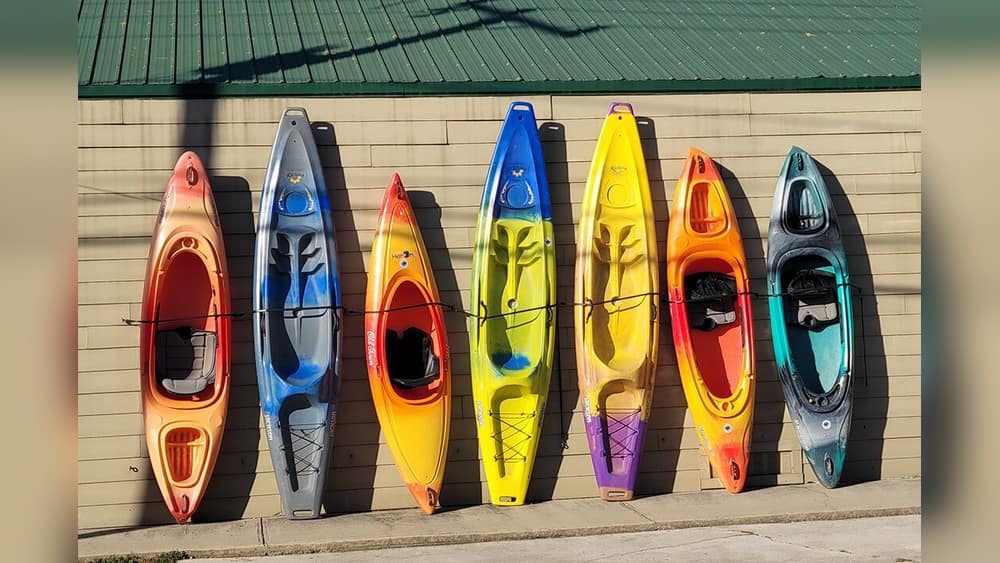
Choosing the right kayak can be confusing, especially for beginners. You may see many options, but two of the most popular sizes are the 8ft kayak and the 10ft kayak. Which one should you choose? The answer depends on your needs, your skill level, where you paddle, and even your body size. This article will give you a deep, clear comparison between 8ft and 10ft kayaks. You’ll learn about their advantages, disadvantages, uses, and what really matters when buying your first or next kayak. Let’s make your decision easy and confident.
Understanding Kayak Length
Kayak length affects almost everything about your paddling experience. A longer kayak is usually faster and tracks straighter. A shorter kayak is easier to turn and transport. But it’s not just about numbers—small differences can change how you enjoy your time on the water.
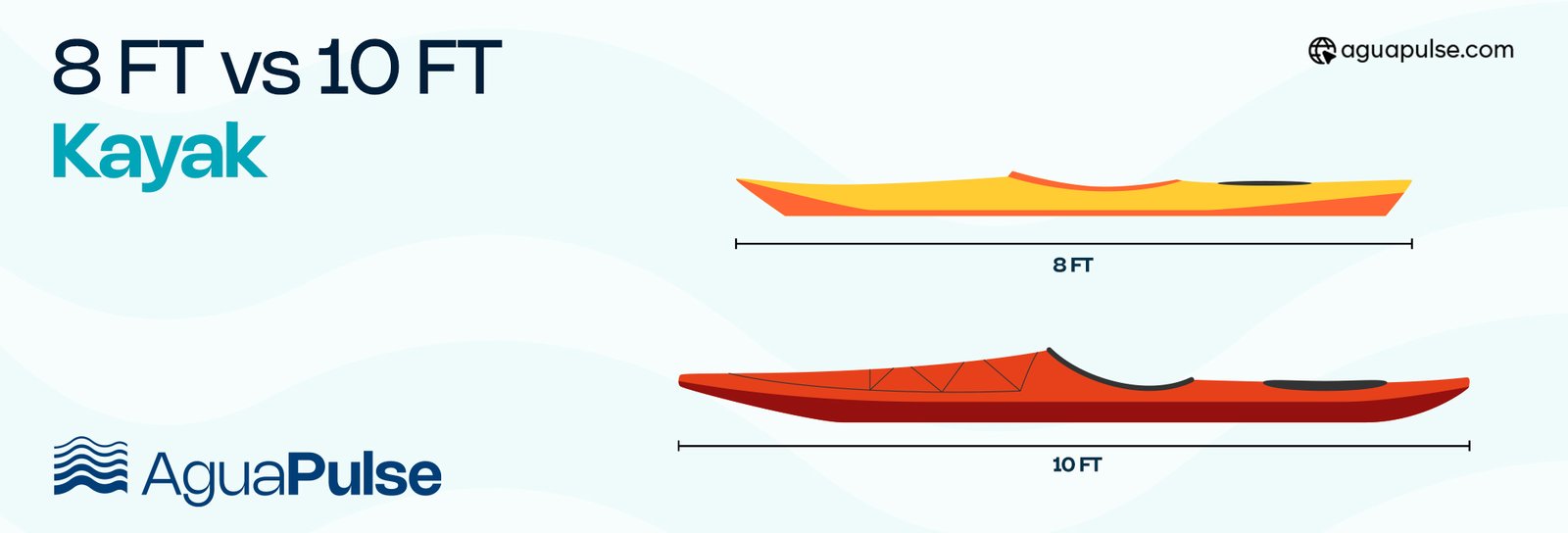
The 8ft kayak is considered a short kayak, often used for kids, small adults, or people who want quick turns in tight spaces. The 10ft kayak is still in the recreational size range but gives you more room and often better performance for adults.
Before we dive into the differences, remember: No kayak is perfect for all situations. The right choice depends on your goals and environment.
8ft Kayak: Features, Pros, And Cons
Key Features
- Length: 8 feet (about 2.4 meters)
- Width: Usually 28-30 inches (for stability)
- Weight: 30-40 lbs (easy to carry)
- Capacity: 180-220 lbs (varies by brand)
- Storage: Limited space for gear
Advantages
- Lightweight and Portable: Most 8ft kayaks are light enough for one person to carry. You can easily lift them onto a car roof or carry them to the water, even if you’re a small adult or a teen.
- Easy to Store: At just 8 feet, these kayaks fit in garages, small sheds, or even on a balcony. If you have limited space, this is a big plus.
- Great for Kids and Smaller Paddlers: The size and weight make them perfect for children or smaller adults. They are less likely to be overwhelming or heavy.
- Very Maneuverable: Shorter kayaks turn quickly. If you paddle in small lakes, narrow rivers, or need to dodge obstacles, an 8ft kayak feels responsive and fun.
Disadvantages
- Less Speed and Tracking: An 8ft kayak is not made for speed. It may feel slow and can drift off course, especially in wind or currents.
- Limited Weight Capacity: Most are not suitable for large adults or for carrying much gear. Overloading can make them unstable.
- Less Comfortable for Tall People: If you are tall or have long legs, you might feel cramped after a while.
- Not Ideal for Rough Water: Short kayaks can feel “bouncy” and are harder to control in waves or strong currents.
Typical Users
- Children (7+ years, depending on swimming skills)
- Petite or lightweight adults (under 5’6” or 150 lbs)
- People needing a kayak for quick, fun paddles on calm water
Real-world Example
Imagine you want to keep a kayak in your apartment and sometimes paddle on a small pond. An 8ft kayak slides into a closet and is easy to carry down stairs. For simple trips, it’s perfect.
10ft Kayak: Features, Pros, And Cons
Key Features
- Length: 10 feet (about 3 meters)
- Width: 28-32 inches (can be wider for stability)
- Weight: 38-55 lbs (still manageable for most adults)
- Capacity: 250-300 lbs (can hold more gear and bigger paddlers)
- Storage: Larger rear and front wells, sometimes a dry hatch
Advantages
- Better Speed and Tracking: The extra two feet help the kayak glide straighter and faster. You’ll notice less drifting and easier paddling over distance.
- Higher Weight Capacity: Most 10ft kayaks can handle bigger adults, or an adult plus a small child, with room for fishing gear or a picnic.
- More Leg Room: Taller paddlers will find more comfort and space to stretch their legs.
- Good Balance of Maneuverability and Stability: Still easy to turn, but less “tippy” than an 8ft kayak.
Disadvantages
- Heavier and Bulkier: Still portable, but may require two people for lifting onto a car, especially if you’re not strong.
- Takes More Storage Space: You’ll need a bigger area to store a 10ft kayak. It won’t fit in a small closet or most elevators.
- Slightly More Expensive: The price is usually higher than an 8ft kayak, though not always by much.
Typical Users
- Adults of average or above-average size
- Paddlers who want to do longer trips or carry more gear
- Beginners who want a good all-around kayak for lakes, slow rivers, or calm coastal waters
Real-world Example
Suppose you want to go fishing on weekends and sometimes paddle for 2-3 hours at a time. A 10ft kayak will let you bring your fishing gear and lunch, and you won’t feel cramped.
Side-by-side Comparison: 8ft Vs 10ft Kayak
To make it easier to see the main differences, look at this comparison:
| Feature | 8Ft Kayak | 10Ft Kayak |
|---|---|---|
| Length | 8 feet | 10 feet |
| Weight | 30-40 lbs | 38-55 lbs |
| Max Capacity | 180-220 lbs | 250-300 lbs |
| Speed | Slower | Moderate |
| Tracking | Poor to Fair | Good |
| Maneuverability | Excellent | Good |
| Storage Needed | Small space | Medium space |
| Best For | Kids, Small Adults | Average Adults, Gear |
Where Each Kayak Size Shines
8ft Kayak
- Urban living: Fits in small apartments or cars.
- Short paddles: Ideal for 30-60 minute outings.
- Tight spaces: Works well in small ponds, narrow creeks, or near docks.
10ft Kayak
- Day trips: Comfortable for longer paddles (2+ hours).
- Carrying gear: Fishing, snacks, or even a small pet.
- Taller paddlers: More legroom means less fatigue.
Performance On The Water
Stability
Both 8ft and 10ft kayaks can be very stable, especially if they’re wide. Beginners often think a shorter kayak will be more stable, but width is more important than length. Still, a 10ft kayak often feels steadier for adults, especially when getting in and out.
Tracking And Turning
- Tracking means how straight the kayak goes when you paddle. Short kayaks like the 8ft will “wander” more. This means you may need extra strokes to stay straight.
- Turning is easier in an 8ft kayak. If you need to spin around or avoid obstacles, short kayaks respond quickly. A 10ft kayak is still maneuverable, but a little slower to turn.
Speed
Speed is not a big concern for most casual paddlers. But if you want to paddle longer distances or keep up with friends, a 10ft kayak is noticeably faster. You’ll use less energy to cover the same ground.
Handling Wind And Waves
A big mistake beginners make is using a short kayak on windy lakes or in waves. An 8ft kayak can feel like a “toy” in these conditions and may be blown off course. A 10ft kayak, with its extra length, cuts through chop better and feels more solid.
Credit: aguapulse.com
Transport And Storage
Car Transport
Both sizes can fit on most car roof racks. An 8ft kayak might even fit inside some SUVs with the seats down. If you’re alone, the lighter 8ft is easier to lift. But if you have a friend, a 10ft kayak is not much trouble.
Home Storage
Space is a big factor for many buyers. If you live in a city, the 8ft kayak is a smart choice. You can stand it in a corner, tuck it behind furniture, or hang it on a wall. The 10ft kayak needs more space—think of a hallway or a large garage.
Carrying To The Water
If you must walk 100-200 meters to the water, the lighter 8ft kayak is far easier. But remember: most 10ft kayaks are still “car-topper” weight, so it’s not a deal-breaker for most adults.
Comfort And Ergonomics
Legroom
A key advantage of a 10ft kayak is legroom. If you’re over 5’8” (173 cm), you may find the 8ft kayak too tight, especially on longer trips. Cramped legs lead to fatigue and soreness. The 10ft kayak gives you more space, which matters more than you think.
Seat Quality
Most budget kayaks (8ft and 10ft) have basic seats. However, many 10ft models offer upgraded backrests, adjustable foot pegs, and even cup holders. If comfort matters to you, check the seat and foot room before buying.
Entry And Exit
A longer kayak is often easier to get in and out of, especially for adults. Short kayaks can feel “tippy” as you enter, while a wider, longer kayak is more forgiving.
Storage Space For Gear
Onboard Storage
8ft kayaks usually have a small rear well and maybe a water bottle holder. Expect to bring only the basics: a life jacket, water, and a snack.
10ft kayaks often have more storage, including a dry hatch, larger rear well, and bungee cords. You can bring a dry bag, camera, fishing tackle, or even a small cooler.
Fishing And Photography
If you want to fish or take photos, the 10ft kayak is a better platform. You can bring gear and move around without feeling unstable.
Price Difference: Is Bigger Always More Expensive?
Many buyers worry that a 10ft kayak will cost much more. That’s not always true. Entry-level 8ft kayaks usually cost $130-$300. Entry-level 10ft kayaks are $200-$450. The price depends more on brand, material, and features than just size.
But, if you’re on a tight budget and just want something for fun, the 8ft may save you some money.
Safety Considerations
Weight Limit
Never ignore the max weight rating of your kayak. Overloading an 8ft kayak can make it unstable and put you at risk of tipping. Choose a kayak with at least 20% more capacity than your body weight plus gear.
Water Conditions
Short kayaks are best for calm water. If you plan to paddle rivers with current, or lakes with boat wakes and wind, a 10ft kayak gives you more margin for safety.
Skill Level
If you’re new to kayaking, a stable, wider kayak (often found in 10ft models) is safer. Some 8ft kayaks are made for skilled paddlers and can feel “twitchy. ”
Which Is Better For Different Activities?
Here’s a quick look at which kayak size is usually better for popular activities:
| Activity | 8Ft Kayak | 10Ft Kayak |
|---|---|---|
| Kids’ Recreation | Excellent | Good |
| Adult Recreation | Fair | Excellent |
| Fishing | Poor | Good |
| Photography | Fair | Good |
| Exercise/Fitness | Poor | Good |
| Camping Trips | Poor | Fair |
| River Paddling | Good (slow rivers) | Excellent |

Credit: www.amazon.com
Common Mistakes When Choosing Kayak Size
- Ignoring Weight Limit: Many beginners pick a kayak that’s too small, not realizing that their weight plus gear is over the safe limit.
- Not Testing Comfort: Sitting in a kayak for five minutes in a store feels different from an hour on the water. Always check legroom and seat comfort.
- Choosing Based on Price Alone: The cheapest option is not always best. Consider how you’ll use the kayak.
- Underestimating Storage Needs: You may want to bring more things as your skills grow. Plan for a little extra space.
- Not Thinking About Transport: Make sure you can lift, carry, and store your kayak before you buy.
Non-obvious Insights And Tips
- Many people don’t realize that kayak weight matters, not just for carrying, but for performance. A lighter kayak is easier to accelerate, but a heavier one can feel more stable in rough water.
- Most 8ft kayaks have a shorter waterline, which means they sit higher in the water. This can make them more affected by wind.
- If you plan to paddle in different locations, think about the type of water first—calm lake, slow river, or choppy bay. Your kayak should fit the hardest place you plan to paddle, not just the easiest.
- It’s easier to add storage (using dry bags or deck bags) to a 10ft kayak. With an 8ft kayak, you quickly run out of room.

Credit: www.ebay.com
What Really Matters When Choosing
- Your weight and height: Always check the weight rating, and test the fit if possible.
- Where you’ll paddle: Calm water means more choices. If you want to paddle in wind or waves, go longer and wider.
- How you’ll transport and store: Be honest about your car, home space, and lifting ability.
- How long you’ll paddle: For short, fun trips, comfort matters less. For 2+ hour paddles, comfort is key.
- Future needs: Will you want to bring a child, dog, or fishing gear later? Plan ahead.
- Budget: Don’t overpay for features you won’t use, but don’t buy too small and regret it.
Recommendations For Different Paddlers
- Kids (7-12 years): 8ft kayak is ideal. Look for lightweight models with good stability.
- Small adults (under 5’6”/150 lbs): If you want maximum portability and only paddle short trips, 8ft is fine.
- Average to large adults: Go with a 10ft kayak. You’ll be happier with the comfort and storage.
- Fishing or gear-heavy trips: 10ft kayak is the clear winner.
- Urban dwellers with tiny storage: 8ft kayak, but be honest about your size and needs.
- Those wanting to grow in the sport: 10ft kayak gives you more room to learn and try new things.
How To Test Before Buying
If possible, sit in both sizes at a store. Put your feet in, imagine paddling for an hour, and check how easy it is to get in and out. If you can rent or borrow before buying, do so. Many outdoor shops let you test kayaks on a pond or pool.
Summary: Which Is Better—8ft Or 10ft Kayak?
There is no universal answer. For small paddlers, short outings, and tiny storage space, the 8ft kayak shines. For most adults, longer trips, and anyone who wants comfort and flexibility, the 10ft kayak is hard to beat.
Both are fun, safe, and offer great value. Think about your needs, try before you buy if you can, and don’t rush your decision. The right kayak will give you years of enjoyment.
If you want to dive deeper into kayak types and design, check out this excellent guide from the Wikipedia Kayak page.
Frequently Asked Questions
What Is The Main Difference Between 8ft And 10ft Kayaks?
The main difference is length, which affects speed, tracking, weight capacity, and comfort. A 10ft kayak is faster, tracks straighter, and offers more room, while an 8ft kayak is lighter and easier to carry.
Is An 8ft Kayak Big Enough For Adults?
Yes, but only for small adults under 150 lbs and 5’6” tall. Larger adults may feel cramped and risk overloading the kayak, making it less safe.
Can I Use An 8ft Kayak For Fishing?
It’s possible, but not ideal. Most 8ft kayaks have limited storage and stability for fishing gear. A 10ft kayak offers more space and comfort for fishing trips.
Which Kayak Is Better For Beginners?
Most beginners are happier with a stable, wider, 10ft kayak. It’s more forgiving, comfortable, and handles a wider range of water conditions.
How Much Weight Can A 10ft Kayak Hold?
Most 10ft kayaks can hold between 250-300 lbs (113-136 kg). Always check the manufacturer’s rating and plan for your body weight plus gear.
Choosing between an 8ft and 10ft kayak is not just about size; it’s about how and where you want to paddle. By understanding your needs and the strengths of each size, you’ll find the perfect kayak for your adventures. Enjoy your time on the water!