
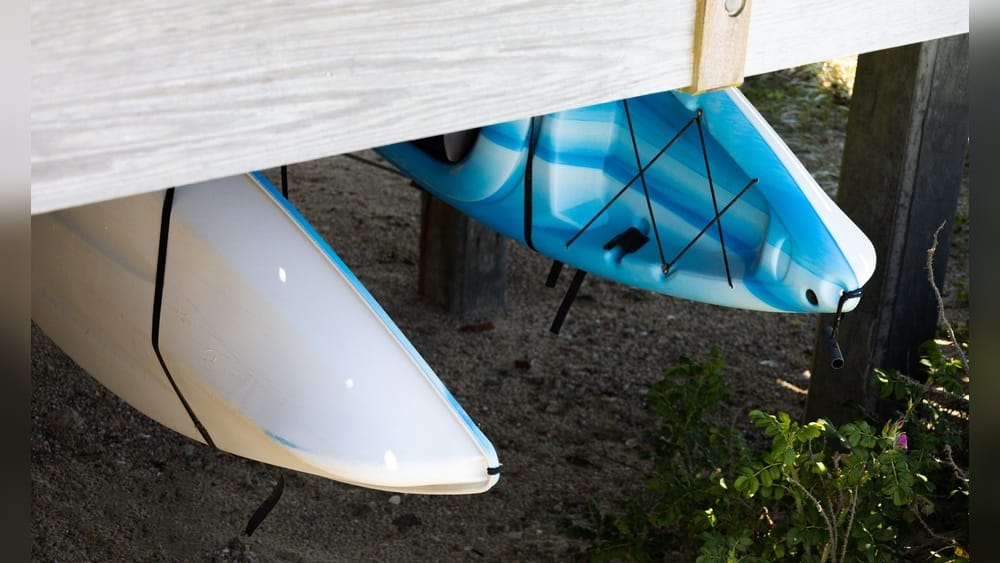
Storing your kayak outside during winter can feel challenging. Snow, ice, freezing temperatures, and moisture can damage your kayak if you are not careful. Still, many people do not have indoor storage space. The good news? With the right steps, you can keep your kayak safe outside all winter long.
This guide will help you understand exactly how to store a kayak outside in winter, avoid costly damage, and make your kayak last for years.
Why Outdoor Winter Storage Is Tricky
Kayaks are tough, but winter weather is tougher. When you leave your kayak outside, it faces several risks:
- UV damage from winter sun can fade or weaken plastic and fiberglass.
- Moisture from snow and rain can collect inside, freeze, and cause cracks.
- Freezing and thawing cycles can warp or split the kayak material.
- Animals might nest inside or chew on straps and padding.
These problems are easy to overlook. Many beginners believe a kayak is built for the outdoors and needs no special care. In reality, some simple steps make a huge difference.
Choosing The Right Location
The storage spot matters more than most people think. The wrong location can undo all your protection efforts. Here are key factors to consider:
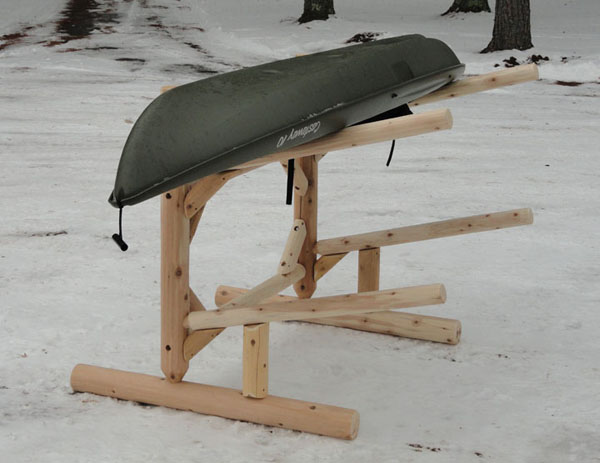
- Elevation: Place your kayak off the ground. Wet soil, snow, or pooling water can damage the hull. Use a rack, saw horses, or even strong cinder blocks.
- Shelter: Find a spot with some natural protection. Against a wall, under a deck, or near a fence is better than out in the open.
- Drainage: Make sure water can drain away from the kayak. Avoid low spots where snow and rain collect.
- Wind Protection: Strong winds can knock over or blow away a loosely secured kayak. Choose a spot with some windbreak, like shrubs or a shed wall.
Common Location Mistakes
A common error is storing the kayak flat on the ground. This traps moisture under the hull, leading to mold and deformation. Another mistake is placing the kayak under trees—falling branches or sap can cause problems.
Credit: www.logkayakrack.com
Preparing Your Kayak For Winter
Before storing, your kayak needs a little preparation. These steps reduce the risk of damage and make springtime setup much easier.
- Clean Thoroughly: Wash the kayak with mild soap and water. Remove all dirt, sand, and salt, especially from seams and hardware. Salt can corrode metal parts during winter.
- Dry Completely: Moisture inside the kayak can freeze, expand, and crack the hull. Use towels and let the kayak air-dry for several hours.
- Remove Accessories: Take out seats, paddles, removable hatches, and electronics. Store these indoors. This protects sensitive parts from cold and animals.
- Loosen Straps and Cords: Bungee cords and tie-down straps can contract in cold weather. Loosen them to avoid stress on the hull.
- Inspect for Damage: Look for cracks, deep scratches, or loose parts. Small cracks get worse after freeze-thaw cycles, so repair them now.
Many kayak owners skip drying, thinking a little water is harmless. In winter, trapped water is one of the main causes of hull cracks.
Covering Your Kayak: Options And Tips
A good cover is essential for outdoor winter storage. It keeps snow, ice, sun, and animals away from your kayak. There are several cover types:
| Cover Type | Pros | Cons |
|---|---|---|
| Fitted kayak cover | Best protection, custom fit, reusable | Costs more, must fit your model |
| Tarp with bungee cords | Cheap, flexible size | May trap moisture, can blow off |
| DIY plastic sheeting | Very affordable, easy to find | Not as durable, must secure tightly |
How To Cover A Kayak Correctly
- Leave space for air: Do not wrap the kayak too tightly. Allow air to circulate so moisture does not collect under the cover.
- Secure the cover: Use bungee cords or rope, but avoid over-tightening. Check after heavy winds or snow.
- Angle the kayak: Store with the bow (front) slightly higher, so rain and melting snow run off.
- Inspect regularly: At least once a month, check under the cover for moisture, animals, or shifting.
A mistake beginners make is using a regular tarp without securing it well. Wind can catch the tarp and expose the kayak, or cause the tarp to rub and scratch the hull.

Credit: www.rockypointkayak.com
Positioning Your Kayak
How you position your kayak affects its long-term health. Winter can deform a kayak if it rests unevenly for months.
| Position | Best For | Why |
|---|---|---|
| On its side, on padded rack | Plastic, composite kayaks | Even weight, prevents hull dents |
| Upside down, cockpit down | Most kayaks | Keeps water out, protects seat area |
| Hanging by handles | Short-term only | Handles may stretch if used for months |
Never store your kayak right-side up (cockpit up) outside in winter, or water and snow will collect inside, even with a cover.
Securing Your Kayak Against Theft And Animals
Kayaks are valuable, and outdoor storage can attract thieves or curious animals.
- Lock the kayak: Use a cable lock through a strong point (like a seat frame or scupper hole) and attach to a post or rack.
- Block access: Store close to your house, garage, or a well-lit area to deter thieves.
- Animal-proof: Close all hatches, and consider stuffing foam or rags in open spaces. Small animals can chew through thin plastic or fabric.
While theft is less common in winter, it still happens, especially if your kayak is visible from the street.
Dealing With Snow And Ice
Heavy snow and ice can cause physical damage, especially if they pile up on your kayak for weeks. Here’s how to manage winter weather:
- Brush off snow regularly with a soft broom or brush. Do not let snow and ice build up.
- Angle the kayak so snow slides off naturally.
- Check after storms. Remove ice gently—do not bang or scrape hard, as frozen plastic can crack.
- Avoid using salt to melt ice. Salt can damage plastic, metal hardware, and nearby plants.
Many owners forget to check their kayak after each storm. Even a few days of heavy snow can deform the hull if you do not act.
Storage Racks And Diy Solutions
Commercial kayak racks are great, but you can also build your own with simple materials. The goal is to support the kayak evenly and keep it off the ground.
Here are some popular solutions:
- Sawhorses with foam padding: Cheap and easy to move.
- PVC pipe frames: Lightweight, weather-resistant, and customizable.
- Wall-mounted brackets: Good for side storage against a fence or wall.
Example: Simple Diy Outdoor Rack
Materials:
- Two sturdy saw horses
- Old pool noodles or pipe insulation
- Rope or bungee cords
Steps:
- Place sawhorses about 5 feet apart.
- Wrap pool noodles around the top of each sawhorse.
- Set the kayak on its side, resting on the padded sawhorses.
- Secure gently with rope or bungees.
This method keeps the kayak dry, off the ground, and reduces pressure points.
Long-term Maintenance And Regular Checks
Storing a kayak outdoors in winter is not a “set and forget” process. Checking your kayak every few weeks prevents small problems from becoming big ones.
- Look for cover damage: Wind and snow can tear covers.
- Check for animals: Squirrels, mice, or birds sometimes nest under covers.
- Inspect hull and hardware: Cracks, dents, and rust can appear in cold weather.
- Remove snow and ice: As soon as you notice a buildup.
If you spot problems early, you can fix them before they ruin your kayak.
When To Bring Your Kayak Indoors
In some cases, the weather is too harsh for outdoor storage. If you live in an area with:
- Frequent ice storms
- Very heavy snowfalls (over 2 feet at a time)
- Temperatures below -20°C (-4°F) for weeks
Consider finding indoor space, even if it means using a friend’s garage or renting a small storage unit. Extreme cold can make some plastics brittle, and heavy snow can crush a kayak.
Mistakes To Avoid
- Forgetting to dry the kayak: Even small amounts of water can cause cracking.
- Using cheap tarps without securing: Wind can blow them off, exposing the kayak.
- Storing cockpit up: Water and snow will collect inside.
- Ignoring animal risks: Small animals can do surprising damage over a winter.
- Placing directly on the ground: This increases risk of mold, warping, and pest entry.
Two insights even many experienced owners miss: Freeze-thaw cycles can do more damage than deep freezes, and even “UV-resistant” plastics fade without a cover.
Summary Table: Key Tips For Outdoor Kayak Winter Storage
| Task | Why It Matters | How Often |
|---|---|---|
| Clean and dry kayak | Prevents mold and cracks | Before storage |
| Use a cover | Protects from sun, snow, animals | All winter |
| Check regularly | Fix problems early | Monthly |
| Keep off ground | Stops warping and pests | All winter |
| Angle for drainage | Prevents water pooling | Set up once |

Credit: www.youtube.com
Frequently Asked Questions
What If I Have No Yard Or Outdoor Space At All?
If you cannot store your kayak outside, consider a storage unit, a friend’s garage, or even hanging it from strong beams in a carport. Some local marinas offer winter kayak storage for a fee. Always choose a spot with shelter from snow and sun.
Can I Leave My Inflatable Kayak Outside In Winter?
It is not a good idea. Inflatable kayaks are more sensitive to cold and sharp ice. If you must, clean and fully dry it, deflate, and store in a weatherproof bag off the ground. Still, indoor storage is much safer for inflatables.
Is It Okay To Use A Regular Blue Tarp For Covering?
A regular blue tarp can work in a pinch, but it should be secured tightly and checked often. Tarps can trap moisture or blow away in wind. A fitted kayak cover is better for long-term outdoor storage.
Do I Need To Wax Or Treat My Kayak Before Winter?
For composite kayaks (fiberglass or carbon), a layer of marine wax can add protection against moisture and UV. Plastic kayaks do not usually need waxing, but you can use a UV protectant spray. Always clean and dry the kayak first.
Where Can I Find More Detailed Kayak Storage Advice?
For in-depth tips and expert advice, visit the Paddling.com Kayak Storage Guide. They offer videos, DIY ideas, and community forums.
Storing your kayak outside in winter is possible with the right approach. Protect your investment, and when spring arrives, your kayak will be ready for new adventures.